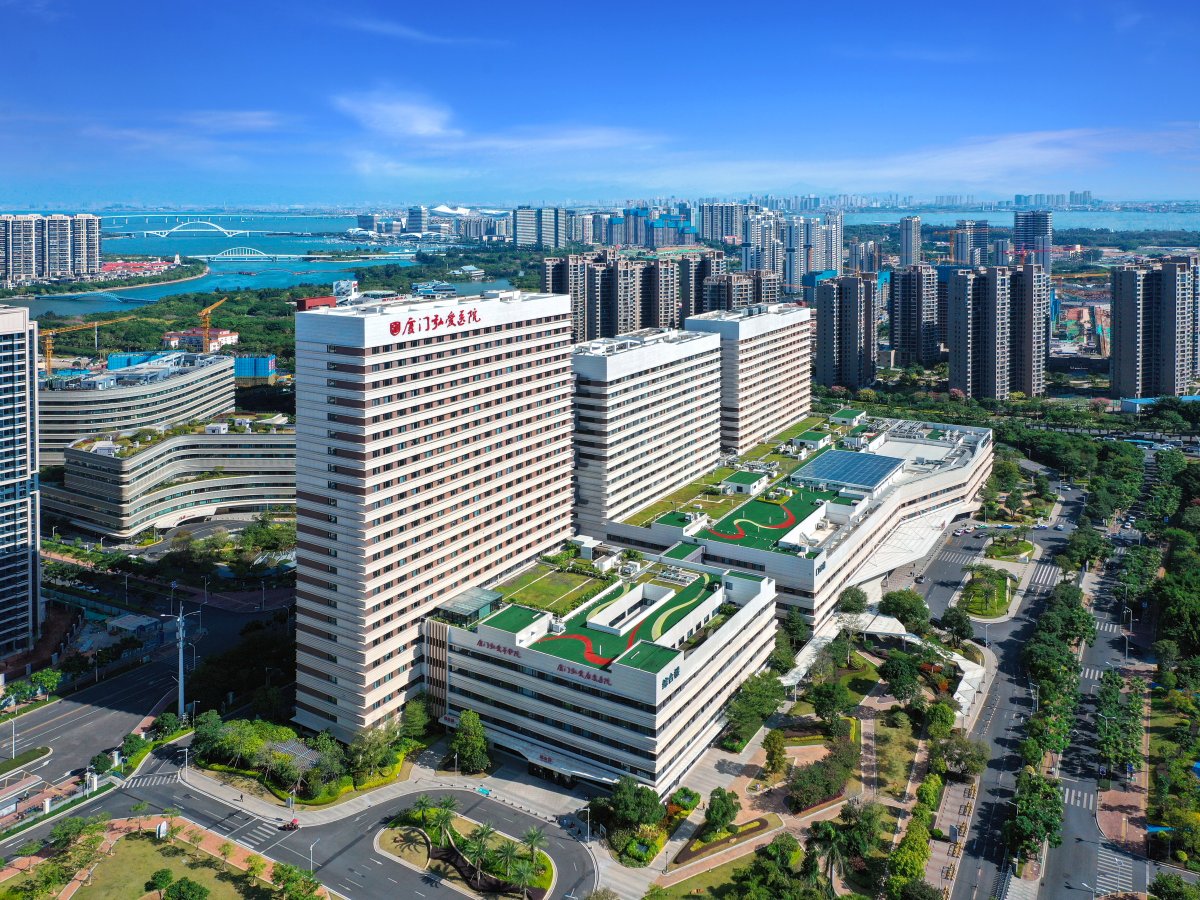
مستشفى شيامن هيومانيتي
الصين, شيامن


تمت مراجعة المقالة طبيا من قبل
فهد مولود
Bookimed لا يضيف رسوماً إضافية على أسعار علاج قرحة التغذية. الأسعار مأخوذة من قوائم الأسعار الرسمية للعيادات. تدفع مباشرة في العيادة مقابل علاجك عند وصولك إلى البلد.
Bookimed ملتزم بسلامتك. نحن نعمل فقط مع المؤسسات الطبية التي تحافظ على معايير دولية عالية في علاج قرحة التغذية ولديها التراخيص اللازمة لخدمة المرضى الدوليين في جميع أنحاء العالم.
Bookimed يقدم مساعدة خبراء مجانية. منسق طبي شخصي يدعمك قبل وأثناء وبعد العلاج، ويحل أي مشاكل. لن تكون وحيداً أبداً في رحلة علاج قرحة التغذية.

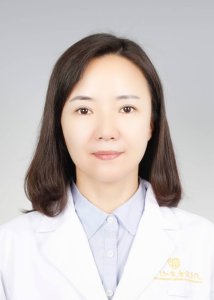
الأستاذة ليانغ شياوشياو مديرة القسم ورئيسة الأطباء في إعادة التأهيل العصبي. تحمل درجة الماجستير في طب الأعصاب. متمرسة في التعديل العصبي لاضطرابات الوعي والإدراك والحركة. يتركز عملها على حالات ناجمة عن أمراض الأوعية الدموية الدماغية، ومرض باركنسون، وحالات ذات صلة. كما تُجري حقن توكسين البوتولينوم بتوجيه الموجات فوق الصوتية لعلاج تشنج الجفن، وتشنج نصف الوجه، وتشنج الأطراف، وفرط سيلان اللعاب، وآلام الأعصاب.
الاعتمادات والمناصب: عضوة في لجان إعادة التأهيل العصبي، وإعادة تأهيل اضطرابات الإد

 Anna Leonova
تعالج الصين القرح الغذائية من خلال نموذج تكاملي يجمع بين التقنيات الجراحية الغربية والطب الصيني التقليدي. تستخدم المستشفيات التخصصية علاج الجروح بالضغط السلبي وإعادة التروية إلى جانب المراهم العشبية الموضعية. يؤكد هذا النهج المزدوج على التنضير السريع للجرح متبوعاً بعلاجات بيولوجية لتسريع تجديد الخلايا.
رؤية خبير Bookimed: يوضح مستشفى Xiamen Humanity حجم البنية التحتية الطبية الصينية بـ 1000 سرير. تسمح هذه السعة العالية بوجود عيادات متخصصة للجروح تدمج التجارب الدوائية مع الرعاية التقليدية. يستفيد المرضى من بروتوكولات موحدة في هذه المرافق واسعة النطاق التي لا تستطيع العيادات التقليدية الأصغر مطابقتها.
إجماع المرضى: يؤكد المرضى أن الشفاء يبدأ بمجرد إزالة التنضير الجراحي للأنسجة الميتة. يجد الكثيرون أن الجمع بين رعاية الجروح في المستشفى والأحذية المخففة للضغط يوفر التعافي الأكثر موثوقية على المدى الطويل.
يمكن للسياح الطبيين توقع معدلات شفاء تتراوح بين 92.5% و 95.6% عند الجمع بين الطب الصيني التقليدي والبروتوكولات القياسية. تظهر النتائج الموثقة في الصين تحسناً كبيراً في تعافي الغشاء المخاطي. يقلل العلاج المزدوج من مخاطر التكرار. كما أن دمج الوخز بالإبر ومغلي الأعشاب يعزز القضاء على البكتيريا في حالات الملوية البوابية (H. pylori).
رؤية خبير Bookimed: يعد حجم المرضى مؤشراً رئيسياً على الخبرة السريرية في الصين. على سبيل المثال، يخدم مستشفى شيامن الإنساني (Xiamen Humanity Hospital) مليون مريض سنوياً ويتعامل مع حالات معقدة عبر 47 قسماً. يسمح هذا العدد الهائل من الحالات للأطباء الصينيين بتحسين بروتوكولات الطب الصيني التقليدي المتكاملة من خلال تجارب دوائية معتمدة. يضمن اختيار مرفق من المستوى الثالث واسع النطاق الوصول إلى كل من الأساليب التقليدية والدعم الجراحي الحديث إذا لزم الأمر.
إجماع المرضى: يشير المرضى إلى أن الطب الصيني التقليدي يعمل بشكل أفضل للقرحة المزمنة عندما يكمل التحكم الوعائي وتنضير الجروح المهني. ي
تستخدم المستشفيات الصينية بروتوكولات تكاملية للقرح الغذائية في مراحلها المتقدمة. تجمع هذه النماذج بين التنضير الجراحي والتحكم الأيضي مع طب الأعشاب والوخز بالإبر. تشير وحدات العناية بالجروح المتخصصة إلى زيادة معدلات الشفاء من 47% إلى 87% عند تطبيق هذه الأساليب المشتركة. تعمل المبادئ التوجيهية الوطنية بنشاط على تعزيز هذا الإطار الطبي الهجين.
رؤية خبير Bookimed: تدير المراكز الثالثية مثل مستشفى شيامن الإنساني (Xiamen Humanity Hospital) أكثر من 1,000,000 مريض سنوياً من خلال أكثر من 40 قسماً. يسمح هذا النطاق الهائل بتنسيق متعدد التخصصات عالي السرعة. غالباً ما تجري المستشفيات الصينية الكبيرة تجارب مخصصة للمراحل من الأولى إلى الرابعة. وهذا يعني أن المرضى قد يتمكنون من الوصول إلى تركيبات عشبية خاصة غير متوفرة عالمياً بعد. تعمل هذه المراكز كمراكز متكاملة حيث يتعاون الجراحون وخبراء الأعشاب يومياً.
إجماع المرضى: يلاحظ المرضى أن المستشفيات الصينية تستخدم عقلية عملية لعلاج الجروح التي لا تلتئم. ويؤكدون على ضرورة التأكد من أن الأطباء
يجد السياح الطبيون علاجاً معتمداً للقرحة الغذائية في المستشفيات الجامعية من الدرجة الثالثة (الفئة 3 الدرجة أ) والمرافق المعتمدة من اللجنة الدولية المشتركة (JCI) في الصين. تقدم المراكز الرائدة مثل مستشفى رويجين ومستشفى شيامن الإنساني وحدات متخصصة لالتئام الجروح. تدمج هذه المراكز بين جراحة الأوعية الدموية، والجراحة التجميلية، وبروتوكولات متقدمة لإصلاح الأنسجة.
رؤية خبير Bookimed: بينما تعتبر المراكز الأكاديمية الكبيرة في شنغهاي أو بكين هي المعيار، يُظهر مستشفى شيامن الإنساني أن المرافق الجامعية الأحدث توفر سعة هائلة تصل إلى 1000 سرير. غالباً ما يعني هذا الحجم الكبير وصولاً أسرع إلى أقسام الأوعية الدموية وجراحة العظام المتخصصة. هذه الأقسام ضرورية لمعالجة مشاكل الدورة الدموية الأساسية التي تسبب القرحة الغذائية المزمنة.
إجماع المرضى: يؤكد المرضى أن الشفاء الناجح يتطلب فريقاً من جراحي الأوعية الدموية والتجميل. ويشيرون إلى أنه من الضروري ترتيب مترجم للتنقل بسلاسة داخل هذه المجمعات الطبية الأكاديمية الكبيرة.
يمكن إدارة القرحة الغذائية على المدى الطويل عن بُعد بعد التنضير الأولي والاستقرار الوعائي في المستشفى. يدعم الطب عن بُعد تعديلات الأدوية ومراقبة الشفاء من خلال التصوير عالي الجودة. توفر المستشفيات الصينية الكبرى مثل مستشفى شيامن الإنساني (Xiamen Humanity Hospital) البنية التحتية التشخيصية اللازمة قبل الانتقال إلى بروتوكولات الرعاية عن بُعد.
رؤية خبير Bookimed: يدير مستشفى شيامن الإنساني أكثر من 1,000,000 مريض سنوياً ويحمل اعتماداً لتجارب الأدوية من المرحلة الأولى إلى الرابعة. يشير هذا الحجم الهائل من المرضى إلى تتبع بروتوكول موحد للغاية للحالات المزمنة. يجب على المرضى اختيار مثل هذه المرافق واسعة النطاق لاستقرارهم الأولي. تضمن أقسام التشخيص المتقدمة لديهم أساساً أكثر موثوقية قبل بدء المراقبة عن بُعد.
إجماع المرضى: يلاحظ المرضى أن الروتين اليومي في المنزل غالباً ما يكون أكثر أهمية من شكل الموعد. ويؤكدون أن الصور عالية الجودة ضرورية لتجنب تفويت علامات عدوى الأنسجة العميقة.