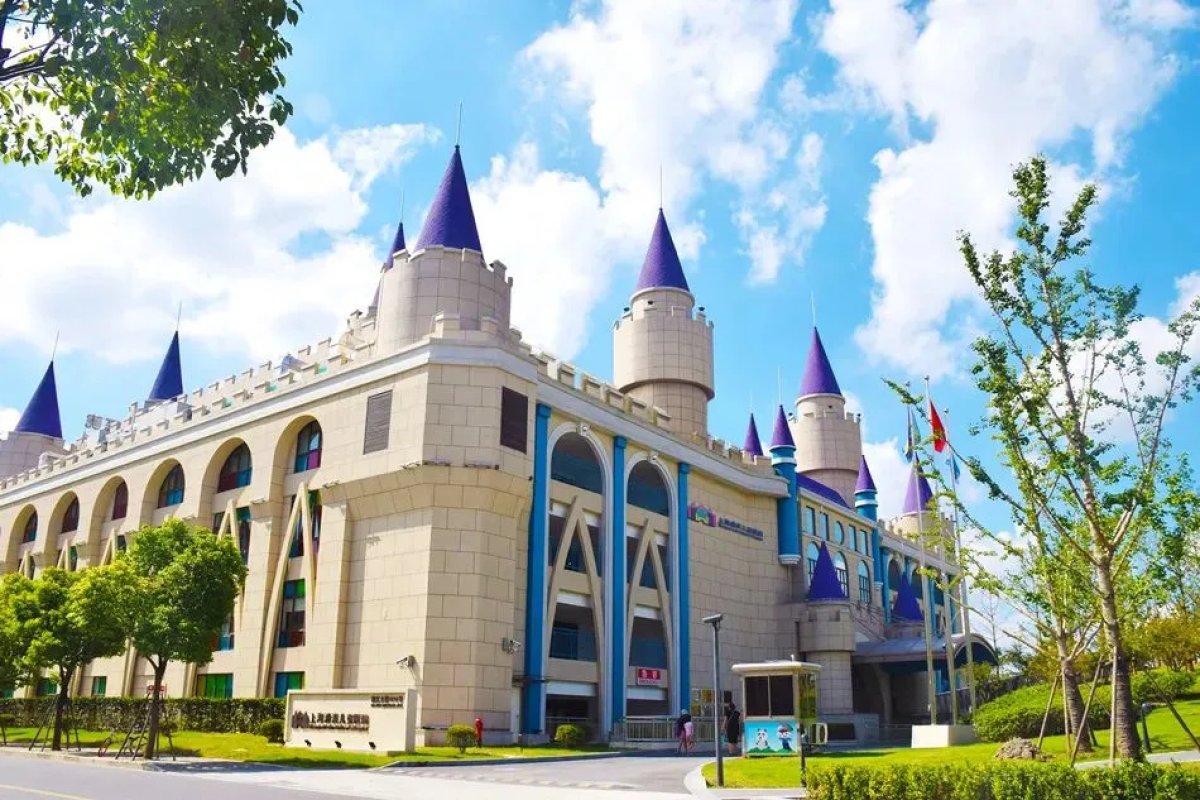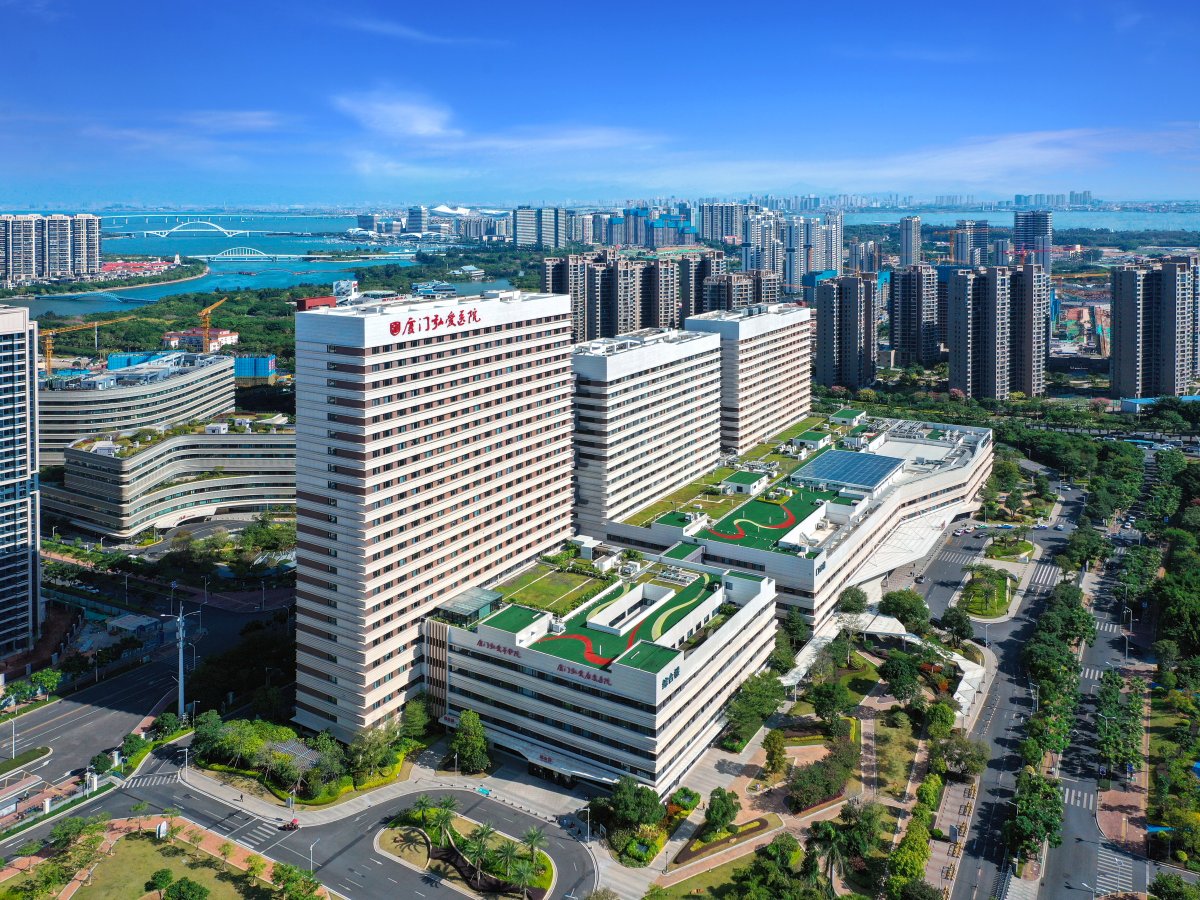
مستشفى شيامن هيومانيتي
الصين, شيامن


تمت مراجعة المقالة طبيا من قبل
فهد مولود
| الصين | تركيا | إسبانيا | |
|---|---|---|---|
| جراحة الفتق الإربي | ≈ $2,800 | من $4,300 | من $4,500 |
| إصلاح الفتق الإربي بالمنظار | ≈ $6,400 | من $4,800 | من $9,100 |
Bookimed لا يضيف رسوماً إضافية على أسعار علاج الفتق الإربي. الأسعار مأخوذة من قوائم الأسعار الرسمية للعيادات. تدفع مباشرة في العيادة مقابل علاجك عند وصولك إلى البلد.
Bookimed ملتزم بسلامتك. نحن نعمل فقط مع المؤسسات الطبية التي تحافظ على معايير دولية عالية في علاج الفتق الإربي ولديها التراخيص اللازمة لخدمة المرضى الدوليين في جميع أنحاء العالم.
Bookimed يقدم مساعدة خبراء مجانية. منسق طبي شخصي يدعمك قبل وأثناء وبعد العلاج، ويحل أي مشاكل. لن تكون وحيداً أبداً في رحلة علاج الفتق الإربي.

الدكتور وانغ تشينغ مدير قسم المسالك البولية وخبير دولي في جراحة المسالك بالمنظار. كان من الرواد في الاستئصال الجذري للمثانة بالمنظار مع إعادة بناء مثانة بديلة من القولون السيني بنوع WZ، وفي استئصال البروستاتا بطريقة وو. تشمل خبراته أورام المسالك البولية، والجراحة طفيفة التوغل، وأمراض البروستاتا، وحصوات المسالك البولية.
تشمل كفاءاته الاستئصال الجذري للبروستاتا بالمنظار، وإعادة زرع الحالب في المثانة، ورأب الوصل الحويضي الحالبي المفصّل بالمنظار، وتنظير الحالب المرن مع تفتيت الحصيات بتقنيا
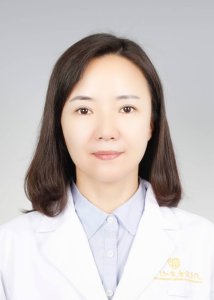
الأستاذة ليانغ شياوشياو مديرة القسم ورئيسة الأطباء في إعادة التأهيل العصبي. تحمل درجة الماجستير في طب الأعصاب. متمرسة في التعديل العصبي لاضطرابات الوعي والإدراك والحركة. يتركز عملها على حالات ناجمة عن أمراض الأوعية الدموية الدماغية، ومرض باركنسون، وحالات ذات صلة. كما تُجري حقن توكسين البوتولينوم بتوجيه الموجات فوق الصوتية لعلاج تشنج الجفن، وتشنج نصف الوجه، وتشنج الأطراف، وفرط سيلان اللعاب، وآلام الأعصاب.
الاعتمادات والمناصب: عضوة في لجان إعادة التأهيل العصبي، وإعادة تأهيل اضطرابات الإد

 Anna Leonova
في الصين، يُعدّ التدخل الجراحي العلاج الأمثل الوحيد للفتق الإربي. أما الطرق غير الجراحية، كالضمادات أو الطب التقليدي، فتُخفف الأعراض فقط ولا تُعالج العيب الخلقي في جدار البطن. وتؤكد الإرشادات الصينية على ضرورة التدخل الجراحي لتجنب المضاعفات كالاختناق.
رأي خبراء بوكيمد: تعالج المستشفيات الصينية متعددة التخصصات، مثل مستشفى شيامن الإنساني، أكثر من مليون مريض سنويًا. يضمن هذا العدد الهائل وجود فرق جراحية عالية الكفاءة لإجراء العمليات الروتينية. غالبًا ما تُعطي المستشفيات الكبيرة غير الربحية الأولوية للأقسام ذات الحجم الكبير، مثل الجراحة العامة. في مثل هذه المرافق الحديثة، قد يواجه المرضى فترات انتظار أقصر لجراحة الفتق. تأكد دائمًا مما إذا كانت العيادة تقبل مرضى من منطقتك.
ما هي التقنيات الجراحية الأكثر شيوعاً في المستشفيات الصينية؟
تُستخدم الجراحة طفيفة التوغل بشكل أساسي في المستشفيات الصينية، حيث تُشكل تقنيات التنظير البطني والروبوتية ما يصل إلى 80% من إجمالي العمليات الجراحية. وغالبًا ما تجمع المؤسسات الطبية بين دقة الجراحة الغربية والطب الصيني التقليدي، بهدف تخفيف الألم وتسريع التعافي بعد الجراحة.
رأي خبراء بوكيمد: على الرغم من أن المراكز الرائدة تروج لتقنيات التدخل الجراحي المحدود، إلا أن الجراحة التجميلية المفتوحة باستخدام الشبكة لا تزال هي السائدة. وتشير بيانات المستشفيات الحكومية إلى أن الجراحين يفضلون التقنيات المفتوحة لسرعتها وفعاليتها من حيث التكلفة. وتعالج مؤسسات مثل مستشفى شيامن الإنساني مليون مريض سنويًا، باستخدام بروتوكولات الرعاية الصحية المتقدمة الحديثة. وينبغي على المرضى الذين يحتاجون إلى رعاية مت
عادةً، يستأنف المرضى أنشطتهم الخفيفة، كالمشي أو العمل المكتبي، في غضون أسبوع إلى أسبوعين. وتتيح جراحة الفتق الإربي بالمنظار في الصين غالباً العودة إلى الأنشطة الطبيعية بشكل أسرع. ويستأنف معظم المرضى ممارسة التمارين الرياضية المعتدلة ورفع أوزان أقل من 4.5 كيلوغرام في غضون ثلاثة إلى أربعة أسابيع.
رأي خبراء بوكيمد: يعالج مستشفى شيامن الإنساني أكثر من مليون مريض سنويًا، مما يجعله مركزًا رئيسيًا للرعاية الصحية المتخصصة. غالبًا ما يرتبط هذا العدد الكبير من المرضى ببروتوكولات جراحية موحدة وأقسام رعاية ما بعد الجراحة فعّالة. يتيح اختيار مستشفى متعدد التخصصات ذي سعة عالية إمكانية الوصول على مدار الساعة إلى فرق العلاج الطبيعي المتخصصة. يساعد هذا الدعم في ضمان لياقت
في الصين، يتلقى المرضى المسنون المصابون بالفتق الإربي علاجًا متخصصًا يراعي الاعتبارات الأسرية ويتبع نهجًا شموليًا. يُعطي الجراحون الأولوية للجراحة التنظيرية لتحقيق الشفاء السريع. مع ذلك، قد تكون الجراحة المفتوحة خيارًا متاحًا للمرضى الأكبر سنًا الأكثر عرضة للخطر. غالبًا ما تُتخذ القرارات الطبية الهامة بمشاركة الأبناء البالغين لضمان الانسجام الأسري.
رأي خبراء بوكيمد: يعالج مستشفى شيامن الإنساني أكثر من مليون مريض سنويًا في 47 قسمًا. يتيح هذا الحجم الكبير من الرعاية تطوير بروتوكولات مُحسّنة للمرضى المسنين. تُشير البيانات إلى أن المراكز المتخصصة تُعطي الأولوية لسلامة المرضى، حيث تضم أكثر من 1000 سرير للمرضى الداخليين
يُعدّ برنامج الجراحة الخارجية بروتوكولاً سريرياً يخضع فيه المرضى للجراحة ويُصرّح لهم بالخروج من المستشفى خلال 24 ساعة. ويشترط للالتحاق بهذا البرنامج التمتع بصحة مستقرة، تُصنّف عادةً ضمن الفئة الأولى أو الثانية حسب تصنيف الجمعية الأمريكية لأطباء التخدير (ASA). ويعتمد هذا النموذج على تقنيات طفيفة التوغل، مثل إصلاح الفتق الإربي بالمنظار، لتسريع فترة التعافي في المنزل.
رأي خبراء بوكيمد: في الصين، تخدم المستشفيات الجامعية غير الربحية، مثل مستشفى شيامن الإنساني، أكثر من مليون مريض سنويًا. غالبًا ما تُعطي المؤسسات الطبية الكبيرة الأولوية للجراحة الخارجية لتحسين استغلال طاقتها الاستيعابية التي تبلغ 1000 سرير. استفسر عن جراحة الشبكة غير الملحومة، فهذه التقنية هي الإجراء الأكثر شيوعًا في العيادات الخارجية.
ما هي النقاط الرئيسية التي يجب أن أناقشها مع جراحي قبل العملية؟
لضمان إجراء جراحة فتق إربي آمنة، احرص على استشارة جراحك بشأن التقنية الجراحية المُستخدمة، ونوع الشبكة الجراحية، والتخدير. من الضروري مناقشة نسب نجاح الجراحة وإحصائيات عودة الفتق مع جراحك. خلال الاستشارة، ناقش معه متى يمكنك العودة بأمان إلى العمل، وممارسة الرياضة، والقيادة.
رأي خبراء بوكيمد: بينما يركز الكثيرون على حجم المستشفيات العادية، تعالج المراكز المتخصصة، مثل مستشفى شيامن الإنساني، مليون مريض سنويًا. غالبًا ما يرتبط هذا العدد الكبير بمستوى عالٍ من المهارة الجراحية في عمليات إصلاح الفتق الروتينية. اسأل دائمًا جراحك عما إذا كان يُجري 50 عملية إصلاح فتق على الأقل سنويًا. توفر المؤسسات الطبية الكبيرة في الصين عادةً وصولًا أسرع إلى أحدث أنواع الشبكات الجراحية الخالية من التوتر.