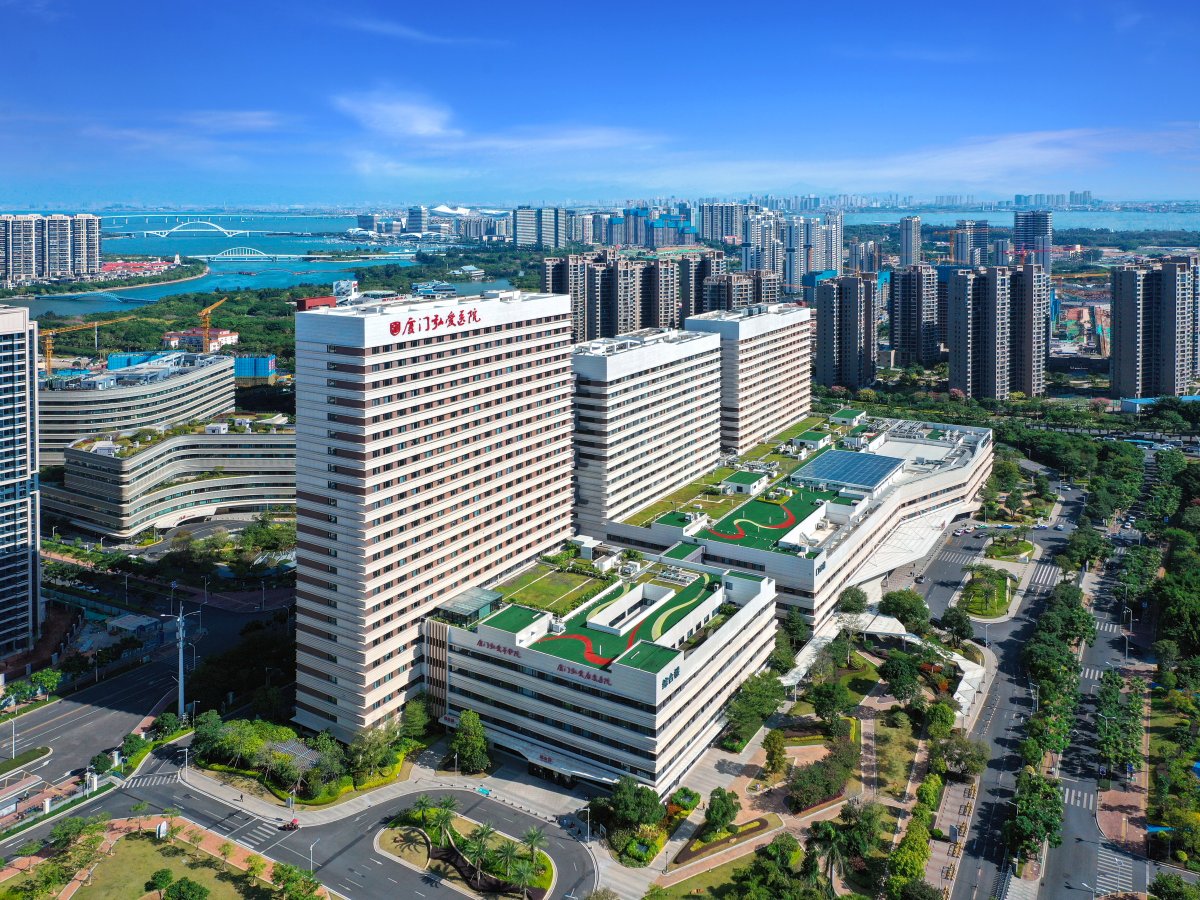
مستشفى شيامن هيومانيتي
الصين, شيامن


تمت مراجعة المقالة طبيا من قبل
فهد مولود
Bookimed لا يضيف رسوماً إضافية على أسعار علاج ورم الغدة اللعابية. الأسعار مأخوذة من قوائم الأسعار الرسمية للعيادات. تدفع مباشرة في العيادة مقابل علاجك عند وصولك إلى البلد.
Bookimed ملتزم بسلامتك. نحن نعمل فقط مع المؤسسات الطبية التي تحافظ على معايير دولية عالية في علاج ورم الغدة اللعابية ولديها التراخيص اللازمة لخدمة المرضى الدوليين في جميع أنحاء العالم.
Bookimed يقدم مساعدة خبراء مجانية. منسق طبي شخصي يدعمك قبل وأثناء وبعد العلاج، ويحل أي مشاكل. لن تكون وحيداً أبداً في رحلة علاج ورم الغدة اللعابية.

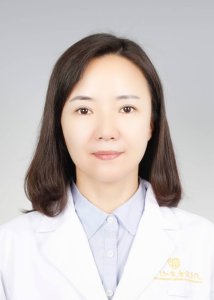
الأستاذة ليانغ شياوشياو مديرة القسم ورئيسة الأطباء في إعادة التأهيل العصبي. تحمل درجة الماجستير في طب الأعصاب. متمرسة في التعديل العصبي لاضطرابات الوعي والإدراك والحركة. يتركز عملها على حالات ناجمة عن أمراض الأوعية الدموية الدماغية، ومرض باركنسون، وحالات ذات صلة. كما تُجري حقن توكسين البوتولينوم بتوجيه الموجات فوق الصوتية لعلاج تشنج الجفن، وتشنج نصف الوجه، وتشنج الأطراف، وفرط سيلان اللعاب، وآلام الأعصاب.
الاعتمادات والمناصب: عضوة في لجان إعادة التأهيل العصبي، وإعادة تأهيل اضطرابات الإد
 Anna Leonova
في الصين، يُعدّ الاستئصال الجراحي الكامل العلاج الأساسي لأورام الغدد اللعابية. ويُحدد الجراحون الصينيون مدى الجراحة بناءً على درجة خباثة الورم وحجمه وموقعه التشريحي. وفي المراكز المتخصصة، يُدمج الاستئصال الجذري غالبًا مع تقنيات العلاج الإشعاعي المتقدمة، مثل المعالجة الإشعاعية الموضعية باليود-125، في حالات الأورام الخبيثة.
رأي خبراء بوكيمد: بينما تتخصص العيادات الصغيرة في الجراحة العامة، تعمل المستشفيات الصينية الرائدة متعددة التخصصات، مثل مستشفى شيامن
تستخدم الصين تقنيات متقدمة للعلاج الإشعاعي، بما في ذلك العلاج الإشعاعي بأيونات الكربون (CIRT) والعلاج الإشعاعي بالبروتونات (PBT)، لعلاج أورام الغدد اللعابية. تستهدف هذه التقنيات الأورام الخبيثة المقاومة للإشعاع، مثل سرطان الغدد اللعابية الكيسي. وتستخدم مراكز متخصصة العلاج الإشعاعي المعدل الشدة، مما يسمح بحماية البنى الحيوية كالدماغ والعصب البصري.
رأي خبراء بوكيمد: تُظهر البيانات المتعلقة بحجم الرعاية الطبية المقدمة مدى اتساع نطاق هذا
تستخدم فرق الجراحة الصينية الرائدة تقنيات مراقبة الأعصاب أثناء الجراحة (IONM) والنمذجة الرقمية ثلاثية الأبعاد عالية الدقة لحماية العصب الوجهي. ترسم هذه الأنظمة خرائط تفرعات العصب في الوقت الفعلي. ويستخدم الجراحون تقنية التشريح المجهري تحت التكبير لفصل الغدة عن العصب. تحافظ هذه الاستراتيجية متعددة الوسائط على وظائف الوجه.
رأي خبراء بوكيمد: تعالج المراكز الكبيرة متعددة التخصصات، مثل مستشفى شيامن الإنساني، مليون مريض سنويًا. يُمكّن هذا العدد الهائل من المرضى الفرق الجراحية من توحيد بروتوكولات الحفاظ على الأعصاب في 47 قسمًا متخصصًا. يرتبط ارتفاع عدد المرضى عادةً بمستوى أعلى من الخبرة الجراحية في الحالات المعقدة لأورام الفص الع
يُعدّ مستشفى شنغهاي التاسع الشعبي ومستشفى غرب الصين لطب الأسنان من المراكز الصينية الرائدة في علاج سرطان الغدد اللعابية. وتتخصص هاتان المؤسستان في علاج سرطانات الوجه والفكين المعقدة وسرطانات الرأس والرقبة. كما تعالجان أكبر عدد من المرضى في البلاد المصابين بأورام خبيثة في الغدد اللعابية النكفية وتحت الفك السفلي.
رأي خبراء بوكيمد: يتميز مستشفى شيامن الإنساني بكونه مركزًا رئيسيًا متعدد التخصصات، يخدم مليون مريض سنويًا. وبينما تتخصص مراكز علاج السرطان الكبرى في الجراحة، فإن هذا المستشفى معتمد لإجراء التجارب السريرية من المرحلة الأولى إلى الرابعة. وهذا ما يجعله خيارًا استراتيجيًا للمرضى الذين يسعون للحصول على علاجات جديدة لسرطان الرأس وا
يُعدّ الطب الصيني التقليدي شريكًا أساسيًا للطب الغربي في علاج الأورام في الصين. ويستخدم ما يقارب 80% من مرضى السرطان بروتوكولات علاجية شاملة تتضمن الطب العشبي والوخز بالإبر. كما يستخدم الأطباء الطب الصيني التقليدي للحدّ من الآثار الجانبية المصاحبة للعلاج الإشعاعي، مثل الغثيان وجفاف الفم.
رأي خبراء بوكيمد: ينبغي على المرضى إعطاء الأولوية لمؤسسات مثل مستشفى شيامن الإنساني، المعتمدة لإجراء التجارب السريرية. توفر هذه المراكز بيئة أكثر أمانًا لدمج الطب الصيني التقليدي مع العلاجات الغربية المتقدمة. تعالج المستشفيات الكبيرة متعددة التخصصات مليون مريض سنويًا، وتراقب بشكل أفضل التفاعلات الدوائية والأعشاب. يضمن تلقي العلاج في المؤسسات البحثية عدم تعارض العلاجات التكاملية مع العمليات الجراحي
في الصين، تنسق فرق متعددة التخصصات علاج سرطان الغدد اللعابية ضمن نظام مركزي متعدد التخصصات. يدمج هذا النموذج جراحة الأورام، وعلم الأمراض، وتخطيط العلاج الإشعاعي. يستخدم أكثر من 80% من المستشفيات العامة الصينية هذا الهيكل لعلاج الأورام الخبيثة المعقدة، مما يضمن التشخيص السريع والتسلسل الدقيق للعلاج.
رأي خبراء بوكيمد: يعتمد نجاح التنسيق على حجم العمل في العيادة وبنيتها التحتية البحثية. يعالج مستشفى شيامن الإنساني مليون مريض سنويًا، وهو معتمد لإجراء التجارب السريرية من المرحلة الأولى إلى الرابعة. غالبًا ما تمتلك المستشفيات ذات الأحجام الكبيرة من المرضى والقدرات العالية على إجراء التجارب السريرية أقسامًا
تستغرق جراحة الغدد اللعابية في الصين عادةً من 10 إلى 14 يومًا للمرضى الدوليين. يشمل ذلك من يومين إلى أربعة أيام لإجراء التصوير قبل الجراحة والحصول على الموافقة عليها. وتستمر فترة الإقامة في المستشفى عادةً من 3 إلى 7 أيام. ويُطلب من المرضى إحضار جميع العينات النسيجية ونتائج التصوير بالتباين.
رأي خبراء بوكيمد: يعالج مستشفى شيامن الإنساني أكثر من مليون مريض سنويًا في 47 قسمًا. غالبًا ما يؤدي هذا العدد الكبير من المرضى إلى تسريع مواعيد العمليات الجراحية بعد دخولهم المستشفى. ينبغي على المرضى الدوليين إعطاء الأولوية للمراكز المتخصصة التي تُجري تجارب سريرية على الأدوية والأجهزة الطبية. عادةً ما تمتلك هذه المراكز أحدث المعدات لمراقبة ال