العودة إلى الصفحة الرئيسية
820К+ مريضًا حصلوا على المساعدة منذ عام 2014
50 دول
1,500 عيادات
6K+ تقييمات
3K+ طبيب مؤهل

ما هي تكلفة كيس البنكرياس إجراءات التشخيص والعلاج في الصين؟ اعرف الآن

السعر يقدم بعد الطلب

مزاياك وضماناتك مع Bookimed

أسعار مباشرة

Bookimed لا يضيف رسوماً إضافية على أسعار علاج كيس البنكرياس. الأسعار مأخوذة من قوائم الأسعار الرسمية للعيادات. تدفع مباشرة في العيادة مقابل علاجك عند وصولك إلى البلد.

عيادات وأطباء معتمدون فقط

Bookimed ملتزم بسلامتك. نحن نعمل فقط مع المؤسسات الطبية التي تحافظ على معايير دولية عالية في علاج كيس البنكرياس ولديها التراخيص اللازمة لخدمة المرضى الدوليين في جميع أنحاء العالم.

مساعدة مجانية على مدار الساعة

Bookimed يقدم مساعدة خبراء مجانية. منسق طبي شخصي يدعمك قبل وأثناء وبعد العلاج، ويحل أي مشاكل. لن تكون وحيداً أبداً في رحلة علاج كيس البنكرياس.


لماذا نحن؟

منسقك الطبي الشخصي في Bookimed

  • يدعمك في كل مرحلة
  • المساعدة في اختيار العيادة الطبية المناسبة والطبيب المناسب
  • يضمن الوصول السريع والمريح إلى المعلومات

احصلوا على تقييم طبي لـ كيس البنكرياس في الصين: استشيروا أطباء ذوي خبرة الآن

عرض جميع الأطباء
يؤكد

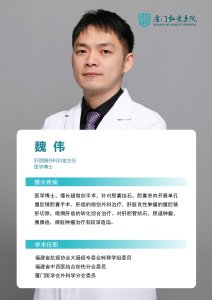
Wei Wei

16سنة خبره ١٦ سنة

د. وي وي، دكتور في الطب، مدير قسم جراحة الكبد والطرق الصفراوية والبنكرياس.

متخصص في الجراحات طفيفة التوغّل فائقة الصِغَر. تشمل إجراءاته استئصال المرارة بالمنظار عبر منفذ واحد لعلاج حصوات المرارة والسلائل، والعلاج طفيف التوغّل لسرطان الكبد، والاستئصال الكبدي بالمنظار للأورام الكبدية الحميدة. كما يجري العلاج التحويلي لسرطان الكبد المتقدم. ويعالج تحصي القنوات الصفراوية داخل الكبد، وأورام الطرق الصفراوية، وسرطان البنكرياس، وأورام الطحال.

تشمل عضوياته المهنية مجموعة النقائل التابعة للجنة سرطان القولون والمستقيم برابطة فوجيان لمكافحة السرطان. وهو أيضًا عضو في شعبة الإصابات بجمعية فوجيان للطب التكاملي، وفي شعبة الجراحة بجمعية شيامن الطبية.

مشاركة المحتوى

Twitter XLinkedinFacebookWhatsAppEmail
أحصل على الرابط

قصص فيديو من مرضى Bookimed

Dayana
جمعت بين إجازتي في أنطاليا والفحص الطبي.
إجراء: فحص صحة الإناث (انظر فحص النساء)
Igor
كان رائعاً! التنقلات والإقامة والعلاج - كل شيء مشمول.
إجراء: زرع الأسنان
مستشفى: WestDent Clinic
Marina
قام Bookimed بكل شيء من أجلي. لم أضطر للقلق بشأن أي شيء.
إجراء: فحص صحة الإناث (انظر فحص النساء)
مستشفى: Severance Hospital
محدث: 11/10/2025
تأليف
Anna Leonova
Anna Leonova
رئيس فريق تسويق المحتوى
محررة طبية معتمدة لديها خبرة تزيد عن 10 سنوات، طوّرت محتوى Bookimed الموثوق، مدعومة بماجستير في علم اللغة ومقابلات مع خبراء طبيين من جميع أنحاء العالم.
تمت المراجعة من قبل المستشار الطبي في Bookimed
فهد مولود
محرر طبي وعالم بيانات
طبيب عام. حاصل على 4 جوائز علمية. خدم في غرب آسيا. رئيس الفريق الطبي الناطق بالعربية سابقا ومسؤول عن معالجة البيانات ودقة المحتوى الطبي حاليا.
فهد مولود Linkedin
قد تحتوي هذه الصفحة على معلومات تتعلق بمختلف الحالات الطبية والعلاجات وخدمات الرعاية الصحية المتوفرة في بلدان مختلفة. يرجى العلم أن المحتوى مقدم لأغراض إعلامية فقط ولا ينبغي تفسيره على أنه نصيحة أو إرشادات طبية. يرجى استشارة طبيبك أو أخصائي طبي مؤهل قبل البدء أو تغيير العلاج الطبي.

أسئلة متكررة حول علاج كيس البنكرياس في الصين

هذه الأسئلة الشائعة مأخوذة من مرضى حقيقيين يبحثون عن رعاية طبية عبر Bookimed. يتم تقديم الإجابات من قبل منسقين طبيين ذوي خبرة وممثلين موثوقين من العيادات.

What type of pancreatic cyst do I have, and does it have malignant potential?

Identifying a pancreatic cyst requires analyzing radiology or pathology reports for mucinous or non-mucinous features. Pseudocysts and serous cystadenomas are typically benign. In contrast, mucinous cystic neoplasms and intraductal papillary mucinous neoplasms are precancerous. These require careful monitoring or surgery to prevent malignancy.

  • Pseudocysts: Benign fluid collections often following pancreatitis. They lack malignant potential.
  • Serous cystadenomas: Non-mucinous, fluid-filled lesions that are almost universally benign.
  • Mucinous neoplasms: Precancerous cysts found in the pancreatic body or tail.
  • High-risk stigmata: Risk factors include size over 3 cm and solid nodules.

Bookimed Expert Insight: Chinese hepatobiliary centers like Xiamen Humanity Hospital often employ specialized departments for pancreatic surgery. Dr. Wei Wei focuses on ultra-minimally invasive techniques for complex cases. Large tertiary hospitals in China utilize high patient volumes to refine diagnostic accuracy for incidental cysts. This expertise is vital for distinguishing benign serous lesions from premalignant mucinous types.

Patient Consensus: Patients note that being told a cyst is probably benign still causes significant anxiety. They recommend asking specifically if a cyst has mucinous features or connects to the pancreatic duct.

Can my pancreatic cyst just be monitored, or do I need immediate surgery?

Most pancreatic cysts are monitored via regular imaging rather than immediate surgery. Doctors recommend watchful waiting for small, stable, and asymptomatic cysts. Surgery is reserved for cases showing high-risk features like rapid growth, solid components, or pancreatic duct dilation to prevent malignancy.

  • Asymptomatic monitoring: Cysts under 3 centimeters usually require only routine MRI or CT scans.
  • Surgical triggers: Rapid growth or mural nodules indicate a higher risk of being cancerous.
  • Duct involvement: Widening of the main pancreatic duct often necessitates a surgical evaluation.
  • Minimally invasive options: Chinese centers like Xiamen Humanity Hospital utilize single-port laparoscopic surgery for precision.
  • Ductal blockages: Cysts causing jaundice by pressing on bile ducts require urgent intervention.

Bookimed Expert Insight: While many general hospitals suggest traditional surgery, tertiary centers like Xiamen Humanity Hospital specialize in ultra-minimally invasive techniques. Dr. Wei Wei focuses on single-port laparoscopic approaches for hepatobiliary cases. This method can significantly reduce recovery time compared to standard open procedures for complex pancreatic removals.

Patient Consensus: Patients note that monitoring is a proactive process requiring strict adherence to scan schedules. Many report feeling more comfortable after getting a second opinion from a specialist in hepatobiliary surgery.

What specific worrisome features do Chinese doctors look for?

Chinese doctors identify worrisome features in pancreatic cysts by analyzing imaging for solid mural nodules. Specialized surgeons like Dr. Wei Wei at Xiamen Humanity Hospital monitor cysts for main pancreatic duct dilation. These clinical markers suggest a higher risk of malignancy. Clinicians prioritize rapid growth over static measurements.

  • Mural nodules: Presence of solid components or enhancing walls inside the cyst.
  • Duct enlargement: Main pancreatic duct dilation indicates potential communication with the cyst.
  • Growth rate: Rapid interval changes on serial scans signal higher clinical concern.
  • Physical symptoms: Combined findings include jaundice, unexplained weight loss, or persistent pain.

Bookimed Expert Insight: Xiamen Humanity Hospital serves over 1,000,000 patients annually and functions as a major tertiary center. This high volume allows specialists like Dr. Wei Wei to focus on ultra-minimally invasive techniques. For pancreatic cases, they often use single-port laparoscopy to reduce recovery time. Modern Chinese oncology centers prioritize early resection if imaging shows even minor duct abnormalities.

Patient Consensus: Patients note that doctors escalate concern quickly if reports mention suspicious phrases like enhancing walls. Fast action often follows uncertainty in imaging rather than waiting for a confirmed diagnosis.

What surgical options are common in major Chinese medical centers?

Major Chinese medical centers provide advanced surgical options ranging from robotic-assisted resections to minimally invasive tissue-sparing procedures. Tertiary hospitals utilize platforms like the da Vinci system for complex hepatobiliary and pancreatic surgeries. These facilities maintain high-volume departments specializing in both radical tumor removals and organ-preserving techniques.

  • Minimally invasive surgery: Laparoscopic and robotic-assisted approaches are now standard for many procedures.
  • Pancreatic resections: Centers perform Whipple procedures, distal pancreatectomies, and specialized central pancreatectomies.
  • Tissue-sparing techniques: Enucleation is reserved for small, low-risk cystic tumors to preserve function.
  • Advanced diagnostics: High-volume hospitals use endoscopic ultrasound-guided sampling for precise preoperative cyst diagnosis.

Bookimed Expert Insight: Patient volume is a primary indicator of surgical proficiency in China. Xiamen Humanity Hospital serves 1,000,000 patients annually with 460 doctors. Specialized surgeons like Dr. Wei Wei focus exclusively on hepatobiliary and pancreatic cases. This high caseload often leads to mastery in ultra-minimally invasive single-port techniques.

Patient Consensus: Patients note that major centers prioritize decisive action over watchful waiting for suspicious cysts. Many emphasize choosing surgeons who perform high annual volumes of specific pancreatic resections.

Are there alternative non-surgical treatments available if I am unfit for surgery?

Chinese centers offer non-surgical management for pancreatic cysts through active surveillance and interventional gastroenterology. Doctors use endoscopic ultrasound with fine-needle aspiration to assess malignancy risk. For high-risk patients unfit for surgery, specialists may utilize endoscopic drainage or stenting to manage symptomatic pseudocysts effectively.

  • Active surveillance: Regular monitoring using MRI or CT scans tracks cyst changes.
  • Diagnostic aspiration: Fine-needle aspiration helps classify cyst types to avoid unnecessary procedures.
  • Endoscopic drainage: This manages pseudocysts by placing internal stents to relieve pressure.
  • Conversion therapy: Advanced medication protocols aim to stabilize lesions in frail patients.

Bookimed Expert Insight: Xiamen Humanity Hospital stands out for managing complex cases with 47 specialized departments. This scale is vital for patients unfit for surgery because it allows multidisciplinary teams to manage comorbid conditions. Dr. Wei Wei specializes in conversion therapy, which can stabilize advanced hepatobiliary conditions without immediate invasive intervention.

Patient Consensus: Patients note that getting an exact cyst diagnosis is the most critical first step. Many found that if surgery is too risky, doctors often prefer watchful waiting over active intervention.

Where should I go for pancreatic cyst treatment in China?

Seek pancreatic cyst treatment at specialized tertiary hospitals in Shanghai, Beijing, or Xiamen. Leading centers offer Endoscopic Ultrasound and DaVinci robotic surgery. Chinese medical hubs use multidisciplinary teams to differentiate benign lesions from precancerous cysts. Selection of high-volume academic institutions ensures access to advanced molecular staging.

  • Specialized departments: Ruijin Hospital hosts a dedicated, one-stop pancreatic disease diagnosis and treatment center.
  • Surgical expertise: Dr. Wei Wei at Xiamen Humanity Hospital specializes in ultra-minimally invasive surgery.
  • Advanced diagnostics: Top centers utilize MRI, MRCP, and Endoscopic Ultrasound for precise cyst fluid analysis.
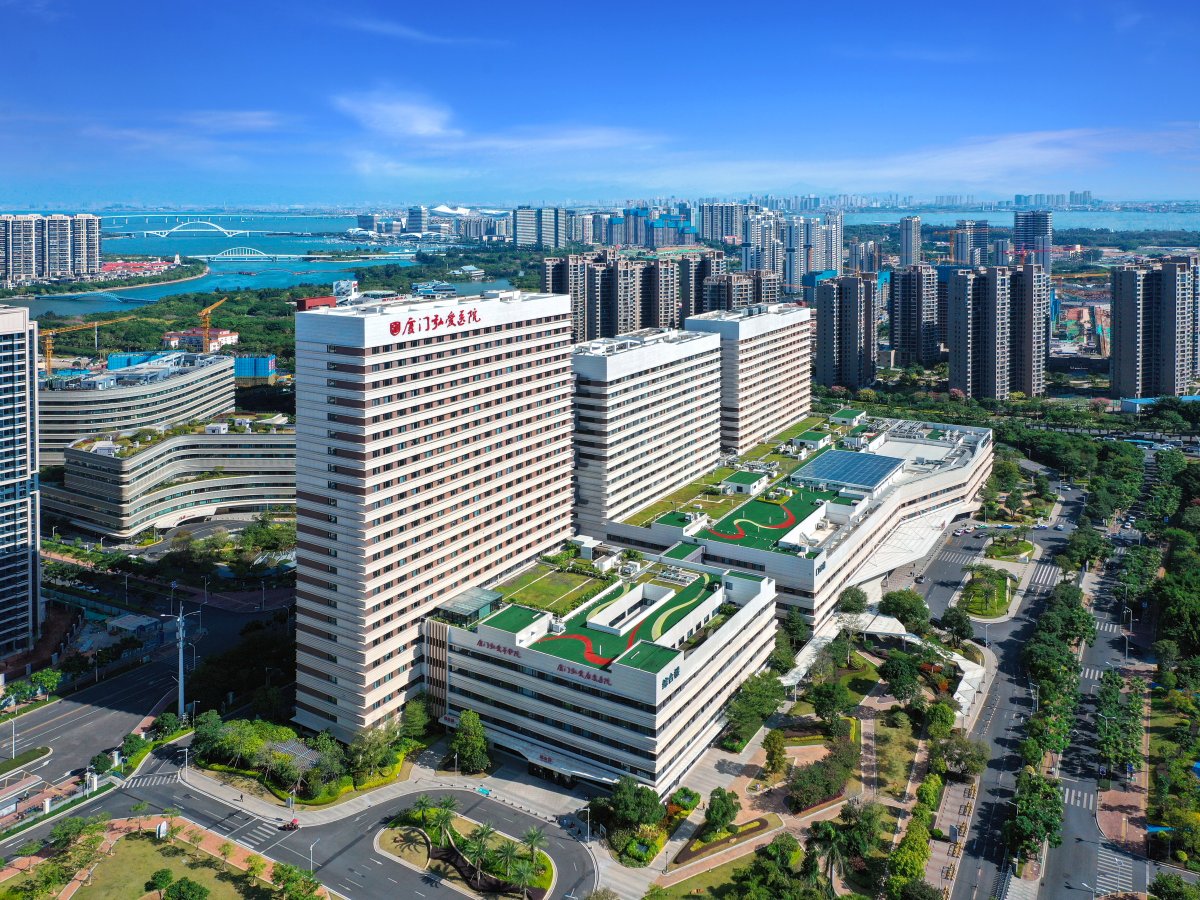
  • Hospital volume: Xiamen Humanity Hospital serves 1,000,000 patients annually across 47 clinical departments.

Bookimed Expert Insight: While major hubs like Shanghai are traditional choices, Xiamen Humanity Hospital offers a unique advantage for international patients. As a large not-for-profit tertiary center with 1,000 beds, it provides high-volume expertise under specialists like Dr. Wei Wei. This clinic is accredited for Phase I-IV drug trials. This suggests patients may access the latest pharmaceutical protocols for complex cases that standard hospitals might overlook.

Patient Consensus: Patients emphasize that misclassification is the biggest risk and advise seeking second opinions at major teaching hospitals. Most note that bringing original DICOM imaging files is essential for an accurate multidisciplinary review.

What should I expect for post-operative recovery and long-term care?

Recovery after pancreatic cyst surgery in China involves a hospital stay for safe stabilization. Patients often transition to home care within 14 days. Long-term care focuses on digestive health and blood sugar monitoring. Specialist centers in Xiamen focus on minimally invasive techniques to accelerate healing.

  • Hospital stay: Expect 7 to 14 days for monitoring vital signs and stabilization.
  • Physical activity: Start walking early to prevent clots and maintain lung function.
  • Lifelong surveillance: Follow-up imaging depends on the specific pathology of your pancreatic cyst.
  • Wound management: Strenuous lifting is restricted for 4 to 6 weeks after your procedure.

Bookimed Expert Insight: Xiamen Humanity Hospital serves over 1,000,000 patients annually with a dedicated pancreatic department. Dr. Wei Wei specializes in ultra-minimally invasive techniques. These single-port procedures often lead to smaller incisions and faster initial recovery phases. High-volume centers like this provide integrated support for postoperative monitoring.

Patient Consensus: Patients note that digestive changes like nausea and bloating are common early on. Dividing daily food intake into small, frequent meals helps manage energy and appetite levels.

احصل على استشارة مجانية

حدد أفضل طريقة للاتصال بك