العودة إلى الصفحة الرئيسية
820К+ مريضًا حصلوا على المساعدة منذ عام 2014
50 دول
1,500 عيادات
6K+ تقييمات
3K+ طبيب مؤهل

ما هي تكلفة حصوات اللعاب إجراءات التشخيص والعلاج في الصين؟ اعرف الآن

السعر يقدم بعد الطلب

مزاياك وضماناتك مع Bookimed

أسعار مباشرة

Bookimed لا يضيف رسوماً إضافية على أسعار علاج حصوات اللعاب. الأسعار مأخوذة من قوائم الأسعار الرسمية للعيادات. تدفع مباشرة في العيادة مقابل علاجك عند وصولك إلى البلد.

عيادات وأطباء معتمدون فقط

Bookimed ملتزم بسلامتك. نحن نعمل فقط مع المؤسسات الطبية التي تحافظ على معايير دولية عالية في علاج حصوات اللعاب ولديها التراخيص اللازمة لخدمة المرضى الدوليين في جميع أنحاء العالم.

مساعدة مجانية على مدار الساعة

Bookimed يقدم مساعدة خبراء مجانية. منسق طبي شخصي يدعمك قبل وأثناء وبعد العلاج، ويحل أي مشاكل. لن تكون وحيداً أبداً في رحلة علاج حصوات اللعاب.

لماذا نحن؟

منسقك الطبي الشخصي في Bookimed

  • يدعمك في كل مرحلة
  • المساعدة في اختيار العيادة الطبية المناسبة والطبيب المناسب
  • يضمن الوصول السريع والمريح إلى المعلومات

مشاركة المحتوى

Twitter XLinkedinFacebookWhatsAppEmail
أحصل على الرابط

قصص فيديو من مرضى Bookimed

Dayana
جمعت بين إجازتي في أنطاليا والفحص الطبي.
إجراء: فحص صحة الإناث (انظر فحص النساء)
Igor
كان رائعاً! التنقلات والإقامة والعلاج - كل شيء مشمول.
إجراء: زرع الأسنان
مستشفى: WestDent Clinic
Marina
قام Bookimed بكل شيء من أجلي. لم أضطر للقلق بشأن أي شيء.
إجراء: فحص صحة الإناث (انظر فحص النساء)
مستشفى: Severance Hospital
محدث: 11/10/2025
تأليف
Anna Leonova
Anna Leonova
رئيس فريق تسويق المحتوى
محررة طبية معتمدة لديها خبرة تزيد عن 10 سنوات، طوّرت محتوى Bookimed الموثوق، مدعومة بماجستير في علم اللغة ومقابلات مع خبراء طبيين من جميع أنحاء العالم.
تمت المراجعة من قبل المستشار الطبي في Bookimed
فهد مولود
محرر طبي وعالم بيانات
طبيب عام. حاصل على 4 جوائز علمية. خدم في غرب آسيا. رئيس الفريق الطبي الناطق بالعربية سابقا ومسؤول عن معالجة البيانات ودقة المحتوى الطبي حاليا.
فهد مولود Linkedin
قد تحتوي هذه الصفحة على معلومات تتعلق بمختلف الحالات الطبية والعلاجات وخدمات الرعاية الصحية المتوفرة في بلدان مختلفة. يرجى العلم أن المحتوى مقدم لأغراض إعلامية فقط ولا ينبغي تفسيره على أنه نصيحة أو إرشادات طبية. يرجى استشارة طبيبك أو أخصائي طبي مؤهل قبل البدء أو تغيير العلاج الطبي.

أسئلة متكررة حول علاج حصوات اللعاب في الصين

هذه الأسئلة الشائعة مأخوذة من مرضى حقيقيين يبحثون عن رعاية طبية عبر Bookimed. يتم تقديم الإجابات من قبل منسقين طبيين ذوي خبرة وممثلين موثوقين من العيادات.

What are the advanced, non-surgical treatment options for salivary stones in China?

China specializes in gland-preserving treatments for salivary stones using advanced micro-endoscopy and shockwave technologies. Leading tertiary hospitals prioritize interventional sialendoscopy to remove obstructions without surgery. These methods reach stones via natural duct openings. This approach preserves the salivary gland and avoids visible scarring.

  • Interventional sialendoscopy: Surgeons use 0.8 mm scopes to capture stones with micro-baskets.
  • Intracorporeal lithotripsy: Holmium:YAG lasers fragment larger stones directly inside the salivary duct.
  • Extracorporeal lithotripsy: External acoustic waves pulverize stones trapped deep within gland tissues.
  • Ductal dilation: Specialized micro-balloons widen narrow ducts to improve natural stone clearance.

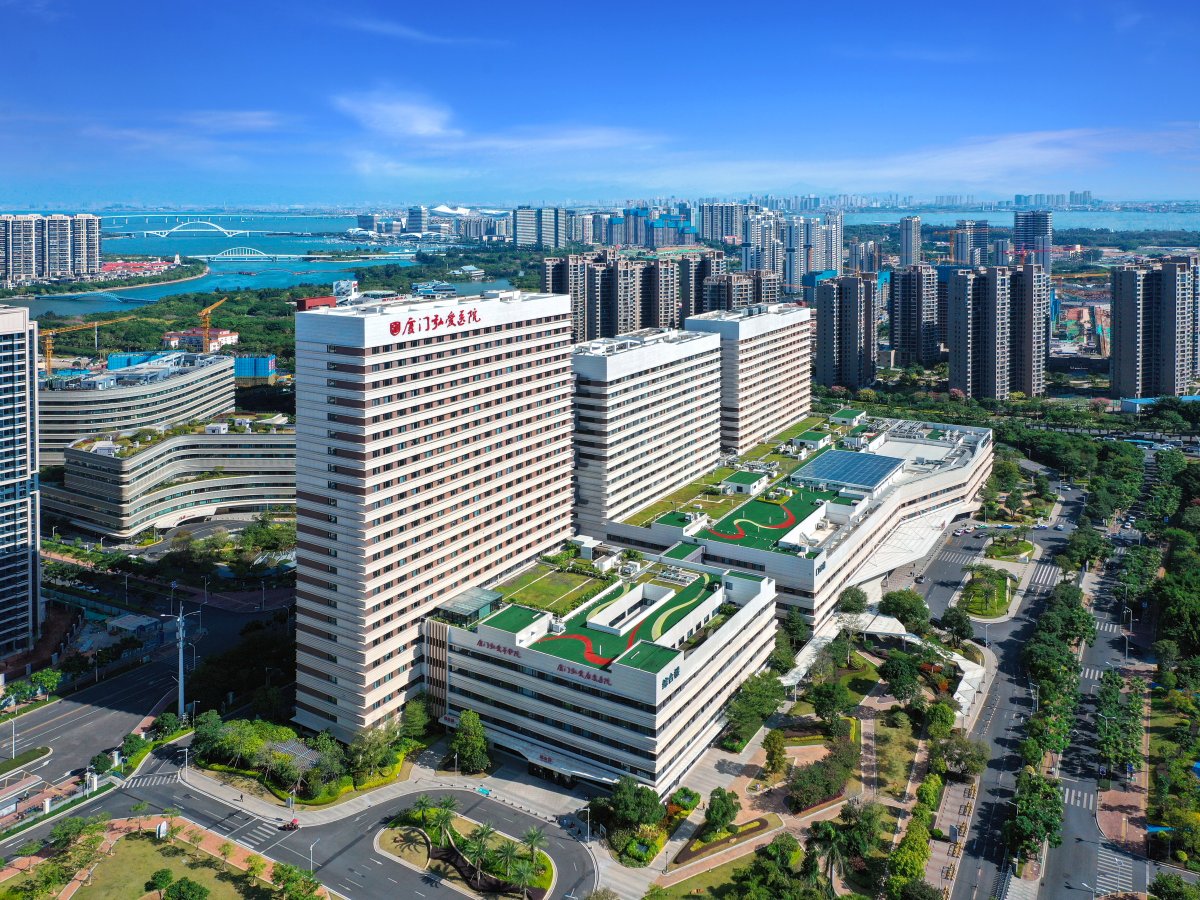
Bookimed Expert Insight: Chinese tertiary centers like Xiamen Humanity Hospital manage massive patient volumes. This scale drives high technical proficiency in complex endoscopic procedures. Specialists here often combine external shockwaves with internal endoscopy. This dual approach achieves a 90% success rate for gland preservation. Patients should target 1,000+ bed academic facilities for these specific sub-specialties.

Patient Consensus: Patients note that swelling triggered by eating is the primary warning sign. They often find that while antibiotics help infections, the stone must be removed. Many emphasize choosing clinics with dedicated oral-maxillofacial teams rather than general departments.

Is it still necessary to remove the entire salivary gland?

Gland removal is no longer mandatory for salivary stones. Modern Chinese medical centers prefer gland-preserving techniques like sialendoscopy. Surgeons reserve total excision for malignant tumors or irreversible chronic infections. This approach maintains saliva production while reducing risks of nerve damage and visible scarring.

  • Sialendoscopy protocol: Micro-endoscopes remove stones via natural ducts without external neck incisions.
  • Gland preservation: Specialists prioritize saving the submandibular gland if functional tissue remains.
  • Surgical triggers: Full removal occurs for deep tumors or severely scarred, non-functional glands.
  • Alternative methods: Lasers or tiny baskets shatter and retrieve stones during minimally invasive procedures.

Bookimed Expert Insight: China's tertiary hospitals like Xiamen Humanity Hospital manage over 1,000,000 patients annually across 47 departments. This massive volume often leads to high specialization in minimally invasive ductal surgery. Patients should verify if a clinic offers combined approaches, as staged treatments are common for complex or multiple stones.

Patient Consensus: Patients emphasize that gland removal is a major surgery. Many suggest asking for a secondary scan to confirm if the gland is still functional before agreeing to total excision.

What anesthesia is used and how long is the recovery?

Doctors use local anesthesia for simple intraoral salivary stone extractions in China. Larger or deeper stones requiring sialendoscopy typically necessitate general anesthesia or IV sedation. Recovery is fast with most patients returning home and eating on the same day after minor procedures.

  • Local anesthesia: Used for minor removals. Patients stay fully awake and alert immediately.
  • General anesthesia: Reserved for complex duct work. Expect 24 to 48 hours for clearance.
  • Initial recovery: Most swelling and tenderness peak within the first 24 to 48 hours.
  • Functional return: Patients report near-normal function after 2 to 5 days of healing.

Bookimed Expert Insight: Tertiary centers like Xiamen Humanity Hospital manage over 1,000,000 patients annually. This massive volume suggests highly standardized anesthesia protocols. Large Chinese general hospitals often prefer general anesthesia for sialendoscopy to ensure total duct stability. This approach may extend initial recovery by 24 hours but improves clinical precision.

Patient Consensus: Patients note that recovery feels more annoying than painful due to jaw swelling and dry mouth. Many emphasize that staying hydrated and using warm compresses helps manage the tightness felt after surgery.

Are Traditional Chinese Medicine (TCM) therapies used to support salivary stone recovery?

Traditional Chinese Medicine (TCM) therapies support salivary stone recovery by managing inflammation and stimulating saliva production. These methods complement standard Western treatments like sialendoscopy. Practitioners often use herbal medicine or acupuncture. These techniques help the body flush out stones under 5mm in size naturally.

  • Herbal medicine: Specific formulas function as natural sialagogues to increase hydrostatic pressure.
  • Acupuncture therapy: This method regulates fluid balance and improves local blood circulation.
  • Tui Na massage: Manual therapy helps physically guide small stones toward the duct opening.
  • Clinical limitations: Large or jagged stones require surgical intervention from ENT specialists.

Bookimed Expert Insight: Hospitals like Xiamen Humanity Hospital operate as tertiary facilities with 47 specialized departments. Large Chinese medical centers typically integrate traditional methods with modern diagnostic tools within one building. This allows doctors to verify if TCM is successfully moving a stone via imaging. Patients should choose centers that offer both ENT surgery and traditional departments for safety.

Patient Consensus: Patients note that TCM works best for managing soreness and swelling after a procedure. Many emphasize that while herbs help with comfort, mechanical removal is usually required for a full fix.

احصل على استشارة مجانية

حدد أفضل طريقة للاتصال بك

