العودة إلى الصفحة الرئيسية

كيف نعمل؟

لقد قمنا بتحويل عملية البحث عن العيادة، وجعلناها بسيطة وسريعة وشخصية.
أجب عن بعض الأسئلة املأوا استمارة قصيرة لتخبرونا عن حالتكم الصحية واحتياجاتكم الطبية.
احصل على عروض مخصصة٣ عيادات تم اختيارها بعناية بناءً على إجاباتك، ستقدّم خطط علاج وتقديرات تكلفة مخصصة لك.
اختر الخيار الأفضلقارن بين العروض واختر العيادة الأنسب لك.
يمكنك أيضًا تصفح 2 عيادة أدناه.
820К+ مريضًا حصلوا على المساعدة منذ عام 2014
50 دول
1,500 عيادات
6K+ تقييمات
3K+ طبيب مؤهل

ما هي تكلفة ندوب الجرويد إجراءات التشخيص والعلاج في الصين؟ اعرف الآن

السعر يقدم بعد الطلب

اكتشف أفضل ندوب الجرويد العيادات في الصين: 2 خيارات معتمدة والأسعار

تم تصنيف العيادات بواسطة نظام Bookimed الذكي، باستخدام تحليل علوم البيانات عبر 5 معايير رئيسية.
Yanda International Hospital
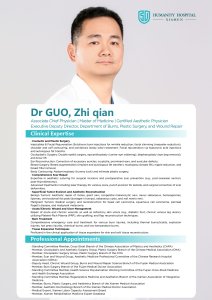
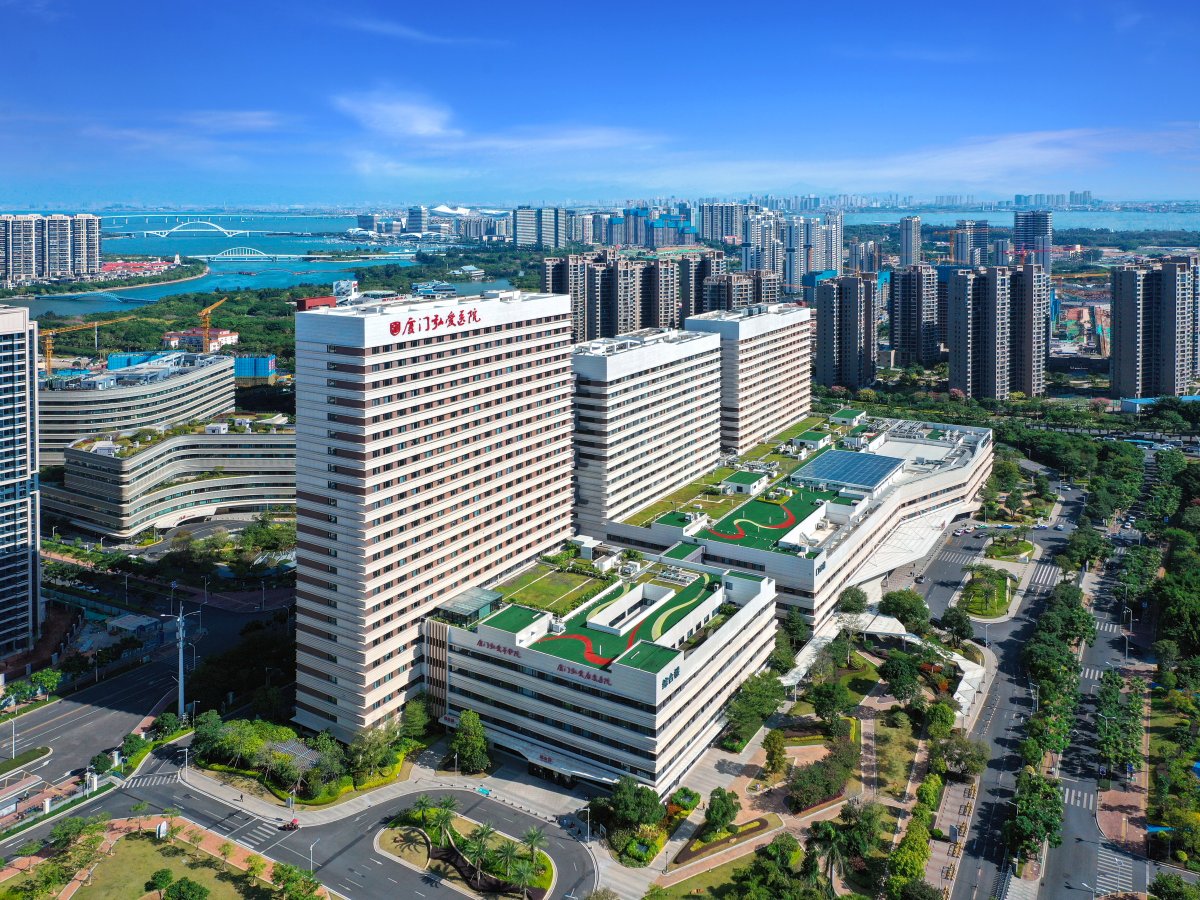
مستشفى شيامن هيومانيتي

مشاركة المحتوى

Twitter XLinkedinFacebookWhatsAppEmail
أحصل على الرابط

قصص فيديو من مرضى Bookimed

Dayana
جمعت بين إجازتي في أنطاليا والفحص الطبي.
إجراء: فحص صحة الإناث (انظر فحص النساء)
Igor
كان رائعاً! التنقلات والإقامة والعلاج - كل شيء مشمول.
إجراء: زرع الأسنان
مستشفى: WestDent Clinic
Marina
قام Bookimed بكل شيء من أجلي. لم أضطر للقلق بشأن أي شيء.
إجراء: فحص صحة الإناث (انظر فحص النساء)
مستشفى: Severance Hospital
محدث: 11/10/2025
تأليف
Anna Leonova
Anna Leonova
رئيس فريق تسويق المحتوى
محررة طبية معتمدة لديها خبرة تزيد عن 10 سنوات، طوّرت محتوى Bookimed الموثوق، مدعومة بماجستير في علم اللغة ومقابلات مع خبراء طبيين من جميع أنحاء العالم.
تمت المراجعة من قبل المستشار الطبي في Bookimed
فهد مولود
محرر طبي وعالم بيانات
طبيب عام. حاصل على 4 جوائز علمية. خدم في غرب آسيا. رئيس الفريق الطبي الناطق بالعربية سابقا ومسؤول عن معالجة البيانات ودقة المحتوى الطبي حاليا.
فهد مولود Linkedin
قد تحتوي هذه الصفحة على معلومات تتعلق بمختلف الحالات الطبية والعلاجات وخدمات الرعاية الصحية المتوفرة في بلدان مختلفة. يرجى العلم أن المحتوى مقدم لأغراض إعلامية فقط ولا ينبغي تفسيره على أنه نصيحة أو إرشادات طبية. يرجى استشارة طبيبك أو أخصائي طبي مؤهل قبل البدء أو تغيير العلاج الطبي.

أسئلة متكررة حول علاج ندوب الجرويد في الصين

هذه الأسئلة الشائعة مأخوذة من مرضى حقيقيين يبحثون عن رعاية طبية عبر Bookimed. يتم تقديم الإجابات من قبل منسقين طبيين ذوي خبرة وممثلين موثوقين من العيادات.

What are the most common keloid treatments available in China?

Keloid treatments in China utilize a comprehensive strategy combining surgical excision, radiotherapy, and intralesional injections to manage high recurrence risks. Standard protocols include corticosteroid cocktails with 5-fluorouracil and advanced laser therapies like CO2 fractional lasers. JCI-accredited facilities often integrate Traditional Chinese Medicine with international clinical standards.

  • Injection therapy: Specialists use triamcinolone acetonide mixed with chemotherapeutic agents to soften scar tissue.
  • Adjuvant radiotherapy: Post-surgical electron beam or X-ray therapy typically begins within 24 hours of excision.
  • Laser technology: Pulsed Dye and Nd:YAG lasers improve scar color and texture in aesthetic clinics.
  • Integrated medicine: Topical botanical compounds like Asiaticoside are used to inhibit thickness during the healing phase.

Bookimed Expert Insight: Yanda International Hospital in Beijing demonstrates the scale of China's Tier III medical system. This facility serves 2,500,000 patients annually and maintains 3,000 beds. For keloid patients, this high volume means surgeons handle complex cases daily. Their JCI accreditation confirms that these massive-scale operations still meet strict international safety and quality benchmarks.

Patient Consensus: Patients note that combining injections with laser therapy yields better results than any single method. Many suggest researching real results on local apps like Dianping before selecting a board-certified dermatologist.

How do Chinese doctors prevent keloids from coming back?

Chinese doctors prevent keloid recurrence by combining tension-reduction surgery with immediate postoperative radiation and medication. Specialists prioritize starting electron beam radiation therapy within 24 to 48 hours of excision. This multi-modal approach effectively inhibits fibroblast activity to stop scar regrowth in high-risk skin types.

  • Triple-therapy approach: Combines surgical excision, radiation, and steroid injections for maximum efficacy.
  • Tension-reduction techniques: Surgeons use Z-plasty and deep sutures to relieve skin stress.
  • Postoperative radiation: Doctors start electron beam therapy immediately after surgery to block regrowth.
  • Chinese herbal medicine: Specialized topical ointments like Wubeizi help modulate scar-forming signaling pathways.

Bookimed Expert Insight: Data from major Chinese medical centers suggests that Class A Level III clinics offer the highest success. Facilities like Yanda International Hospital serve millions of patients per year using over 28,500 modern technologies. For keloid patients, this high volume typically means surgeons have extensive experience with Asian skin-specific protocols. Choosing these top-tier academic institutions often ensures access to integrated traditional and international treatments.

Patient Consensus: Patients emphasize that missing even one step of the 12-month pressure therapy or radiation schedule often leads to regrowth. They note that strict compliance with custom silicone sheets and immediate follow-up is vital for a smooth recovery.

Is Traditional Chinese Medicine (TCM) used for keloids?

Traditional Chinese Medicine (TCM) is used as a complementary therapy for keloid scars in China. Centers like Yanda International Hospital combine traditional approaches with modern international protocols. Treatments include herbal ointments, acupuncture, and oral formulas. These aim to improve scar texture and reduce itching.

  • Herbal therapy: Topical applications like Wubeizi ointment may help suppress excessive collagen growth.
  • Acupuncture techniques: Needling around the scar perimeter helps relieve local pain and tension.
  • Internal formulas: Oral herbal teas address blood stasis to support healthy tissue regeneration.
  • Integrated care: Top-tier Class A level III clinics often combine TCM with clinical dermatology.

Bookimed Expert Insight: Yanda International Hospital serves 2,500,000 patients annually and holds JCI accreditation. This high volume shows that China's top academic centers bridge the gap. They use proven modern surgery alongside traditional methods. This dual approach provides a comprehensive safety net for complex skin cases.

Patient Consensus: Patients note that herbal remedies work slowly and are best used as supplements. Many suggest using medical injections or lasers as primary treatments for stubborn keloid tissue.

Are there specific recommendations for children with keloids?

Childhood keloid recommendations prioritize non-invasive prevention and specialized pediatric care. Effective strategies include using silicone therapy and pressure garments immediately after wound closure. Avoiding elective procedures like ear piercings is vital for children with known keloid tendencies to prevent new growth.

  • Silicone therapy: Apply gel sheets 12+ hours daily for up to 6 months.
  • Pressure garments: Wear specialized compression 24 hours daily to flatten active keloid tissue.
  • Sun protection: Use SPF 30+ to prevent permanent darkening of the scar tissue.
  • Treatment timing: Specialists often suggest observing keloids for 1–2 years before starting interventions.

Bookimed Expert Insight: Analysis of clinical trends shows that surgical excision alone is rarely recommended for children. This is because recurrence rates can reach nearly 100% in pediatric patients. Our data indicates that combined protocols, such as steroid injections paired with laser therapy, offer more sustainable results. Facilities like Yanda International Hospital in Beijing maintain high safety standards through JCI accreditation, though they primarily focus on adult care. For children, seeking a specialized pediatric plastic surgeon who uses multi-modal therapy is essential for long-term success.

Patient Consensus: Parents emphasize that while silicone sheets are effective, keeping them on active children is a constant struggle. Many note that visible scars deeply affect a child's self-esteem, often making psychological support as important as medical treatment.

Which hospitals in China specialize in keloid removal for international patients?

Top hospitals in China for international patients include Yanda International Hospital, Shanghai Ninth People's Hospital, and Peking Union Medical College Hospital. These JCI-accredited facilities specialize in advanced keloid removal. They often combine surgical excision with electronic linear accelerator radiation or specialized laser therapy. This multidisciplinary approach helps prevent regrowth.

  • Expert centers: Shanghai Ninth People's Hospital is a major research hub for advanced scar management.
  • Treatment protocols: Peking Union Medical College Hospital reports high cure rates using combined therapy.
  • Technology: Clinics use Laser Speckle Contrast Imaging to assess 20-30% recurrence risks specifically.
  • Accreditation: Yanda International Hospital maintains JCI standards, serving over 2,500,000 patients annually.

Bookimed Expert Insight: While many choose Beijing for its JCI-accredited volume, Shanghai facilities like Ninth People's Hospital often offer more specialized reconstructive microsurgery. International patients should prioritize hospitals like Yanda that are classified as Class A Level III. This designation signifies the highest tier of medical care and resource availability in China.

Patient Consensus: Patients note that Mandarin remains a significant barrier even in cities like Beijing. Many recommend hiring a dedicated translator and requesting a specific portfolio of previous keloid outcomes. Long-term success usually requires staying at least 2 weeks for necessary post-operative radiation protocols.

احصل على استشارة مجانية

حدد أفضل طريقة للاتصال بك