سلس البول العلاج في كوريا الجنوبية - التكاليف 2026


تمت مراجعة المقالة طبيا من قبل
فهد مولود
ما هي تكلفة سلس البول إجراءات التشخيص والعلاج في كوريا الجنوبية؟ اعرف الآن
| كوريا الجنوبية | تركيا | إسبانيا | |
|---|---|---|---|
| جراحة ربط الإحليل السفلي (TVT) | ≈ $2,800 | ≈ $2,400 | ≈ $3,600 |
مزاياك وضماناتك مع Bookimed
أسعار مباشرة
Bookimed لا يضيف رسوماً إضافية على أسعار علاج سلس البول. الأسعار مأخوذة من قوائم الأسعار الرسمية للعيادات. تدفع مباشرة في العيادة مقابل علاجك عند وصولك إلى البلد.
عيادات وأطباء معتمدون فقط
Bookimed ملتزم بسلامتك. نحن نعمل فقط مع المؤسسات الطبية التي تحافظ على معايير دولية عالية في علاج سلس البول ولديها التراخيص اللازمة لخدمة المرضى الدوليين في جميع أنحاء العالم.
مساعدة مجانية على مدار الساعة
Bookimed يقدم مساعدة خبراء مجانية. منسق طبي شخصي يدعمك قبل وأثناء وبعد العلاج، ويحل أي مشاكل. لن تكون وحيداً أبداً في رحلة علاج سلس البول.

منسقك الطبي الشخصي في Bookimed
- يدعمك في كل مرحلة
- المساعدة في اختيار العيادة الطبية المناسبة والطبيب المناسب
- يضمن الوصول السريع والمريح إلى المعلومات
اكتشف أفضل سلس البول العيادات في كوريا الجنوبية: 2 خيارات معتمدة والأسعار
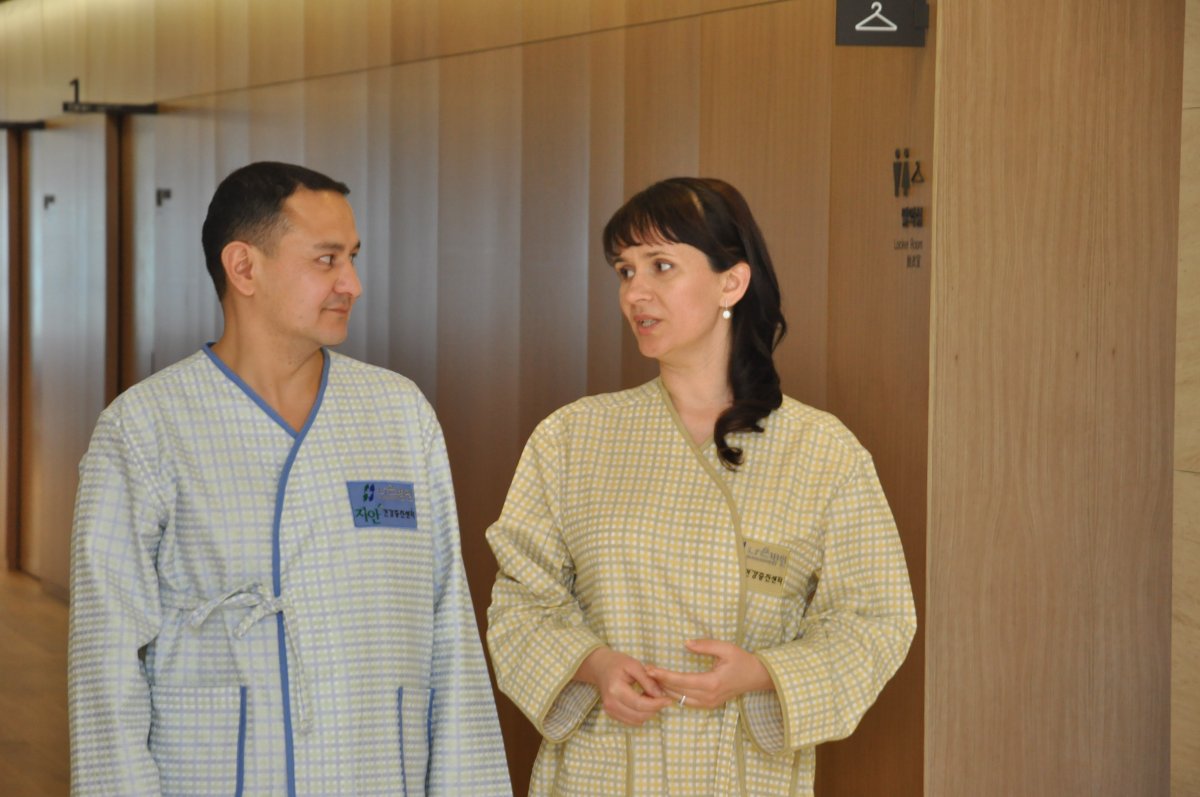
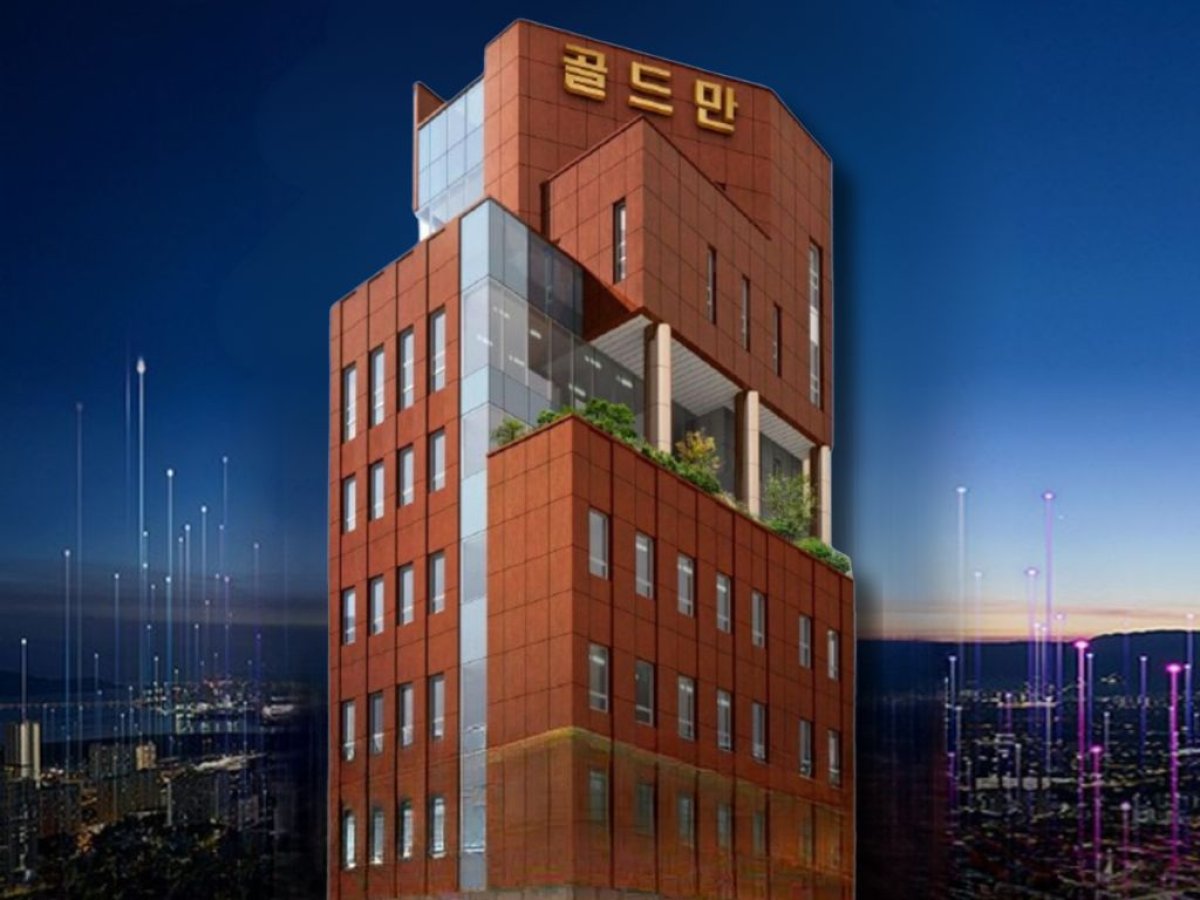
Goldman Urology Clinic Gangnam Branch
احصلوا على تقييم طبي لـ سلس البول في كوريا الجنوبية: استشيروا أطباء ذوي خبرة الآن
عرض جميع الأطباء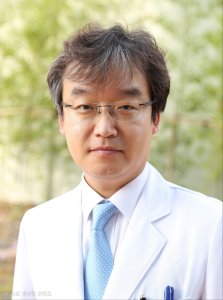
Sohn Dong-wan
الدكتور سون دونغ-وان متخصص في أورام المسالك البولية والسلس البولي والضعف الجنسي. يجري جراحات البروستاتا بالليزر. ويقدم علاجاً روبوتياً وبالتنظير البطني لسرطانات البروستاتا والمثانة والحالب والكلية. كما يعالج انسداد الوصل الحويضي الحالبي.
تشمل ممارساته طفيفة التوغل استئصال الكلية واستئصال البروستاتا بالمنظار. يجري TURBT وTURP بالمنظار المثاني. ويقدم إزالة الحصوات بالليزر عبر المنظار الحالبي واستخراج حصى الكلى عبر الجلد. ويعالج تضخم البروستاتا الحميد (BPH)، والتهاب البروستاتا، وحصوات الم
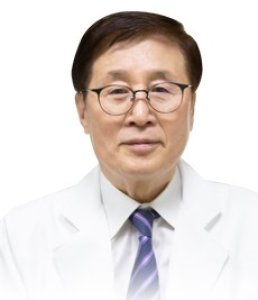
Lee Chunyong
الدكتور لي تشونيونغ طبيب مسالك بولية حاصل على دكتوراه في الطب من كلية الطب بجامعة هانيانغ. يتركز عمله السريري على حصى الكلى والمسالك البولية، بما في ذلك تفتيت الحصى بالموجات الصادمة خارج الجسم (ESWL)، وأمراض البروستات (تضخّم البروستات الحميد BPH، سرطان البروستات، التهاب البروستات)، والضعف الجنسي، وقطع القناة المنوية، والتهاب المثانة، وسلس البول، واضطرابات التبوّل.
شغل منصب مدير مستشفى جامعة هانيانغ. وكان أستاذًا ورئيس قسم المسالك البولية بكلية الطب في جامعة هانيانغ. وتولّى رئاسة الجمعي
Jang Hyunkyung
الدكتورة جانغ هيون كيونغ طبيبة مسالك بولية حاصلة على البورد. أنهت برنامج الإقامة والزمالة السريرية في Gachon University Gil Medical Center. وعملت لاحقًا أستاذة مساعدة إكلينيكية في طب المسالك البولية في Korea University Ansan Hospital وفي International St. Mary’s Hospital.
تشمل اهتماماتها السريرية تضخم البروستاتا الحميد (BPH)، حصيات الجهاز البولي، سلس البول واضطرابات التبول، والتهابات المسالك البولية. كما تركز على مسالك الذكور، ومسالك الأطفال، والتصوير فوق الصوتي للمسالك البولية.
مشاركة المحتوى
قصص فيديو من مرضى Bookimed
 Anna Leonova
أسئلة متكررة حول علاج سلس البول في كوريا الجنوبية
هل أحتاج إلى تأشيرة لكوريا الجنوبية؟
ما هو مستوى الطب في كوريا الجنوبية؟
الرعاية الصحية هي قطاع التنمية الرئيسي للحكومة الكورية. السلطات الكورية مقتنعة بأن رعاية صحة المواطنين يجب أن تكون أولوية غير مشروطة لسياسة الدولة ، وتنفق سنويًا حوالي مليار دولار لجذب السياح الطبيين.
وفقًا لمارك بريتنيل ، تهيمن المستشفيات على نظام الرعاية الصحية. 94٪ من المستشفيات مملوكة للقطاع الخاص.
ما هي أشهر جراحات التجميل؟
وفقًا لإحصاءات ASPS ، تم إجراء 17.7 مليون عملية تجميل و 5.8 مليون عملية ترميمية في عام 2018. تشمل الإجراءات التجميلية الأكثر شيوعًا ما يلي:
- تكبير الثدي
- شفط الدهون
- عملية تجميل الأنف
- جراحة الجفن
- شد البطن.
تعد إزالة الورم ، والتئام الدموع ، وجراحة الوجه والفكين ، ومراجعة الندبات ، وجراحة اليد من أكثر العمليات شيوعًا في سياق الجراحة الترميمية.
ما هي المستندات المطلوبة لتقديم طلب تأشيرة لكوريا الجنوبية للعلاج؟
تتطلب تأشيرات السفر إلى كوريا الجنوبية عددًا من المستندات . يمكن تقديم الأوراق اللازمة قبل 90 يومًا من المغادرة المخطط لها. قائمة الوثائق تشمل:
- بطاقة الهوية
- تأكيد التسجيل عبر الإنترنت وملء الاستبيان
- شهادة الدخل وتوافر الأموال
- بوليصة تأمين للإقامة في كوريا الجنوبية (أصلية ونسخة)
- صورتان (5x6)
- الحصول على تأشيرة
- حجز الطيران والفنادق
- رأي الطبيب في الحاجة للعلاج.
ما الذي تريد معرفته عن كوريا الجنوبية قبل السفر؟
عملة | وون كوري جنوبي (الدفع مقابل الخدمات ممكن أيضًا بالدولار) |
أفضل فترة للسفر | أبريل ومايو ويونيو أو سبتمبر وأكتوبر ونوفمبر. |
لغة | الكورية (معظم الطاقم الطبي يتحدث الإنجليزية بطلاقة) |
تأشيرة | غير مطلوب للإقامة لمدة تصل إلى 90 يومًا أو أقل |
فارق التوقيت مع أوروبا | الساعة 9 |
فارق التوقيت من الولايات المتحدة الأمريكية | الساعة 9 |
عاصمة | سيول |
في كوريا الجنوبية ، توجد فنادق ذات نطاقات أسعار ومستويات خدمة مختلفة. يختار معظم السياح فنادق 4 و 5 نجوم مع وجبات شاملة كليًا. تحتوي هذه الفنادق على كل شيء لإقامة مريحة: طعام متنوع ، منطقة كبيرة جيدة الإعداد ، رسوم متحركة للأطفال والكبار. تحتوي بعض الفنادق على حديقة مائية خاصة بها ، والتي يمكن للضيوف استخدامها مجانًا. يمكن للمسافرين ذوي الميزانية المحدودة حجز فندق اقتصادي من فئة 3 نجوم مع إقامة مع وجبتي طعام أو بدون وجبات على الإطلاق. |