طب الجهاز البولي في إسرائيل — التكاليف 2026


تمت مراجعة المقالة طبيا من قبل
فهد مولود
ما هي تكلفة طب الجهاز البولي في إسرائيل؟ اكتشف الآن
تتراوح تكلفة جراحة المسالك البولية في إسرائيل عادةً ما بين $16,300 و $32,700. تعتمد الأسعار النهائية على مدى تعقيد النهج الجراحي، ومدة الإقامة في المستشفى، والتكنولوجيا المحددة المستخدمة، مثل المساعدة الروبوتية. غالبًا ما يجد المرضى أن رعاية المسالك البولية هنا توفر ما بين 30 إلى 50% مقارنة بالولايات المتحدة.
تكاليف المسالك البولية النموذجية في إسرائيل
- تصوير مقطعي بالإصدار البوزيتروني مع الغاليوم 68 (PSMA): السعر عند الطلب
- فحص أساسي: السعر عند الطلب
- استئصال البروستاتا الروبوتي (دا فينشي): من $25,500
- استئصال الكلية: من $18,000
- استئصال البروستاتا: من $23,000
- نانو نايف (NanoKnife): من $30,000
تقع مراكز المسالك البولية الرئيسية في تل أبيب والقدس ورمات غان. وفي حين أن تكاليف العلاج موحدة نسبيًا، قد يكون للمرافق الخاصة في تل أبيب هياكل تسعير مختلفة لترقيات الغرف. استشر أخصائي مسالك بولية للحصول على تسعير دقيق لاحتياجاتك الطبية المحددة.
| إسرائيل | تركيا | إسبانيا | |
|---|---|---|---|
| نانو نايف NanoKnife | من $30,000 | ≈ $9,500 | ≈ $9,500 |
| الموجات الفوق صوتية عالية التكثيف المركزة HIFU | ≈ $7,500 | من $10,000 | من $8,000 |
| التبخير (باستخدام ليزر GreenLight) | ≈ $6,800 | من $3,000 | من $7,500 |
| استئصال المثانة عبر الاحليل | ≈ $6,500 | من $6,200 | ≈ $4,200 |
| استئصال المثانة | ≈ $28,000 | من $9,000 | من $28,000 |
جميع أمراض طب الجهاز البولي
مزاياك وضماناتك مع Bookimed
أسعار مباشرة
Bookimed لا يضيف رسوماً إضافية على أسعار علاج طب الجهاز البولي. الأسعار مأخوذة من قوائم الأسعار الرسمية للعيادات. تدفع مباشرة في العيادة مقابل علاجك عند وصولك إلى البلد.
عيادات وأطباء معتمدون فقط
Bookimed ملتزم بسلامتك. نحن نعمل فقط مع المؤسسات الطبية التي تحافظ على معايير دولية عالية في علاج طب الجهاز البولي ولديها التراخيص اللازمة لخدمة المرضى الدوليين في جميع أنحاء العالم.
مساعدة مجانية على مدار الساعة
Bookimed يقدم مساعدة خبراء مجانية. منسق طبي شخصي يدعمك قبل وأثناء وبعد العلاج، ويحل أي مشاكل. لن تكون وحيداً أبداً في رحلة علاج طب الجهاز البولي.

منسقك الطبي الشخصي في Bookimed
- يدعمك في كل مرحلة
- المساعدة في اختيار العيادة الطبية المناسبة والطبيب المناسب
- يضمن الوصول السريع والمريح إلى المعلومات
اكتشف أفضل عيادات طب الجهاز البولي: 17 خيارات معتمدة والأسعار












Assaf Harofeh Medical Center




Herzliya Medical Center

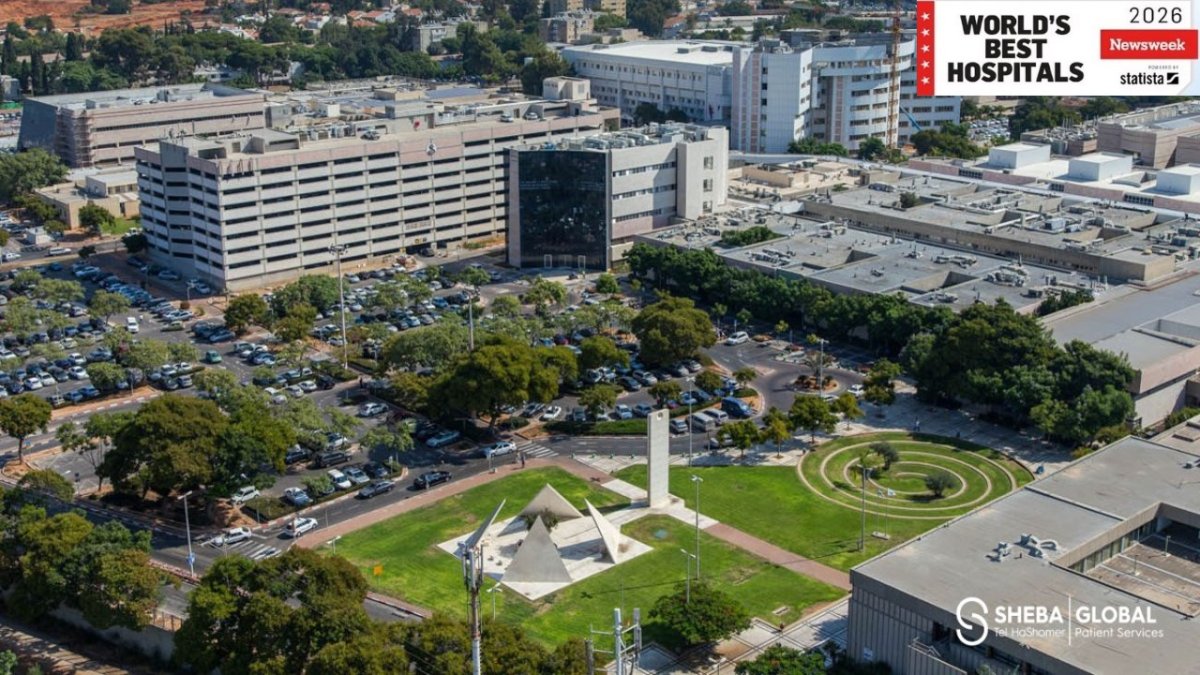
Sheba Tel HaShomer
أفضل مراكز طب الجهاز البولي في إسرائيل
- Sourasky Medical Center (Ichilov), إسرائيل
- مركز شيبا الطبي, إسرائيل
- Assuta Medical Center, إسرائيل
- Hadassah Medical Center, إسرائيل
- Rambam Medical Center, إسرائيل
- Assaf Harofeh Medical Center, إسرائيل
- Schneider Center for Children Medicine, إسرائيل
- Rabin Medical Center, إسرائيل
- Herzliya Medical Center , إسرائيل
- Sheba Tel HaShomer, إسرائيل
احصل على تقييم طبي لـ طب الجهاز البولي في إسرائيل. استشر الآن 26 أطباء ذوي الخبرة.
عرض جميع الأطباء
Yossefovitz Ofer
يقود البروفيسور عوفر يوسفوفيتز قسم مسالك بولية الأورام في مستشفى إيخيلوف، وهو متخصص في الإجراءات الروبوتية وبالمنظار.
- أكثر من 25 عاماً من الخبرة في جراحة المسالك البولية
- تدريب زمالة في مركز ميموريال سلون كيترينج للسرطان
- محاضر أول في كلية ساكلر للطب بجامعة تل أبيب
- عضو في العديد من الجمعيات الدولية للمسالك البولية
- نشر العديد من الأبحاث العلمية في مجال المسالك البولية
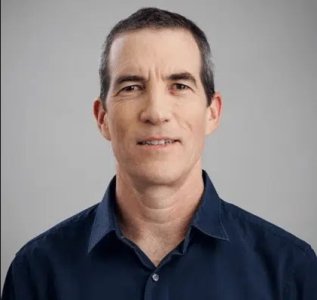
Barak Rosenzweig
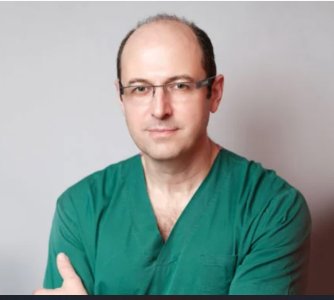
الدكتور باراك روزنزويغ (MD) يدير خدمة أورام المسالك البولية في مركز شيبا الطبي. وهو جرّاح أورام بولية بخبرة تقارب 20 عامًا، يعالج سرطانات المسالك البولية المعقّدة بتقنيات روبوتية وطفيفة التوغّل متقدمة. مُدرج ضمن قائمة «أفضل أطباء إسرائيل» وفق فوربس.
تشمل خبرته أورام البروستاتا والكلية والمثانة والخصية والسبيل البولي العلوي. يجري استئصال البروستاتا الجذري بمساعدة الروبوت، والاستئصال الجزئي المحافظ على الكلية، وتنظير البطن المتقدّم. وتشمل الوسائل التشخيصية خزعة اندماجية موجّهة بتصوير الر
Yuri Goldes
الدكتور يوري غولدس جرّاح عام يتمتع بأكثر من 20 عامًا من الخبرة السريرية. يختص بجراحات الجهاز الهضمي العلوي وجراحة الأورام. يشغل منصب نائب مدير قسم الجراحة العامة وزراعة الأعضاء في مركز شيبا الطبي بتل أبيب، ويرأس وحدة جراحة الجهاز الهضمي العلوي. أُدرِج ضمن قائمة أفضل أطباء فوربس إسرائيل لعام 2025، ومُصنّف ضمن أفضل جراحي الجهاز الهضمي في إسرائيل بحسب فوربس. في 2019، نال جائزة «طبيب العام» من وزارة الصحة الإسرائيلية.
خبير في الجراحة طفيفة التوغل والمتقدمة والروبوتية. يعالج فتق الحجاب الحا

Jacob Ben-chaim
الدكتور بن حاييم هو رئيس اتحاد جراحة المسالك البولية للأطفال في إسرائيل - رائد في عمليات تجميل حوض الكلية بالمنظار طفيفة التوغل للأطفال في مركز سوراسكي الطبي.
- حاصل على زمالة في جراحة المسالك البولية للأطفال من مستشفى جونز هوبكنز
- أبحاث حائزة على جوائز في تقنيات المنظار لأمراض الكلى
- خبرة تزيد عن 30 عامًا في جراحة المسالك البولية للأطفال المتخصصة
- محاضر في كلية ساكلر للطب بجامعة تل أبيب
المراجعات
جميع المراجعاتمواد ذات صلة

ما هو أحدث علاج لضعف الانتصاب؟
كتب بواسطة Mariia Mytrofankina

ما هي تكلفة علاج ضعف الانتصاب في عام 2025؟
كتب بواسطة Mariia Mytrofankina

ما هي تكلفة علاج الورم الحميد (تضخم البروستاتا الحميد)؟
كتب بواسطة Veronika Kazina

ما هي تكلفة علاج التهاب البروستاتا؟
كتب بواسطة Veronika Kazina
مشاركة المحتوى
قصص فيديو من مرضى Bookimed
 Anna Leonova
أسئلة متكررة حول طب الجهاز البولي في إسرائيل
ما هو مستوى الخبرة الذي يقدمه أطباء المسالك البولية الإسرائيليون للمرضى الدوليين؟
يقدم أطباء المسالك البولية الإسرائيليون خبرة عالمية المستوى في الجراحة الروبوتية وأورام المسالك البولية. يحمل العديد من المتخصصين زمالات من مؤسسات مرموقة مثل جامعة جونز هوبكنز وميموريال سلون كيترينج. وتصنف المراكز الرائدة مثل مركز شيبا الطبي ومركز سوراسكي الطبي باستمرار ضمن الأفضل في العالم لرعاية المسالك البولية المعقدة.
- الدقة الروبوتية: يقوم متخصصون مثل الدكتور فلاديمير يوتكين بإجراء عمليات استئصال جزئي للكلية آلياً باستخدام إعادة بناء الكلى ثلاثية الأبعاد.
- نجاح الأورام: تبلغ مراكز الأورام الإسرائيلية عن معدل نجاح متوسط قدره 90% لعلاج حالات الأورام المختلفة.
- التشخيص المتقدم: تستخدم العيادات فحص PET-CT باستخدام Ga-68 PSMA وخزعات دمج الرنين المغناطيسي لتحديد مراحل السرطان بدقة عالية.
- اعتمادات عالمية: يقود أساتذة مثل يوسيفوفيتز عوفر وجاك بانييل أقساماً بخبرة تزيد عن 25 عاماً.
رؤية خبير Bookimed: تظهر البيانات أن المراكز الخاصة مثل مركز أسوتا الطبي تجري أكثر من 92,000 عملية سنوياً. يسمح هذا الحجم الكبير للمرضى باختيار جراحهم المفضل وحتى نوع الغرفة التي يفضلونها. نادراً ما يتوفر هذا المستوى من التخصيص في المستشفيات الجامعية العامة على الرغم من جودة الرعاية الطبية المماثلة.
إجماع المرضى: يشير المرضى إلى أنه على الرغم من أن المهارة الطبية من النخبة، إلا أنه من المفيد الاستعانة بمنسق. يساعد هذا في تجنب أسعار السياح المحتملة ويضمن التواصل السلس مع الفرق الطبية الناطقة بالإنجليزية.
ما مدى أمان إجراءات البروستاتا أو الكلى أو المثانة التي يتم إجراؤها في إسرائيل؟
تعتبر إجراءات المسالك البولية في إسرائيل آمنة للغاية بفضل اعتماد JCI الإلزامي والتكامل الروبوتي المتقدم. تجري مرافق مثل مركز سوراسكي الطبي أكثر من 900 جراحة روبوتية سنويًا. تصل معدلات نجاح استئصال البروستاتا الروبوتي إلى 90% في الحالات المبكرة. تستخدم المراكز المتخصصة أنظمة da Vinci Xi لتقليل المضاعفات.
- اعتمادات العيادات: تحافظ معظم المستشفيات الكبرى، بما في ذلك أسوتا، على معايير سلامة صارمة من اللجنة الدولية المشتركة (JCI).
- التكنولوجيا المتقدمة: يستخدم الجراحون أنظمة da Vinci الروبوتية لاستئصال البروستاتا والكلى بدقة عالية.
- الخبرة المتخصصة: يقوم الدكتور فلاديمير يوتكين في هداسا بإجراء عمليات استئصال جزئي للكلية روبوتياً مع إعادة بناء ثلاثية الأبعاد للكلية.
- نتائج مثبتة: تتميز إجراءات مثل جراحة الليزر HoLEP لمشاكل البروستاتا بمعدلات مضاعفات منخفضة للغاية.
رؤية خبير Bookimed: تظهر البيانات وجود علاقة قوية بين حجم عمليات الجراح والسلامة في طب المسالك البولية الإسرائيلي. يتمتع أساتذة مثل عوفر يوسيفوفيتز في سوراسكي بخبرة تزيد عن 25 عامًا من أفضل المؤسسات الأمريكية. غالبًا ما يقود هؤلاء المتخصصون أقسامًا تجري أكثر من 34,000 عملية سنويًا. يسمح هذا الحجم الكبير للعيادات بتحسين البروتوكولات التي تقلل أوقات التعافي المعتادة إلى 1-2 يوم.
إجماع المرضى: يشير المرضى إلى أن الجراحين الإسرائيليين يقدمون نتائج ممتازة، خاصة في حالات حصوات الكلى وإجراءات البروستاتا. يؤكد الكثيرون أنه على الرغم من ارتفاع التكاليف، فإن الخبرة الطبية
هل تتوفر الجراحة الروبوتية أو بالمنظار على نطاق واسع لعلاج سرطان المسالك البولية وحصوات الكلى؟
تعد الجراحات الروبوتية وبالمنظار علاجات قياسية لسرطانات المسالك البولية في إسرائيل، خاصة في المراكز الكبرى في تل أبيب والقدس وحيفا. تستخدم مرافق مثل مركز سوراسكي الطبي وهداسا نظام دا فينشي لإزالة أورام البروستاتا والكلى بدقة.
- رعاية مرضى السرطان: الجراحة بمساعدة الروبوت هي المعيار الذهبي لأورام البروستاتا والكلى الخبيثة.
- مرض الحصوات: تنظير البطن هو نهج شائع للحصوات المعقدة أو الانسدادات التشريحية.
- الوصول إلى التكنولوجيا: توفر المستشفيات الكبرى مثل رمبام وأسوتا منصات متقدمة بمساعدة الروبوت.
- الخبرة المتخصصة: يقوم جراحون مثل الدكتور فلاديمير يوتكين بإجراء عمليات إعادة بناء الكلى الروبوتية ثلاثية الأبعاد النادرة.
رؤية خبير Bookimed: تتميز جراحة المسالك البولية الروبوتية الإسرائيلية بكونها تعتمد على مراكز ذات حجم عمليات كبير بدلاً من الممارسات الفردية. على سبيل المثال، يخدم مركز هداسا الطبي ما يقرب من 1,000,000 مريض سنوياً. يسمح هذا الحجم الهائل للجراحين بالحفاظ على أعلى مستويات الكفاءة مع نظام دا فينشي. غالباً ما يجد المرضى أنه على الرغم من محدودية الوصول في المناطق الريفية، فإن تركيز التكنولوجيا في مدن مثل تل أبيب يضمن دقة جراحية عالمية المستوى.
إجماع المرضى: يشير المرضى إلى أن استئصال البروستاتا الروبوتي متاح بسهولة مع فترات انتظار قصيرة في المستشفيات الكبرى. غالباً ما يجد أولئك الذين لديهم تأمين خاص أنه من الأسهل الوصول إلى الخيارات الروبوتية مقارنة بإجراءات التنظير الأساسية.
ما هي المدة التي يجب أن يخطط المرضى الدوليون للبقاء فيها بعد جراحة البروستاتا أو الكلى؟
يجب على المرضى الدوليين التخطيط للبقاء في إسرائيل لمدة تتراوح بين 7 إلى 14 يوماً بعد جراحة المسالك البولية. تسمح هذه الفترة الزمنية بتحقيق مراحل التعافي الأساسية مثل إزالة القسطرة والالتئام الأولي. غالباً ما تسمح الإجراءات الروبوتية طفيفة التوغل بالخروج من المستشفى في غضون 1 إلى 3 أيام. يجب على الجراحين تقديم تصريح طبي قبل الرحلات الجوية الطويلة.
- الإقامة في المستشفى: توقع البقاء من ليلتين إلى 4 ليالٍ لإجراءات استئصال البروستاتا الروبوتي أو استئصال الكلى.
- إزالة القسطرة: تحدث هذه المرحلة الحاسمة عادةً بعد 7 إلى 14 يوماً من جراحة البروستاتا.
- سلامة الطيران: يجب على المرضى الانتظار لمدة لا تقل عن 7 إلى 10 أيام قبل السفر جواً.
- ميزة الروبوت: غالباً ما تقلل أنظمة Da Vinci المستخدمة في عيادات تل أبيب من وقت التعافي الإجمالي.
رأي خبير Bookimed: تبلغ مراكز المسالك البولية في إسرائيل، مثل مركز سوراسكي، عن كفاءة عالية مع معدلات نجاح تصل إلى 90% في علاج الأورام. تظهر بياناتنا أن العيادات التي تجري أكثر من 92,000 عملية سنوياً غالباً ما يكون لديها بروتوكولات خروج أكثر انسيابية. اختيار منشأة بها مرافق إعادة تأهيل في الموقع يمكن أن يقلل من فترة الانتقال من المستشفى إلى الفندق. يساعد هذا التركيز المتخصص المرضى الدوليين على العودة إلى ديارهم بأمان خلال النافذة الموصى بها وهي 14 يوماً.
إجماع المرضى: يشير المرضى إلى أهمية حجز فندق بالقرب من المستشفى لإجراء فحوصات المتابعة. وينصحون بإضافة فترة سماح مدتها 5 أيام إذا كان عمرك أكثر من 60
ما هي المدن التي توفر أعلى تركيز لمراكز المسالك البولية الرائدة؟
تُعد تل أبيب المركز الرئيسي للمسالك البولية في إسرائيل، حيث تضم أعلى كثافة من المرافق المعتمدة من قبل اللجنة الدولية المشتركة (JCI). كما توفر المراكز المتخصصة في القدس وحيفا جراحة روبوتية متقدمة وعلاجات أورام متطورة. توفر هذه المواقع إمكانية الوصول إلى أنظمة دافنشي الروبوتية واستشارات المسالك البولية المتخصصة.
- مركز تل أبيب: يهيمن المركز الطبي سوراسكي (إيخيلوف) ومركز أسوتا الطبي على المشهد الحضري.
- تخصص القدس: يقدم مركز هداسا الطبي رعاية متميزة في طب المسالك البولية للأطفال وأورام المسالك البولية الروبوتية.
- تميز حيفا: يقدم مركز رمبام الطبي علاجات قائمة على الأبحاث بقيادة جراحين معترف بهم دولياً.
- التصنيفات الوطنية: تظهر العيادات الرائدة مثل شيبا بشكل متكرر في قوائم نيوزويك لأفضل المستشفيات العالمية.
رؤية خبير Bookimed: توفر عيادات تل أبيب مثل المركز الطبي سوراسكي (إيخيلوف) ميزة فريدة من خلال تركيز العديد من المتخصصين ذوي الخبرة العالية في موقع واحد. تُظهر بياناتنا أن البروفيسور يوسيفوفيتز عوفر والبروفيسور يعقوب بن حاييم يعملان هنا، ويغطيان جراحة الأورام الروبوتية وطب المسالك البولية للأطفال. وهذا يسمح للمرضى بتلقي رعاية متعددة التخصصات دون الحاجة للسفر بين المدن.
إجماع المرضى: يشير المرضى إلى أن تل أبيب والقدس هما الخياران الأكثر موثوقية للعمليات الجراحية المعقدة. يوصي الكثيرون بتخصيص ميزانية للرعاية الخاصة لتجنب فترات الانتظار الطويلة التي غالباً ما توجد في المرافق العامة.
ما هو الدعم بعد الجراحة المقدم للسياح الطبيين بعد الخروج من المستشفى؟
يشمل الدعم بعد الجراحة في إسرائيل التنسيق السريري، والمتابعة الرقمية، ووثائق التعافي المتخصصة قبل المغادرة. يحصل المرضى على شهادة لياقة للطيران بعد استشارة الخروج. تستخدم المراكز الرائدة مثل مركز سوراسكي الطبي (إيخيلوف) ومركز رامبام الطبي الطب عن بعد والسجلات الصحية الإلكترونية (EHR) للمراقبة عن بعد.
- المتابعة الرقمية: توفر العيادات استشارات فيديو مجدولة ومراسلات على مدار الساعة طوال أيام الأسبوع لمراجعة الجروح.
- الوثائق الطبية: يصدر الجراحون تصاريح طيران رسمية وتقارير جراحية مفصلة لأطباء الأسرة المحليين.
- الانتقال الدوائي: يتلقى المرضى إمداداً لمدة 30 يوماً وخطابات للتحقق من الأدوية الموصوفة في الخارج.
- الخبرة الروبوتية: تركز رعاية ما بعد الجراحة لإجراءات دا فينشي على التعافي السريع وبأقل تدخل جراحي.
رؤية خبير Bookimed: تعطي المستشفيات الإسرائيلية مثل هداسا وسوراسكي الأولوية للاستمرارية عالية التقنية من خلال أنظمة السجلات الصحية الإلكترونية المتكاملة. تظهر بياناتنا أن العيادات التي تجري أكثر من 30,000 عملية جراحية سنوياً غالباً ما تمتلك أقساماً دولية مخصصة. تعمل هذه الفرق على تبسيط نقل صور DICOM إلى طبيب المسالك البولية في بلدك. وهذا يضمن حصول طبيبك المحلي على بيانات دقيقة لإدارة التعافي على المدى الطويل.
إجماع المرضى: يشير المرضى إلى أنه من الضروري التأكد من دعم اللغة للفحوصات الافتراضية قبل السفر إلى المنزل. يقترح البعض تخصيص ميزانية لزيارة طبيب محلي في الفندق إذا كانت أوراق الخروج تفترض وجود مساعدة عائلية قريبة.<
لماذا تُعد إسرائيل واحدة من الوجهات الرائدة في جراحة الأعصاب؟
تُعدّ إسرائيل مركزًا رائدًا في جراحة الأعصاب بفضل مزيجها من التطورات الطبية عالية التقنية والخبرات الجراحية المتميزة. وتستخدم مرافق متطورة مثل مركز شيبا الطبي أنظمة ملاحة تعتمد على الذكاء الاصطناعي والتصوير بالرنين المغناطيسي أثناء الجراحة في الوقت الفعلي. وتشير المراكز المتخصصة إلى نسبة نجاح تصل إلى 98% في العمليات الجراحية المعقدة، بما في ذلك جراحة الدماغ مع اليقظة وعلاج اضطرابات الحركة.
- التكنولوجيا المتقدمة: تستخدم العيادات الموجات فوق الصوتية المركزة الموجهة بالرنين المغناطيسي (MRgFUS) والأنظمة الروبوتية لإجراء الشقوق.
- الخبرة الجراحية: يقود جراحون مثل الدكتور تسفي رام جمعيات دولية بخبرة تزيد عن 25 عامًا.
- الوصول السريع: يمكن للمرضى الدوليين عادةً تحديد مواعيد لإجراء عمليات جراحية معقدة في الدماغ أو العمود الفقري في غضون 2-4 أسابيع.
- الرعاية الطبية المعتمدة: المراكز الكبيرة مثل سوراسكي (إيشيلوف) وأسوتا معتمدة من قبل اللجنة الدولية المشتركة، مما يؤكد سلامتها.
رأي خبراء بوكيمد: تُظهر البيانات فرقًا واضحًا بين خيارات العلاج في القطاعين العام والخاص في إسرائيل. تُجري المراكز الخاصة، مثل مركز أسوتا الطبي، أكثر من 92,000 عملية جراحية سنويًا، وتتيح للمرضى اختيار جراح را
ما هي أنواع الأمراض العصبية التي يتم علاجها في إسرائيل؟
يعالج جراحو الأعصاب الإسرائيليون طيفاً واسعاً من الحالات، بدءاً من أورام الدماغ والحبل الشوكي وصولاً إلى الاضطرابات الوظيفية المعقدة. وتستخدم المراكز المتخصصة أحدث التقنيات، مثل جهاز جاما نايف، والتحفيز العميق للدماغ، والتصوير بالرنين المغناطيسي أثناء الجراحة، لتشخيص دقيق للغاية لحالات الصرع، ومرض باركنسون، وأمراض الأوعية الدموية الدماغية.
- الأمراض السرطانية: علاج الأورام الدبقية والأورام السحائية وأورام الغدة النخامية باستخدام استئصال قاعدة الجمجمة.
- الاضطرابات الوظيفية: علاج مرض باركنسون والرعاش الأساسي باستخدام التحفيز العميق للدماغ.
- أمراض العمود الفقري: تصحيح الجنف، وانزلاق الغضروف، وأورام العمود الفقري باستخدام الأنظمة الروبوتية.
- علاج أمراض الأوعية الدموية الدماغية: العلاج الجراحي لتمدد الأوعية الدموية الدماغية والتشوهات الشريانية الوريدية باستخدام التدخلات داخل الأوعية الدموية.
- جراحة الأعصاب للأطفال: رعاية متخصصة لاستسقاء الرأس والتشوهات الخلقية في مراكز طب الأطفال المتخصصة.
رأي خبراء بوكيمد: غالبًا ما تجمع المستشفيات الإسرائيلية بين تخصصات طبية متعددة لمعالجة الحالات المعقدة. ففي مركز سوراسكي ا
ما هي المستشفيات في إسرائيل التي تشتهر بأقسام جراحة الأعصاب فيها؟
تضم إسرائيل مراكز جراحة أعصاب عالمية المستوى، مثل مركز سوراسكي الطبي، ومركز شيبا الطبي، ومركز هداسا الطبي. وتُعدّ هذه المؤسسات رائدة عالميًا في علاج أورام الدماغ المعقدة، وأمراض العمود الفقري، واضطرابات الحركة. وتستخدم أحدث التقنيات، مثل جهاز جاما نايف، والأنظمة الروبوتية، والتصوير بالرنين المغناطيسي أثناء الجراحة.
- سوراسكي (إيخيلوف): يجري أكثر من 2500 عملية جراحية عصبية سنوياً في تل أبيب بنسبة نجاح تبلغ 98%.
- مركز شيبا الطبي: مصنف ضمن أفضل عشرة مستشفيات في العالم، حيث يعالج 1.9 مليون مريض سنوياً.
- مركز هداسا الطبي: مرشح لجائزة نوبل للسلام. رائد في جراحة الأعصاب للأطفال والعلاج الجيني.
- مركز أسوتا الطبي: أكبر منشأة طبية خاصة في إسرائيل. متخصص في جراحات العمود الفقري والدماغ طفيفة التوغل.
- مستشفى شنايدر للأطفال: مركز رائد في جراحة الأعصاب للأطفال، يعالج 275000 طفل سنوياً.
رأي خبراء بوكيمد: تُظهر بياناتنا أنه بينما يلجأ معظم المرضى للعلاج في تل أبيب، يُقدّم مركز رامبام الطبي في حيفا رعايةً فريدةً لإصابات الدماغ. فهو يضم وحدةً متخصصةً للعناية المركزة العصبية تُعالج ما يقارب مليون مريض سنويًا. وهذا ما يجعله
من هم أبرز جراحي الأعصاب في إسرائيل؟
من بين أبرز جراحي الأعصاب الإسرائيليين البروفيسور تسفي رام، والبروفيسور شلومي كونستانتيني، والبروفيسور إسحاق فريد من مركز سوراسكي الطبي. ويشغل هؤلاء المتخصصون مناصب قيادية في الجمعية الأوروبية لجمعيات جراحة الأعصاب (EANS) والجمعية العالمية لجراحة الأعصاب التجسيمية والوظيفية (WSSFN). ويستخدمون تقنيات رسم الخرائط المتقدمة أثناء الجراحة وأنظمة الروبوتات.
- البروفيسور تسفي رام: خبير في جراحة أورام الدماغ طفيفة التوغل والعلاج الجيني للسرطان.
- الأستاذ شلومي كونستانتيني: متخصص في إجراءات التنظير العصبي المعقدة للأطفال والجراحة المجهرية لأورام الدماغ.
- الأستاذ إسحاق فريد: خبير في جراحة الصرع، ورسم خرائط الدماغ الوظيفية، وتحفيز الدماغ العميق.
- الدكتور إيلي أشكينازي: جراح عظام رائد في مستشفى أسوتا، متخصص في نظام TOPS المبتكر.
رأي خبراء بوكيمد: تشير بيانات مركز سوراسكي وشيبا إلى وجود علاقة وثيقة بين ارتفاع عدد العمليات الجراحية وسلامة المرضى. فعلى سبيل المثال، يُجري مركز سوراسكي أكثر من 34,000 عملية جراحية لعلاج الأورام سنويًا بنسبة نجاح تصل إلى 90%. لذا، ينبغي على المرضى الذين يحتاجون إلى استئصال أورام معقدة إعطاء الأولوية لمراكز كهذه، حيث يُجري الجراحون مئات العمليات الجراحية ا