علاج كيس الكلى في كوريا الجنوبية: 8 مستشفيات


تمت مراجعة المقالة طبيا من قبل
فهد مولود
ما هي تكلفة كيس الكلى إجراءات التشخيص والعلاج في كوريا الجنوبية؟ اعرف الآن
مزاياك وضماناتك مع Bookimed
أسعار مباشرة
Bookimed لا يضيف رسوماً إضافية على أسعار علاج كيس الكلى. الأسعار مأخوذة من قوائم الأسعار الرسمية للعيادات. تدفع مباشرة في العيادة مقابل علاجك عند وصولك إلى البلد.
عيادات وأطباء معتمدون فقط
Bookimed ملتزم بسلامتك. نحن نعمل فقط مع المؤسسات الطبية التي تحافظ على معايير دولية عالية في علاج كيس الكلى ولديها التراخيص اللازمة لخدمة المرضى الدوليين في جميع أنحاء العالم.
مساعدة مجانية على مدار الساعة
Bookimed يقدم مساعدة خبراء مجانية. منسق طبي شخصي يدعمك قبل وأثناء وبعد العلاج، ويحل أي مشاكل. لن تكون وحيداً أبداً في رحلة علاج كيس الكلى.

منسقك الطبي الشخصي في Bookimed
- يدعمك في كل مرحلة
- المساعدة في اختيار العيادة الطبية المناسبة والطبيب المناسب
- يضمن الوصول السريع والمريح إلى المعلومات
اكتشف أفضل كيس الكلى العيادات في كوريا الجنوبية: 8 خيارات معتمدة والأسعار
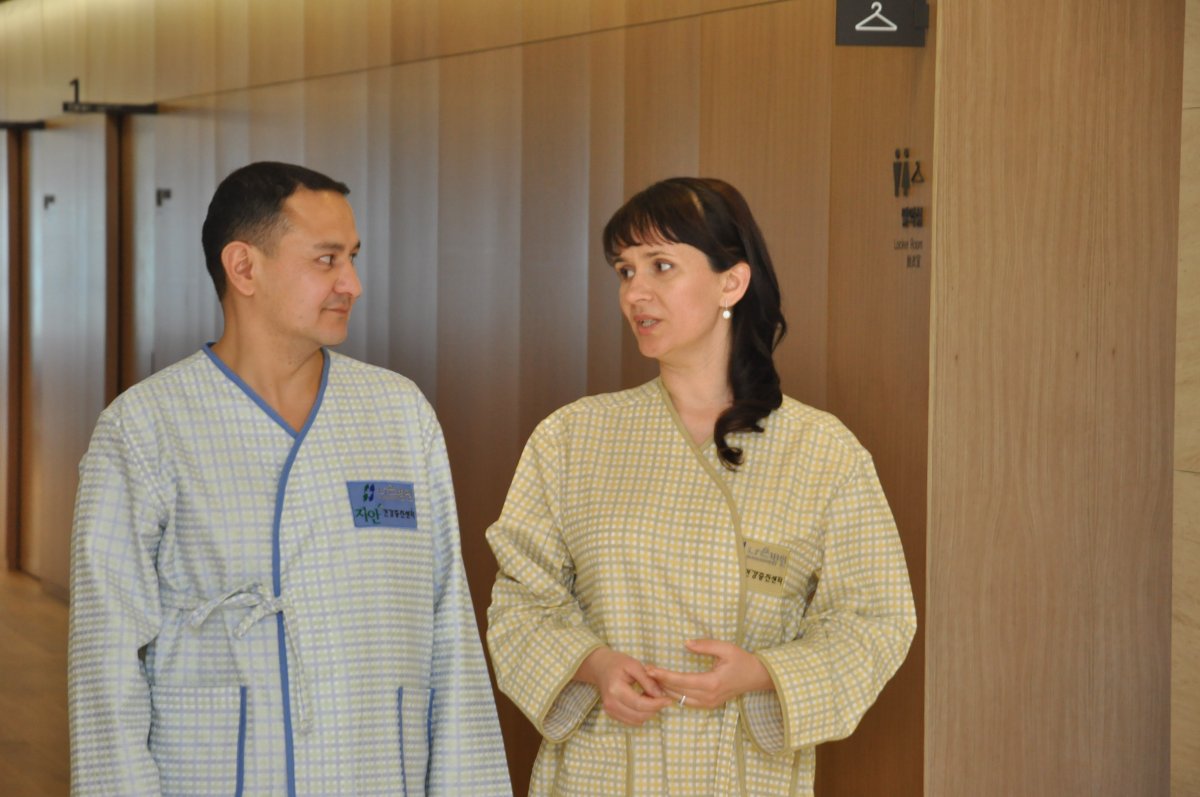














MizMedi Women`s hospital

احصلوا على تقييم طبي لـ كيس الكلى في كوريا الجنوبية: استشيروا أطباء ذوي خبرة الآن
عرض جميع الأطباء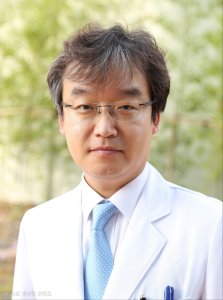
Sohn Dong-wan
الدكتور سون دونغ-وان متخصص في أورام المسالك البولية والسلس البولي والضعف الجنسي. يجري جراحات البروستاتا بالليزر. ويقدم علاجاً روبوتياً وبالتنظير البطني لسرطانات البروستاتا والمثانة والحالب والكلية. كما يعالج انسداد الوصل الحويضي الحالبي.
تشمل ممارساته طفيفة التوغل استئصال الكلية واستئصال البروستاتا بالمنظار. يجري TURBT وTURP بالمنظار المثاني. ويقدم إزالة الحصوات بالليزر عبر المنظار الحالبي واستخراج حصى الكلى عبر الجلد. ويعالج تضخم البروستاتا الحميد (BPH)، والتهاب البروستاتا، وحصوات الم
مشاركة المحتوى
قصص فيديو من مرضى Bookimed
 Anna Leonova
أسئلة متكررة حول علاج كيس الكلى في كوريا الجنوبية
ما هي خيارات علاج كيسات الكلى الأكثر شيوعاً المستخدمة في أفضل المستشفيات الكورية؟
تعطي أفضل المستشفيات الكورية الأولوية لعلاجات كيسات الكلى طفيفة التوغل، بما في ذلك استئصال القشرة بالمنظار والشفط مع المعالجة بالتصليب. تستخدم مراكز مثل مستشفى سيفيرانس ومركز أسان الطبي بروتوكولات معتمدة من اللجنة الدولية المشتركة (JCI). تسمح هذه الطرق بالتعافي السريع مع إدارة دقيقة للكيسات المعقدة المصنفة حسب بوسنياك.
- جراحة المنظار: يقوم الجراحون بإزالة جدار الكيس من خلال ثلاثة شقوق صغيرة.
- استئصال القشرة بمساعدة الروبوت: تُستخدم أدوات عالية الدقة للكيسات الموجودة بالقرب من الهياكل الحساسة.
- المعالجة بالتصليب: يقوم الأطباء بتصريف السوائل وحقن الكحول لمنع التكرار.
- المراقبة النشطة: تراقب التصوير المنتظم الكيسات البسيطة التي لا تسبب أي أعراض.
رؤية خبير Bookimed: تظهر البيانات تمييزاً واضحاً بين المراكز الأكاديمية مثل مستشفى جامعة سيول الوطنية والعيادات المتخصصة. تدير المستشفيات الكورية الرائدة عادةً أكثر من 30,000 عملية جراحية سنوياً. يضمن هذا الحجم الكبير أن الجراحين يتمتعون بمهارة استثنائية في الإصلاحات البولية التناسلية بمساعدة الروبوت. يجب على المرضى التحقق مما إذا كانت عيادتهم تستخدم نظاماً رقمياً لإدارة المرضى. تقلل هذه الأنظمة بشكل كبير من الأخطاء في تفسير التصوير للكيسات المعقدة.
إجماع المرضى: يؤكد المرضى أن إحضار تقارير الأشعة المقطعية أو الموجات فوق الصوتية المادية ضروري للحصول على تشخيص واضح. يشير الكثيرون إلى أنه من المهم توضيح ما إذا كانت الكيسة البسيطة تتطلب مراقبة نشطة أو تصريفاً فورياً.
متى يعتبر العلاج ضرورياً لكيس الكلى في كوريا؟
يعد علاج كيس الكلى في كوريا الجنوبية ضرورياً عندما تشير المعايير إلى وجود ورم خبيث أو أعراض حادة. عادة ما يتدخل أطباء المسالك البولية المتخصصون في حالات الأكياس المعقدة المصنفة ضمن فئة Bosniak III أو IV. كما يعد التدخل ضرورياً للأكياس البسيطة التي تسبب ألماً مزمناً، أو بيلة دموية، أو خللاً وظيفياً كلوياً انسدادياً.
- خطر الإصابة بالسرطان: يعطي الأطباء الأولوية للجراحة للأكياس التي تحتوي على مكونات صلبة أو جدران سميكة.
- إدارة الأعراض: يبدأ العلاج إذا كان المرضى يعانون من ألم مستمر في الخاصرة أو حمى متكررة.
- التأثير الوظيفي: الأكياس الكبيرة التي تسبب ضغطاً على الأعضاء أو ضعفاً في وظائف الكلى تتطلب تصريفاً.
- المضاعفات السريرية: النزيف أو العدوى أو تكوّن الخراج يتطلب تدخلاً جراحياً طفيف التوغل بشكل فوري.
رؤية خبير Bookimed: غالباً ما تفضل المراكز الطبية الكورية مثل مستشفى جامعة سيول الوطنية ومركز أسان الطبي بروتوكولات الانتظار والمراقبة للأكياس البسيطة. تظهر بياناتنا أن هذه المرافق تستخدم مراقبة رقمية متقدمة لتتبع نمو الكيس بمرور الوقت. قد يتجنب العديد من المرضى الجراحة لأن المتخصصين الكوريين يوصون غالباً بالتصريف والمعالجة بالتصلب كبديل طفيف التوغل كخط دفاع أول بدلاً من الاستئصال الكامل.
إجماع المرضى: يشير المرضى إلى أن الأطباء غالباً ما يوصون بالتصوير المنتظم بدلاً من الجراحة الفورية للأكياس البسيطة. ويؤكد أولئك الذين يحتاجون إلى تدخل أن الخيارات طفيفة التوغل مثل الشفط غالباً ما تحل الانزعاج مع فترات إقامة قصيرة جداً في
ما هو خطر التكرار المتوقع بعد العلاج؟
يعتمد خطر التكرار بعد علاج كيسات الكلى في جمهورية كوريا على نوع الإجراء. يُظهر العلاج بالتصلب الجراحي المصغر معدل تكرار يتراوح بين 20% إلى 30%. يوفر استئصال القشرة بالمنظار استقراراً أكبر. تبلغ المراكز الكورية عن حدوث تكرار ضئيل للإدارة الجراحية. عادة ما يتم إجراء تصوير المتابعة كل 6 إلى 12 شهراً.
- اختيار الإجراء: يوفر استئصال القشرة بالمنظار تكراراً أقل بكثير من العلاج بالتصلب بالإبرة.
- عوامل العلاج بالتصلب: غالباً ما يحدث التكرار في غضون 6 أشهر إذا كان وقت بقاء الإيثانول غير كافٍ.
- النجاح الجراحي: يستخدم مستشفى سيفيرانس ومركز آسان الطبي تقنيات جراحية طفيفة التوغل.
- بروتوكول التصوير: تساعد فحوصات الموجات فوق الصوتية أو الأشعة المقطعية في عمر 12 شهراً على اكتشاف إعادة ملء السوائل مبكراً.
رؤية خبير Bookimed: على الرغم من أن العلاج بالتصلب أقل توغلاً، تشير البيانات إلى أنه قد يتطلب إجراءات متكررة. يستفيد المرضى الذين يختارون مستشفى جامعة سيول الوطنية من الأنظمة الرقمية للغاية التي تمنع الأخطاء. يعطي أطباء المسالك البولية الخبراء مثل الدكتور لي تشون يونغ الأولوية للاستئصال الكامل لجدار الكيس. غالباً ما يؤدي اختيار استئصال القشرة الجراحي إلى نجاح طويل الأمد أعلى بكثير من التصريف البسيط.
إجماع المرضى: يلاحظ العديد من المرضى أن اختيار الجراحة بالمنظار بدلاً من التصريف يساعدهم على تجنب عمليات إعادة الملء في المستقبل. ويؤكدون أن السؤال عن خبرة الجراح المحددة في أوقات بقاء الإيثانول أمر حيوي.
هل المستشفيات الكورية مجهزة تجهيزاً جيداً للرعاية المتخصصة لأمراض الكلى؟
توفر المستشفيات الكورية الجنوبية رعاية فائقة لأمراض الكلى من خلال مراكز متخصصة في المؤسسات الأكاديمية الكبرى. تستخدم المرافق أنظمة دافنشي الروبوتية المتقدمة وجراحة المناظير للتدخلات الدقيقة. يحمل العديد منها اعتماد اللجنة الدولية المشتركة (JCI)، مما يضمن توافق المعايير السريرية مع بروتوكولات السلامة العالمية.
- التخصص الخبير: الدكتور لي تشون يونغ هو خبير معترف به في طب المسالك البولية واضطرابات التبول.
- المؤهلات المتقدمة: يبلغ مركز أسون الطبي عن معدل نجاح يصل إلى 90% في إجراءات زراعة الأعضاء.
- البنية التحتية الرقمية: يحتفظ مستشفى جامعة سيول الوطنية بسجلات مرضى رقمية بالكامل منذ عام 2004.
- القدرة الاستيعابية العالية: تعالج المراكز الكبرى مثل مستشفى سيفيرانس أكثر من 1.6 مليون مريض خارجي سنوياً.
رؤية خبير Bookimed: يعد حجم المرضى مؤشراً موثوقاً للخبرة في كوريا. يدير مركز أسون الطبي ومستشفى جامعة سيول الوطنية معاً أكثر من 20,000 مريض يومياً. يسمح هذا التردد العالي للجراحين بتحسين تقنياتهم لأكياس الكلى المعقدة وحالات الكلى النادرة بشكل أسرع مما هو عليه في المناطق ذات الحجم الأقل.
إجماع المرضى: يقدر المرضى سرعة التشخيص في المراكز الأكاديمية الكبرى. ويوصون باستخدام المستشفيات الجامعية الكبيرة حيث تعمل أقسام أمراض الكلى والمسالك البولية والأشعة معاً لإدارة الأكياس المعقدة.
كم من الوقت سأحتاج للبقاء في كوريا لإجراء عملية كيس الكلى؟
عادة ما يبقى المرضى في جمهورية كوريا لمدة 10 إلى 14 يوماً لإجراء عمليات كيس الكلى. تتطلب العلاجات بالمنظار طفيفة التوغل غالباً من ليلة واحدة إلى 4 ليالٍ في المستشفى. عادة ما يتم الحصول على تصريح السفر بعد فحص ما بعد الجراحة بـ 10 أيام لضمان التعافي الآمن.
- الإقامة في المستشفى: توقع البقاء من ليلة واحدة إلى 4 ليالٍ لجراحات إزالة الكيس بالمنظار القياسية.
- التحضير قبل الجراحة: الوصول قبل يوم أو يومين لإجراء التصوير التشخيصي واختبارات الدم.
- متابعة ما بعد الجراحة: يحدد الجراحون مواعيد الفحوصات الأساسية بعد حوالي 10 أيام من الإجراء.
- استئناف النشاط: يعود معظم المرضى إلى النشاط الخفيف قبل وقت قصير من مغادرتهم النهائية.
رؤية خبير Bookimed: تدير المرافق الرائدة في سيول مثل مركز أسان الطبي ومستشفى سيفيرانس أحجاماً هائلة من المرضى، حيث تخدم أكثر من 1.5 مليون مريض خارجي سنوياً. تعني هذه الكثافة العالية أن متابعات ما بعد الجراحة يتم جدولتها بدقة. يجب على المرضى حجز رحلات عودة مرنة لأن كبار المتخصصين، بما في ذلك أولئك الذين لديهم أكثر من 30 عاماً من الخبرة، غالباً ما يطلبون فحصاً نهائياً للتأكد من أن الكيس لم يتكرر قبل السماح بالسفر الدولي.
إجماع المرضى: يشير المرضى إلى أن إجراءات التصريف البسيطة غالباً ما تسمح بالخروج في نفس اليوم. ومع ذلك، يؤكد أولئك الذين يخضعون للجراحة على أهمية الحفاظ على جدول زمني مرن لاستيعاب فحوصات التعافي الأساسية لمدة 48 ساعة.
ما هي تدابير نمط الحياة التي يوصي بها الأطباء الكوريون بعد علاج الكيس؟
يوصي الأطباء الكوريون بقيود جسدية محددة وبروتوكولات مراقبة بعد علاج كيس الكلى. يجب على المرضى إعطاء الأولوية للترطيب وتجنب التمارين الشاقة لمدة 4 إلى 6 أسابيع. يساعد اتباع هذه الإرشادات في ضمان تعافي الكلى بشكل صحيح ويمنع حدوث مضاعفات مثل النزيف أو التكرار.
- النشاط البدني: تجنب رفع الأثقال وإجهاد البطن لمدة 4 إلى 6 أسابيع.
- العناية بالجروح: حافظ على جفاف الموقع وتجنب الساونا أو الحمامات الساخنة أثناء التعافي.
- الترطيب: حافظ على تناول كمية ثابتة من الماء لدعم وظائف الكلى خاصة بعد تصريف الكيس.
- المراقبة الطبية: حدد موعدًا لإجراء فحص بالموجات فوق الصوتية أو الأشعة المقطعية للمتابعة في غضون شهر إلى شهرين.
رؤية خبير Bookimed: تظهر البيانات من مراكز النخبة في سيول مثل مركز أسان الطبي ومستشفى سيفيرانس التركيز على التتبع الرقمي. تستخدم هذه المرافق أنظمة إلكترونية متقدمة لمراقبة مراحل تعافي المرضى عن بُعد. يضمن هذا النهج عالي التقنية تحديد أي تغييرات بعد الجراحة قبل أن تصبح مشاكل خطيرة.
إجماع المرضى: يلاحظ المرضى أنه من المهم مراقبة وجود دم في البول أو الحمى. ويجدون أن قواعد التعافي أكثر صرامة بكثير بعد العلاج بالتصلب مقارنة بالشفط البسيط.