عيادات طب الجهاز البولي في النمسا


تمت مراجعة المقالة طبيا من قبل
فهد مولود
ما هي تكلفة طب الجهاز البولي في النمسا؟ اكتشف الآن
يتراوح متوسط تكلفة جراحة المسالك البولية في النمسا عادةً بين $17,200 و $29,900. تعتمد الأسعار النهائية على نوع العيادة، ومدى تعقيد الحالة الجراحية، وما إذا كانت تُستخدم تقنيات روبوتية مثل نظام "دا فينشي" (da Vinci). غالباً ما يمكن للمرضى تحقيق وفورات تتراوح بين 30-40% مقارنة بالولايات المتحدة.
تكاليف جراحة المسالك البولية النموذجية في النمسا
- استشارة طبيب مسالك بولية: من $140
- فحص الرجال: السعر عند الطلب
- الختان: السعر عند الطلب
- قطع القناة الدافقة (فازكتومي): السعر عند الطلب
- استئصال الكلية: $14,500 – $21,000
- استئصال البروستاتا الروبوتي بنظام دا فينشي: $17,500 – $24,000
- العلاج بالخلايا الجذعية لضعف الانتصاب: السعر عند الطلب
- انصمام دوالي الخصية: السعر عند الطلب
- تصحيح انحناء القضيب: السعر عند الطلب
- العلاج بالهرمونات البديلة المتطابقة حيوياً (BHRT): السعر عند الطلب
تقع مراكز المسالك البولية الرئيسية بشكل أساسي في فيينا، وغراتس، وغراتس-راغنيتز. وفي حين توفر العيادات الخاصة في فيينا وسائل راحة متميزة، قد تقدم المراكز المتخصصة في مراكز أخرى أسعاراً تنافسية. استشر أخصائياً للحصول على تسعير دقيق لاحتياجاتك الطبية المحددة.
| النمسا | تركيا | إسبانيا | |
|---|---|---|---|
| نانو نايف NanoKnife | ≈ $25,000 | ≈ $9,500 | ≈ $9,500 |
| الموجات الفوق صوتية عالية التكثيف المركزة HIFU | ≈ $7,500 | من $10,000 | من $8,000 |
| التبخير (باستخدام ليزر GreenLight) | ≈ $5,200 | من $3,000 | من $7,500 |
| استئصال المثانة عبر الاحليل | ≈ $4,800 | من $6,200 | ≈ $4,200 |
| استئصال المثانة | ≈ $24,000 | من $9,000 | من $28,000 |
جميع أمراض طب الجهاز البولي
مزاياك وضماناتك مع Bookimed
أسعار مباشرة
Bookimed لا يضيف رسوماً إضافية على أسعار علاج طب الجهاز البولي. الأسعار مأخوذة من قوائم الأسعار الرسمية للعيادات. تدفع مباشرة في العيادة مقابل علاجك عند وصولك إلى البلد.
عيادات وأطباء معتمدون فقط
Bookimed ملتزم بسلامتك. نحن نعمل فقط مع المؤسسات الطبية التي تحافظ على معايير دولية عالية في علاج طب الجهاز البولي ولديها التراخيص اللازمة لخدمة المرضى الدوليين في جميع أنحاء العالم.
مساعدة مجانية على مدار الساعة
Bookimed يقدم مساعدة خبراء مجانية. منسق طبي شخصي يدعمك قبل وأثناء وبعد العلاج، ويحل أي مشاكل. لن تكون وحيداً أبداً في رحلة علاج طب الجهاز البولي.

منسقك الطبي الشخصي في Bookimed
- يدعمك في كل مرحلة
- المساعدة في اختيار العيادة الطبية المناسبة والطبيب المناسب
- يضمن الوصول السريع والمريح إلى المعلومات
اكتشف أفضل عيادات طب الجهاز البولي: 7 خيارات معتمدة والأسعار




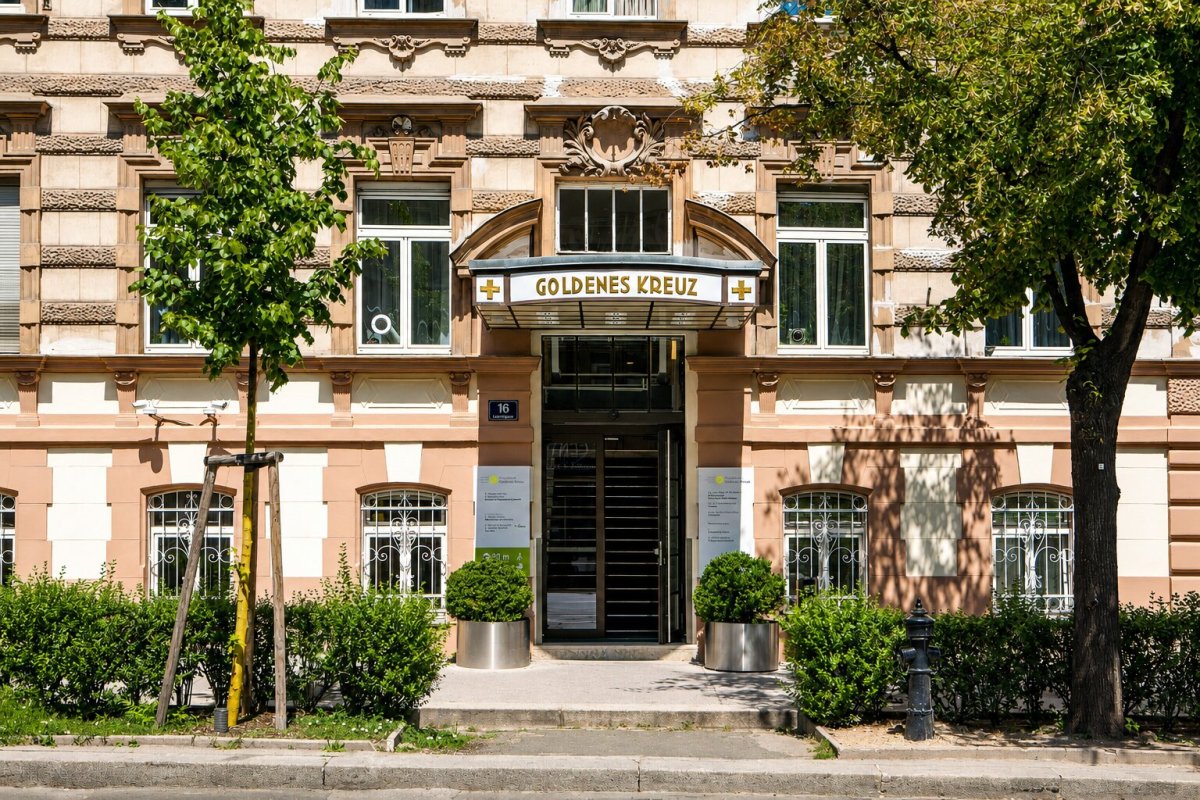
Confraternitaet Private Hospital




Leech Private Clinic
أفضل مراكز طب الجهاز البولي في النمسا
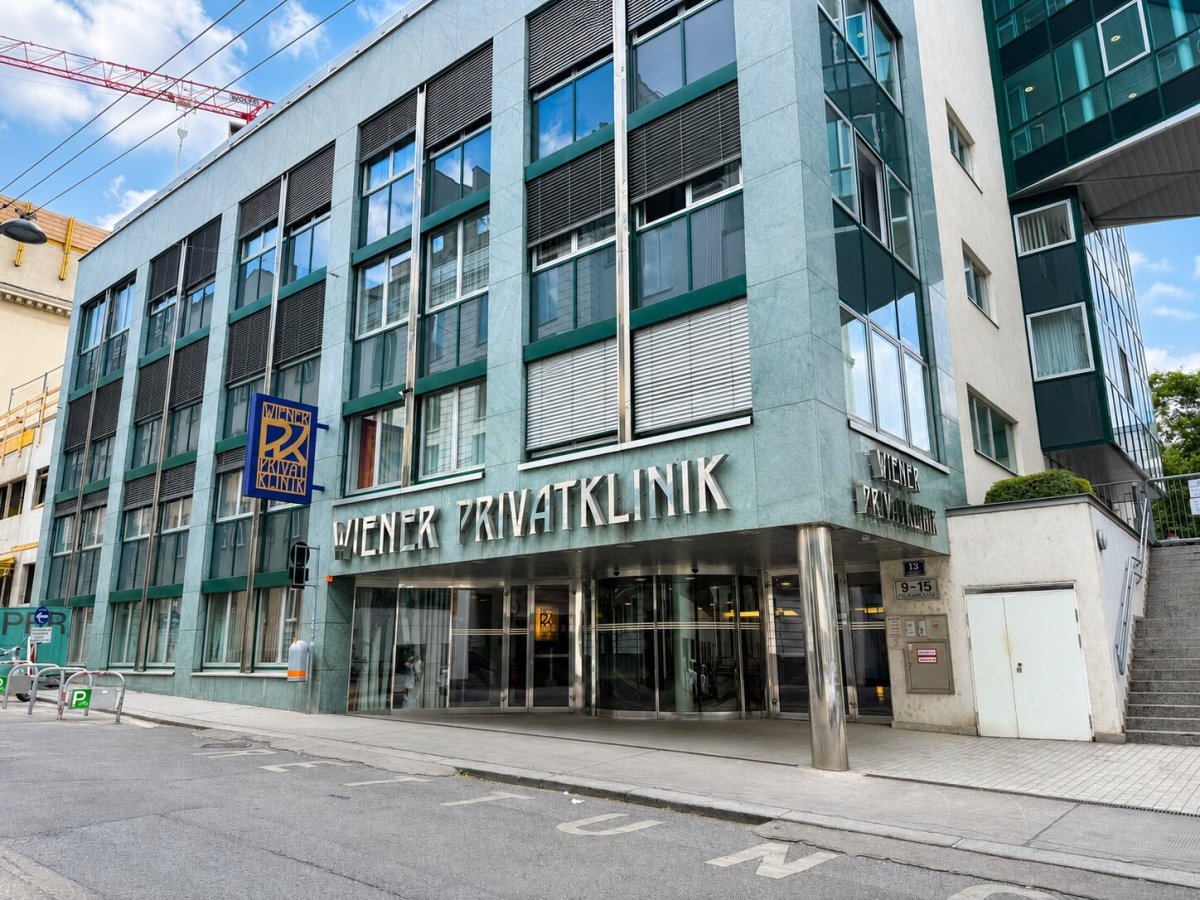
- Wiener Privatklinik, النمسا
- Confraternitaet Private Hospital, النمسا
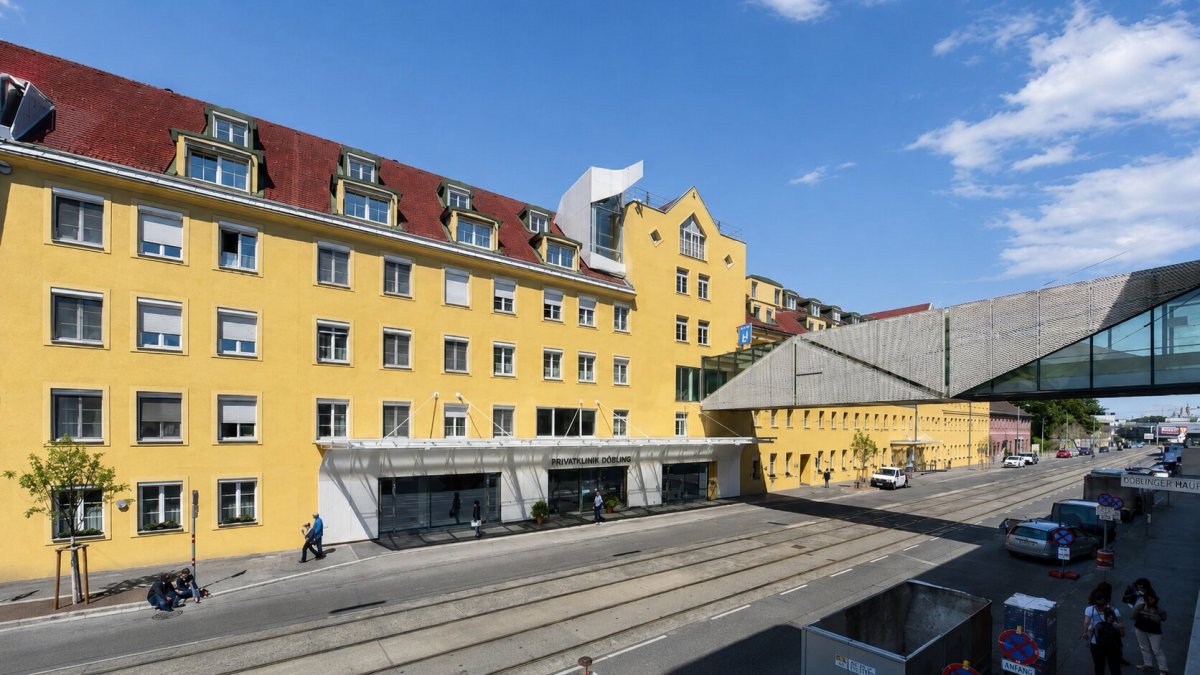
- Döbling Private Hospital, النمسا
- Vienna General Hospital (AKH), النمسا
- Leech Private Clinic , النمسا
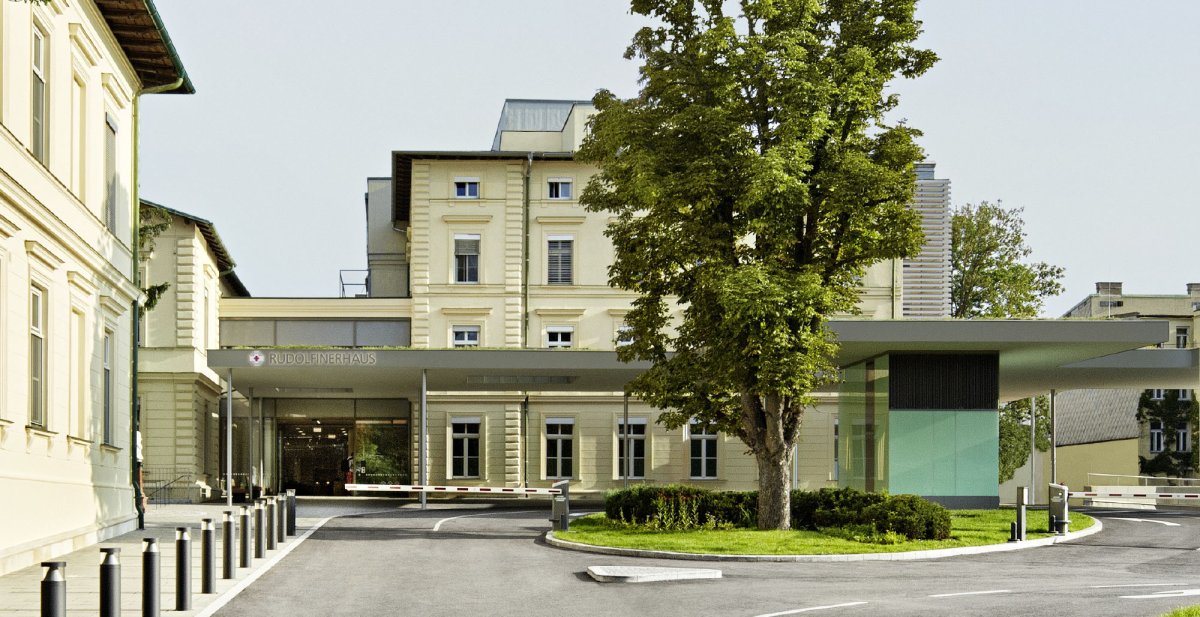
- The Rudolfinerhaus Private Clinic, النمسا
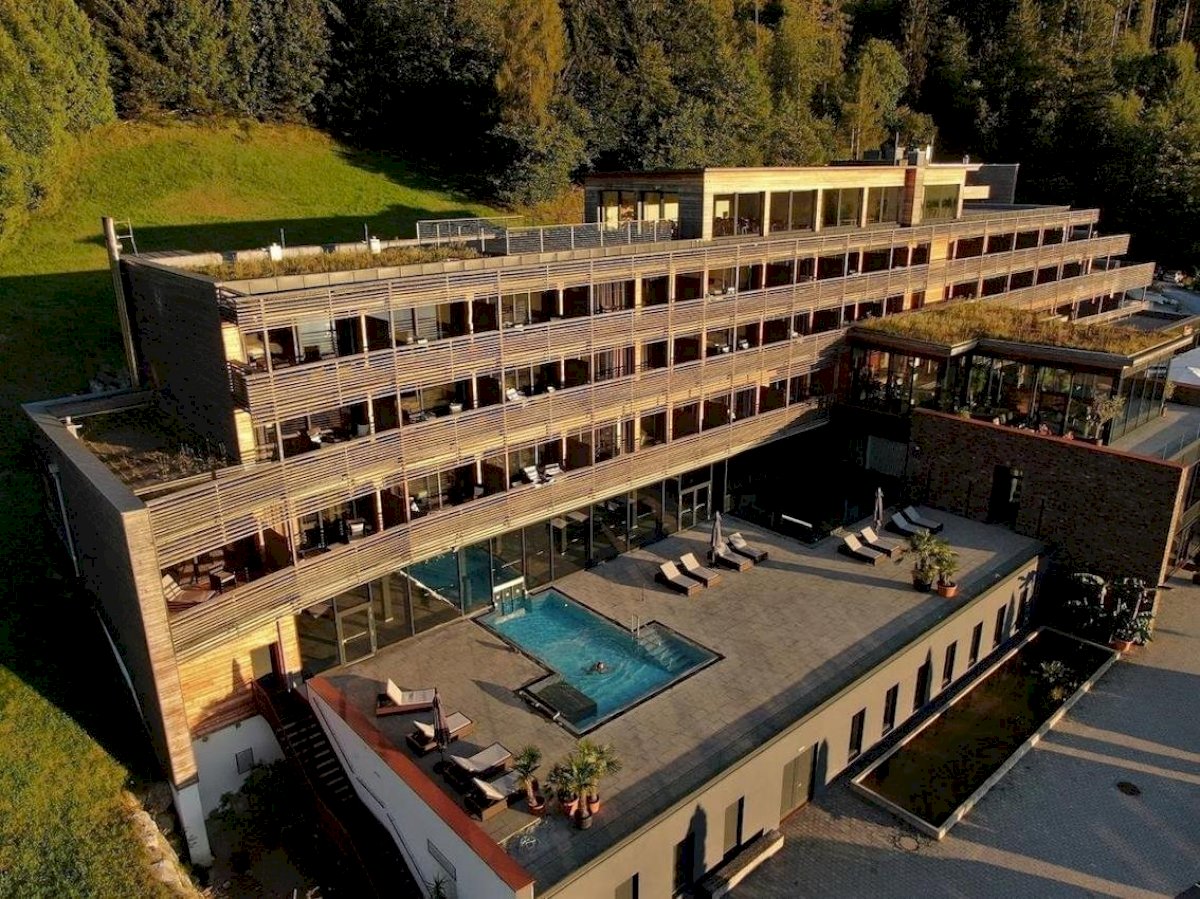
- Armona Medical Alpinresort, النمسا
احصل على تقييم طبي لـ في النمسا: اختر أخصائيك من بين الأفضل في هذا المجال
عرض جميع الأطباء
Georg Shatzl
الأستاذ الدكتور جورج شاتزل هو طبيب مسالك بولية نمساوي رائد يتمتع بخبرة تزيد عن 30 عاماً في أورام المسالك البولية وجراحة المسالك البولية الترميمية في مستشفى Wiener Privatklinik.
- متخصص في تقنيات استئصال البروستاتا مع الحفاظ على الأعصاب
- أستاذ مشارك في جامعة فيينا الطبية
- نشر أبحاثاً مكثفة حول علاج سرطان المسالك البولية
- يجري عمليات تنظيرية معقدة وجراحات الجهاز التناسلي للذكور
المراجعات
جميع المراجعاتمواد ذات صلة

ما هو أحدث علاج لضعف الانتصاب؟
كتب بواسطة Mariia Mytrofankina

ما هي تكلفة علاج ضعف الانتصاب في عام 2025؟
كتب بواسطة Mariia Mytrofankina

ما هي تكلفة علاج الورم الحميد (تضخم البروستاتا الحميد)؟
كتب بواسطة Veronika Kazina

ما هي تكلفة علاج التهاب البروستاتا؟
كتب بواسطة Veronika Kazina
مشاركة المحتوى
قصص فيديو من مرضى Bookimed
 Anna Leonova
أسئلة متكررة حول طب الجهاز البولي في النمسا
متى يجب عليّ زيارة طبيب المسالك البولية لأول مرة لإجراء فحص؟
يُنصح بإجراء أول فحص بولي في سن الأربعين لمن لديهم تاريخ عائلي أو عوامل خطر عالية. أما الرجال ذوو المخاطر المتوسطة، فينبغي عليهم البدء بإجراء فحوصات دورية للبروستاتا في سن الخمسين. ويُعدّ التوجه الفوري للطبيب ضروريًا في حال ظهور أعراض مثل وجود دم في البول، أو ألم في الحوض، أو مشاكل في الخصوبة.
- في سن الأربعين: يجب تقييم صحة البروستاتا لدى المرضى المعرضين لخطر كبير عند خط الأساس وإجراء فحص للكشف عن السرطان.
- يُعتبر سن الخمسين هو السن القياسي الذي ينبغي أن يبدأ فيه الرجال إجراء فحوصات البروستاتا السنوية.
- متى يجب زيارة الطبيب حسب الأعراض: الاستشارة الفورية ضرورية إذا كنت تعاني من تغيرات في التبول، أو نمو في الخصيتين، أو ألم مستمر.
- خيارات التشخيص: تقدم العيادات النمساوية فحوصات للرجال واختبارات فحص مميزة تبدأ من السعر عند الطلب.
رأي خبراء بوكيمد: تشير بيانات حجم المرضى في المراكز الرئيسية مثل مستشفى فيينا العام (AKH)، الذي يعالج 595,000 مريض سنويًا، إلى أن المؤسسات العامة الكبيرة قادرة على التعامل مع عبء العمل الكبير. لتجنب الانتظار لمدة تتراوح بين شهرين وستة أشهر للحصول على النتائج كما هو الحال في المؤسسات العامة، يُنصح باللجوء إلى العيادات الخاصة مثل عيادة فيينا
ما هي العلاجات الحديثة المتاحة لسرطان البروستاتا؟
تُولي أساليب علاج سرطان البروستاتا الحديثة في النمسا أهمية قصوى للدقة من خلال الجراحة الروبوتية والعلاج الموضعي والتشخيص الموجه. وتستخدم مراكز رائدة مثل عيادة فيينا الخاصة ومستشفى فيينا العام (AKH) التصوير المقطعي بالإصدار البوزيتروني (PET) مع PSMA لتحديد مرحلة المرض بدقة. وتتراوح خيارات العلاج بين استئصال البروستاتا الروبوتي باستخدام نظام دافنشي والتشخيص بالموجات فوق الصوتية غير الجراحية والعلاج بالتبريد.
- الجراحة الروبوتية: أنظمة دافنشي تُمكّن من إجراء عمليات استئصال البروستاتا الجذرية بأقل قدر من التدخل الجراحي مع تعافي أسرع.
- العلاج الموضعي: يستهدف العلاج بالموجات فوق الصوتية عالية الكثافة (HIFU) والعلاج بالتبريد الأورام مع الحفاظ على وظيفة الانتصاب.
- التشخيص المتقدم: يسمح التصوير المقطعي بالإصدار البوزيتروني باستخدام الغاليوم-68 (PSMA) بتحديد دقيق لانتشار السرطان من أجل التخطيط للعلاج.
- العلاج الإشعاعي الموجه: يوفر العلاج الإشعاعي التجسيمي عالي الدقة جرعة عالية من الإشعاع على مدى جلسات متعددة، مما يقلل من الضرر الذي يلحق بالأنسجة السليمة.
رأي خبراء بوكيمد: تبدأ الدقة في النمسا من مرحلة التشخيص. تشير البيانات إلى أن التصوير المقطعي بالإصدار البوزيتروني/التصوير الم
هل توجد علاجات غير جراحية لحصى الكلى؟
في النمسا، تشمل علاجات حصى الكلى غير الجراحية الأدوية، والمواد المذيبة، وتفتيت الحصى بالموجات الصدمية خارج الجسم (ESWL). يوصي الأطباء عادةً بهذه العلاجات للحصى التي يقل حجمها عن 10 مم. تقدم عيادات متخصصة في فيينا وغراتس هذه العلاجات، باستخدام تقنيات تصوير تشخيصية متقدمة لمراقبة مرور الحصى بأمان.
- ملاحظة: غالباً ما تخرج الحصى الصغيرة التي يقل حجمها عن 5 مم بشكل طبيعي مع شرب الكثير من الماء وتناول مسكنات الألم.
- العلاج الدوائي: تعمل حاصرات ألفا مثل تامسولوسين على إرخاء الحالب، مما يسرع من مرور الحصى.
- العلاج بالإذابة: يمكن لبعض الأدوية الفموية إذابة حصوات حمض اليوريك عن طريق تقليل حموضة البول.
- تفتيت الحصى بالموجات الصدمية: يستخدم ESWL موجات صوتية خارجية لتفتيت الحصى إلى أجزاء صغيرة يمكن غسلها.
رأي خبراء بوكيمد: تُظهر البيانات من مراكز نمساوية رئيسية، مثل مستشفى فيينا العام (AKH)، أن الجمع بين التحليل المبكر للحصى والعلاج الدوائي يُحسّن نتائج العلاج بشكل ملحوظ. في العيادات ذات الأعداد الكبيرة من المرضى، غالبًا ما تكون فترات الانتظار لتفتيت الحصى بالموجات الصدمية (ESWL) أقصر من فترات الانتظار للتدخلات الجراحية. كما أن اختيار مركز طبي مزود باختبارات التمثيل الغذائي في الم
هل يوجد في المستشفيات النمساوية موظفون يتحدثون اللغة الإنجليزية؟
يُتقن العاملون في مجال الرعاية الصحية النمساويون اللغة الإنجليزية عمومًا، لا سيما في المراكز الحضرية والعيادات الخاصة. ورغم أن الألمانية هي اللغة الأساسية، إلا أن الأطباء غالبًا ما يتلقون تدريبهم في الخارج ويلتزمون بالمعايير الأوروبية. وتوفر المراكز المتخصصة، مثل عيادة فيينا الخاصة، بيئة متعددة اللغات مُهيأة لاستقبال المرضى الدوليين الذين يسعون للحصول على رعاية المسالك البولية.
- إتقان اللغة: معظم أطباء المسالك البولية، بمن فيهم البروفيسور جورج شاتزل، يجيدون اللغة الإنجليزية.
- العيادات الخاصة: تقوم مؤسسات مثل مستشفى دوبلينغ الخاص بتنفيذ أهداف السلامة الدولية للمرضى وتقديم الدعم باللغة الإنجليزية.
- عامل الموقع: توفر مستشفيات فيينا مثل مستشفى AKH إمكانية الوصول إلى اللغة الإنجليزية بشكل أفضل من المراكز الإقليمية الأصغر.
- طاقم الدعم: يميل الطاقم الإداري والطبي في العيادات الخاصة إلى التواصل بشكل أكثر فعالية باللغة الإنجليزية.
رأي خبراء بوكيميد: تكشف البيانات عن وجود فرق واضح بين التواصل الإداري والطبي في النمسا. فبينما يستخدم أكثر من 1600 طبيب في مستشفى فيينا العام اللغة الإنجليزية كلغة أساسية، ينبغي على المرضى أن يدركوا أن العيادات الأصغر، مثل منتجع أرمونا الطبي الألبي،
هل يمكنني الحصول على رأي ثانٍ عن بُعد؟
في النمسا، يمكنك الحصول على رأي طبي ثانٍ عن بُعد في مجال المسالك البولية من خلال الاستشارات عبر الإنترنت. سيقوم أطباء المسالك البولية بمراجعة سجلاتك الطبية ونتائج التصوير لتأكيد التشخيص أو وضع خطة العلاج. تشمل هذه الاستشارات عادةً أمراض البروستاتا، وجراحة الكلى، والإجراءات الروبوتية، دون الحاجة إلى السفر الفوري إلى فيينا أو غراتس.
- أساليب الاستشارة: يقوم المتخصصون بإجراء مكالمات فيديو وتقديم تقارير مكتوبة من خلال بوابات إلكترونية آمنة.
- الوصول إلى الخبراء: يمكن للمرضى الاتصال بأساتذة من مؤسسات رائدة مثل جامعة فيينا الطبية.
- المستندات المطلوبة: نتائج التصوير المقطعي بالإصدار البوزيتروني (PET-CT)، والتحضيرات النسيجية، وتاريخ مرضي مفصل.
- الإطار الزمني: عادةً ما يتم الانتهاء من الاختبارات التشخيصية ووضع خطة العلاج في غضون 10 أيام.
رأي خبراء بوكيمد: تُظهر البيانات السريرية أن العيادات الخاصة، مثل عيادة فيينا الخاصة ومستشفى دوبلينغ الخاص، تُتيح إمكانية الوصول إليها بسهولة أكبر للاستفسارات عن بُعد مقارنةً بالمستشفيات الجامعية الحكومية. فبينما يُعالج مستشفى فيينا الجامعي حوالي 600 ألف مريض سنويًا، غالبًا ما يُوفر الأخصائيون في القطاع الخاص مواعيد أسرع للحصول على رأي ثانٍ من أ
كيف تتم عملية الدفع للزوار؟
يتم سداد تكاليف خدمات المسالك البولية في النمسا عن طريق الدفع المباشر ببطاقة الائتمان أو التحويل المصرفي. وغالبًا ما يُطلب الدفع المسبق للاستشارات والتشخيص. تقبل المستشفيات الحكومية بطاقة التأمين الصحي الأوروبية (EHIC) في حالات الطوارئ. أما العيادات الخاصة، مثل عيادة فيينا الخاصة، فتتطلب دفعًا نقديًا لإجراءات المسالك البولية والعمليات الجراحية المتخصصة.
- طرق الدفع التالية مقبولة: بطاقات الائتمان وبطاقات EC-Karte هي الطرق القياسية في العيادات في فيينا وغراتس.
- للزوار من الاتحاد الأوروبي: تغطي بطاقة التأمين الصحي الأوروبية الرعاية الطبية الطارئة، لكن الأطباء الخاصين غالباً ما يتقاضون رسوماً إضافية.
- عملية الفوترة: بمجرد الانتهاء من الأمور الطبية، تصدر العيادات فواتير مفصلة لاسترداد التكاليف من شركة التأمين.
- الدفع المسبق: يدفع المرضى من خارج الاتحاد الأوروبي عادةً مقابل الخدمات التشخيصية قبل الخروج من مرافق الرعاية الصحية الخاصة.
رأي خبراء بوكيمد: تُظهر بيانات من مراكز نمساوية كبيرة، مثل مستشفى فيينا العام (AKH)، حجمًا هائلاً من المرضى يصل إلى 595,000 مريض سنويًا. يتيح هذا الحجم نظام فوترة واضحًا ومنظمًا للمرضى الدوليين. غالبًا ما تُقدم العيادات ذات التصنيف العالي، مثل
كيف يتم إجراء فحص البروستاتا القياسي؟
يشمل الفحص الروتيني للبروستاتا في النمسا فحصاً شرجياً رقمياً واختباراً دموياً لمستضد البروستات النوعي (PSA). يفحص الطبيب البروستات باستخدام إصبعه بعد تزييتها، وذلك لتحديد حجمها وملمسها وأي تشوهات فيها. يستغرق هذا الفحص أقل من دقيقة. كما تُسحب عينة دم لقياس مستويات البروتين بهدف الكشف عن أي مشاكل محتملة.
- الفحص البدني: يقوم الطبيب بتحسس غدة البروستاتا من خلال جدار المستقيم للكشف عن العقد الليمفاوية غير الطبيعية.
- وضعية الجسم: عادةً ما يميل المرضى فوق الطاولة أو يستلقون على جانبهم.
- راحة المريض: يتسبب الإجراء في ضغط قصير أو رغبة في التبول، بدلاً من الألم.
- اختبار PSA: للحصول على نتائج دقيقة، ينصح الأطباء غالبًا بالامتناع عن ممارسة الجنس لمدة 48 ساعة.
رأي خبراء بوكيميد: تُظهر البيانات من المراكز النمساوية الكبرى، مثل مستشفى فيينا العام (AKH)، اتجاهًا نحو إجراء فحوصات شاملة للرجال بدلًا من الفحوصات الفردية. تستخدم هذه العيادات مختبراتها الخاصة لتقديم النتائج في غضون 10 أيام. غالبًا ما يختار المرضى العيادات الخاصة، مثل عيادة فيينا الخاصة (Vienna Privatklinik)، للوصول المباشر إلى أخصائيين مثل الدكتور جورج شاتزل، الذي يرأس مجموعات بحثية وطنية متخصصة في البروستاتا.