علاج التهاب المثانة في كوريا الجنوبية — احصل على 3 عيادات مختارة خصيصاً لك


تمت مراجعة المقالة طبيا من قبل
فهد مولود
كيف نعمل؟
ما هي تكلفة التهاب المثانة إجراءات التشخيص والعلاج في كوريا الجنوبية؟ اعرف الآن
تتضمن تكلفة علاج التهاب المثانة في جمهورية كوريا بشكل عام استشارة مع طبيب مسالك بولية تتراوح ما بين $50 إلى $65. تعتمد النفقات الإجمالية على ما إذا كانت العدوى حادة أو مزمنة وعلى ضرورة إجراء تصوير متابعة أو فحوصات مخبرية. يوفر المرضى عادةً ما بين 30-50% مقارنة بأوروبا الغربية. تعد سيول وإنشيون المراكز الطبية الرئيسية لرعاية المسالك البولية.
تكاليف علاج التهاب المثانة النموذجية في جمهورية كوريا
- استشارة مع طبيب مسالك بولية: $50 – $65
- استشارة مع طبيب نسائية: $50 – $55
- تحليل صورة الدم الكاملة: من $30
رؤية خبير Bookimed: يجب على المرضى الذين يعانون من أعراض متكررة إعطاء الأولوية للمراكز المتخصصة للحصول على خطط تشخيصية أكثر دقة. يخدم مستشفى MizMedi للنساء أكثر من 410,000 مريض سنوياً ويوفر خبرة نسائية مستهدفة لحالات التهاب المثانة الخاصة بالإناث. بالنسبة للحالات المعقدة التي تنطوي على اضطرابات التبول، يضم مستشفى Na-Eun الدكتور لي تشون يونغ، وهو أستاذ سابق في جامعة هانيانغ يتمتع بخبرة دولية. تضمن هذه المرافق المعتمدة من قبل JCI وKOIHA معايير سلامة عالية باستخدام التصوير الرقمي المتقدم.
اكتشف أفضل التهاب المثانة العيادات في كوريا الجنوبية: 10 خيارات معتمدة والأسعار
Praumurology











MizMedi Women`s hospital




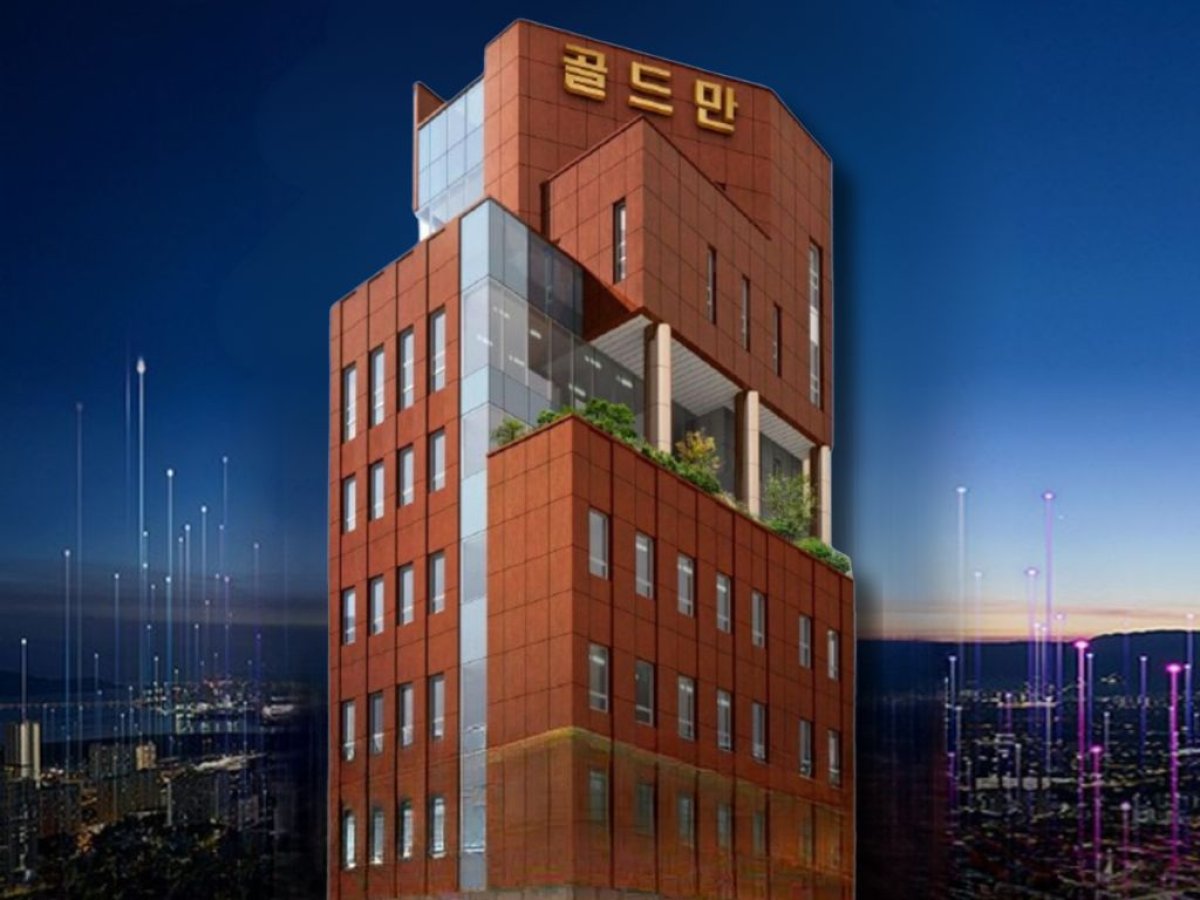
Goldman Urology Clinic Gangnam Branch
احصلوا على تقييم طبي لـ التهاب المثانة في كوريا الجنوبية: استشيروا أطباء ذوي خبرة الآن
عرض جميع الأطباء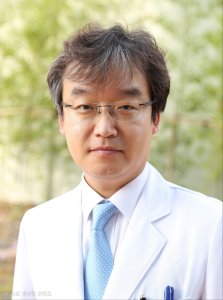
Sohn Dong-wan
الدكتور سون دونغ-وان متخصص في أورام المسالك البولية والسلس البولي والضعف الجنسي. يجري جراحات البروستاتا بالليزر. ويقدم علاجاً روبوتياً وبالتنظير البطني لسرطانات البروستاتا والمثانة والحالب والكلية. كما يعالج انسداد الوصل الحويضي الحالبي.
تشمل ممارساته طفيفة التوغل استئصال الكلية واستئصال البروستاتا بالمنظار. يجري TURBT وTURP بالمنظار المثاني. ويقدم إزالة الحصوات بالليزر عبر المنظار الحالبي واستخراج حصى الكلى عبر الجلد. ويعالج تضخم البروستاتا الحميد (BPH)، والتهاب البروستاتا، وحصوات الم
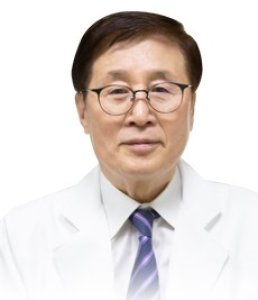
Lee Chunyong
الدكتور لي تشونيونغ طبيب مسالك بولية حاصل على دكتوراه في الطب من كلية الطب بجامعة هانيانغ. يتركز عمله السريري على حصى الكلى والمسالك البولية، بما في ذلك تفتيت الحصى بالموجات الصادمة خارج الجسم (ESWL)، وأمراض البروستات (تضخّم البروستات الحميد BPH، سرطان البروستات، التهاب البروستات)، والضعف الجنسي، وقطع القناة المنوية، والتهاب المثانة، وسلس البول، واضطرابات التبوّل.
شغل منصب مدير مستشفى جامعة هانيانغ. وكان أستاذًا ورئيس قسم المسالك البولية بكلية الطب في جامعة هانيانغ. وتولّى رئاسة الجمعي
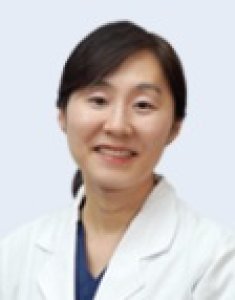
Jang Hyunkyung
الدكتورة جانغ هيون كيونغ طبيبة مسالك بولية حاصلة على البورد. أنهت برنامج الإقامة والزمالة السريرية في Gachon University Gil Medical Center. وعملت لاحقًا أستاذة مساعدة إكلينيكية في طب المسالك البولية في Korea University Ansan Hospital وفي International St. Mary’s Hospital.
تشمل اهتماماتها السريرية تضخم البروستاتا الحميد (BPH)، حصيات الجهاز البولي، سلس البول واضطرابات التبول، والتهابات المسالك البولية. كما تركز على مسالك الذكور، ومسالك الأطفال، والتصوير فوق الصوتي للمسالك البولية.
مشاركة المحتوى
قصص فيديو من مرضى Bookimed
 Anna Leonova
أسئلة متكررة حول علاج التهاب المثانة في كوريا الجنوبية
أين يمكن للمرضى الدوليين العثور على عيادات مسالك بولية تتحدث الإنجليزية لعلاج التهاب المثانة في كوريا الجنوبية؟
يجد المرضى الدوليون رعاية مسالك بولية باللغة الإنجليزية في المراكز الرئيسية في سيول مثل مستشفى سيفيرانس ومركز أسان الطبي. تحافظ هذه المرافق المعتمدة من قبل اللجنة الدولية المشتركة (JCI) على مراكز دولية مخصصة مع منسقين يتحدثون الإنجليزية بطلاقة. تتوفر أيضًا خدمات مسالك بولية نسائية متخصصة في مستشفيات مثل ميزميدي لحالات التهاب المثانة المحددة.
- أطباء متخصصون: يعالج الدكتور لي تشون يونغ في مستشفى نا-أون التهاب المثانة وتحصي البول.
- مؤسسات كبرى: يخدم مستشفى سيفيرانس 1.6 مليون مريض خارجي سنويًا مع فرق مخصصة تتحدث الإنجليزية.
- صحة المرأة: يتخصص مستشفى ميزميدي للنساء في رعاية أمراض النساء والمسالك البولية للمريضات.
- تشخيص متقدم: يستخدم مستشفى جامعة سيول الوطنية بوندانغ نظام BESTcare الرقمي لضمان الدقة.
رؤية خبير Bookimed: على الرغم من أن العيادات الخاصة الصغيرة شائعة في سيول، إلا أنها غالبًا ما تفتقر إلى دعم اللغة الإنجليزية بدوام كامل للمسالك البولية. تظهر البيانات أن المستشفيات التابعة للجامعات مثل سيفيرانس أو مستشفى جامعة سيول الوطنية أكثر موثوقية للأجانب. توفر هذه المؤسسات الكبيرة مترجمين فوريين في الموقع وبروتوكولات موحدة قد لا توفرها الممارسات الأصغر.
إجماع المرضى: يجد المرضى أن المستشفيات الجامعية توفر تواصلًا أفضل وبروتوكولات مضادات حيوية قائمة على الأدلة دون محاولات بيع إضافية. يوصي الكثيرون باستخدام تطبيقات الترجمة كنسخة احتياطية عند زيارة أي منشأة طبية في كوريا.