علاج الشبم أو تضيق القلفة في كوريا الجنوبية — احصل على 3 عيادات مختارة خصيصاً لك


تمت مراجعة المقالة طبيا من قبل
فهد مولود
كيف نعمل؟
ما هي تكلفة الشبم أو تضيق القلفة إجراءات التشخيص والعلاج في كوريا الجنوبية؟ اعرف الآن
تتضمن تكلفة علاج الشبم في جمهورية كوريا عادةً التشخيصات الأساسية مثل استشارة طبيب المسالك البولية، والتي تتراوح تكلفتها من $50 إلى $65. وعلى الرغم من عدم إدراج معرفات الإجراءات الجراحية المحددة هنا، إلا أن العلاج يتضمن بشكل عام الختان أو جراحة التصحيح. تعتمد التكاليف على الطريقة الجراحية، مثل التقنيات التقليدية أو الليزر، ومستوى العيادة. يمكن للمرضى القادمين من الولايات المتحدة توقع توفير ما بين 30 إلى 70%. تشمل أفضل المدن لهذا العلاج سيول وإنشيون.
تكاليف علاج الشبم النموذجية في جمهورية كوريا
- استشارة طبيب مسالك بولية: $50 – $65
- اختبار تخثر الدم (Coagulogram): $40 – $100
- تخطيط كهربائية القلب (ECG): من $30
رؤية خبير Bookimed: بالنسبة للحالات المعقدة أو جراحات التصحيح، فإن اختيار منشأة حكومية متعددة التخصصات يوفر هامش أمان أعلى. يُعد مستشفى جامعة سيول الوطنية (SNUH) خياراً رائداً لمثل هذه الدقة، حيث يعالج رئيس كوريا الجنوبية ويستخدم أنظمة رقمية متطورة للمرضى. يجب على المرضى الدوليين الذين يبحثون عن الراحة التفكير في مركز جاشون الجامعي جيل الطبي في إنشيون. يقع المركز على بعد ساعة واحدة فقط من المطار الدولي وهو مصنف من قبل مجلة نيوزويك لجودة الرعاية.
اكتشف أفضل الشبم أو تضيق القلفة العيادات في كوريا الجنوبية: 8 خيارات معتمدة والأسعار
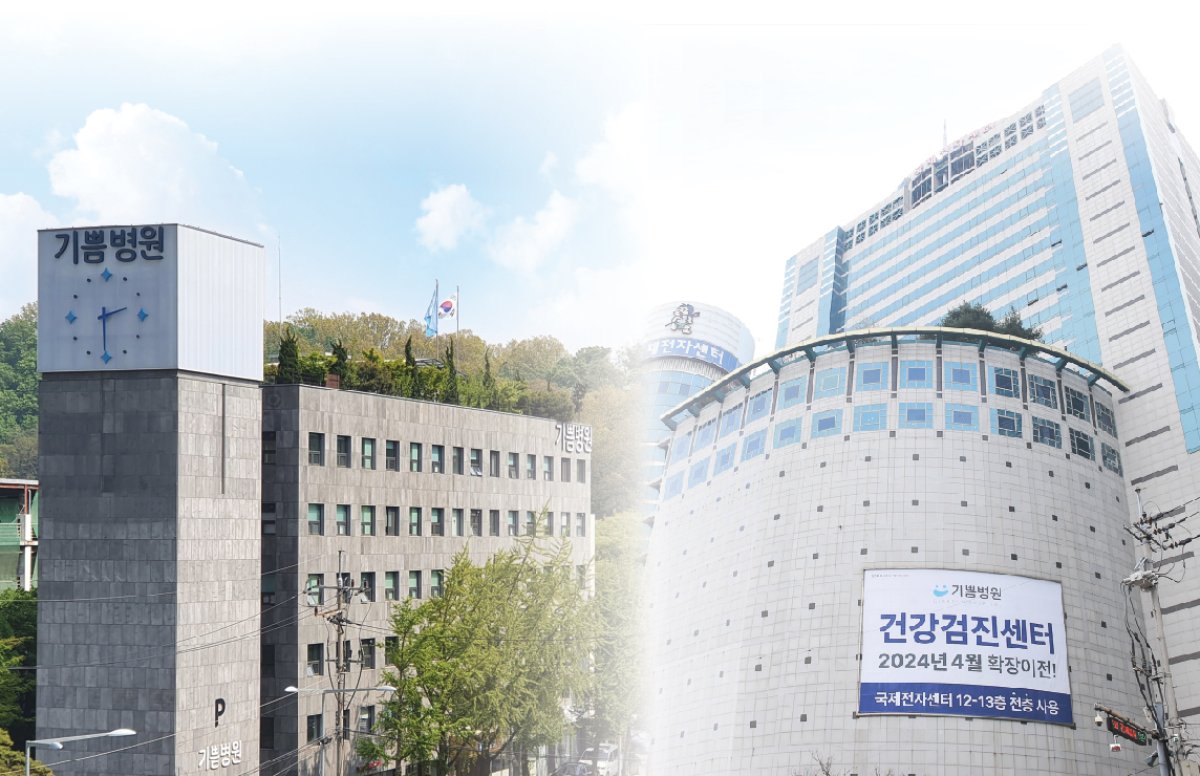
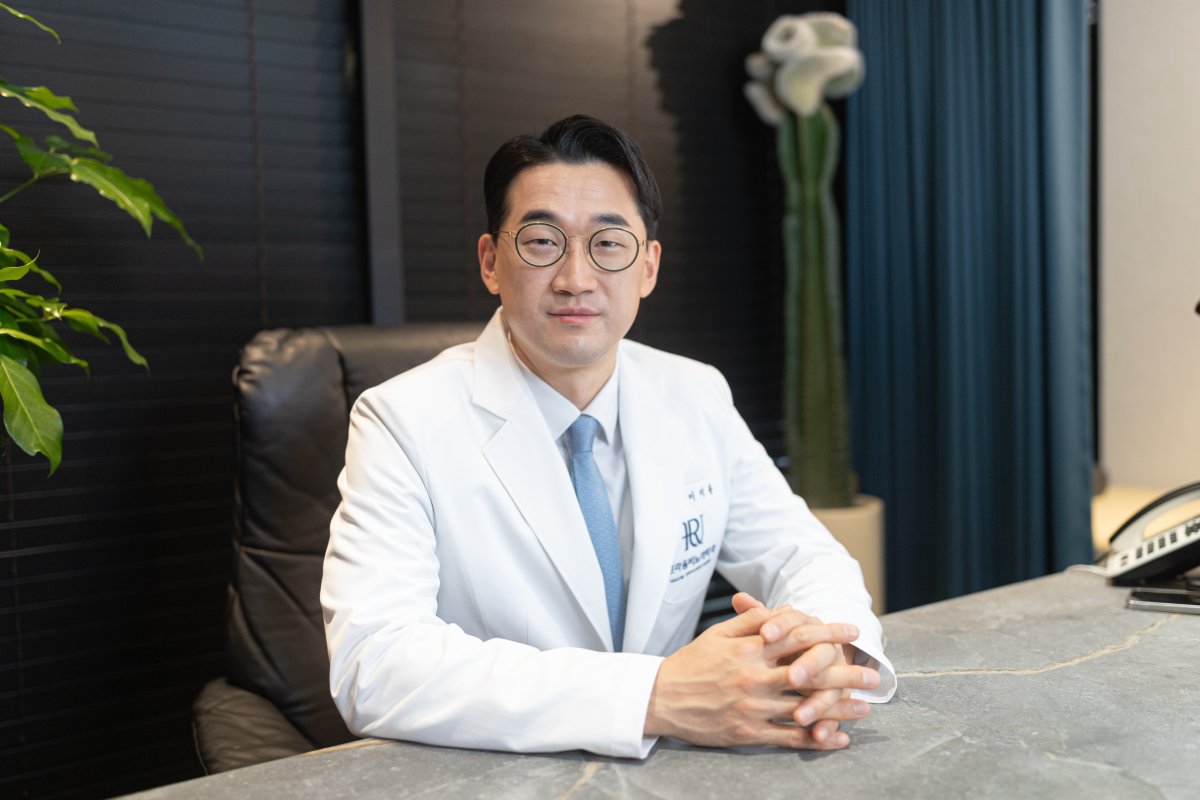
Praumurology






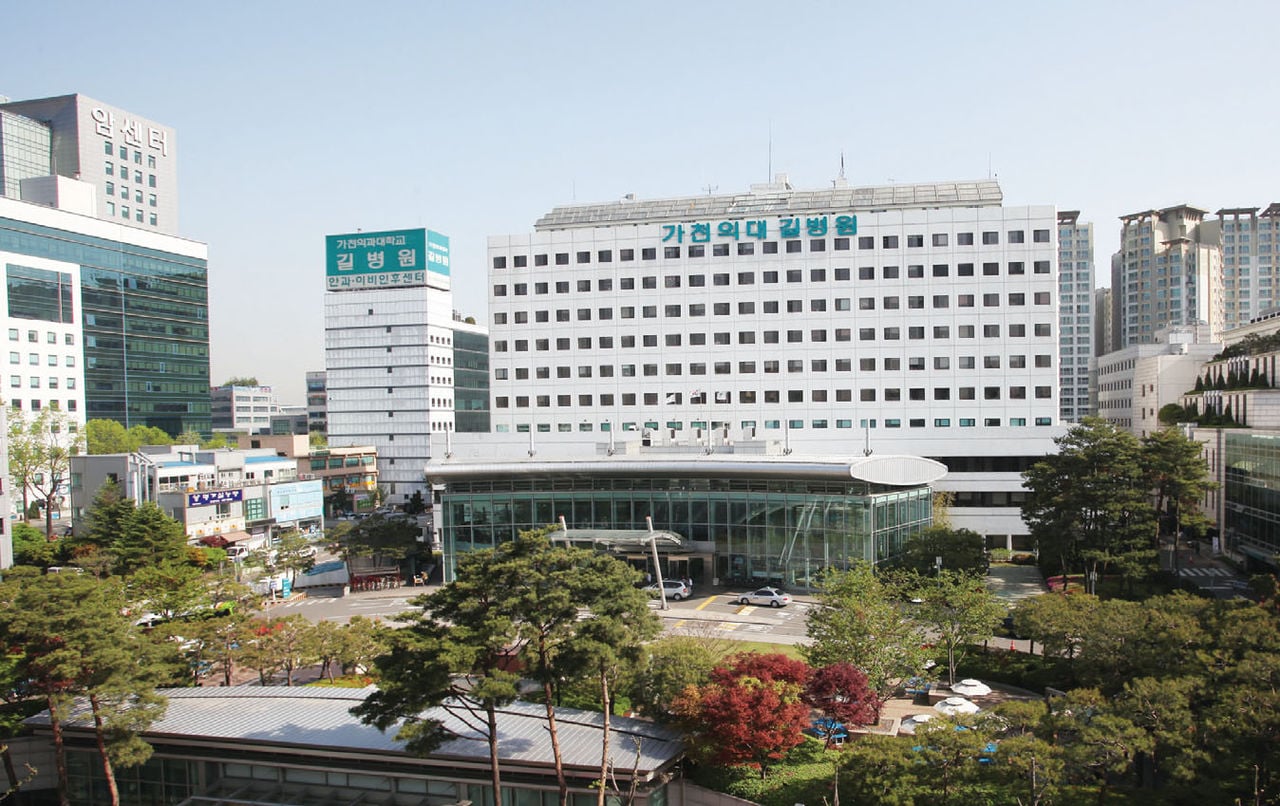




MizMedi Women`s hospital


المراجعات
جميع المراجعاتمشاركة المحتوى
قصص فيديو من مرضى Bookimed
 Anna Leonova
أسئلة متكررة حول علاج الشبم أو تضيق القلفة في كوريا الجنوبية
ما هي التقنيات الجراحية المقدمة، وأيها يترك أقل قدر من الندوب؟
تعد عملية الختان بالليزر التقنية الأساسية في كوريا الجنوبية لتقليل الندوب. وهي تستخدم ليزر ثاني أكسيد الكربون أو الليزر الثنائي عالي الدقة لضمان قطع نظيف. توفر هذه الطريقة دقة تصل إلى 0.5 مم. وعادة ما تؤدي إلى ندوب غير مرئية تقريبًا بعد شهرين من الشفاء.
- الختان بالليزر: يستخدم دقة 0.5 مم لتقليل صدمة الجلد وتسريع التعافي.
- استئصال الكم (Sleeve resection): بديل جراحي تقليدي قد يترك ندبة دائرية مرئية.
- الخياطة الاستراتيجية: يستخدم الجراحون تقنيات مزدوجة الطبقات لإخفاء الغرز داخل ثنايا الجلد الطبيعية.
- معدات دقيقة: تستخدم العيادات ليزر متخصص لتقليل خطر الإصابة بالجدرة (keloid) وتلف الأنسجة.
رؤية خبير Bookimed: كوريا الجنوبية هي مركز طبي عالمي يضم 81 عيادة وأكثر من 645 طلبًا تمت تلبيته. تجري المراكز الكبيرة مثل مركز أسان الطبي أكثر من 65,000 عملية سنويًا. يضمن هذا الحجم الكبير في مستشفيات سيول احتفاظ الجراحين بكفاءة تقنية استثنائية في إجراءات المسالك البولية الدقيقة.
إجماع المرضى: يشير المرضى إلى أن تقنيات الليزر تسمح بتعافي سريع خلال 10 أيام. يؤكد الكثيرون على أهمية التحقق من صور ما قبل وبعد العملية للتأكد من أن الجراح قد أجرى أكثر من 500 حالة ناجحة.
كم من الوقت يجب أن أبقى في كوريا لإجراء عملية الختان بسبب الشبم؟
يجب على المرضى التخطيط للبقاء في كوريا الجنوبية لمدة تتراوح بين 5 إلى 7 أيام. تغطي هذه الفترة الاستشارة الأولية مع طبيب المسالك البولية والإجراء الخارجي. وهذا يضمن وقتاً كافياً لزيارات المتابعة لمراقبة الشفاء. يتم السماح لمعظم المسافرين الدوليين بالسفر جواً بعد 7 أيام من الجراحة.
- الإطار الزمني للسفر: خطط لمدة 7 إلى 10 أيام لتشمل التأقلم قبل الجراحة.
- الإقامة السريرية: الختان هو إجراء خارجي يستغرق من 20 إلى 60 دقيقة.
- التعافي الأولي: توصي العيادات بـ 1 إلى 3 أيام من الراحة الخفيفة بعد الجراحة.
- سلامة الطيران: تجنب الرحلات الجوية لمدة 72 ساعة لتقليل مخاطر النزيف.
- قيود النشاط: استأنف العمل الخفيف خلال 5 أيام؛ تجنب ممارسة الرياضة لمدة 4 أسابيع.
رؤية خبير Bookimed: بينما يعطي الكثيرون الأولوية لسرعة الجراحة، تركز المراكز الكورية الرائدة مثل مستشفى جامعة سيول الوطنية على الدقة الرقمية. تظهر البيانات أن المرضى غالباً ما يختارون سيول بسبب الحجم الكبير للإجراءات. تدير المستشفيات الكبيرة هنا أكثر من 1,000,000 مريض سنوياً. يضمن هذا النطاق الهائل أن يتعامل الجراحون مع حالات الشبم المعقدة بروتين فائق.
إجماع المرضى: يشير المرضى إلى أنه من المهم الوصول قبل يومين للتكيف مع اضطراب الرحلات الجوية الطويلة. يوصون بحزم ملابس فضفاضة ويؤكدون أن وجود موظفين يتحدثون الإنجليزية يجعل المتابعة أسهل بكثير.
ما هو مسار التعافي النموذجي بعد ختان البالغين في كوريا، ومتى يمكنني استئناف التمارين والنشاط الجنسي؟
يستغرق التعافي من ختان البالغين في كوريا عادةً من 4 إلى 6 أسابيع للشفاء التام. يعود المرضى عادةً إلى العمل المكتبي في غضون 3 إلى 5 أيام. يتم استئناف التمارين الخفيفة بعد 14 يومًا، بينما تتطلب أنشطة الصالة الرياضية الشاقة 4 أسابيع. يجب الانتظار من 4 إلى 6 أسابيع قبل ممارسة النشاط الجنسي لتجنب الإصابة.
- النشاط الجنسي: استأنف العادة السرية أو الجماع فقط بعد 4 إلى 6 أسابيع.
- الصالة الرياضية ورفع الأثقال: انتظر 4 أسابيع قبل القيام برفع الأثقال أو تمارين الجزء السفلي من الجسم.
- الاستحمام والنظافة: تجنب الغمر في أحواض الاستحمام أو المسابح لمدة 14 يومًا على الأقل.
- الأنشطة اليومية: العودة إلى العمل المكتبي الخفيف ممكنة عمومًا بعد 3 أيام من الإجراء.
رؤية خبير Bookimed: يهيمن على مشهد المسالك البولية في كوريا مراكز متعددة التخصصات ضخمة مثل مركز أسان الطبي ومستشفى جامعة سيول الوطنية. تتعامل هذه المرافق مع آلاف العمليات يوميًا، مما يضمن احتفاظ الجراحين بحجم سريري مرتفع. على عكس العيادات الأصغر، تستخدم هذه المؤسسات المعتمدة من JCI نظام تتبع رقمي بالكامل لمراقبة التعافي. تشير البيانات إلى أن المرضى الذين يختارون هذه المراكز ذات الحجم الكبير يستفيدون من بروتوكولات ما بعد الجراحة الموحدة التي تقلل من المخاطر الشائعة مثل انفتاح الجرح.
إجماع المرضى: يلاحظ المرضى أن اليوم الثالث غالبًا ما يجلب أكبر قدر من التورم ولكنه يمكن إدارته بالراحة. يؤكد الكثيرون أن ارتداء ملابس فضفاضة واستخدام الفازلين ضروريان لمنع الانزعاج خلال الأسبوعين الأولي
هل تقدم العيادات الكورية غرزاً قابلة للامتصاص أو غراء الأنسجة لتجنب إزالة الغرز؟
تستخدم العيادات الكورية الجنوبية غرزاً قابلة للامتصاص وغراء أنسجة من الدرجة الطبية للقضاء على الحاجة إلى إزالة الغرز. تختفي هذه المواد القابلة للذوبان عادةً في غضون أسبوعين إلى 4 أسابيع. تستخدم المراكز المتخصصة مثل مركز أسان الطبي ومستشفى جامعة سيول الوطنية بروتوكولات معتمدة من اللجنة الدولية المشتركة (JCI) لضمان الحصول على ندبات تجميلية وراحة المريض.
- الغرز القابلة للامتصاص: تذوب خيوط فيكريل (Vicryl) أو مونوكريل (Monocryl) بشكل طبيعي دون الحاجة إلى زيارة متابعة.
- غراء الأنسجة: يخلق سيانو أكريلات من الدرجة الطبية سدادات مقاومة للماء للشقوق الصغيرة أو حالات الأطفال.
- فترة الشفاء: يتم امتصاص معظم المواد القابلة للذوبان بالكامل في الجسم في غضون 14-30 يوماً.
- النتائج التجميلية: تقلل تقنيات الإغلاق المتقدمة من رد فعل الأنسجة وتمنع ظهور علامات الغرز المرئية.
رؤية خبير Bookimed: بينما تقدم العيادات الخاصة الصغيرة هذه الخيارات، فإن اختيار المراكز التابعة للجامعات مثل مركز أسان الطبي أو مستشفى جانجنام سيفيرانس يضمن الوصول إلى أعلى معايير سلامة المرضى. تتعامل هذه المؤسسات مع آلاف الحالات المعقدة يومياً وتستخدم بصرامة مواد متقدمة تقلل من مخاطر العدوى مقارنة بالمرافق التي تركز على الميزانية.
إجماع المرضى: يشير المرضى إلى أن طلب غرز قابلة للامتصاص أثناء الاستشارة الأولية يضمن عادةً تعافياً بدون الحاجة لإزالة الغرز. يجد معظمهم أن الخيوط القابلة للذوبان تقلل بشكل كبير من القلق بعد الجراحة وتزيل الانزعاج الناتج عن الإزالة اليدوية.
هل سيقوم الأطباء الكوريون بتعديل النمط (ضيق/واسع، مرتفع/منخفض) إذا كنت أرغب في مظهر طبيعي؟
يتخصص أطباء المسالك البولية الكوريون في جراحة الشبم المصممة خصيصًا لتحقيق مظهر طبيعي من خلال تعديل الشد والموضع. يقوم الجراحون بتخصيص الإجراء بناءً على تفضيلك لقصة مرتفعة أو منخفضة. كما يقومون بتنظيم شد الجلد لضمان الراحة والتناظر التشريحي أثناء الاستشارة.
- تخصيص النمط: يقوم الجراحون بتعديل شد الجلد للحصول على نتائج ضيقة أو واسعة بناءً على تفضيل المريض.
- ارتفاع القصة: تقدم الفرق الطبية قصات مرتفعة أو منخفضة للتحكم في الندبات المرئية والحساسية.
- التشخيص المتقدم: تستخدم العيادات مخططات التخثر والاستشارات لتخطيط إزالة الأنسجة بدقة من أجل حركة طبيعية.
- التناغم التشريحي: يعطي الأطباء الأولوية للحفاظ على الجلد الداخلي للحفاظ على الحركة الطبيعية والوظيفة الحسية.
رؤية خبراء Bookimed: في حين أن المعايير الكورية غالبًا ما تفضل جمالية ضيقة ونظيفة للمرضى المحليين، فإن العيادات في سيول مثل مركز أسوان الطبي تتعامل مع أحجام هائلة تزيد عن 180,000 مريض سنويًا. هذا المعدل المرتفع من المرضى يعني أن الجراحين قابلون للتكيف للغاية مع التفضيلات الدولية. إذا كنت ترغب في نمط غربي أكثر اتساعًا، فإن إحضار صور مرجعية أمر حيوي لأن المعايير الكورية تميل نحو مظهر أكثر إحكامًا وقصة منخفضة.
إجماع المرضى: يشير المرضى إلى أنه يجب عليك طلب مظهر طبيعي صراحةً لتجنب الملاءمة الضيقة القياسية. يوصي الكثيرون باستخدام محادثات ما قبل الجراحة لتأكيد تفاصيل النمط والتأكد من أن الجراح يفهم احتياجات الحركة الخاصة بك.
ما هي وثائق السفر أو السجلات الطبية التي يجب أن أحضرها لإجراء عملية الختان في كوريا؟
لإجراء عملية الختان في كوريا الجنوبية، تحتاج إلى جواز سفر ساري المفعول لمدة 6 أشهر وتصريح K-ETA أو تأشيرة طبية من فئة C-3-3. تتطلب العيادات تاريخاً طبياً حديثاً يوضح الحساسية والأدوية. أحضر شهادة صلة قرابة إذا كان المريض قاصراً.
- تصريح السفر: تقدم بطلب للحصول على K-ETA قبل 72 ساعة على الأقل من رحلتك.
- السجلات الطبية: قدم تاريخاً لاضطرابات النزيف والحساسية والأدوية الحالية.
- بيانات التشخيص: أحضر نتائج حديثة لتخطيط القلب (ECG) واختبار التخثر (Coagulogram) لتجنب الاختبارات المتكررة.
- إثبات مالي: قدم كشوف حسابات بنكية لمدة 6 أشهر إذا كنت تتقدم بطلب للحصول على تأشيرات طبية.
- الوثائق القانونية: أحضر شهادة ميلاد للقاصرين لإثبات الوصاية القانونية.
رؤية خبير Bookimed: على الرغم من أن المراكز الكبرى مثل مركز أسان الطبي (Asan Medical Center) تعالج آلاف المرضى، إلا أنها لا تزال تجري تقييماتها الخاصة. تظهر بياناتنا أن العيادات غالباً ما تجري اختبارات تخثر داخلية حتى لو أحضرت سجلات خارجية. تستخدم العديد من المستشفيات الرائدة في سيول أنظمة رقمية مثل BESTcare لتبسيط عملية القبول هذه. وهذا يضمن السلامة الجراحية بغض النظر عن أي وثائق تقدمها من الخارج.
إجماع المرضى: يشير المرضى إلى أن إحضار تاريخ طبي مطبوع من صفحة واحدة باللغة الإنجليزية يساعد في تقليل فجوات التواصل. كما يوصون بتجهيز تطبيقات الترجمة لفهم نماذج الموافقة الكورية أثناء التسجيل.