الإحليل تضيق العلاج في كوريا الجنوبية - التكاليف 2026


تمت مراجعة المقالة طبيا من قبل
فهد مولود
ما هي تكلفة الإحليل تضيق إجراءات التشخيص والعلاج في كوريا الجنوبية؟ اعرف الآن
| كوريا الجنوبية | تركيا | إسبانيا | |
|---|---|---|---|
| رأب الإحليل | ≈ $6,500 | من $5,000 | من $2,800 |
| توسيع مجرى البول باستخدام بالون مغلف بالدواء | ≈ $2,600 | ≈ $2,300 | ≈ $3,600 |
| بضع الإحليل الداخلي تحت الرؤية المباشرة (DVIU) | ≈ $1,800 | ≈ $1,100 | من $6,100 |
مزاياك وضماناتك مع Bookimed
أسعار مباشرة
Bookimed لا يضيف رسوماً إضافية على أسعار علاج الإحليل تضيق. الأسعار مأخوذة من قوائم الأسعار الرسمية للعيادات. تدفع مباشرة في العيادة مقابل علاجك عند وصولك إلى البلد.
عيادات وأطباء معتمدون فقط
Bookimed ملتزم بسلامتك. نحن نعمل فقط مع المؤسسات الطبية التي تحافظ على معايير دولية عالية في علاج الإحليل تضيق ولديها التراخيص اللازمة لخدمة المرضى الدوليين في جميع أنحاء العالم.
مساعدة مجانية على مدار الساعة
Bookimed يقدم مساعدة خبراء مجانية. منسق طبي شخصي يدعمك قبل وأثناء وبعد العلاج، ويحل أي مشاكل. لن تكون وحيداً أبداً في رحلة علاج الإحليل تضيق.

منسقك الطبي الشخصي في Bookimed
- يدعمك في كل مرحلة
- المساعدة في اختيار العيادة الطبية المناسبة والطبيب المناسب
- يضمن الوصول السريع والمريح إلى المعلومات
اكتشف أفضل الإحليل تضيق العيادات في كوريا الجنوبية: 3 خيارات معتمدة والأسعار



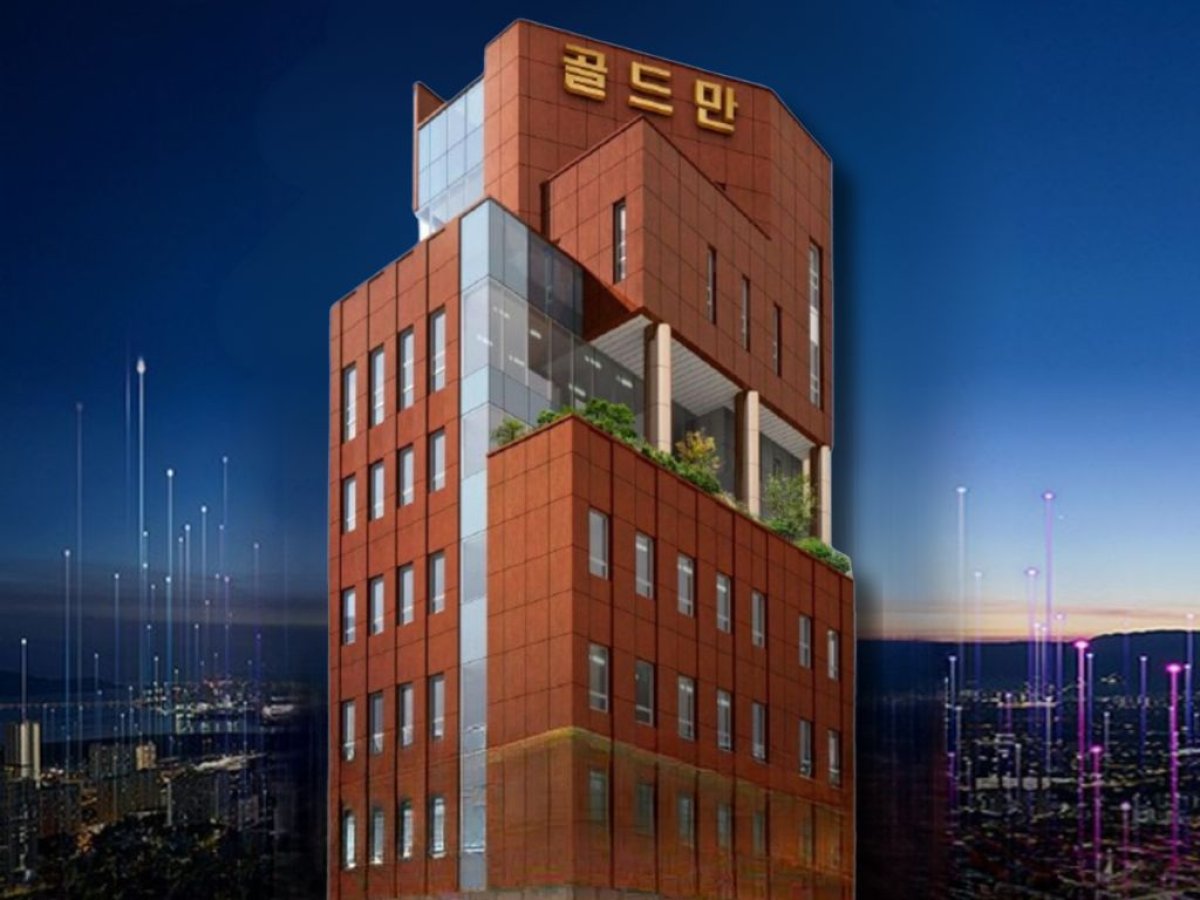
Goldman Urology Clinic Gangnam Branch
احصلوا على تقييم طبي لـ الإحليل تضيق في كوريا الجنوبية: استشيروا أطباء ذوي خبرة الآن
عرض جميع الأطباء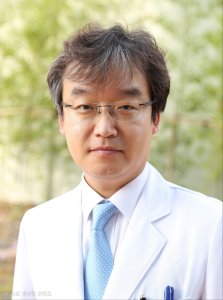
Sohn Dong-wan
الدكتور سون دونغ-وان متخصص في أورام المسالك البولية والسلس البولي والضعف الجنسي. يجري جراحات البروستاتا بالليزر. ويقدم علاجاً روبوتياً وبالتنظير البطني لسرطانات البروستاتا والمثانة والحالب والكلية. كما يعالج انسداد الوصل الحويضي الحالبي.
تشمل ممارساته طفيفة التوغل استئصال الكلية واستئصال البروستاتا بالمنظار. يجري TURBT وTURP بالمنظار المثاني. ويقدم إزالة الحصوات بالليزر عبر المنظار الحالبي واستخراج حصى الكلى عبر الجلد. ويعالج تضخم البروستاتا الحميد (BPH)، والتهاب البروستاتا، وحصوات الم
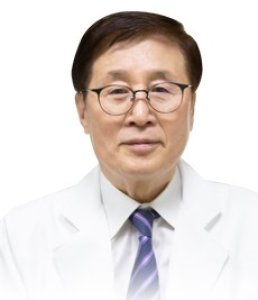
Lee Chunyong
الدكتور لي تشونيونغ طبيب مسالك بولية حاصل على دكتوراه في الطب من كلية الطب بجامعة هانيانغ. يتركز عمله السريري على حصى الكلى والمسالك البولية، بما في ذلك تفتيت الحصى بالموجات الصادمة خارج الجسم (ESWL)، وأمراض البروستات (تضخّم البروستات الحميد BPH، سرطان البروستات، التهاب البروستات)، والضعف الجنسي، وقطع القناة المنوية، والتهاب المثانة، وسلس البول، واضطرابات التبوّل.
شغل منصب مدير مستشفى جامعة هانيانغ. وكان أستاذًا ورئيس قسم المسالك البولية بكلية الطب في جامعة هانيانغ. وتولّى رئاسة الجمعي
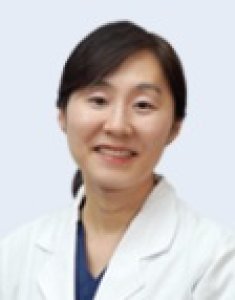
Jang Hyunkyung
الدكتورة جانغ هيون كيونغ طبيبة مسالك بولية حاصلة على البورد. أنهت برنامج الإقامة والزمالة السريرية في Gachon University Gil Medical Center. وعملت لاحقًا أستاذة مساعدة إكلينيكية في طب المسالك البولية في Korea University Ansan Hospital وفي International St. Mary’s Hospital.
تشمل اهتماماتها السريرية تضخم البروستاتا الحميد (BPH)، حصيات الجهاز البولي، سلس البول واضطرابات التبول، والتهابات المسالك البولية. كما تركز على مسالك الذكور، ومسالك الأطفال، والتصوير فوق الصوتي للمسالك البولية.
مشاركة المحتوى
قصص فيديو من مرضى Bookimed
 Anna Leonova
أسئلة متكررة حول علاج الإحليل تضيق في كوريا الجنوبية
ما هي العلاجات الأساسية لتضيق الإحليل في كوريا؟
تعالج مراكز المسالك البولية الكورية تضيق الإحليل باستخدام التوسيع بالمنظار ورأب الإحليل المتقدم. تشمل الخيارات الأساسية توسيع البالون المغطى بالدواء وترقيع الغشاء المخاطي الشدقي. يعطي المتخصصون في سيول وتشونان الأولوية للجراحة الترميمية الشخصية. توفر هذه التقنيات نجاحاً طويل الأمد في الحالات المعقدة أو المتكررة.
- نجاح رأب الإحليل: المعيار الذهبي للقطاعات المتكررة أو الطويلة، حيث يوفر نتائج نهائية.
- التوسيع طفيف التوغل: يستخدم بالونات خاصة مغطاة بالدواء لتوسيع القطاعات الضيقة بفعالية.
- بضع الإحليل بالمنظار: يوفر راحة فورية للتضيقات القصيرة من خلال قطع الندبة داخلياً.
- الخيارات التجديدية: تستخدم بعض العيادات المتخصصة العلاج بالخلايا الجذعية الشريانية لدعم الشفاء.
رؤية خبراء Bookimed: تحتل كوريا مرتبة ضمن أفضل 10 وجهات عالمية للرعاية المعقدة. توضح عيادات مثل RE:YOUTH توجهاً فريداً، حيث تحد من القبول اليومي بمريضين فقط، مما يضمن دقة جراحية مركزة لإعادة بناء الإحليل الدقيقة. هذا الاهتمام الشخصي حيوي للنجاح في أمراض المسالك البولية النادرة أو المزمنة.
إجماع المرضى: يشير المرضى إلى أن التوسيع الأولي غالباً ما يوفر راحة سريعة. ومع ذلك، يؤكدون أن العثور على جراح مسالك بولية ترميمي هو مفتاح الصحة على المدى الطويل. يوصي الكثيرون بالتأكد من أن الجراح متخصص تحديداً في إصلاح الإحليل بدلاً من المسالك البولية العامة.
ما هو معدل نجاح جراحة رأب الإحليل الترميمية في المراكز الكورية؟
تُبلغ المراكز الكورية عن معدل نجاح يبلغ 97.8% لجراحة رأب الإحليل الترميمية للبصيلة. وينخفض معدل النجاح إلى 89.7% لترميمات القضيب و74.1% للحالات الخلفية المعقدة. تُظهر تقنيات المفاغرة الأولية متانة بنسبة 96.8%. وغالبًا ما تتجاوز هذه النتائج المعدلات العالمية في المؤسسات الأكاديمية المتخصصة.
- رأب الإحليل البصلي: يُبلغ عن معدل نجاح بنسبة 97.8% لضيق الإحليل قصير القطعة.
- رأب الإحليل القضيب: يحقق متانة بنسبة 89.7% باستخدام تقنيات الاستبدال أو ترقيع الأنسجة.
- المفاغرة الأولية: يوفر معدل نجاح بنسبة 96.8% عن طريق إزالة الأنسجة الندبية.
- إصلاحات الاستبدال: يحافظ على سالكية طويلة الأمد بنسبة 83.3% للضيق الأطول أو المعقد.
رؤية خبير Bookimed: يعتمد النجاح في كوريا الجنوبية بشكل كبير على منحنى تعلم الجراح. تُظهر البيانات أن المراكز تصل إلى نجاح بنسبة 80% بعد 9 حالات فقط للبصيلة. تتطلب الإصلاحات الخلفية المعقدة المزيد من التكرار لإتقانها. يجب على المرضى إعطاء الأولوية للعيادات ذات الحجم الكبير الحاصلة على اعتماد KOIHA من أجل السلامة. يضمن هذا الاعتماد أن المرافق تلبي بروتوكولات جراحية دولية صارمة.
إجماع المرضى: يؤكد المرضى على أهمية اختيار أخصائي يجري جراحة الترميم أسبوعيًا بدلاً من شهريًا. يشير الكثيرون إلى أنه على الرغم من أن التعافي يستغرق وقتًا أطول من التوسيع، فإن الراحة الدائمة تستحق ذلك.
هل تتوفر جراحة رأب الإحليل بطعم الغشاء المخاطي الشدقي في كوريا؟
تتوفر جراحة رأب الإحليل بطعم الغشاء المخاطي الشدقي (BMG) وتُجرى على نطاق واسع في جمهورية كوريا. تستخدم أقسام المسالك البولية المتخصصة في المراكز الأكاديمية التابعة للتعليم العالي هذه التقنية لعلاج تضيق الإحليل المعقد. تشمل الإجراءات الطعوم في مرحلة واحدة والطعوم الأنبوبية لإصلاح الأجزاء الطويلة. تستخدم هذه العمليات الجراحية أنسجة من باطن الخد.
- توافر الإجراء: توفر المستشفيات الأكاديمية الكورية جراحة رأب الإحليل بطعم الغشاء المخاطي الشدقي في مرحلة واحدة.
- تقنيات متخصصة: يطبق الجراحون الطعوم الأنبوبية لتضيق الإحليل المعقد وطويل القطعة.
- اعتماد المنشأة: تضمن المراكز المعتمدة من قبل KOIHA معايير السلامة الدولية للجراحة الترميمية.
- نوع الرعاية: توفر المؤسسات التعليمية الكبرى رعاية مسالك بولية ترميمية متخصصة بدلاً من العيادات العامة.
رؤية خبير Bookimed: على الرغم من أن كوريا لديها 76 عيادة و1000 مريض سنوياً في أفضل المواقع، إلا أن جراحة المسالك البولية الترميمية تعد تخصصاً دقيقاً. غالباً ما تركز المراكز القياسية على التوسيع بالمنظار أولاً. يتواجد خبراء الترميم عادةً في المستشفيات الجامعية الكبيرة في مدن مثل سيول أو تشونان. تحقق دائماً مما إذا كان الجراح يجري جراحة رأب الإحليل المفتوحة شهرياً.
إجماع المرضى: يؤكد المرضى على أهمية العثور على أخصائي ترميم بدلاً من طبيب مسالك بولية عام. ويشيرون إلى أن السفر إلى المدن الكبرى غالباً ما يكون ضرورياً للعثور على جراحين لديهم خبرة في طعوم الغشاء المخاطي الشدقي.
ما هي الأعراض التي تشير إلى أنني قد أحتاج إلى علاج لتضيق الإحليل؟
تتضمن أعراض تضيق الإحليل بشكل أساسي انسداد المسالك البولية ومشاكل ضغط المثانة. تشمل العلامات الشائعة ضعف تدفق البول، والجهد المبذول لتفريغ المثانة، وصعوبة بدء التبول. التقييم الطبي المبكر في جمهورية كوريا ضروري لمنع حصوات المثانة أو تلف الكلى.
- تدفق البول: يبدو التدفق رقيقًا أو بطيئًا أو أقل قوة بشكل ملحوظ من الطبيعي.
- أنماط التدفق: قد يتناثر البول أو ينقسم أو ينحرف في اتجاهات غير متوقعة.
- تفريغ المثانة: شعور مستمر بالامتلاء يبقى حتى بعد الانتهاء من التبول.
- علامات الإلحاح: تحدث زيادة في التكرار أو التبول الليلي مع ضعف المثانة.
- مؤشرات الطوارئ: العجز المفاجئ والكامل عن التبول يتطلب رعاية فورية.
رؤية خبير Bookimed: تحتل جمهورية كوريا مرتبة عالمية بين أفضل 10 دول في الطلبات الطبية. تركز المراكز المتخصصة مثل RE:YOUTH (عيادة YONSEI BH Arterial Stemcell) على الأساليب التجديدية. غالبًا ما تحد هذه العيادات من القبول اليومي إلى مريضين لضمان رعاية سريرية عالية الكثافة.
إجماع المرضى: يلاحظ المرضى أن التقطير المطول بعد التبول غالبًا ما يكون العلامة الأولى التي يندمون على تجاهلها. على الرغم من أن الألم لا يكون موجودًا دائمًا، فإن التدفق الذي يزداد رقة أو انقسامًا هو السبب الأكثر شيوعًا الذي يدفعهم أخيرًا لطلب المساعدة.
كيف يتم تشخيص تضيق الإحليل في العيادات الكورية؟
تقوم العيادات الكورية بتشخيص تضيق الإحليل باستخدام التصوير عالي الدقة والتصوير المباشر لتحديد مناطق التضيق. تشمل البروتوكولات القياسية قياس تدفق البول وتصوير الإحليل الراجع في المرافق المعتمدة من قبل KOIHA. يستخدم الأخصائيون تنظير المثانة المرن للتأكيد الدقيق. تحدد هذه الاختبارات طول وموقع التضيق لتخطيط جراحي فعال.
- قياس تدفق البول: يقيس هذا الاختبار غير الجراحي سرعة وقوة تدفق البول.
- تصوير الإحليل الراجع: تقوم صبغة التباين والأشعة السينية بتحديد الموقع الدقيق للتضيق.
- تنظير المثانة المرن: توفر كاميرا دقيقة رؤية مباشرة لداخل الإحليل.
- قياس البول المتبقي: يقيس التصوير بالموجات فوق الصوتية البول المتبقي لتقييم كفاءة إفراغ المثانة.
رؤية خبير Bookimed: تحتل كوريا الجنوبية مرتبة ضمن أفضل 10 دول عالمياً في كفاءة البنية التحتية الطبية. تعطي عيادات مثل RE:YOUTH الأولوية للرعاية الشخصية من خلال الحد من استقبال المرضى يومياً. وهذا يسمح لأطباء المسالك البولية بإجراء فحوصات تشخيصية شاملة في زيارة واحدة. كما يقلل الجدولة الفعالة الوقت المستغرق من الفحص الأولي إلى التخطيط للجراحة.
إجماع المرضى: يشير المرضى إلى أن التشخيص في كوريا يتسم بالكفاءة والاعتماد على الإجراءات. ويؤكدون أن تنظير المثانة المرن هو الطريقة الأكثر دقة لتأكيد التضيق. يقترح الكثيرون إحضار جدول زمني واضح لتغيرات تدفق البول إلى الموعد الأول.
ما الذي يجب أن أتوقعه أثناء التعافي بعد رأب الإحليل في كوريا؟
يتضمن التعافي بعد رأب الإحليل في كوريا إقامة في المستشفى لمدة يوم إلى 3 أيام. يستخدم المرضى عادةً قسطرة بولية لمدة تتراوح بين 10 إلى 20 يوماً. يستغرق التعافي الكامل عادةً 6 أسابيع. وتعتبر معدلات النجاح المرتفعة أمراً شائعاً بفضل مراكز المسالك البولية المتخصصة والمعتمدة من قبل KOIHA.
- مدة بقاء القسطرة: توقع بقاء الأنبوب لمدة تتراوح بين أسبوع إلى 4 أسابيع.
- حدود النشاط: تجنب رفع الأشياء الثقيلة وممارسة التمارين الشاقة لمدة أسبوعين على الأقل.
- الاحتياجات الغذائية: الأطعمة اللينة مطلوبة إذا تم استخدام طعم من الفم.
- اختبارات المتابعة: تؤكد فحوصات التصوير مثل تصوير الإحليل الراجع (RUG) التئام الجرح قبل إزالة القسطرة.
رؤية خبير Bookimed: تعطي العيادات الكورية الأولوية لسلامة المرضى واهتمامهم من خلال الحد من عدد المرضى اليومي. على سبيل المثال، تقبل RE:YOUTH مريضين فقط يومياً لتقديم رعاية مركزة. يضمن هذا النهج المخصص مراقبة الجراحين لعلامات التعافي المبكرة بشكل أدق مما هو عليه في البيئات ذات الحجم الكبير من المرضى.
إجماع المرضى: يلاحظ المرضى أن التعامل مع تشنجات المثانة وعدم الراحة الناجم عن القسطرة أكثر صعوبة من الألم الجراحي نفسه. يقترح معظمهم الاستعداد لشعور كبير بالراحة النفسية أثناء أول دراسة للتبول بعد إزالة الأنبوب.