التحصي البولي العلاج في كوريا الجنوبية - التكاليف 2026


تمت مراجعة المقالة طبيا من قبل
فهد مولود
ما هي تكلفة التحصي البولي إجراءات التشخيص والعلاج في كوريا الجنوبية؟ اعرف الآن
تعتمد تكلفة علاج حصوات المسالك البولية في جمهورية كوريا عادةً على حجم الحصوة والنهج الجراحي المختار، حيث تتراوح أسعار استشارة طبيب المسالك البولية من $50 إلى $65. تتراوح تكلفة العلاجات الأولية مثل تفتيت الحصوات بالموجات التصادمية أو الجراحة بالمنظار بالليزر بشكل عام بين 5,000 دولار و15,000 دولار. تتأثر النفقات الإجمالية بمستوى العيادة ومدة الإقامة، مما يوفر وفورات تتراوح بين 30-50% مقارنة بالولايات المتحدة. تقع أفضل مراكز العلاج في سيول وإنشيون.
تكاليف علاج حصوات المسالك البولية النموذجية في جمهورية كوريا
- استشارة طبيب مسالك بولية: $50 – $65
- تحليل صورة الدم الكاملة: من $30
- تحليل دم موسع: من $200
- تخطيط كهربية القلب (ECG): من $30
رؤية خبراء Bookimed: يجب على المرضى الذين يعانون من حصوات معقدة أو متكررة إعطاء الأولوية للمراكز ذات الكثافة العالية مثل مركز أسان الطبي (Asan Medical Center). حيث يدير المركز أكثر من 60,000 عملية جراحية سنويًا باستخدام قدرات روبوتية متقدمة. بالنسبة لأولئك الذين يبحثون عن رعاية متخصصة، يُعد الدكتور لي تشون يونغ في مستشفى نا-أون (Na-Eun Hospital) خبيرًا معترفًا به في تفتيت الحصوات بالموجات التصادمية من خارج الجسم. تستخدم المرافق الرقمية الرائدة مثل مستشفى جامعة سيول الوطنية في بوندانغ (SNUBH) أنظمة متكاملة لتقليل الأخطاء الطبية أثناء العلاج.
| كوريا الجنوبية | تركيا | إسبانيا | |
|---|---|---|---|
| تنظير الحالب المرن | ≈ $4,200 | من $3,800 | ≈ $4,300 |
| تفتيت حصيات مجرى البول بالمنظار | ≈ $2,300 | من $7,500 | من $10,700 |
| تفتيت الحصى بالليزر | من $6,000 | ≈ $1,500 | ≈ $3,600 |
| الدعامة الحالب | ≈ $1,800 | من $1,200 | من $6,300 |
مزاياك وضماناتك مع Bookimed
أسعار مباشرة
Bookimed لا يضيف رسوماً إضافية على أسعار علاج التحصي البولي. الأسعار مأخوذة من قوائم الأسعار الرسمية للعيادات. تدفع مباشرة في العيادة مقابل علاجك عند وصولك إلى البلد.
عيادات وأطباء معتمدون فقط
Bookimed ملتزم بسلامتك. نحن نعمل فقط مع المؤسسات الطبية التي تحافظ على معايير دولية عالية في علاج التحصي البولي ولديها التراخيص اللازمة لخدمة المرضى الدوليين في جميع أنحاء العالم.
مساعدة مجانية على مدار الساعة
Bookimed يقدم مساعدة خبراء مجانية. منسق طبي شخصي يدعمك قبل وأثناء وبعد العلاج، ويحل أي مشاكل. لن تكون وحيداً أبداً في رحلة علاج التحصي البولي.

منسقك الطبي الشخصي في Bookimed
- يدعمك في كل مرحلة
- المساعدة في اختيار العيادة الطبية المناسبة والطبيب المناسب
- يضمن الوصول السريع والمريح إلى المعلومات
اكتشف أفضل التحصي البولي العيادات في كوريا الجنوبية: 10 خيارات معتمدة والأسعار
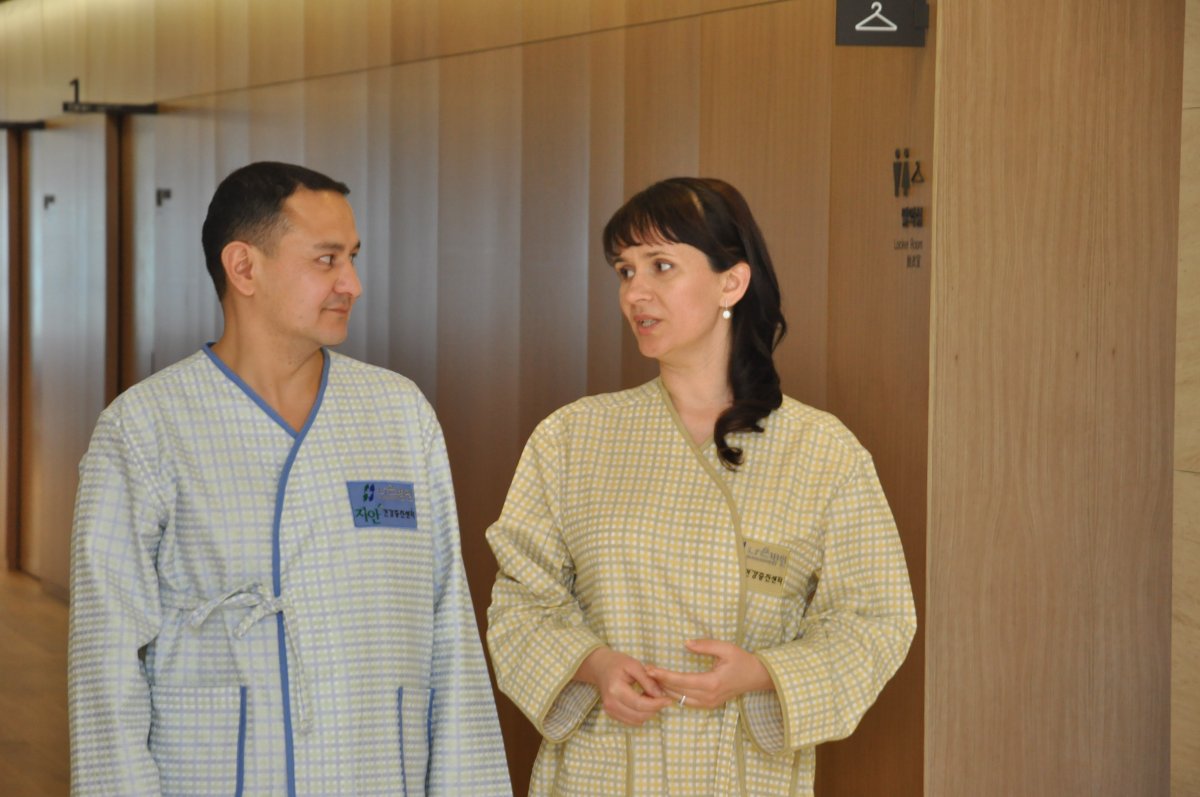











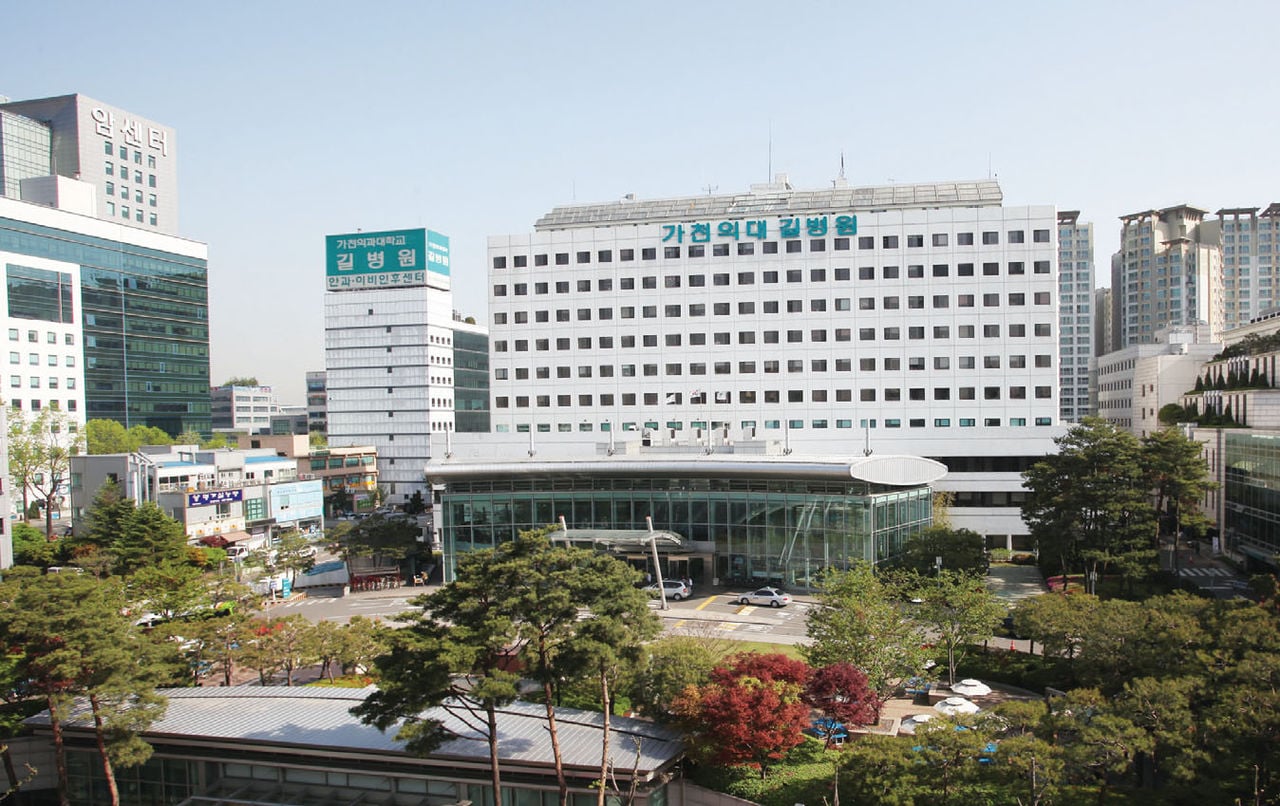




MizMedi Women`s hospital

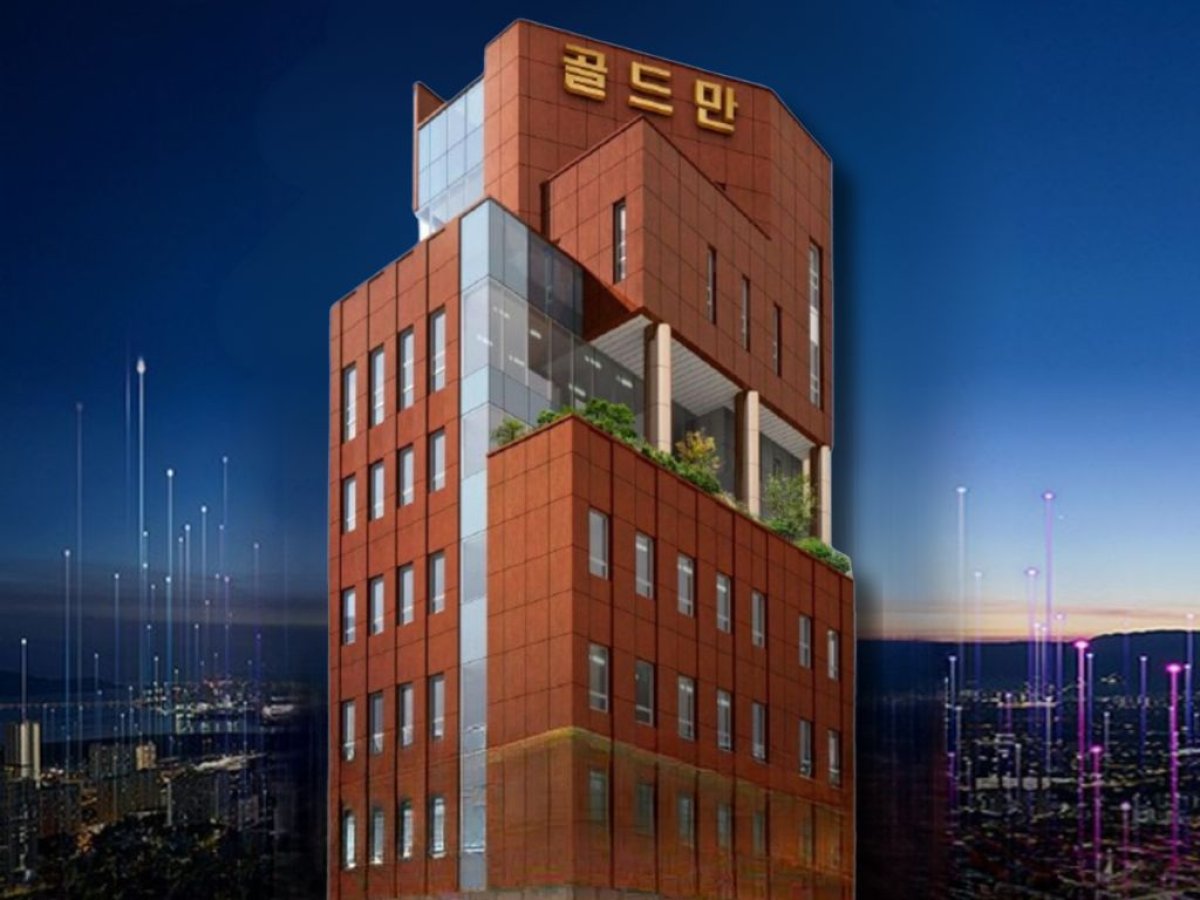
Goldman Urology Clinic Gangnam Branch
احصلوا على تقييم طبي لـ التحصي البولي في كوريا الجنوبية: استشيروا أطباء ذوي خبرة الآن
عرض جميع الأطباء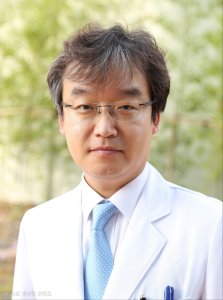
Sohn Dong-wan
الدكتور سون دونغ-وان متخصص في أورام المسالك البولية والسلس البولي والضعف الجنسي. يجري جراحات البروستاتا بالليزر. ويقدم علاجاً روبوتياً وبالتنظير البطني لسرطانات البروستاتا والمثانة والحالب والكلية. كما يعالج انسداد الوصل الحويضي الحالبي.
تشمل ممارساته طفيفة التوغل استئصال الكلية واستئصال البروستاتا بالمنظار. يجري TURBT وTURP بالمنظار المثاني. ويقدم إزالة الحصوات بالليزر عبر المنظار الحالبي واستخراج حصى الكلى عبر الجلد. ويعالج تضخم البروستاتا الحميد (BPH)، والتهاب البروستاتا، وحصوات الم
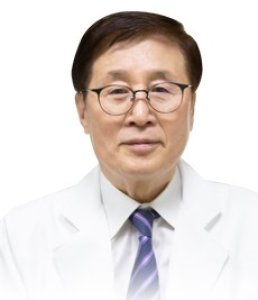
Lee Chunyong
الدكتور لي تشونيونغ طبيب مسالك بولية حاصل على دكتوراه في الطب من كلية الطب بجامعة هانيانغ. يتركز عمله السريري على حصى الكلى والمسالك البولية، بما في ذلك تفتيت الحصى بالموجات الصادمة خارج الجسم (ESWL)، وأمراض البروستات (تضخّم البروستات الحميد BPH، سرطان البروستات، التهاب البروستات)، والضعف الجنسي، وقطع القناة المنوية، والتهاب المثانة، وسلس البول، واضطرابات التبوّل.
شغل منصب مدير مستشفى جامعة هانيانغ. وكان أستاذًا ورئيس قسم المسالك البولية بكلية الطب في جامعة هانيانغ. وتولّى رئاسة الجمعي
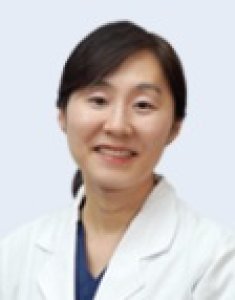
Jang Hyunkyung
الدكتورة جانغ هيون كيونغ طبيبة مسالك بولية حاصلة على البورد. أنهت برنامج الإقامة والزمالة السريرية في Gachon University Gil Medical Center. وعملت لاحقًا أستاذة مساعدة إكلينيكية في طب المسالك البولية في Korea University Ansan Hospital وفي International St. Mary’s Hospital.
تشمل اهتماماتها السريرية تضخم البروستاتا الحميد (BPH)، حصيات الجهاز البولي، سلس البول واضطرابات التبول، والتهابات المسالك البولية. كما تركز على مسالك الذكور، ومسالك الأطفال، والتصوير فوق الصوتي للمسالك البولية.

Dong Hyeon Lee
بفضل تركيزه الأكاديمي القوي، أكمل الدكتور دونغ هيون لي تدريباً مكثفاً في أفضل المؤسسات الطبية في كوريا الجنوبية.
- حصل على درجة الدكتوراه (Ph.D.) من كلية الطب بجامعة سونغكيونكوان
- أكمل درجة دكتور في الطب (M.D.) في كلية الطب المرموقة بجامعة يونسي
- باحث منشور له العديد من الأوراق الطبية
- عضو في الجمعيات الطبية ذات الصلة
- يعمل في مركز إيهوا الطبي النسائي الشهير
مشاركة المحتوى
قصص فيديو من مرضى Bookimed
 Anna Leonova
أسئلة متكررة حول علاج التحصي البولي في كوريا الجنوبية
ما هي خيارات العلاج الرئيسية المتاحة في كوريا؟
تقدم كوريا الجنوبية علاجات متقدمة لتحصي البول بما في ذلك تفتيت الحصوات بالموجات التصادمية من خارج الجسم (ESWL) وتفتيت الحصوات بالليزر. تقوم مراكز متخصصة بإجراءات تنظير الإحليل وتنظير الحالب المرن (URS) طفيفة التوغل. تضمن هذه الأساليب معدلات نجاح عالية وتعافياً سريعاً للمرضى الذين يعانون من حصوات الكلى أو الحالب.
- تفتيت الحصوات بالليزر: يستخدم ليزر هولميوم لتفتيت الحصوات أثناء الإجراءات التنظيرية أو المرنة.
- الجراحة طفيفة التوغل: تشمل جراحة الكلى عبر الجلد المصغرة (mini-PCNL) وجراحة الكلى عبر الجلد في وضع الاستلقاء (supine PCNL) لعلاج حصوات الكلى الأكبر حجماً.
- التشخيص المتقدم: يتم تأكيد موقع الحصوة بدقة عبر فحوصات الأشعة المقطعية المتخصصة وديناميكا البول.
- البنية التحتية الرقمية: تستخدم مستشفيات مثل مستشفى جامعة سيول الوطنية في بوندانغ نظام BESTcare لمنع الأخطاء الطبية.
رؤية خبير Bookimed: تعالج المؤسسات الكورية واسعة النطاق مثل مستشفى جامعة سيول الوطنية في بوندانغ أكثر من 1,500,000 مريض سنوياً. يضمن هذا الحجم الهائل احتفاظ الفرق الجراحية بأعلى مستويات الكفاءة في إزالة الحصوات المعقدة. تقدم العديد من المراكز أيضاً برامج متخصصة للنساء، مثل المركز الطبي لجامعة إيهوا للإناث.
إجماع المرضى: غالباً ما يشير المرضى إلى مدى سرعة تشخيصهم وعلاجهم دون انتظار لأسابيع. إنهم يقدرون الأنظمة الرقمية التي تحافظ على سهولة الوصول إلى جميع السجلات الطبية وتنظيمها طوال فترة إقامتهم.
كم من الوقت يجب أن أبقى في كوريا الجنوبية لتلقي العلاج؟
لعلاج حصوات المسالك البولية في كوريا الجنوبية، يجب على المرضى الدوليين التخطيط لإقامة تتراوح بين 7 إلى 10 أيام. يغطي هذا الإطار الزمني الاستشارات الأولية، وإجراءات إزالة الحصوات مثل تفتيت الحصوات، والمراقبة بعد العملية الجراحية. قد تتطلب الحالات المعقدة التي تنطوي على حصوات كبيرة أو جراحة عن طريق الجلد ما يصل إلى 14 يومًا للتعافي.
- الجدول الزمني للاستشارة: فحوصات بدنية كاملة ومسح مقطعي في اليوم الأول أو الثاني.
- نافذة الإجراء: عادة ما تحدث العمليات الجراحية في اليوم الثاني أو الثالث من الرحلة.
- فترة المراقبة: خطط ليوم أو يومين من المراقبة الأولية في المستشفى بعد الإجراء.
- فترة التعافي: ابقَ بالقرب من العيادة لمدة 4 إلى 7 أيام قبل السفر.
رؤية خبير Bookimed: بينما تعالج المراكز الكبرى مثل مركز أسان الطبي أكثر من 11,000 مريض خارجي يوميًا، فإنها تحافظ على سرعة عالية في الخروج. تعني هذه الكفاءة أن المرضى الدوليين يجب أن يتتبعوا بشكل استباقي جدول إزالة الدعامة الخاص بهم. يؤكد كبار المتخصصين مثل الدكتور لي تشون يونغ، الذي يشغل مناصب قيادية في الجمعية الكورية لأمراض المسالك البولية، أن الإدارة في الوقت المناسب للدعامة تمنع مضاعفات السفر الشائعة مثل التهابات المسالك البولية بعد العملية الجراحية.
إجماع المرضى: يشير المرضى إلى أنه على الرغم من أن الخروج يحدث بسرعة، إلا أن ذروة الانزعاج من الدعامات تحدث غالبًا بين اليوم الرابع والسادس. يوصون بحجز فنادق على مسافة قريبة من المستشفى لإدارة تصوير المتابعة دون تنقلات طويلة.
ما هي المستشفيات الموصى بها للمرضى الدوليين؟
تقدم كوريا الجنوبية مستشفيات عالية الأداء لعلاج تحصي البول. تستخدم المراكز الأعلى تصنيفاً في سيول وإنشيون تفتيت الحصوات بالليزر وتنظير الحالب المرن. تحمل هذه المرافق اعتماد اللجنة الدولية المشتركة (JCI). وهي توفر رعاية متخصصة للمرضى الدوليين باستخدام تكنولوجيا طبية متقدمة.
- مركز آسان الطبي (Asan Medical Center): أكبر مركز متعدد التخصصات يعالج أكثر من 180,000 مريض سنوياً.
- مستشفى جامعة سيول الوطنية في بوندانغ (SNU Bundang Hospital): يستخدم نظام BESTcare الرقمي لزيادة سلامة العلاج إلى أقصى حد.
- تقنيات العلاج: تقدم المراكز تفتيت الحصوات بالموجات التصادمية من خارج الجسم وتفتيت الحصوات بالليزر عبر الإحليل.
- حالة الاعتماد: تحمل المرافق تصنيفات مرموقة من مجلة نيوزويك لأفضل مستشفيات العالم واعتمادات JCI.
رؤية خبراء Bookimed: بينما يجري مركز آسان الطبي أكثر من 65,000 عملية سنوياً، يجب على المرضى ملاحظة البنية التحتية الرقمية في مستشفى جامعة سيول الوطنية في بوندانغ. لقد كان أول مستشفى رقمي في البلاد. يعمل هذا النظام على تحسين الدقة بشكل كبير أثناء الإجراءات المعقدة مثل تنظير الحالب المرن لحصوات الكلى.
إجماع المرضى: يقدر المرضى كفاءة فرق التنسيق في المستشفيات الكورية. وغالباً ما يشيرون إلى أن العملية المبسطة للزوار الدوليين تجعل التعامل مع العلاجات المعقدة أسهل بكثير.
ما هي التدابير المتخذة لمنع تكرار حصوات الكلى؟
يتضمن منع تكرار الحصوات في كوريا الجنوبية خططاً غذائية متخصصة وإدارة طبية. يعتمد النجاح على تحليل دقيق للحصوات وجمع البول على مدار 24 ساعة. يستخدم الخبراء هذه النتائج لتطبيع مستويات المعادن. تشمل الخطوات الرئيسية تناول كميات كبيرة من السوائل وأدوية مستهدفة مثل سترات البوتاسيوم لتثبيط تكوين البلورات.
- أهداف الترطيب: اشرب السوائل لإنتاج 2 إلى 2.5 لتر من البول يومياً.
- تحليل الحصوات: اختبارات معملية تحدد التركيب الكيميائي لتصميم استراتيجيات وقائية طويلة الأمد.
- العلاج الدوائي: استخدام مدرات البول الثيازيدية أو الوبيورينول لموازنة مستويات الكالسيوم وحمض اليوريك.
- التعديلات الغذائية: تقليل الصوديوم والبروتينات الحيوانية مع الحفاظ على تناول صحي للكالسيوم من الطعام.
رؤية خبير Bookimed: تسمح البنية التحتية الرقمية في كوريا لعيادات مثل مستشفى جامعة سيول الوطنية بوندانغ بتتبع الأنماط الأيضية بدقة. يساعد نظام BESTcare الخاص بهم في منع الأخطاء في الإدارة المزمنة. يستفيد المرضى الاستباقيون من النطاق التشخيصي عالي التقنية في البلاد. يساعد جدولة فحوصات الموجات فوق الصوتية كل 6 أشهر في المراكز الكبرى على اكتشاف الحصوات الدقيقة مبكراً قبل أن تتطلب جراحة.
إجماع المرضى: يشير المرضى إلى أن شرب 3 إلى 4 لترات من الماء يومياً أمر حيوي. يضيف الكثيرون الليمون إلى مياههم ويجدون أن الفحوصات المنتظمة تكتشف المشاكل الصغيرة قبل أن تصبح مؤلمة.