عيادات طب الجهاز البولي في ألمانيا


تمت مراجعة المقالة طبيا من قبل
فهد مولود
ما هي تكلفة طب الجهاز البولي في ألمانيا؟ اكتشف الآن
تتراوح تكلفة جراحة المسالك البولية في ألمانيا عادةً ما بين $14,400 و $22,900. تعتمد الأسعار النهائية على التقنية الجراحية المحددة، ومدة الإقامة في المستشفى، وأتعاب الجراح التي ينظمها نظام GOÄ. يمكن للمرضى الدوليين توفير ما يقرب من 40-50% مقارنة بتكاليف الإجراءات المماثلة في الولايات المتحدة.
تكاليف المسالك البولية النموذجية في ألمانيا
- استشارة طبيب مسالك بولية: من $180
- فحص المسالك البولية: من $830
- تصوير مقطعي بالإصدار البوزيتروني (PET-CT) باستخدام الغاليوم 68 (PSMA): السعر عند الطلب
- الختان: السعر عند الطلب
- استئصال الأسهر (قطع القناة الدافقة): السعر عند الطلب
- استئصال الكلية: من $15,000
- استئصال البروستاتا الروبوتي بنظام دافنشي: $17,000 – $22,000
- العلاج بالخلايا الجذعية لضعف الانتصاب: السعر عند الطلب
- انصمام دوالي الخصية: السعر عند الطلب
- تصحيح انحناء القضيب: السعر عند الطلب
تنتشر مراكز المسالك البولية المتخصصة بشكل بارز في برلين وميونخ وهامبورغ وفرانكفورت ودورتموند. قد تكون الأسعار في المستشفيات الجامعية الكبيرة في برلين أو ميونخ أعلى قليلاً منها في المراكز الإقليمية. استشر أخصائياً للحصول على تسعير دقيق لاحتياجاتك الطبية المحددة.
| تركيا | إسبانيا | ألمانيا | |
|---|---|---|---|
| نانو نايف NanoKnife | ≈ $9,500 | ≈ $9,500 | ≈ $9,500 |
| الموجات الفوق صوتية عالية التكثيف المركزة HIFU | من $10,000 | من $8,000 | ≈ $8,500 |
| التبخير (باستخدام ليزر GreenLight) | من $3,000 | من $7,500 | من $5,500 |
| استئصال المثانة عبر الاحليل | من $6,200 | ≈ $4,200 | من $4,700 |
| استئصال المثانة | من $9,000 | من $28,000 | من $22,000 |
جميع أمراض طب الجهاز البولي
مزاياك وضماناتك مع Bookimed
أسعار مباشرة
Bookimed لا يضيف رسوماً إضافية على أسعار علاج طب الجهاز البولي. الأسعار مأخوذة من قوائم الأسعار الرسمية للعيادات. تدفع مباشرة في العيادة مقابل علاجك عند وصولك إلى البلد.
عيادات وأطباء معتمدون فقط
Bookimed ملتزم بسلامتك. نحن نعمل فقط مع المؤسسات الطبية التي تحافظ على معايير دولية عالية في علاج طب الجهاز البولي ولديها التراخيص اللازمة لخدمة المرضى الدوليين في جميع أنحاء العالم.
مساعدة مجانية على مدار الساعة
Bookimed يقدم مساعدة خبراء مجانية. منسق طبي شخصي يدعمك قبل وأثناء وبعد العلاج، ويحل أي مشاكل. لن تكون وحيداً أبداً في رحلة علاج طب الجهاز البولي.

منسقك الطبي الشخصي في Bookimed
- يدعمك في كل مرحلة
- المساعدة في اختيار العيادة الطبية المناسبة والطبيب المناسب
- يضمن الوصول السريع والمريح إلى المعلومات
اكتشف أفضل عيادات طب الجهاز البولي: 40 خيارات معتمدة والأسعار









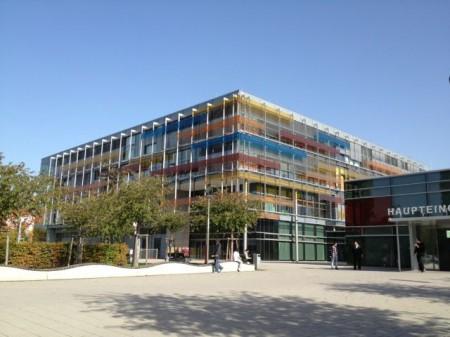
Hospital Havelhoehe





University Hospital in Haydelberge

Kerckhoff clinic
أفضل مراكز طب الجهاز البولي في ألمانيا
- Medical Center in Solingen, ألمانيا
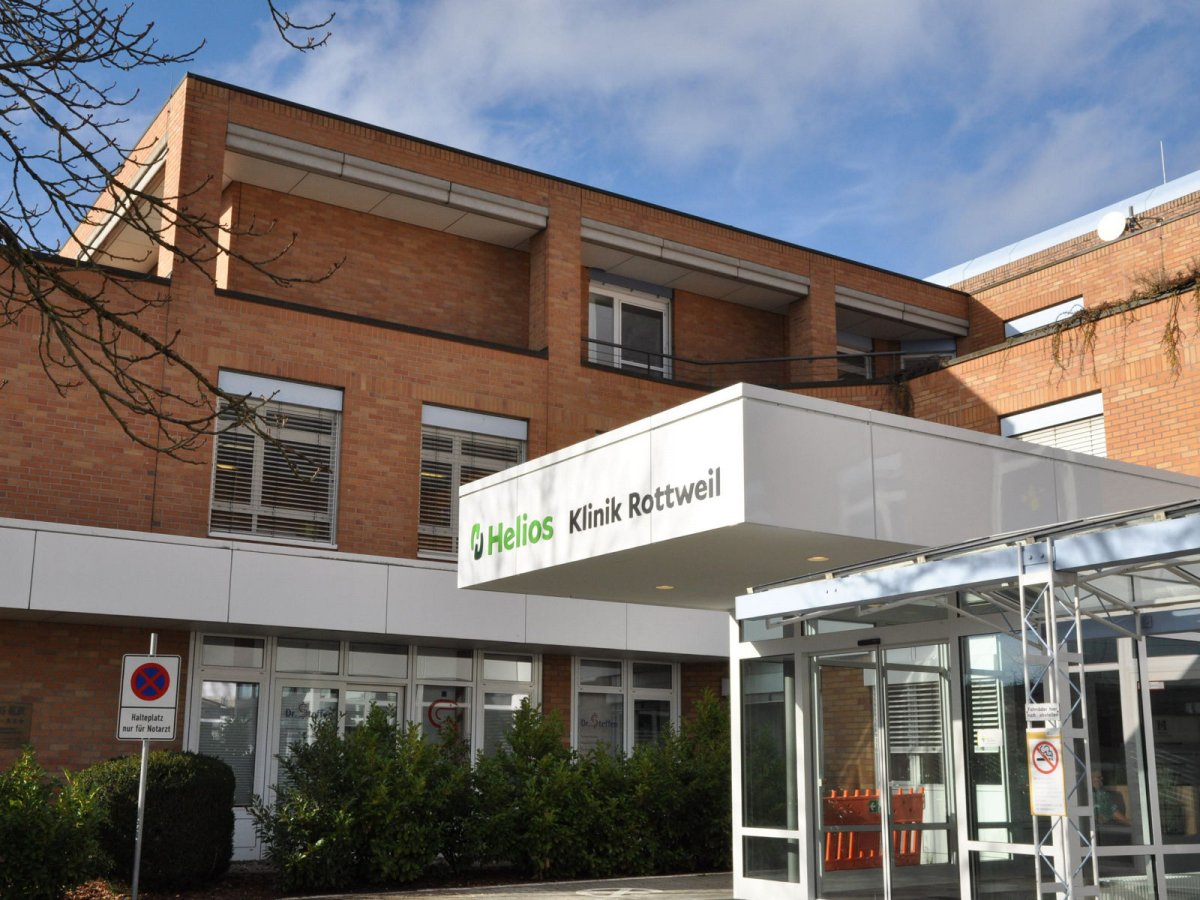
- Helios Gesundheit, ألمانيا
- Nordwest Clinic (Krankenhaus), ألمانيا
- Nordrhein-Westfalen Clinic Complex, ألمانيا
- Hospital Havelhoehe, ألمانيا
- Charité - Universitätsmedizin Berlin, ألمانيا
- University Hospital Carl Gustav Carus Dresden, ألمانيا
- University Hospital Aachen, ألمانيا
- University Hospital in Haydelberge, ألمانيا
- Kerckhoff clinic, ألمانيا
احصل على تقييم طبي لـ طب الجهاز البولي في ألمانيا. استشر الآن 9 أطباء ذوي الخبرة.
عرض جميع الأطباء
Séverine Iborra
تدير الدكتورة سيفيرين إيبورا قسم أمراض النساء في مستشفى شتادتشيس كلينيكوم زولينغن، وهي متخصصة في طب المسالك البولية النسائية وجراحة إعادة بناء الحوض.
- حاصلة على شهادة في طب المسالك البولية النسائية وجراحة إعادة بناء الحوض
- خبيرة في التقنيات طفيفة التوغل، بما في ذلك الإجراءات بمساعدة الروبوت
- رئيسة أطباء ذات دور قيادي في مستشفى كبير
- عضو نشط في الجمعيات الألمانية الرائدة لأمراض النساء

Jan Fichtner
يعد البروفيسور يان فيشتنر أحد كبار أطباء المسالك البولية في ألمانيا، وقد كرمته مجلة فوكس لخبرته في أمراض البروستاتا الحميدة وجراحات المسالك البولية.
- رئيس قسم المسالك البولية في مجمع عيادات نوردراين فيستفالن
- رئيس الجمعية الألمانية لجراحة المسالك البولية
- فائز بـ 5 جوائز، بما في ذلك جائزة الجمعية الأمريكية لجراحة المسالك البولية
- مؤلف لـ 152 مقالاً علمياً و28 كتاباً
المراجعات
جميع المراجعاتمواد ذات صلة

ما هو أحدث علاج لضعف الانتصاب؟
كتب بواسطة Mariia Mytrofankina

ما هي تكلفة علاج ضعف الانتصاب في عام 2025؟
كتب بواسطة Mariia Mytrofankina

ما هي تكلفة علاج الورم الحميد (تضخم البروستاتا الحميد)؟
كتب بواسطة Veronika Kazina

ما هي تكلفة علاج التهاب البروستاتا؟
كتب بواسطة Veronika Kazina
مشاركة المحتوى
قصص فيديو من مرضى Bookimed
 Anna Leonova
أسئلة متكررة حول طب الجهاز البولي في ألمانيا
لماذا تعتبر ألمانيا خياراً أول لعلاج سرطان المسالك البولية؟
تعد ألمانيا مركزاً رائداً لعلاج سرطان المسالك البولية بفضل دمجها بين الدقة الروبوتية والخبرة المتخصصة. تستخدم المرافق أنظمة دافنشي (Da Vinci) لاستئصال البروستاتا مع الحفاظ على الأعصاب لضمان استمرار الوظائف الحيوية. تجذب معدلات البقاء على قيد الحياة المرتفعة وشهادات الجمعية الألمانية للسرطان (DKG) آلاف المرضى الدوليين سنوياً.
- التكنولوجيا المتقدمة: تستخدم العيادات أنظمة دافنشي الروبوتية لإجراء جراحات طفيفة التوغل تحافظ على الأعضاء.
- الاعتمادات المتخصصة: تمتلك العديد من المراكز اعتمادات من الدرجة الأولى من الجمعية الألمانية للسرطان (DKG) ومجلة Focus.
- أحجام العمليات المرتفعة: يخدم مجمع عيادات شمال الراين-وستفاليا 145,000 مريض سنوياً عبر 5 مستشفيات متخصصة.
- القيادة الخبيرة: البروفيسور الدكتور يان فيشتنر هو رئيس الجمعية الألمانية للمسالك البولية.
رؤية خبراء Bookimed: تظهر بياناتنا وجود علاقة بين حجم المرضى والابتكار في طب المسالك البولية الألماني. تدير المراكز ذات السعة العالية مثل عيادة نوردويست (Nordwest) 5 معاهد بحثية منفصلة. يسمح هذا التكامل للمرضى بالوصول إلى لقاحات مضادة للسرطان وتشخيصات بالموجات فوق الصوتية ثلاثية الأبعاد قبل سنوات من تحولها إلى معيار قياسي في أماكن أخرى. تضمن هذه الخبرة المدفوعة بحجم العمليات أن الجراحين غالباً ما يمتلكون أكثر من 20 عاماً من الخبرة المحددة في جراحة الأورام.
إجماع المرضى: يقدر المرضى التواصل الشفاف ويشيرون إلى أن أطباء المسالك البولية الألمان غالباً ما يقدمون خيارات علاجية متعددة
ما الذي يجب علي فعله إذا كنت أشك في وجود تشخيص خاطئ في بلدي الأم؟
يتطلب تأكيد الاشتباه في وجود تشخيص مسالك بولية خاطئ الحصول على رأي ثانٍ فوري من متخصص مستقل. يجب عليك طلب جميع صور التشخيص وتقارير المختبر لتسهيل إجراء مراجعة جديدة. توفر المستشفيات الجامعية الألمانية مثل مستشفى شاريتيه في برلين أو المراكز المتخصصة في فرانكفورت وسولينغن عمليات إعادة تقييم تشخيصية متقدمة.
- استشارة الخبراء: استشر خبراء مستقلين مثل البروفيسور الدكتور سيباستيان ميلكيور أو البروفيسور الدكتور إدوارد بيشت.
- التشخيص المتقدم: استخدم أدوات عالية الدقة مثل التصوير المقطعي بالإصدار البوزيتروني (PET-CT) مع الغاليوم 68 (PSMA) للحصول على رسم دقيق للبروستاتا.
- السجلات الرقمية: يمكنك الوصول إلى ملفك الطبي الكامل عبر تطبيق السجل الصحي الإلكتروني (ePA) لمشاركته.
- المراجعة عن بُعد: رتب استشارة عبر الإنترنت مع طبيب مسالك بولية لمراجعة نتائج الاختبارات الحالية عن بُعد.
رؤية خبير Bookimed: تظهر البيانات أن المرضى الذين يبحثون عن آراء ثانية في ألمانيا يختارون غالبًا المستشفيات الجامعية مثل شاريتيه برلين. تعمل هذه المؤسسات كمراكز بحثية تضم أكثر من 100 قسم. تضمن هذه البيئة مراجعة حالات المسالك البولية المعقدة من قبل مجالس متعددة التخصصات بدلاً من طبيب واحد. تقلل هذه الخبرة الجماعية بشكل كبير من خطر حدوث أخطاء في التشخيص.
إجماع المرضى: يشير المرضى إلى أن الحصول على رأي ثانٍ بسرعة أمر حيوي، وغالبًا ما يقترحون التأمين الخاص أو تصنيف الحالات على أنها حادة لتجاوز قوائم الانتظار الطويلة. ويؤكدون أن المتخصصين المحترفين الناطقين بالإ
ما هي التقنيات المتقدمة المتاحة لجراحة المسالك البولية في ألمانيا؟
تستخدم جراحة المسالك البولية المتقدمة في ألمانيا أنظمة دافنشي Xi الروبوتية، وتشخيصات PSMA-PET-CT، وعلاجات الليزر المتخصصة. تقدم العيادات خزعات دمج الرنين المغناطيسي المدعومة بالذكاء الاصطناعي والعلاجات البؤرية مثل HIFU للحفاظ على وظائف الأعضاء. تتيح هذه التقنيات إزالة الأورام بدقة مع تقليل أوقات التعافي والمضاعفات الجراحية.
- الأنظمة الروبوتية: يستخدم المركز الطبي في سولينغن روبوتات دافنشي لاستئصال البروستاتا طفيف التوغل.
- التشخيص الدقيق: تتراوح تكلفة فحوصات PSMA-PET-CT من السعر عند الطلب إلى السعر عند الطلب للكشف الدقيق عن النقائل.
- استئصال الليزر: توفر ليزر HoLEP والثوليوم علاجاً فعالاً وخالياً من الحرارة لتضخم البروستاتا الحميد.
- العلاج الموجه: تتخصص عيادة نوردويست في لقاحات مكافحة السرطان والعلاجات الموجهة المبتكرة في علم الأورام.
رؤية خبراء Bookimed: تدمج المستشفيات الجامعية الألمانية مثل شاريتيه - مستشفى برلين الجامعي التشخيص المدعوم بالذكاء الاصطناعي كبروتوكول قياسي. تظهر بياناتنا أن هذه المراكز ذات الحجم الكبير، التي تخدم أكثر من 800,000 مريض سنوياً، غالباً ما توفر وصولاً أسرع إلى الجراحة الروبوتية مقارنة بالمرافق الإقليمية الأصغر. يسمح هذا الحجم للجراحين بالحفاظ على كفاءة عالية مع المعدات المعقدة مثل روبوت دافنشي Xi.
إجماع المرضى: يشير المرضى إلى أن الإجراءات الروبوتية تؤدي غالباً إلى تعافٍ سريع. ذكر أحد المرضى عودته إلى العمل بعد أسبوعين فقط من الجراحة مع فقدان دم
ما مدى سرعة الحصول على موعد كمرضى دوليين؟
عادةً ما يتلقى المرضى الدوليون رداً في غضون 24 إلى 48 ساعة لمواعيد المسالك البولية في ألمانيا. تسهل الأقسام المتخصصة في مراكز مثل المركز الطبي في سولينغن أو عيادة نوردويست مراجعة السجلات الطبية بشكل سريع. تختلف مواعيد الاستشارة المؤكدة عموماً من أسبوع إلى 4 أسابيع بناءً على درجة الاستعجال.
- الرد الأولي: تتواصل الأقسام الدولية المخصصة عادةً في غضون يوم إلى يومي عمل.
- مراجعة الأخصائي: يقوم الأطباء بمراجعة السجلات الطبية في غضون يوم أو يومين قبل تحديد الموعد.
- الأولوية الجراحية: يتم إعطاء الأولوية لحالات الأورام العاجلة على الإجراءات الاختيارية مثل قطع القناة الدافقة أو الختان.
- سرعة التشخيص: تستخدم مرافق مثل مستشفى شاريتيه - جامعة برلين للطب التصوير الرقمي لتسريع التشخيص.
رؤية خبير Bookimed: غالباً ما تتمتع العيادات ذات الحجم الكبير مثل مجمع عيادات شمال الراين-وستفاليا، الذي يخدم 145,000 مريض سنوياً، بمواعيد أكثر مرونة. يمكن أن يؤدي اختيار شبكات أكبر موزعة على عدة مبانٍ إلى تقليل وقت انتظارك للاستشارات الأولية بعدة أيام. وذلك لأن لديهم المزيد من الموظفين المتاحين للتقييمات الأولية مقارنة بالعيادات الصغيرة والمتخصصة.
إجماع المرضى: يشير المرضى إلى أن الدفع مقدماً كمرضى خصوصيين يتجاوز بشكل كبير طوابير النظام العام. ويؤكدون على أهمية ترجمة جميع الوثائق الطبية قبل الوصول لتجنب التأخير أثناء اللقاء الأول.
هل توجد حاجز لغوي في المستشفيات الألمانية؟
توجد حواجز لغوية في المستشفيات الألمانية ولكن يمكن التعامل معها غالبًا في مراكز المسالك البولية الكبرى. يتحدث العديد من المتخصصين في العيادات الجامعية اللغة الإنجليزية. ومع ذلك، قد يستخدم الموظفون الإداريون وفرق التمريض اللغة الألمانية بشكل أساسي. غالبًا ما تعتمد الاتصالات على تطبيقات الترجمة أو خدمات الترجمة الفورية المستقلة للحصول على التفاصيل الطبية.
- كفاءة الموظفين: عادةً ما يقدم الجراحون في المدن الكبرى استشارات باللغة الإنجليزية لإجراءات المسالك البولية المعقدة.
- نوع المستشفى: تعطي المستشفيات الجامعية مثل Charité - Universitätsmedizin Berlin الأولوية للمعايير الدولية والموظفين ثنائيي اللغة.
- الفجوات الإدارية: يتم توفير الأوراق ونماذج الموافقة والتعليمات قبل الجراحة باللغة الألمانية دائمًا تقريبًا.
- تحضير المريض: يعد استخدام تطبيقات الترجمة الطبية أمرًا شائعًا للتواصل الأساسي مع طاقم التمريض.
رؤية خبراء Bookimed: تظهر بياناتنا أن العيادات ذات الأحجام الدولية الكبيرة، مثل مجمع عيادات شمال الراين-وستفاليا الذي يخدم 145,000 مريض سنويًا، تطور بروتوكولات اتصال أكثر سلاسة. في حين أن العيادات الأصغر قد تفتقر إلى موظفين إداريين يتحدثون الإنجليزية، غالبًا ما تضم هذه المراكز الكبيرة أطباء ذوي خبرة مثل البروفيسور الدكتور جان فيشتنر الذين اعتادوا على علاج المرضى الدوليين. عادةً ما يقلل اختيار منشأة ذات حجم كبير من مخاطر سوء الفهم مع الموظفين غير الطبيين.
إجماع المرضى: يجد المرضى أنه على الرغم من أن الأطباء غالبًا ما يتمتعون
لماذا تُعتبر ألمانيا خياراً أول للرعاية المسالك البولية؟
تُعد ألمانيا رائدة عالمياً في مجال المسالك البولية بفضل دمج التقنيات الروبوتية والشهادات الطبية الصارمة. يتم تعزيز نتائج المرضى من خلال مراكز متخصصة مثل مستشفى شاريتيه الجامعي في برلين والإشراف المهني من الجمعية الألمانية للسرطان. وتظل ألمانيا رائدة في العلاجات غير الجراحية مثل تفتيت الحصوات.
- الدقة الروبوتية: تستخدم عيادات مثل مجمع عيادات شمال الراين-وستفاليا أنظمة دافنشي لإجراء عمليات استئصال البروستاتا المعقدة.
- خبرات معتمدة: يمتلك متخصصون مثل الدكتور إدوارد بيشت أكثر من 40 عاماً من الخبرة في طب أورام المسالك البولية.
- حجم كبير: تعالج مراكز كبيرة مثل مستشفى شاريتيه الجامعي في برلين أكثر من 845,000 مريض سنوياً.
- تشخيص متقدم: تستخدم المرافق فحوصات PET-CT باستخدام الغاليوم 68 PSMA لتحديد مرحلة سرطان البروستاتا بدقة عالية.
رؤية خبير Bookimed: تُظهر البيانات وجود ارتباط قوي بين تخصصات العيادات وتصنيفات مجلة Focus. على سبيل المثال، المركز الطبي في سولينغن وشاريتيه كلاهما مصنفان من قبل Focus ومعتمدان من JCI أو DKG. تُعد هذه الطبقة المزدوجة من الاعتماد الوطني والدولي إشارة موثوقة لتحديد أقسام المسالك البولية الأكثر نجاحاً في ألمانيا.
إجماع المرضى: غالباً ما يسلط المرضى الضوء على التواصل الواضح من أطباء المسالك البولية الألمان الذين يشرحون كل خيار علاجي بالتفصيل. يلاحظ الكثيرون أن البيئة المهنية والقدرة على مناقشة المسارات الجراحية المعقدة مباشرة مع الأساتذة توفر راحة بال كبيرة.
هل أحتاج إلى تأشيرة طبية للسفر من أجل العلاج؟
يُسمح بدخول ألمانيا بدون تأشيرة لمدة تصل إلى 90 يوماً لمواطني الاتحاد الأوروبي والعديد من حاملي جوازات السفر الغربية. أما الآخرون فيجب عليهم التقدم بطلب للحصول على تأشيرة شنغن القياسية (الفئة C). تغطي هذه التأشيرة العلاجات الطبية مثل استئصال البروستاتا الروبوتي أو استئصال الكلية في المرافق المعتمدة من قبل JCI أو KTQ.
- دعوة العيادة: خطاب رسمي من المستشفى الألماني يؤكد موعدك في قسم المسالك البولية.
- إثبات مالي: التحقق من الأموال يضمن قدرتك على تغطية تكاليف العلاج والمعيشة.
- تأمين السفر: يجب أن يوفر تأمين شنغن الإلزامي ما لا يقل عن 30,000 يورو لحالات الطوارئ الطبية.
- مدة الإقامة: تسمح التأشيرات القياسية بـ 90 يوماً خلال فترة 180 يوماً للتعافي.
رؤية خبير Bookimed: تعطي العيادات الألمانية مثل مستشفى شاريتيه - يونيفرسيتيتسميدتسين برلين أو عيادة نوردويست الأولوية لضمان الدفع الخاص بك على نوع تأشيرة معين. غالباً ما توفر المراكز ذات الحجم الكبير خطابات مواعيد فورية بمجرد تأكيد الإيداع الأولي. هذه الوثيقة هي الجزء الأكثر أهمية لطلب تأشيرة شنغن الخاص بك في القنصلية المحلية.
إجماع المرضى: يشير المرضى إلى أن ترجمة جميع السجلات الطبية إلى الإنجليزية أو الألمانية قبل الوصول أمر حيوي. ويؤكدون أنه على الرغم من أن عملية التأشيرة قياسية، إلا أن خطاب دعوة المستشفى هو ما يرغب مسؤولو الحدود في رؤيته بالفعل.
هل الجراحة الروبوتية (دا فينشي) متاحة على نطاق واسع لسرطان البروستاتا في ألمانيا؟
تعد الجراحة بمساعدة الروبوت باستخدام نظام دا فينشي علاجاً قياسياً لسرطان البروستاتا الموضعي في ألمانيا. تقوم المراكز ذات الحجم الكبير بإجراء حوالي ثلثي جميع عمليات استئصال البروستاتا الجذري آلياً. توفر المرافق الرائدة في برلين وسولينغن ودويسبورغ هذه التكنولوجيا طفيفة التوغل لتعزيز الدقة.
- توافر النظام: تستخدم المراكز الكبرى مثل شاريتيه برلين والمركز الطبي في سولينغن تقنية دا فينشي.
- حجم العمليات الجراحية: غالباً ما تجري مراكز البروستاتا الألمانية المتخصصة آلاف الإجراءات الروبوتية للأورام.
- الاعتماد: الأقسام ذات المستوى الأعلى حاصلة على اعتماد من الجمعية الألمانية للسرطان (DKG) للتميز في المسالك البولية.
- وقت التعافي: تؤدي التقنيات الروبوتية عادةً إلى فترات إقامة أقصر في المستشفى، تتراوح غالباً بين 5 إلى 7 أيام.
رؤية خبير Bookimed: تظهر البيانات أن العيادات الألمانية التي تستقبل أكثر من 100,000 مريض سنوياً، مثل مجمع عيادات شمال الراين-وستفاليا، غالباً ما تركز الخبرة الروبوتية. يسمح هذا الحجم للجراحين بالحفاظ على كفاءة عالية في تقنيات الحفاظ على الأعصاب. يجب على المرضى إعطاء الأولوية لهذه المراكز الأكاديمية الكبيرة على المستشفيات الريفية الصغيرة لضمان الوصول إلى أحدث المنصات الروبوتية.
إجماع المرضى: يشير المرضى إلى أنه على الرغم من أن الجراحة الروبوتية توفر تعافياً أسرع، فمن المهم التأكد من خبرة الجراح بدلاً من مجرد المعدات. غالباً ما يكون السفر إلى المراكز الحضرية مثل فرانكفورت أو برلين ضرورياً لتأمين موعد للجراحة الر
ما هي فوائد تقنية HoLEP لتضخم البروستاتا (BPH)؟
تعد تقنية HoLEP إجراءً مسالك بولية حديثاً لعلاج تضخم البروستاتا الحميد بغض النظر عن حجم البروستاتا. تستخدم ليزر هولميوم لإزالة الأنسجة المسببة للانسداد مع إغلاق الأوعية الدموية. توفر هذه التقنية معدلات تكرار منخفضة، ونزيفاً بسيطاً، وتعافياً أسرع مقارنة بالجراحة التقليدية.
- الاستقلالية عن الحجم: تعالج بفعالية أي حجم للبروستاتا، بما في ذلك الغدد الكبيرة التي تزيد عن 150 جراماً.
- المتانة طويلة الأمد: تظهر النتائج معدل إعادة علاج أقل من 1% خلال 10 سنوات من الجراحة.
- التعافي السريع: يعود معظم المرضى إلى منازلهم بعد ليلة أو ليلتين مع إزالة مبكرة للقسطرة.
- الحفاظ على الأنسجة: تظل الأجزاء المزالة سليمة لإجراء اختبارات معملية للتحقق من وجود سرطان.
رؤية خبراء Bookimed: تعد المستشفيات الجامعية الألمانية، مثل شاريتيه أو سولينجن، مراكز ذات حجم عمل كبير تجري مئات من هذه الإجراءات سنوياً. تظهر البيانات أن الجراحين الذين يجرون أكثر من 50 حالة HoLEP سنوياً يحققون دقة أفضل. يعد هذا الحجم مؤشراً رئيسياً على الخبرة الجراحية في النظام الطبي الألماني.
إجماع المرضى: يشير المرضى إلى أنه على الرغم من شعورهم ببعض الانزعاج الأولي ووجود دم في البول لمدة أسبوع، فإن الراحة مدى الحياة من الأدوية والأعراض تجعل الأمر يستحق العناء. يؤكد الكثيرون على أهمية مناقشة التغيرات في القذف مع طبيبهم قبل الإجراء.
هل يمكنني الحصول على رأي ثانٍ من أخصائي مسالك بولية ألماني قبل السفر؟
يمكنك الحصول على رأي ثانٍ عن بُعد من أخصائيي المسالك البولية الألمان قبل السفر. يقدم خبراء بارزون مثل البروفيسور الدكتور سيباستيان ميلكيور والبروفيسور الدكتور إدوارد بيشت استشارات عبر الإنترنت. عادةً ما تتحقق هذه المراجعات من التشخيصات للحالات المعقدة مثل سرطان البروستاتا باستخدام التصوير الرقمي المتقدم والمبادئ التوجيهية السريرية الأوروبية.
- طرق الاستشارة: يقدم الأخصائيون استشارات عبر الإنترنت وتقارير مكتوبة منظمة عبر منصات الطب عن بُعد.
- توافر الخبراء: يتخصص البروفيسور الدكتور ماركوس هويزر في المركز الطبي في سولينغن في طب الأورام المسالك البولية.
- المستندات المطلوبة: يجب على المرضى تقديم السجلات الطبية الرقمية، وتاريخ PSA، ومسح التصوير بالرنين المغناطيسي أو الأشعة المقطعية.
- الإطار الزمني للاستجابة: يقدم معظم الأخصائيين الألمان رأياً طبياً ثانياً رسمياً في غضون 3 إلى 8 أيام.
- التكنولوجيا السريرية: غالباً ما تقيم المراجعات مدى الملاءمة للجراحة الروبوتية باستخدام نظام دافنشي الروبوتي.
رؤية خبير Bookimed: تظهر بياناتنا أن الأخصائيين التابعين للجامعات، مثل أولئك الموجودين في شاريتيه - مستشفى برلين الجامعي أو مجمع عيادات شمال الراين-وستفاليا، غالباً ما يكون لديهم أحجام أكبر من المرضى الدوليين. اختيار أطباء لديهم أكثر من 20 عاماً من الخبرة، مثل البروفيسور جان فيشتنر، يضمن مراجعة حالتك من قبل خبراء يقودون أيضاً جمعيات المسالك البولية الوطنية.
إجماع المرضى: يشير المرضى إلى أنه من المهم ترجمة السجلا