ورم حميد الخصية العلاج في كوريا الجنوبية - التكاليف 2026


تمت مراجعة المقالة طبيا من قبل
فهد مولود
ما هي تكلفة ورم حميد الخصية إجراءات التشخيص والعلاج في كوريا الجنوبية؟ اعرف الآن
مزاياك وضماناتك مع Bookimed
أسعار مباشرة
Bookimed لا يضيف رسوماً إضافية على أسعار علاج ورم حميد الخصية. الأسعار مأخوذة من قوائم الأسعار الرسمية للعيادات. تدفع مباشرة في العيادة مقابل علاجك عند وصولك إلى البلد.
عيادات وأطباء معتمدون فقط
Bookimed ملتزم بسلامتك. نحن نعمل فقط مع المؤسسات الطبية التي تحافظ على معايير دولية عالية في علاج ورم حميد الخصية ولديها التراخيص اللازمة لخدمة المرضى الدوليين في جميع أنحاء العالم.
مساعدة مجانية على مدار الساعة
Bookimed يقدم مساعدة خبراء مجانية. منسق طبي شخصي يدعمك قبل وأثناء وبعد العلاج، ويحل أي مشاكل. لن تكون وحيداً أبداً في رحلة علاج ورم حميد الخصية.

منسقك الطبي الشخصي في Bookimed
- يدعمك في كل مرحلة
- المساعدة في اختيار العيادة الطبية المناسبة والطبيب المناسب
- يضمن الوصول السريع والمريح إلى المعلومات
اكتشف أفضل ورم حميد الخصية العيادات في كوريا الجنوبية: 5 خيارات معتمدة والأسعار










احصلوا على تقييم طبي لـ ورم حميد الخصية في كوريا الجنوبية: استشيروا أطباء ذوي خبرة الآن
عرض جميع الأطباء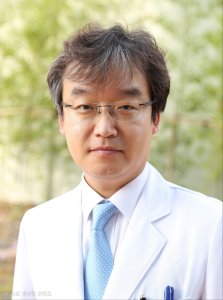
Sohn Dong-wan
الدكتور سون دونغ-وان متخصص في أورام المسالك البولية والسلس البولي والضعف الجنسي. يجري جراحات البروستاتا بالليزر. ويقدم علاجاً روبوتياً وبالتنظير البطني لسرطانات البروستاتا والمثانة والحالب والكلية. كما يعالج انسداد الوصل الحويضي الحالبي.
تشمل ممارساته طفيفة التوغل استئصال الكلية واستئصال البروستاتا بالمنظار. يجري TURBT وTURP بالمنظار المثاني. ويقدم إزالة الحصوات بالليزر عبر المنظار الحالبي واستخراج حصى الكلى عبر الجلد. ويعالج تضخم البروستاتا الحميد (BPH)، والتهاب البروستاتا، وحصوات الم
مشاركة المحتوى
قصص فيديو من مرضى Bookimed
 Anna Leonova
أسئلة متكررة حول علاج ورم حميد الخصية في كوريا الجنوبية
هل تتوفر خيارات علاج طفيفة التوغل لأورام الخصية الحميدة في كوريا الجنوبية تحافظ على الخصية؟
توفر المستشفيات الكورية الجنوبية جراحة الحفاظ على الخصية (TSS) للأورام الحميدة التي يقل حجمها عن 2 سم. يقوم أطباء المسالك البولية المتخصصون في المراكز المعتمدة من اللجنة الدولية المشتركة (JCI) بإجراء هذه العمليات للحفاظ على العضو. يحافظ هذا النهج على إنتاج هرمون التستوستيرون والخصوبة. يستخدم الجراحون تحليل المقاطع المجمدة أثناء الجراحة لتأكيد نوع الورم قبل المضي قدماً في الحفاظ على الأنسجة.
- التقنية الجراحية: تزيل جراحة الحفاظ على الخصية الكتلة فقط مع إنقاذ الأنسجة الوظيفية السليمة.
- التأكيد التشخيصي: تضمن الخزعات السريعة أثناء الجراحة أن الأورام حميدة خلال العملية.
- الدقة السريرية: تنسق الفرق متعددة التخصصات في مراكز مثل مستشفى سيفيرانس رعاية المسالك البولية المعقدة.
- التكامل الرقمي: تستخدم مستشفيات مثل SNUBH أنظمة رقمية للتخطيط لتدخلات جراحية مجهرية دقيقة.
رؤية خبراء Bookimed: تظهر البيانات أن مستشفيات المستوى الأول في سيول مثل SNUH وSNUBH تعالج أكثر من 1,500,000 مريض سنوياً. يسمح هذا الحجم الكبير للجراحين بالتخصص المكثف. غالباً ما يكون لدى كبار أطباء المسالك البولية خبرة من مؤسسات في الولايات المتحدة أو ألمانيا. نلاحظ توجهاً حيث يعطي هؤلاء المتخصصون الأولوية لتقنيات الحفاظ على الخصوبة للمرضى الذين لديهم خصية وظيفية واحدة أو كتل ثنائية الجانب.
إجماع المرضى: يشير المرضى إلى أنه من الضروري طلب رأي ثانٍ إذا اقترح الطبيب إزالة كاملة دون مناقشة الحفاظ على الخصية. ويؤكدون أن السؤال عن تقنية الفحص الباثولوجي بالمقاطع المج
كيف يتم التمييز بشكل قطعي بين الورم الحميد والورم الخبيث قبل أي جراحة خصية في كوريا الجنوبية؟
يميز أطباء المسالك البولية في كوريا الجنوبية بين أورام الخصية الحميدة والخبيثة باستخدام الموجات فوق الصوتية دوبلر عالية الدقة وعلامات أورام المصل. بينما تحدد الصور الميزات الحميدة مثل مظهر "قشر البصل"، يتطلب التشخيص النهائي فحص الأنسجة الجراحي. يسمح استكشاف الأربية مع تحليل المقطع المجمد بإجراء جراحة الحفاظ على الخصية في الحالات المشبوهة.
- المعيار الذهبي للتصوير: تحدد الموجات فوق الصوتية دوبلر عالية التردد الأكياس المليئة بالسوائل وأنماط تدفق الدم الداخلي.
- علامات أورام المصل: يختبر المتخصصون AFP و hCG و LDH للكشف عن نشاط الخلايا الجرثومية الخبيثة.
- تصنيف المخاطر السريرية: العمر حاسم لأن 75% من الحالات قبل البلوغ في كوريا حميدة.
- فحص الأنسجة الجراحي: يؤكد المقطع المجمد السريع أثناء الجراحة التشخيص قبل الاستئصال النهائي للورم.
رؤية خبراء Bookimed: تستخدم المرافق الكورية الرائدة مثل مستشفى سيفيرانس وSNUH أقسام مسالك بولية متخصصة للغاية تضم أكثر من 2,000 طبيب. تظهر البيانات أن هذه المراكز تعطي الأولوية لجراحة الحفاظ على الخصية عندما تكون العلامات طبيعية. تضمن أحجام المرضى الكبيرة، مثل 1.6 مليون مريض خارجي سنويًا في سيفيرانس، أن يتعرف الأطباء على الأنماط الحميدة النادرة مثل الأكياس البشرانية.
إجماع المرضى: يشير المرضى إلى أهمية التحقق مما إذا كانت الكتلة داخل الخصية أو خارجها عن طريق الموجات فوق الصوتية. يؤكد الكثيرون أن اختبارات الدم الطبيعية لا تستبعد السرطان تمامًا، مما يجعل فحص الأنسجة الجراحي هو الدليل النهائي الوحي
ما هي مقاييس النجاح والسلامة التي يتم الإبلاغ عنها لجراحة الحفاظ على الخصية في كوريا الجنوبية؟
تُبلغ العيادات الكورية الجنوبية عن نجاح كبير في جراحة الحفاظ على الخصية مع الحفاظ على التستوستيرون بنسبة 80-90% ونسبة بقاء 100% للحالات الحميدة. تستخدم المراكز الرائدة مثل مستشفى جامعة سيول الوطنية علم الأمراض المقطعي المجمد أثناء العملية. وهذا يضمن السلامة الورمية والحفاظ على الخصوبة للكتل الخصوية الصغيرة والمحيطية.
- الحفاظ الوظيفي: يتم الحفاظ على إنتاج التستوستيرون الطبيعي لدى 80-90% من المرضى.
- السلامة الورمية: تبلغ المراكز المتخصصة عن صفر تكرار للآفات الحميدة المؤكدة أو الأورام المسخية.
- معدلات المضاعفات: تسجل المستشفيات الكبرى مخاطر ضئيلة مع عدم وجود حالات ضمور الخصية تقريبًا.
- نتائج الخصوبة: غالبًا ما يحافظ المرضى على قدرتهم الإنجابية الطبيعية ونجاح الحمل بعد العملية الجراحية.
رؤية خبير Bookimed: ترتبط إشارات الجودة في كوريا الجنوبية بحجم العمل في المستشفى. يعالج مستشفى جامعة سيول الوطنية 10,700 مريض يوميًا. يسمح هذا الحجم الهائل لأخصائيي الأمراض والجراحين بإتقان المقاطع المجمدة المعقدة أثناء العملية. هذه الخزعات السريعة هي آلية السلامة الأساسية لتجنب إزالة الأعضاء غير الضرورية.
إجماع المرضى: يؤكد المرضى أن النجاح يعني الحفاظ على صورة أجسادهم وخصوبتهم سليمة. ويوصون بالتأكد من معدل تحويل المستشفى من جراحة الحفاظ إلى الإزالة الكاملة قبل الإجراء.
من هم الأخصائيون المؤهلون وأين يتواجدون؟
يتواجد أخصائيو المسالك البولية المؤهلون في كوريا الجنوبية بشكل أساسي في المستشفيات الجامعية الكبرى في سيول وإنشون. يدير هؤلاء الخبراء أورام الخصية الحميدة باستخدام تشخيصات متقدمة وجراحات الحفاظ على الخصوبة. يقدم أطباء المسالك البولية المعتمدون في المرافق الحاصلة على اعتماد اللجنة الدولية المشتركة (JCI) رعاية شاملة تشمل الموجات فوق الصوتية لكيس الصفن والتقييم الهرموني.
- مؤهلات الخبراء: يحمل أخصائيون مثل الدكتور لي تشون يونغ درجات الدكتوراه من جامعة هانيانغ.
- المراكز السريرية: يعمل مستشفى سيفيرانس ومستشفى جامعة سيول الوطنية كمركزين رائدين في سيول.
- معايير الجودة: تحافظ المرافق على اعتماد JCI وتصنيفات أفضل المستشفيات في العالم من مجلة نيوزويك.
- الوصول في إنشون: يوفر مستشفى نا-إيون رعاية مسالك بولية متخصصة خارج وسط مدينة سيول.
رؤية خبير Bookimed: تعطي المستشفيات الجامعية الكورية الجنوبية الأولوية لأعداد كبيرة من المرضى للحفاظ على مستويات عالية من الخبرة. يعالج مستشفى جامعة سيول الوطنية وحده أكثر من 10,000 مريض يومياً. يضمن هذا النطاق رؤية أطباء المسالك البولية للحالات الحميدة النادرة بشكل متكرر، مما يحسن دقة التشخيص لإجراءات الحفاظ على الخصوبة.
إجماع المرضى: يؤكد المرضى أن كتلة الخصية تتطلب إجراءً فورياً في مستشفى جامعي كبير. ويشيرون إلى أنه من الضروري بدء مناقشات الخصوبة وتجميد الحيوانات المنوية في وقت مبكر قبل الخضوع لأي تدخل جراحي.
في أي ظروف يتم النظر في غرسة الخصية الاصطناعية لعلاج الأورام الحميدة؟
يتم النظر في غرسة الخصية الاصطناعية لعلاج الأورام الحميدة بعد استئصال الخصية الجراحي. على الرغم من أن الأورام الحميدة ليست سرطانية، إلا أن النمو الكبير غالبًا ما يتطلب إزالة الخصية بالكامل. تستعيد الغرسة تماثل كيس الصفن وتحسن صورة الجسم للمرضى الذين يعانون من عدم ارتياح نفسي اجتماعي بعد الجراحة.
- الإزالة الجراحية: مطلوبة عندما تضر الأورام الحميدة مثل الأورام الليفية بالأنسجة السليمة المحيطة.
- الترميم التجميلي: يستعيد المظهر المتماثل ويوفر الشعور الجسدي بالسلامة.
- الفائدة النفسية: يساعد في الحفاظ على احترام الذات من خلال معالجة مخاوف صورة الجسم بعد فقدان خصية واحدة.
- توقيت الإجراء: يمكن للجراحين غالبًا وضع غرسة السيليكون أثناء إزالة الورم الأولية.
رؤية خبير Bookimed: في حين تخدم المستشفيات الرقمية من الدرجة الأولى في كوريا الجنوبية مثل مستشفى جامعة سيول الوطنية أكثر من 10,000 مريض يوميًا، لا يناقش العديد من أطباء المسالك البولية الغرسات إلا إذا بدأ المريض بالمحادثة. يجب على المرضى طلب استشارة اختيارية صريحة مع متخصصين مثل الدكتور لي تشون يونغ قبل استئصال الخصية. يضمن هذا أن يقوم الجراح بتقييم صحة جلد الصفن في وقت مبكر بما يكفي للسماح بالوضع الفوري أثناء الجراحة الأولية، مما يجنب المريض عملية ثانية لاحقًا.
إجماع المرضى: يشير المرضى إلى أنه على الرغم من أن الغرسات توفر تماثلًا جيدًا، إلا أنها غالبًا ما تكون أكثر صلابة وتظل في وضع ثابت مقارنة بالأنسجة الطبيعية. يوصي الكثيرون بالسؤال عن الحجم والملمس المحددين قبل الجراحة
ما هو نوع المتابعة والتصوير الموصى به بعد جراحة الحفاظ على الخصية في كوريا الجنوبية؟
تعطي البروتوكولات الكورية الجنوبية لأورام الخصية الحميدة الأولوية للمراقبة القائمة على الموجات فوق الصوتية للحفاظ على الخصوبة ومراقبة صحة الأنسجة. تحدث المتابعة عادة كل 3 إلى 6 أشهر خلال السنة الأولى. بعد 12 شهرًا، ينتقل المرضى المستقرون عمومًا إلى فحوصات سنوية تتضمن فحوصات بدنية وتصويرًا كيسيًا.
- المعيار الذهبي للتصوير: تراقب الموجات فوق الصوتية للصفن الأنسجة المتبقية للكشف عن أي تكرار أو التئام دون إشعاع.
- تكرار المراقبة: تتم الزيارات كل 3-6 أشهر في البداية، ثم تتحول إلى فحوصات سنوية.
- علامات الأورام: يراقب الأطباء مستويات AFP وhCG لتأكيد غياب الأورام الخبيثة.
- مراقبة الأطفال: يخضع الأطفال لتقييمات إضافية للنمو الطبيعي وتقدم النمو الهرموني.
رؤية خبير Bookimed: تستخدم المراكز الرائدة مثل مستشفى جامعة سيول الوطنية (SNUH) ومستشفى سيفيرانس أنظمة بيانات إلكترونية متقدمة لتتبع مقاييس التعافي على المدى الطويل. في حين أن بعض المراكز تعالج أكثر من 1,500,000 مريض سنويًا، تحافظ أقسام المسالك البولية على مستوى عالٍ من الأمان من خلال التتبع الرقمي. تضمن هذه التكنولوجيا أنه حتى في الحالات الحميدة، لا يتم تفويت معالم التصوير الحيوية أبدًا أثناء المتابعة طويلة المدى.
إجماع المرضى: يشير المرضى إلى أن الزيارة الأولى تركز عادةً على التئام الجروح. ويؤكدون أنه على الرغم من صرامة المراقبة في البداية، إلا أنها تصبح أخف بكثير بمجرد تأكيد علم الأمراض لنتيجة حميدة.