تضخم البروستاتا العلاج في كوريا الجنوبية - التكاليف 2026


تمت مراجعة المقالة طبيا من قبل
فهد مولود
ما هي تكلفة تضخم البروستاتا إجراءات التشخيص والعلاج في كوريا الجنوبية؟ اعرف الآن
من $150. تختلف تكاليف التدخل الجراحي اعتماداً على التقنية المختارة وحجم البروستاتا، حيث يوفر المرضى ما يقرب من 30-70% مقارنة بالولايات المتحدة. وتتركز معظم الرعاية المتخصصة في المراكز الطبية الرئيسية مثل سيول وإنشيون.
تكاليف علاج تضخم البروستاتا النموذجية في جمهورية كوريا
- استشارة طبيب مسالك بولية: $50 – $65
- اختبار PSA: $20 – $50
- الموجات فوق الصوتية عبر المستقيم (TRUS): من $150
- دراسة ديناميكية التبول: $300 – $700
رؤية خبراء Bookimed: يجب على المرضى الذين يبحثون عن خبرة عالية المستوى التفكير في المراكز ذات الاعتراف العالمي. يُعد مستشفى جامعة سيول الوطنية (SNUH) خياراً أساسياً للحالات المعقدة، حيث يقدم خدماته لكبار قادة البلاد. وبالنسبة لأولئك الذين يعطون الأولوية للخبرة المتخصصة في المسالك البولية، يتمتع الدكتور لي تشون يونغ في مستشفى نا-أون بعقود من الريادة في الجمعية الكورية لجراحة المسالك البولية بالمنظار. كما توفر المرافق الحاصلة على اعتماد اللجنة الدولية المشتركة (JCI) مثل مستشفى سيفيرانس رعاية متعددة التخصصات بمعايير سلامة دولية موثقة.
| كوريا الجنوبية | تركيا | إسبانيا | |
|---|---|---|---|
| شق البروستاتا عبر الاحليل (TUIP) | ≈ $3,200 | من $2,000 | من $5,600 |
| العلاج بالموجات الدقيقة عبر الإحليل (TUMT) | ≈ $2,600 | من $12,000 | ≈ $3,600 |
| التبخير (باستخدام ليزر GreenLight) | ≈ $3,800 | من $3,000 | من $7,500 |
مزاياك وضماناتك مع Bookimed
أسعار مباشرة
Bookimed لا يضيف رسوماً إضافية على أسعار علاج تضخم البروستاتا. الأسعار مأخوذة من قوائم الأسعار الرسمية للعيادات. تدفع مباشرة في العيادة مقابل علاجك عند وصولك إلى البلد.
عيادات وأطباء معتمدون فقط
Bookimed ملتزم بسلامتك. نحن نعمل فقط مع المؤسسات الطبية التي تحافظ على معايير دولية عالية في علاج تضخم البروستاتا ولديها التراخيص اللازمة لخدمة المرضى الدوليين في جميع أنحاء العالم.
مساعدة مجانية على مدار الساعة
Bookimed يقدم مساعدة خبراء مجانية. منسق طبي شخصي يدعمك قبل وأثناء وبعد العلاج، ويحل أي مشاكل. لن تكون وحيداً أبداً في رحلة علاج تضخم البروستاتا.

منسقك الطبي الشخصي في Bookimed
- يدعمك في كل مرحلة
- المساعدة في اختيار العيادة الطبية المناسبة والطبيب المناسب
- يضمن الوصول السريع والمريح إلى المعلومات
اكتشف أفضل تضخم البروستاتا العيادات في كوريا الجنوبية: 8 خيارات معتمدة والأسعار













MizMedi Women`s hospital

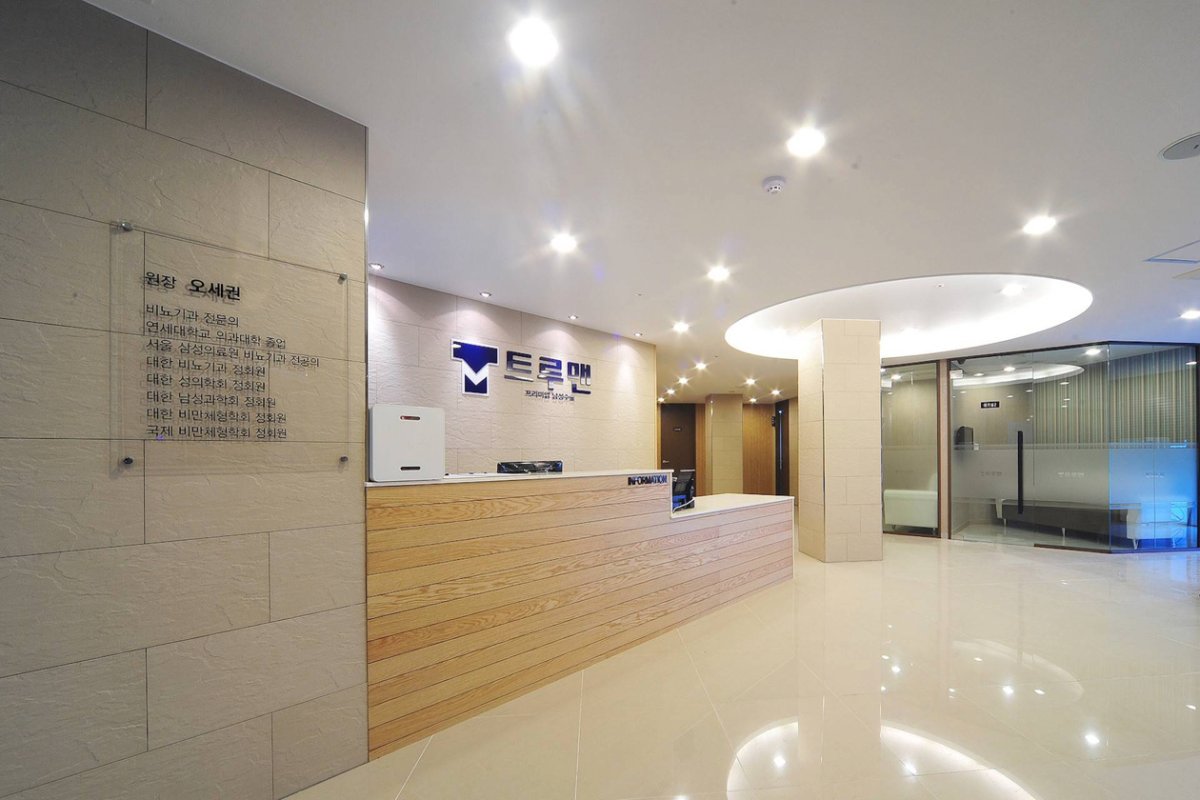
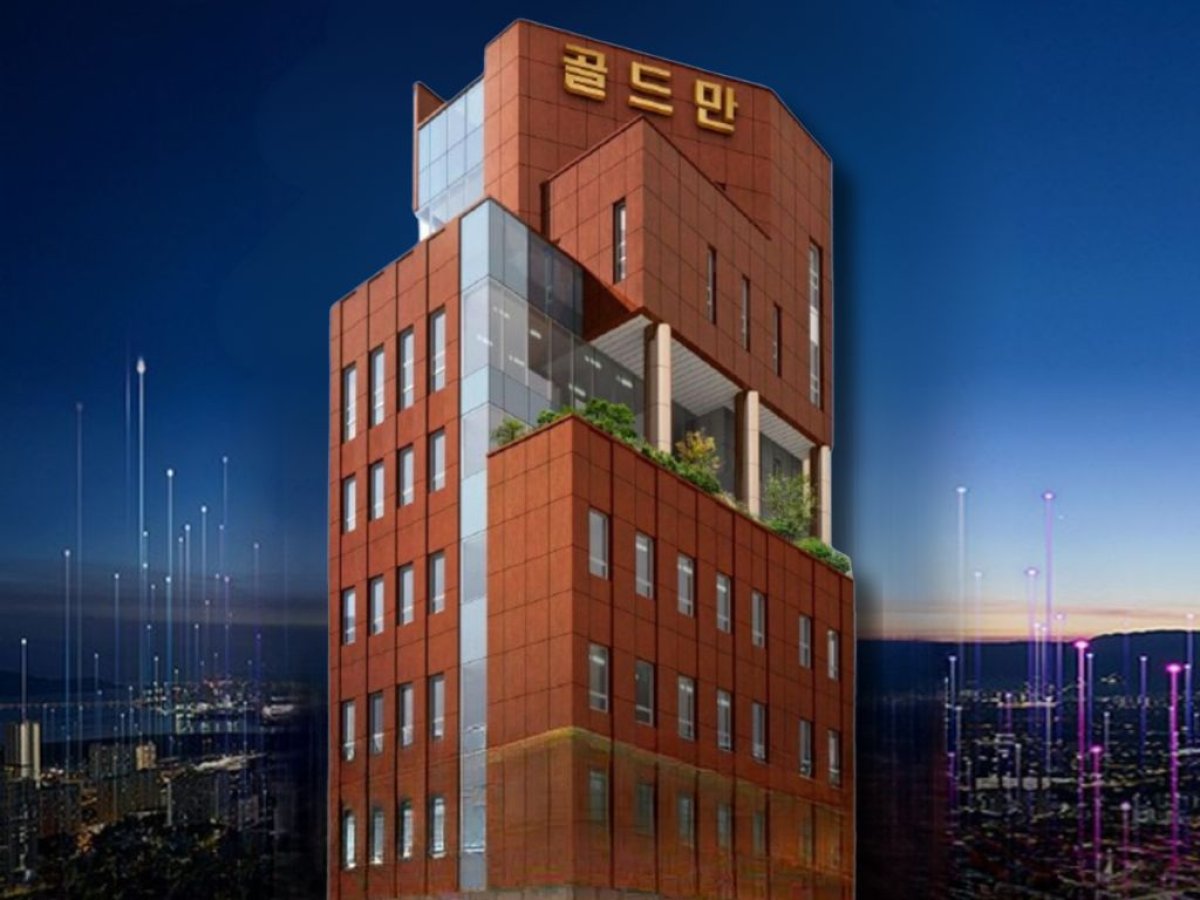
Goldman Urology Clinic Gangnam Branch
احصلوا على تقييم طبي لـ تضخم البروستاتا في كوريا الجنوبية: استشيروا أطباء ذوي خبرة الآن
عرض جميع الأطباء
Sohn Dong-wan
الدكتور سون دونغ-وان متخصص في أورام المسالك البولية والسلس البولي والضعف الجنسي. يجري جراحات البروستاتا بالليزر. ويقدم علاجاً روبوتياً وبالتنظير البطني لسرطانات البروستاتا والمثانة والحالب والكلية. كما يعالج انسداد الوصل الحويضي الحالبي.
تشمل ممارساته طفيفة التوغل استئصال الكلية واستئصال البروستاتا بالمنظار. يجري TURBT وTURP بالمنظار المثاني. ويقدم إزالة الحصوات بالليزر عبر المنظار الحالبي واستخراج حصى الكلى عبر الجلد. ويعالج تضخم البروستاتا الحميد (BPH)، والتهاب البروستاتا، وحصوات الم
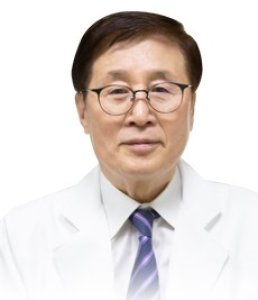
Lee Chunyong
الدكتور لي تشونيونغ طبيب مسالك بولية حاصل على دكتوراه في الطب من كلية الطب بجامعة هانيانغ. يتركز عمله السريري على حصى الكلى والمسالك البولية، بما في ذلك تفتيت الحصى بالموجات الصادمة خارج الجسم (ESWL)، وأمراض البروستات (تضخّم البروستات الحميد BPH، سرطان البروستات، التهاب البروستات)، والضعف الجنسي، وقطع القناة المنوية، والتهاب المثانة، وسلس البول، واضطرابات التبوّل.
شغل منصب مدير مستشفى جامعة هانيانغ. وكان أستاذًا ورئيس قسم المسالك البولية بكلية الطب في جامعة هانيانغ. وتولّى رئاسة الجمعي
مشاركة المحتوى
قصص فيديو من مرضى Bookimed
 Anna Leonova
أسئلة متكررة حول علاج تضخم البروستاتا في كوريا الجنوبية
ما هي علاجات تضخم البروستاتا الحميد الأكثر شيوعًا المتوفرة في كوريا؟
تعطي علاجات تضخم البروستاتا الحميد (BPH) في كوريا الأولوية للأدوية وجراحات الليزر المتقدمة. عادةً ما يصف الأطباء حاصرات ألفا مثل تامسولوسين للمرضى الذين تم تشخيصهم حديثًا. يبدأ أكثر من 90٪ من الحالات بالإدارة الطبية المحافظة. تستخدم المستشفيات الكبرى في سيول استئصال البروستاتا بالليزر هولميوم (HoLEP) كبديل جراحي رائد للاستئصال التقليدي.
- أدوية الخط الأول: تعتبر حاصرات ألفا ومثبطات 5-ألفا ريدوكتاز المعيار القياسي لتقليص أنسجة البروستاتا.
- الجراحة طفيفة التوغل: يوفر HoLEP وتبخير الليزر GreenLight تعافيًا أسرع من الطرق التقليدية.
- المعيار الذهبي التاريخي: لا يزال استئصال البروستاتا عبر الإحليل (TURP) متاحًا ولكن استخدامه في تراجع.
- التشخيص المتقدم: يستخدم المتخصصون الموجات فوق الصوتية عبر المستقيم وديناميكا البول لتأكيد النهج الأكثر فعالية.
رؤية خبير Bookimed: تقدم كوريا بيئة فريدة ذات حجم كبير لرعاية البروستاتا. تخدم المرافق مثل مستشفى سيفيرانس ومستشفى جامعة سيول الوطنية أكثر من 10,000 مريض خارجي يوميًا. يسمح هذا التدفق الهائل للمرضى لأطباء المسالك البولية باكتساب سرعة إجرائية استثنائية. درس متخصصون مثل الدكتور لي تشون يونغ في إنتشون في مؤسسات مثل جامعة كاليفورنيا (UCLA). وهذا يجمع بين الخبرة المحلية ذات الحجم الكبير والبروتوكولات السريرية الدولية.
إجماع المرضى: يشير المرضى إلى أن الأطباء يبدأون عادةً بالأدوية قبل اقتراح الجراحة. يؤكد الكثيرون على ضرورة مناقشة الآثار الجانبية الجنسية المحتملة مع أخصائي قبل اختيار إجراء
هل لا تزال عملية استئصال البروستاتا عبر الإحليل (TURP) هي الخيار الجراحي الرئيسي في كوريا؟
يظل استئصال البروستاتا عبر الإحليل (TURP) هو المعيار الجراحي الرئيسي لتضخم البروستاتا الحميد في كوريا. تبلغ معظم المستشفيات عن معدلات نجاح تتراوح بين 85% و90%. بينما تعد عملية TURP ثنائية القطب شائعة، تتبنى المراكز الكورية بشكل متزايد الاستئصال بالليزر والتبخير كبدائل حديثة لتعافي أسرع.
- التقنية السائدة: يظل الاستئصال ثنائي القطب عبر الإحليل هو الجراحة الأكثر إجراءً في كوريا.
- توسع الليزر: ينمو استئصال البروستاتا بليزر هولميوم بسرعة كبديل جراحي رئيسي.
- سعة المستشفيات: تعالج المراكز الكبيرة مثل مركز آسان الطبي أكثر من 10,000 مريض خارجي يومياً.
- المعايير الحديثة: الجراحة المفتوحة نادرة حيث تعطي المراكز الأولوية للنهج التنظيري طفيف التوغل.
رؤية خبير Bookimed: تدعم البنية التحتية في كوريا الخبرة المتخصصة. شغل الدكتور لي تشون يونغ في مستشفى نا-أون منصب رئيس الجمعية الكورية لأمراض المسالك البولية بالمنظار. غالباً ما تملي هذه الخبرة العالية اختيار الإجراء أكثر من مجرد توافر التكنولوجيا. قد يفضل الأطباء ذوو الخبرة لأكثر من 30 عاماً إجراء TURP لمتانتها المثبتة في أحجام معينة للبروستاتا.
إجماع المرضى: يشير المرضى إلى أنه على الرغم من أن TURP هو الخيار الافتراضي، إلا أنه من المهم السؤال عن الآثار الجانبية الجنسية. يختار الكثيرون تحديداً خيارات الليزر الأحدث لتقليل وقت التعافي واستخدام القسطرة.
هل سأحتاج إلى دواء بعد الخضوع لجراحة تضخم البروستاتا الحميد (BPH)؟
يتوقف معظم المرضى عن تناول أدوية تضخم البروستاتا الحميد اليومية بعد الجراحة في كوريا الجنوبية. تعمل التقنيات الحديثة مثل تبخير البروستاتا بالليزر (GreenLight) أو استئصال البروستاتا عبر الإحليل (TURP) على تقليل الاعتماد على حاصرات ألفا بشكل كبير. من المحتمل أن تحتاج إلى مضادات حيوية ومسكنات للألم لفترة قصيرة خلال مرحلة التعافي الأولية في المراكز المتواجدة في سيول.
- التعافي المبكر: تعد المضادات الحيوية ومضادات الالتهاب معياراً لمنع العدوى.
- إدارة المثانة: قد تكون هناك حاجة لأدوية تشنج المثانة أثناء التئام الأنسجة.
- النتائج طويلة المدى: يتوقف حوالي 90% من المرضى بنجاح عن تناول أدوية تضخم البروستاتا المزمنة.
- الأعراض المستمرة: قد يستمر تناول أدوية المثانة النشطة إذا استمر الشعور بالإلحاح بعد الجراحة.
رؤية خبير Bookimed: في حين يركز معظم المرضى على التوقف عن تناول الحبوب، تستخدم المراكز الكورية الجنوبية مثل مستشفى جامعة سيول الوطنية أنظمة صحية رقمية لمراقبة التعافي. تظهر البيانات أن العيادات التي تجري أكثر من 30,000 عملية جراحية سنوياً تحقق نجاحاً أكبر في التخلص من الأدوية. اختيار مركز ذو حجم عمليات كبير يزيد من احتمالية التعافي بدون أدوية.
إجماع المرضى: يلاحظ العديد من الرجال أنهم على الرغم من توقفهم في النهاية عن تناول الأدوية طويلة المدى مثل Flomax، إلا أنهم فوجئوا بالحاجة إلى أدوية مؤقتة خلال الأسابيع القليلة الأولى. يؤكد المرضى على ضرورة سؤال طبيب المسالك البولية بدقة عن الحبوب التي يمكن إيقافها فوراً بعد الإجراء.
كيف تعمل عملية التشخيص في كوريا؟
يعد تشخيص تضخم البروستاتا في كوريا فعالاً للغاية ومتقدمًا تقنيًا. غالبًا ما توفر العيادات الاختبارات والنتائج في نفس اليوم. تشمل الإجراءات القياسية استشارات المسالك البولية واختبارات PSA. تُستخدم تقنيات التصوير مثل الموجات فوق الصوتية عبر المستقيم (TRUS) وديناميكية البول بشكل شائع في المرافق المعتمدة من قبل JCI في سيول.
- استشارة متخصصة: يقيم أطباء المسالك البولية أعراضًا مثل ضعف تدفق البول والرغبة الملحة.
- فحوصات المختبر: تستبعد اختبارات PSA وتحليل البول وجود التهابات أو سرطان.
- بروتوكولات التصوير: تقيس الموجات فوق الصوتية عبر المستقيم (TRUS) حجم البروستاتا بدقة.
- الاختبارات الوظيفية: تقيّم ديناميكية البول ومسح متبقي البول بعد التبول كفاءة إفراغ المثانة.
رؤية خبير بوكيميد (Bookimed): تعمل المراكز الطبية الكورية على نطاق واسع، حيث يدير مستشفى "سيفيرانس" وحده 1.6 مليون مريض خارجي سنويًا. يسمح هذا الحجم الكبير للعيادات بتقديم تشخيصات متخصصة مثل نظام BESTcare في مستشفى جامعة سيول الوطنية بوندانغ. يستفيد المرضى من المعالجة الرقمية السريعة للبيانات التي غالبًا ما تكون مفقودة في المرافق الإقليمية الأصغر.
إجماع المرضى: يلاحظ المرضى أن الأطباء الكوريين يعتمدون بشكل كبير على التصوير والعمل المختبري بدلاً من الفحوصات الجسدية. ويقدرون الحصول على الأدوية أو خطط العلاج فورًا بعد زيارتهم التشخيصية الأولى.
متى يُنصح بالجراحة بدلاً من الدواء في كوريا؟
ينصح أطباء المسالك البولية الكوريون بإجراء الجراحة عندما تفشل الأدوية في السيطرة على أعراض تضخم البروستاتا أو عند حدوث مضاعفات. يتم إعطاء الأولوية للجراحة في حالات احتباس البول، والعدوى المتكررة، وحصوات المثانة، أو تلف الكلى. فهي توفر حلاً نهائياً عندما لا تعود حاصرات ألفا أو مثبطات اختزال 5-ألفا تحسن تدفق البول.
- مقاومة الأدوية: تفشل الأدوية الموصوفة في تحسين ضعف تدفق البول أو الإلحاح البولي.
- المضاعفات السريرية: وجود عدوى متكررة في المسالك البولية أو حصوات في المثانة.
- احتباس البول: عدم القدرة المفاجئة على التبول تستدعي تدخلاً جراحياً فورياً.
- مؤشرات التشخيص: تظهر اختبارات مثل PSA وديناميكية البول تدهوراً في وظائف المثانة.
رؤية خبراء Bookimed: تضم كوريا الجنوبية بعض أكبر المرافق الطبية في العالم، مثل مركز آسان الطبي الذي يضم 2700 سرير. تسمح هذه المراكز ذات الكثافة العالية للأخصائيين مثل الدكتور لي تشون يونغ بالحفاظ على خبرة استثنائية. غالباً ما تقدم المراكز الكبيرة تشخيصات أكثر دقة، مما يساعد في تحديد اللحظة الدقيقة التي تفوق فيها فوائد الجراحة فوائد العلاج الدوائي طويل الأمد.
إجماع المرضى: يشير المرضى إلى أهمية تتبع التبول الليلي وقوة تدفق البول. يقترح الكثيرون طلب أرقام محددة لمعدل التدفق قبل اتخاذ قرار بشأن الإجراء.
هل المراقبة النشطة (إدارة نمط الحياة) شائعة في كوريا؟
تعد المراقبة النشطة لتضخم البروستاتا أمراً شائعاً في كوريا للمرضى الذين يعانون من أعراض خفيفة. يعطي الأطباء الأولوية لإدارة نمط الحياة والمراقبة المنتظمة لتجنب التدخلات غير الضرورية. يعد هذا النهج معياراً في المرافق المعتمدة من قبل JCI للرجال الأكبر سناً أو أولئك الذين يعانون من حالات موضعية مستقرة وبطيئة النمو.
- معايير الأهلية: يوصى به للمرضى الذين لديهم درجات خفيفة في مقياس أعراض البروستاتا الدولي (IPSS).
- بروتوكول المراقبة: تساعد الاستشارات المسالك البولية المنتظمة واختبارات PSA في تتبع تطور الحالة.
- التركيز على الأعراض: يراقب الأطباء تكرار التبول والتبول الليلي قبل التوصية بالتدخلات الجراحية.
- تعديلات نمط الحياة: يدير المرضى الأعراض عن طريق تقليل السوائل في المساء والكافيين والكحول.
رؤية خبراء Bookimed: تعطي المستشفيات الرائدة في كوريا الأولوية للسلامة من خلال أحجام كبيرة من الإجراءات والمراقبة عالية التقنية. يخدم مستشفى جامعة سيول الوطنية أكثر من 10,000 مريض يومياً باستخدام أنظمة تتبع رقمية بالكامل. يسمح هذا النطاق للأخصائيين بتحديد الوقت المناسب تماماً للانتقال من المراقبة النشطة إلى العلاج الفعلي.
إجماع المرضى: يلاحظ المرضى أن تعديل العادات اليومية يساعد في إدارة الأعراض الخفيفة دون الحاجة إلى دواء فوري. ويؤكدون أن التقييم المهني لا يزال ضرورياً إذا بدأت رحلات الحمام الليلية في تعطيل النوم.