طب الأعصاب في تايلاند — التكاليف 2026


تمت مراجعة المقالة طبيا من قبل
فهد مولود
ما هي تكلفة طب الأعصاب في تايلاند؟ اكتشف الآن
تتراوح تكلفة طب الأعصاب في تايلاند عادةً ما بين $2,900 / 98,600฿ و $30,500 / 1,037,000฿. تتقلب النفقات بناءً على ما إذا كنت تختار مرافق عامة أو خاصة، ومدى تعقيد الحالة العصبية، ومدة إعادة التأهيل المتخصصة المطلوبة. وغالباً ما يجد المرضى توفيراً يتراوح بين 40-70% مقارنة بالأسعار في الولايات المتحدة.
تكاليف طب الأعصاب النموذجية في تايلاند
- استشارة طبيب أعصاب: $100 / 3,400฿ – $150 / 5,100฿
- تصوير الدماغ بالرنين المغناطيسي: السعر عند الطلب
- جراحة تحفيز الدماغ العميق (DBS): $24,000 / 816,000฿ – $38,000 / 1,292,000฿
- جاما نايف (Gamma Knife): $25,000 / 850,000฿ – $35,000 / 1,190,000฿
- العلاج الجراحي للصرع: السعر عند الطلب
- العلاج بالخلايا الجذعية: السعر عند الطلب
- العلاج بالخلايا الجذعية للتوحد: السعر عند الطلب
- فصادة البلازما (Plasmapheresis): السعر عند الطلب
- العلاج الدوائي للصرع: السعر عند الطلب
- أوكريفوس (أوكريليزوماب): السعر عند الطلب
تتركز الرعاية العصبية المتخصصة في بانكوك، وفوكيت، وباتايا، وتشيانغ ماي. وفي حين تعمل بانكوك كمركز طبي رئيسي يضم أكثر المراكز الخاصة تطوراً، فإن المدن الأخرى تقدم هياكل أسعار مماثلة. استشر أخصائياً للحصول على تسعير دقيق لاحتياجاتك العصبية المحددة.
| تايلاند | تركيا | إسبانيا | |
|---|---|---|---|
| علاج فويتا - Vojta Therapy | ≈ $480 / 16,300฿ | من $230 / 7,800฿ | ≈ $600 / 20,400฿ |
| علاج سنوزلن | ≈ $60 / 2,000฿ | من $150 / 5,100฿ | ≈ $380 / 12,900฿ |
| جراحة التحفيز العميق للدماغ | ≈ $24,000 / 816,000฿ | من $22,100 / 751,400฿ | من $64,700 / 2,199,800฿ |
| العلاج التأهيلي بواسطة جهاز لوكومات (Lokomat) | ≈ $3,500 / 119,000฿ | من $300 / 10,200฿ | من $170 / 5,800฿ |
| العلاج التأهيلي بواسطة الهيكل الخارجي (Exoskeleton) | من $400 / 13,600฿ | ≈ $1,800 / 61,200฿ | ≈ $1,800 / 61,200฿ |
جميع أمراض طب الأعصاب
مزاياك وضماناتك مع Bookimed
أسعار مباشرة
Bookimed لا يضيف رسوماً إضافية على أسعار علاج طب الأعصاب. الأسعار مأخوذة من قوائم الأسعار الرسمية للعيادات. تدفع مباشرة في العيادة مقابل علاجك عند وصولك إلى البلد.
عيادات وأطباء معتمدون فقط
Bookimed ملتزم بسلامتك. نحن نعمل فقط مع المؤسسات الطبية التي تحافظ على معايير دولية عالية في علاج طب الأعصاب ولديها التراخيص اللازمة لخدمة المرضى الدوليين في جميع أنحاء العالم.
مساعدة مجانية على مدار الساعة
Bookimed يقدم مساعدة خبراء مجانية. منسق طبي شخصي يدعمك قبل وأثناء وبعد العلاج، ويحل أي مشاكل. لن تكون وحيداً أبداً في رحلة علاج طب الأعصاب.

منسقك الطبي الشخصي في Bookimed
- يدعمك في كل مرحلة
- المساعدة في اختيار العيادة الطبية المناسبة والطبيب المناسب
- يضمن الوصول السريع والمريح إلى المعلومات
اكتشف أفضل عيادات طب الأعصاب: 40 خيارات معتمدة والأسعار






Day One Rehabilitation Center
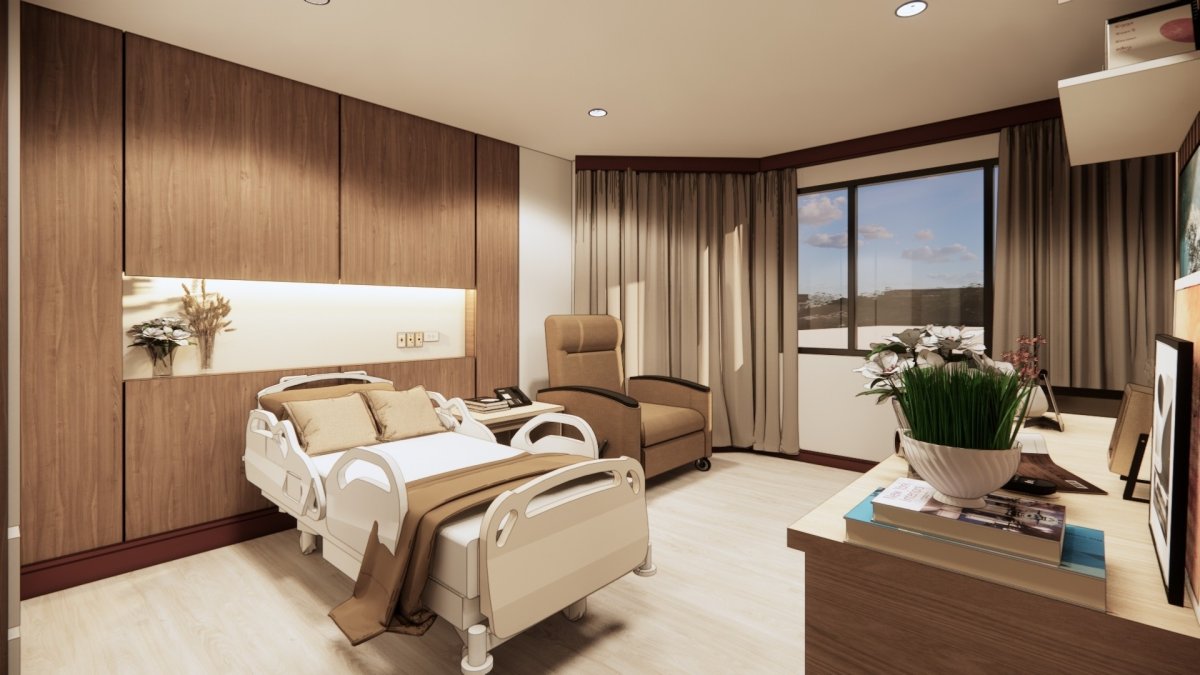
MALI CARE
أفضل مراكز طب الأعصاب في تايلاند
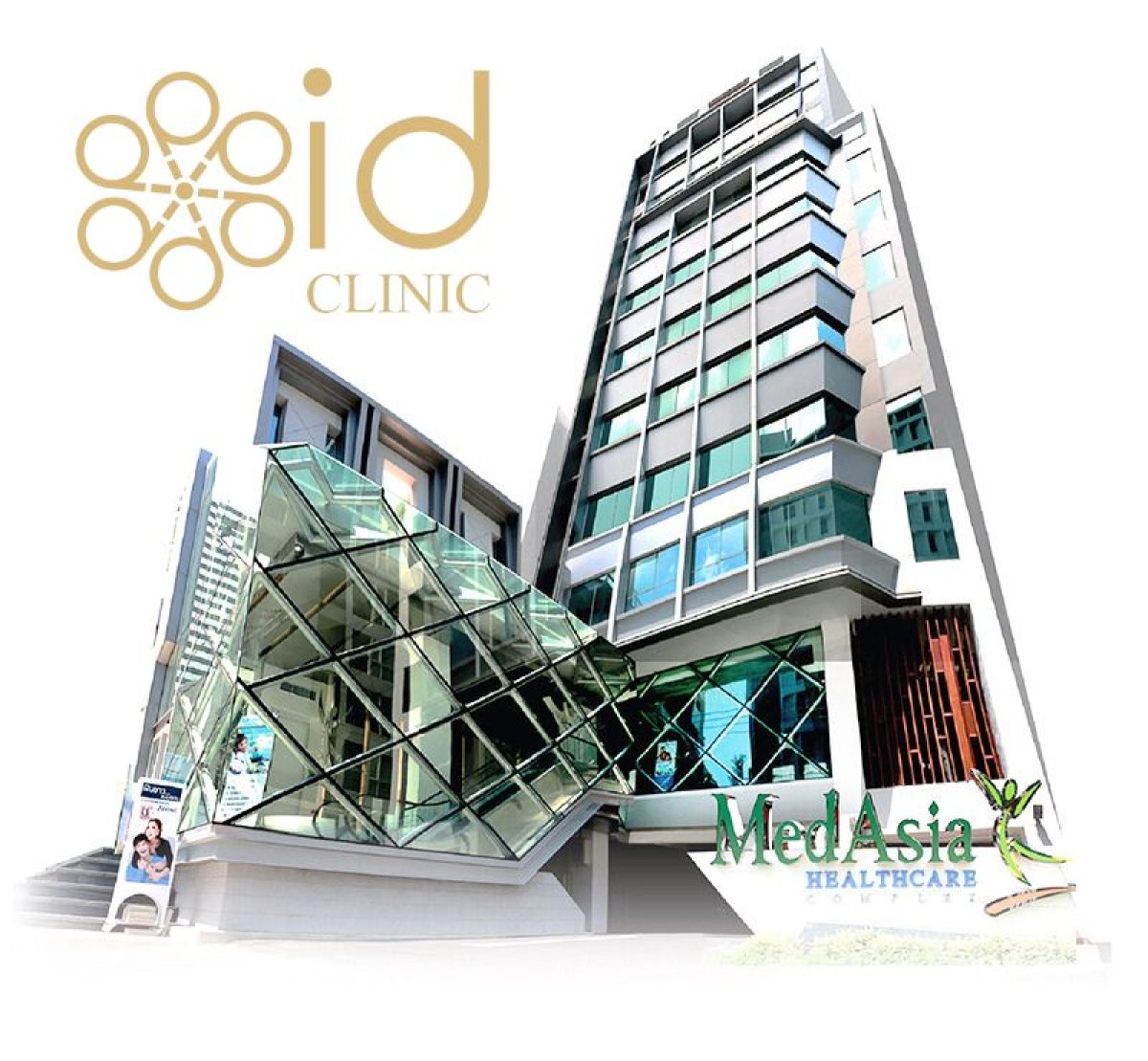
- ID Clinic Bangkok, تايلاند
- Intrarat Hospital, تايلاند
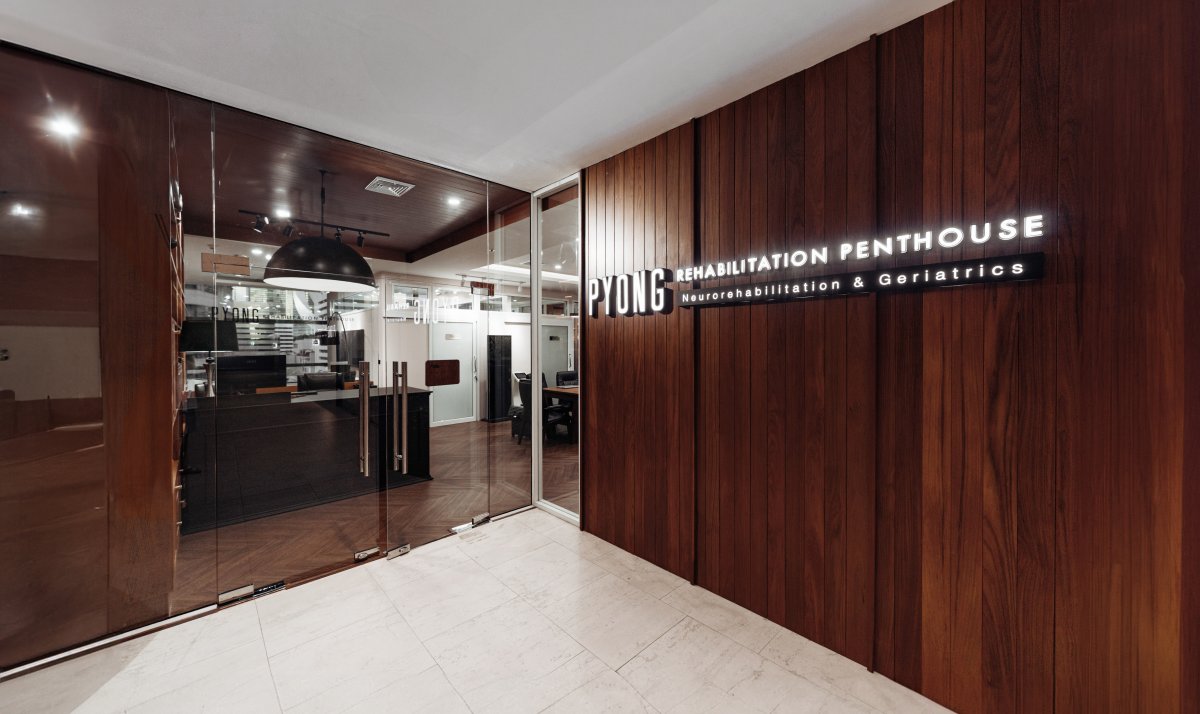
- PYONG Rehabilitation Group, تايلاند
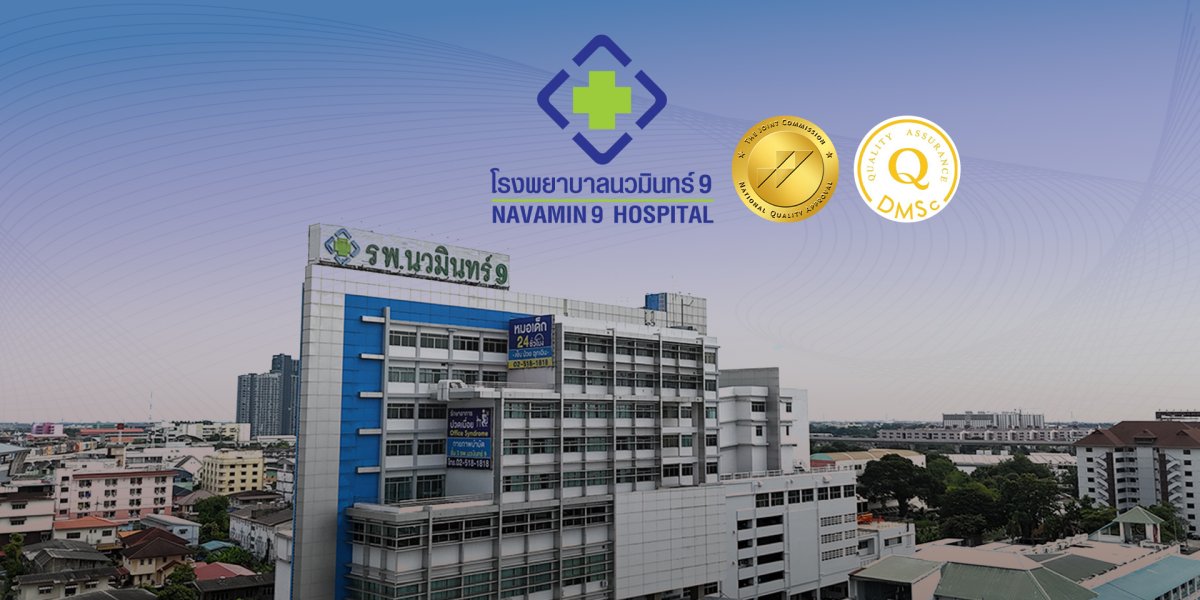
- Navamin 9 Hospital, تايلاند
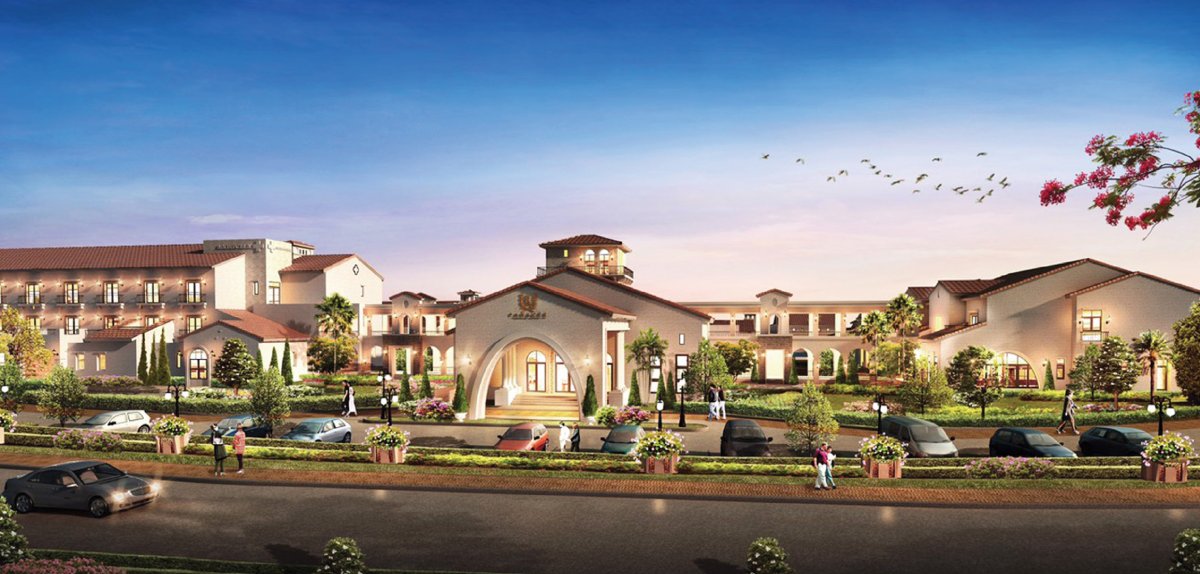
- Panacee Hospital Rama2, تايلاند
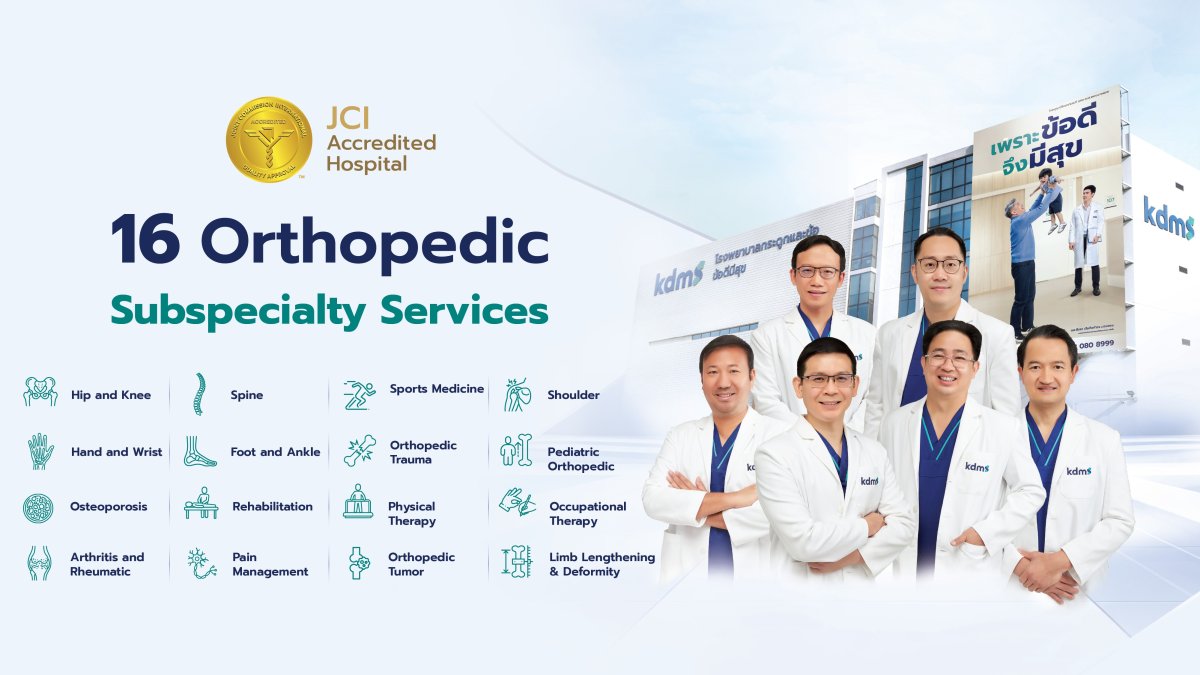
- KDMS Specialized Orthopedic Hosipital, تايلاند
- Vega Clinic, تايلاند
- Day One Rehabilitation Center, تايلاند
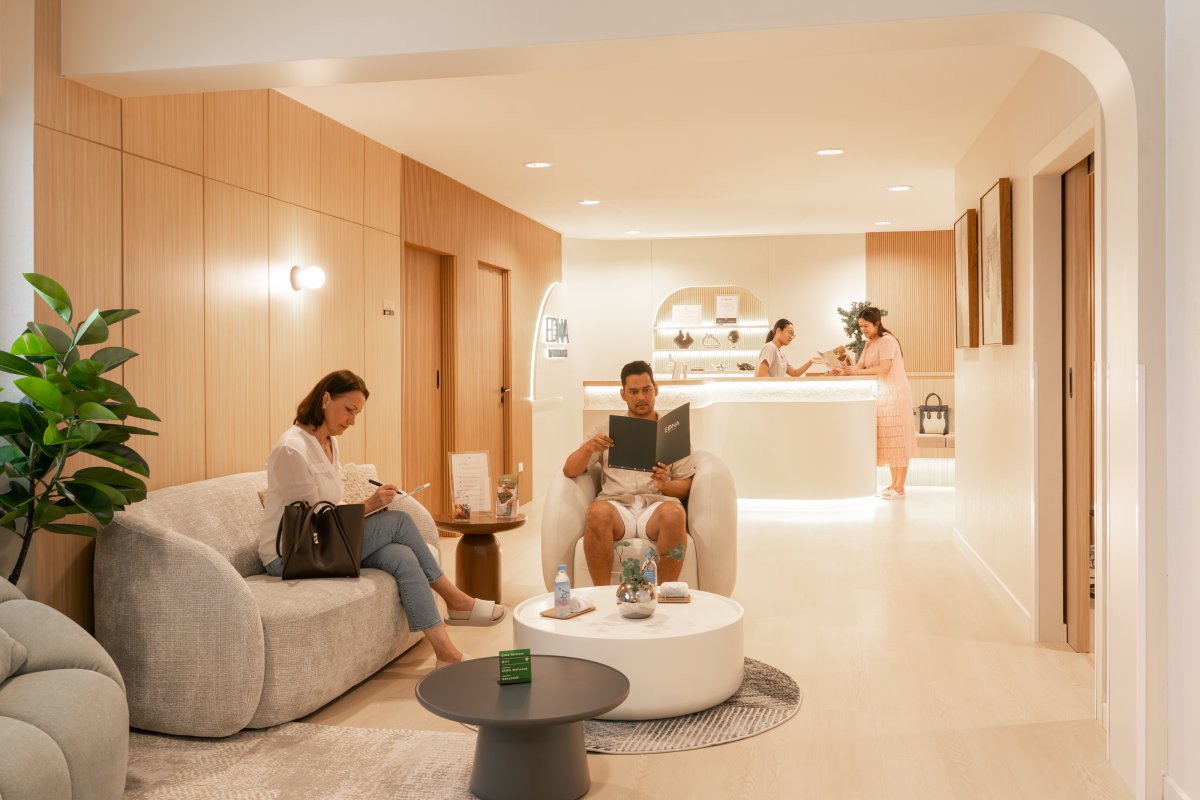
- EDNA Wellness, تايلاند
- MALI CARE, تايلاند
احصل على تقييم طبي لـ طب الأعصاب في تايلاند. استشر الآن 38 أطباء ذوي الخبرة.
عرض جميع الأطباء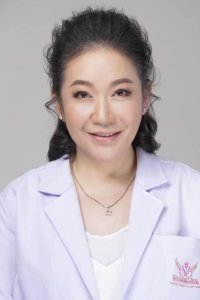
Siriporn Cheawchanwej
الدكتورة سيريبورن تشياوتشانويج هي طبيبة تجميل في عيادة سومشاي في بانكوك. أجرت أكثر من 15,000 إجراء طوال مسيرتها المهنية. وهي حاصلة على دبلوم في الطب التجميلي من الأكاديمية الأمريكية للطب التجميلي. أكملت الدكتورة تشياوتشانويج تدريباً متخصصاً في تصميم الوجه في جامعة ماي فاه لوانغ.
- متخصصة في تجميل الأنف، ونقل الدهون للوجه، وجراحة شد الرقبة.
- أكملت تدريباً دولياً في سم البوتولينوم والجراحة طفيفة التوغل في سيول.
- تجري عمليات زراعة الشعر بتقنية FUE وشفط الدهون بتقنية Vaser.
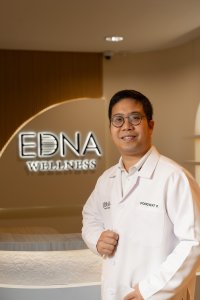
Pongwat Polpong
رائد أول جراحة دماغ طفيفة التوغل لأورام الغدة النخامية في تايلاند - يجمع الدكتور بولبونج بين الدقة في جراحة الأعصاب والطب التجديدي في إدنا ويلنس (EDNA Wellness).
- أكثر من 15 عاماً من التخصص في جراحة الأعصاب واضطرابات العمود الفقري
- تلقى تدريبه في مستشفى سيريراج والمعهد الدولي لعلوم الأعصاب في ألمانيا
- رئيس الأطباء في قسم العلاج بالخلايا الجذعية وطب الأعصاب
- أبحاث منشورة حول إصابات الحبل الشوكي والاضطرابات الوعائية الدماغية
- خبير في الجراحة التنظيرية عبر العظم الوتدي لحالات الدماغ

Sarunya Yutthagovit
تتخصص الدكتورة سارونيا يوثاجوفيت في جراحة الأوعية الدموية العصبية المعقدة، مع التركيز على إعادة تروية الدماغ والتقنيات الجراحية المجهرية المتقدمة.
- خبرة في علاج تمدد الأوعية الدموية داخل الجمجمة ومرض مويامويا
- تتخصص في النواسير الشريانية الوريدية الجافية الشوكية (AVFs)
- تقود برامج علم الأعصاب والخلايا الجذعية والتجميل في إدنا ويلنس (EDNA Wellness)
- تطور برامج تدريبية لمقيمي جراحة الأعصاب وطاقم التمريض
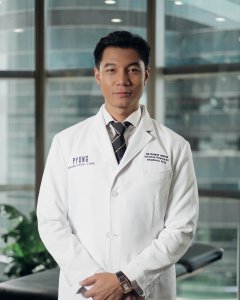
Kantaphong Thongrong
يدمج الدكتور بيونغ (PYONG) الروبوتات المتقدمة والهياكل الخارجية القابلة للارتداء لتعزيز نتائج إعادة التأهيل العصبي في مجموعة بيونغ لإعادة التأهيل (PYONG Rehabilitation Group).
- طبيب فيزيائي معتمد متخصص في السكتة الدماغية والتعافي العصبي
- رئيس قسم إعادة التأهيل في مستشفى رئيسي في بانكوك
- رائد في التقنيات غير الجراحية مثل العلاج بالليزر والتدخلات الموجهة بالموجات فوق الصوتية
- مدرب في معهد كينغ مونغكوت (King Mongkut's Institute)، حيث يقوم بتدريس أساليب إعادة التأهيل من الجيل القادم
المراجعات
جميع المراجعات
مواد ذات صلة

العلاج بالخلايا الجذعية لاضطراب طيف التوحد: كل ما تحتاج إلى معرفته
كتب بواسطة Mariia Mytrofankina

معدل نجاح العلاج بالخلايا الجذعية لمرض باركنسون: نظرة عامة على الإجراءات، ونتائج الأبحاث، ورؤى المرضى
كتب بواسطة Mariia Mytrofankina

أفضل 8 مراكز لعلاج الصرع في العالم: تصنيف Bookimed للمرضى
كتب بواسطة Ana Hurevska

أفضل 10 مستشفيات لطب الأعصاب في العالم: تصنيف Bookimed للمرضى
كتب بواسطة Veronika Kazina

كم تكلفة جراحة الصرع؟
كتب بواسطة Ana Hurevska
مشاركة المحتوى
قصص فيديو من مرضى Bookimed
 Anna Leonova
أسئلة متكررة حول طب الأعصاب في تايلاند
ما هي المستشفيات الحاصلة على أعلى تقييم في علم الأعصاب في تايلاند؟
تشمل أفضل المستشفيات المتخصصة في طب الأعصاب في تايلاند مستشفى بانكوك الدولي، ومستشفى بومرانجراد الدولي، ومستشفى ساميتيوج سوخومفيت. هذه المنشآت التي تعتمدها اللجنة المشتركة الدولية (JCI) تتصدر منطقة آسيا والمحيط الهادئ في علاج السكتة الدماغية ومرض باركنسون والصرع. يستخدمون تقنيات متقدمة مثل إعادة التأهيل العصبي بمساعدة الروبوتات وتنشيط الدماغ العميق.
- مستشفى بانكوك الدولي: مركز الدماغ والعظام المتخصص يحتل المرتبة 62 في منطقة آسيا والمحيط الهادئ في مجال طب الأعصاب.
- مستشفى بومرانجراد الدولي: يحتوي على مركز متخصص في العلوم العصبية يضم أكثر من 30 أخصائي أعصاب.
- مستشفى ساميتيوج سوخومفيت: يحتل المرتبة 89 في منطقة آسيا والمحيط الهادئ لخبرته في مرض باركنسون والخرف.
- مستشفى فيجثاني: تشتهر هذه المنشأة برعاية الطوارئ للسكتة الدماغية وإعادة التأهيل العصبي بمساعدة الروبوتات.
رؤية خبير من بوكيميد: في حين تركز المستشفيات الكبرى على التشخيص، تقدم مراكز متخصصة مثل مركز بيونج لإعادة التأهيل استرداداً مستهدفاً. تُظهر بياناتنا أن هذه العيادات تقدم تدريبات مكثفة للمشي باستخدام تقنيات الروبوتات للسكتة الدماغية. وهذا غالباً ما يؤدي إلى تحسن أسرع في الحركة مقارنةً بالبرامج التقليدية للعلاج الطبيعي للعيادات الخارجية.
إجماع المرضى: غالباً ما يذكر المرضى مدى المساعدة التي يقدمها التعاون بين الأخصائيين من أقسام مختلفة. يشيرون إلى أن زيارة طبيب الأعصاب وخبير إعادة التأهيل في يوم واحد يوفر الوقت.
ما هي الإجراءات العصبية المتخصصة المتوفرة؟
تشمل الإجراءات العصبية المتخصصة في تايلاند العلاجات التجديدية، وإعادة التأهيل العصبي المتقدم، والتدخلات الجراحية العصبية. العلاجات الرئيسية تتضمن التحفيز العميق للدماغ (DBS) لمرض باركنسون، وعلاج الخلايا الجذعية للأمراض التنكسية العصبية، وتدريب المشي الروبوتي. هذه العلاجات مدعومة بتشخيصات دقيقة مثل تخطيط كهربية الدماغ (EEG) وفحوصات الرنين المغناطيسي عالية الدقة.
- العلاج التجديدي: تتراوح أسعار علاجات الخلايا الجذعية لمرض باركنسون والزهايمر من السعر عند الطلب إلى السعر عند الطلب.
- التعديل العصبي: تتراوح جراحة التحفيز العميق للدماغ لاضطرابات الحركة من $24,000 إلى $38,000.
- إعادة التأهيل المتقدم: يساهم تدريب المشي الروبوتي وعلاج التحفيز الدماغي في الانتعاش من السكتة الدماغية والتصلب المتعدد.
- جراحة الإشعاع: يوفر سكين جاما علاجاً غير جراحي لأورام الدماغ والتشوهات الوعائية.
رأي خبير Bookimed: تقوم العيادات التايلاندية مثل إعادة تأهيل PYONG بالتحول نحو تكنولوجيا الأعصاب المتكاملة. يجمعون بين إعادة التأهيل الروبوتي والتجارب السريرية لاستعادة السكتات الدماغية ومرض التصلب الجانبي الضموري. تستخدم مستشفيات مثل باناسيه راما 2 علاج الخلايا الحاصل على شهادة GMP. هذا الدمج بين الأعصاب التقليدية والطب التجديدي يُعد علامة مميزة في المشهد الطبي التايلاندي.
اتفاق المرضى: يقدر المرضى كيف تدمج العيادات العلاج الروبوتي عالي التقنية مع الرعاية الشخصية. يقدر الكثيرون أن العلاجات التجديدية غالباً ما تُقترن بتحليلات
هل توجد عيادات مخصصة للسكتة الدماغية أو الخرف أو اضطرابات الحركة؟
تتميز تايلاند بمراكز مخصصة لطب الأعصاب متخصصة في التعافي من السكتات الدماغية، ورعاية الخرف، واضطرابات الحركة مثل مرض باركنسون. تستخدم مرافق مثل مركز بيونغ لإعادة التأهيل تدريب المشي الروبوتي وتقنية الهياكل الخارجية. بينما تركز مراكز أخرى، بما في ذلك مستشفى باناسيا فرع راما 2، على العلاجات التجديدية وعلاجات الخلايا الجذعية للحالات العصبية التنكسية.
- مراكز السكتات الدماغية: توفر وحدات متخصصة إعادة التأهيل الروبوتية وعلاج الخلايا الجذعية من نخاع العظام.
- عيادات الخرف: تقدم المراكز علاج تحفيز الدماغ وعافية تغذوية معتمدة لمرض الزهايمر.
- اضطرابات الحركة: تعالج العيادات مرض باركنسون باستخدام تحفيز الدماغ العميق (DBS) والخلايا الجذعية.
- التشخيص المتقدم: تستخدم المرافق التصوير بالرنين المغناطيسي للدماغ، والتخطيط الكهربائي للدماغ، والتصوير المقطعي للحصول على خرائط عصبية دقيقة.
رأي خبير من Bookimed: تركز عيادات الأعصاب التايلاندية، مثل مركز بيونغ لإعادة التأهيل، على التعافي المدفوع بالتكنولوجيا. يعمل الدكتور كانتابونغ ثونجرونغ كباحث رئيسي في أبحاث المشي الروبوتي. يتيح هذا التركيز على الألبسة التقنية وتدريب الهياكل الخارجية للمرضى بدء إعادة التأهيل المكثف في وقت أبكر بكثير مما تسمح به الأساليب التقليدية. دمج هذه الأدوات مع بروتوكولات الخلايا الجذعية في مراكز مثل إدنا ويلنس يخلق بيئة تعافي شاملة.
إجماع المرضى: يشير المرضى إلى أهمية العثور على عيادات تجمع بين العلاج الطبيعي والعلاجات التجديدية الحديثة. الكثير من المرضى يقدرون وجود
ما هي البيانات المتعلقة بالمؤهلات والنتائج التي يمكنني توقعها من جراحي الأعصاب التايلانديين؟
يُكمل جراحو الأعصاب التايلنديون من 11 إلى 14 سنة من التدريب الطبي المكثف. معظمهم يحملون شهادات مجلس من المجلس الطبي التايلندي. وغالباً ما يكون لدى الأخصائيين البارزين زمالات دولية من الولايات المتحدة أو أوروبا. ويفيدون بنسبة نجاح تبلغ 95% في العمليات الاختيارية مثل إزالة الأورام.
- مسار التعليم: يُكمل الجراحون درجة طبية لمدة 6 سنوات وإقامة لمدة 5 سنوات.
- شهادة المجلس: يجب على الأخصائيين اجتياز امتحانات المجلس التايلندي لجراحة الأعصاب.
- حجم الحالات: يقوم الجراحون في المراكز المتخصصة بإجراء 130 إلى 180+ عملية جراحية سنوياً.
- التكنولوجيا المتقدمة: تتضمن الخبرات جراحة التنظير الداخلي عبر الأنف وإعادة التأهيل العصبي الروبوتية.
رؤية خبير من Bookimed: تتميز جراحة الأعصاب في تايلاند لأن الأخصائيين البارزين مثل الدكتور بونغوات بوبونغ والدكتورة سارونيا يوثاغوفيت غالباً ما يقودون الأبحاث في تدريب الحركة الروبوتية أو جراحة الدماغ طفيفة التوغل. يضمن هذا التركيز الأكاديمي حصول المرضى على رعاية متقدمة تجمع بين الخبرة السريرية وأحدث تطورات تكنولوجيا الأعصاب.
إجماع المرضى: يُلاحظ المرضى الجودة العالية للرعاية في بانكوك. ويؤكد الكثيرون على أن الجراحين يأخذون الوقت لشرح الإجراءات المعقدة للدماغ والعمود الفقري بلغة إنجليزية بسيطة.
كم من الوقت ستحتاج للبقاء في تايلاند وما هي تفاصيل عملية التعافي؟
يجب على المرضى التخطيط للإقامة الأولية من 10 إلى 14 يومًا في تايلاند لمراقبة الحالة العصبية. غالبًا ما تتطلب الإجراءات المعقدة أو إعادة التأهيل العصبي المكثف تمديد هذه الفترة إلى 3-4 أسابيع. يركز الشفاء على استعادة المهارات الحركية من خلال التدريب على المشي الروبوتي وتثبيت الوظيفة العصبية بتعديلات على الأدوية.
- مدة الإقامة في المستشفى: تتراوح الإقامات المعتادة من 1 إلى 5 أيام حسب مدى توغل الإجراء.
- مدة إعادة التأهيل: غالبًا ما تتطلب البرامج لعلاج السكتة الدماغية أو مرض باركنسون 3-4 أسابيع لتحقيق نتائج ملموسة.
- التقنيات المتقدمة: يتضمن الشفاء إعادة التأهيل العصبي الروبوتي والتدريب على المشي باستخدام الهياكل الخارجية لتحقيق تحسين في الحركة.
- الرعاية اللاحقة: يوفر الجراحون التصريح الطبي للسفر الجوي بعد مراقبة التئام الجروح والاستقرار.
رؤية خبراء بوكيميد: تستخدم مراكز إعادة التأهيل العصبي في تايلاند مثل مركز بيونج لإعادة التأهيل التدريب على المشي الروبوتي وتحفيز الدماغ لتسريع الشفاء. تظهر البيانات أن هذه التقنيات المتقدمة يقودها في الغالب الباحثون الرئيسيون في الأبحاث السريرية مما يسمح للمرضى بالوصول إلى بروتوكولات تجريبية تقصر بشكل كبير من وقت استعادة الحركة المستقلة.
إجماع المرضى: يبرز المرضى الارتياح الذي يشعرون به لرعاية متخصصة يومية ويشيرون إلى أن البيئة الداعمة في العيادات مثل مستشفى باناسي تجعل العلاج المكثف يبدو أكثر قابلية للإدارة. وغالبًا ما يذكرون أن وجود مرافق للأيام القليلة الأولى ضروري لراحة البال.