مرض التنكس العصبي العلاج في تايلاند - التكاليف 2026


تمت مراجعة المقالة طبيا من قبل
فهد مولود
ما هي تكلفة مرض التنكس العصبي إجراءات التشخيص والعلاج في تايلاند؟ اعرف الآن
مزاياك وضماناتك مع Bookimed
أسعار مباشرة
Bookimed لا يضيف رسوماً إضافية على أسعار علاج مرض التنكس العصبي. الأسعار مأخوذة من قوائم الأسعار الرسمية للعيادات. تدفع مباشرة في العيادة مقابل علاجك عند وصولك إلى البلد.
عيادات وأطباء معتمدون فقط
Bookimed ملتزم بسلامتك. نحن نعمل فقط مع المؤسسات الطبية التي تحافظ على معايير دولية عالية في علاج مرض التنكس العصبي ولديها التراخيص اللازمة لخدمة المرضى الدوليين في جميع أنحاء العالم.
مساعدة مجانية على مدار الساعة
Bookimed يقدم مساعدة خبراء مجانية. منسق طبي شخصي يدعمك قبل وأثناء وبعد العلاج، ويحل أي مشاكل. لن تكون وحيداً أبداً في رحلة علاج مرض التنكس العصبي.

منسقك الطبي الشخصي في Bookimed
- يدعمك في كل مرحلة
- المساعدة في اختيار العيادة الطبية المناسبة والطبيب المناسب
- يضمن الوصول السريع والمريح إلى المعلومات
اكتشف أفضل مرض التنكس العصبي العيادات في تايلاند: 1 خيار معتمدة والأسعار
احصلوا على تقييم طبي لـ مرض التنكس العصبي في تايلاند: استشيروا أطباء ذوي خبرة الآن
عرض جميع الأطباء
Chollawat Thongthaisin
متخصص في الطب التجديدي – يركز الدكتور ثونغثايسين على العلاجات المتطورة للحالات التنكسية العصبية في عيادة فيغا.
- حاصل على شهادة البورد الأمريكي في الطب التجديدي
- طبيب رئيسي في فيغا للخلايا الجذعية، يجري أبحاثاً حول العلاجات المتقدمة
- ذو خبرة في علاجات مكافحة الشيخوخة والخلايا الجذعية
- يعمل ضمن أكبر مجموعة مستشفيات خاصة في تايلاند (BDMS)
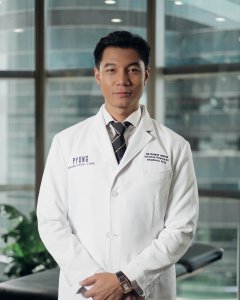
Kantaphong Thongrong
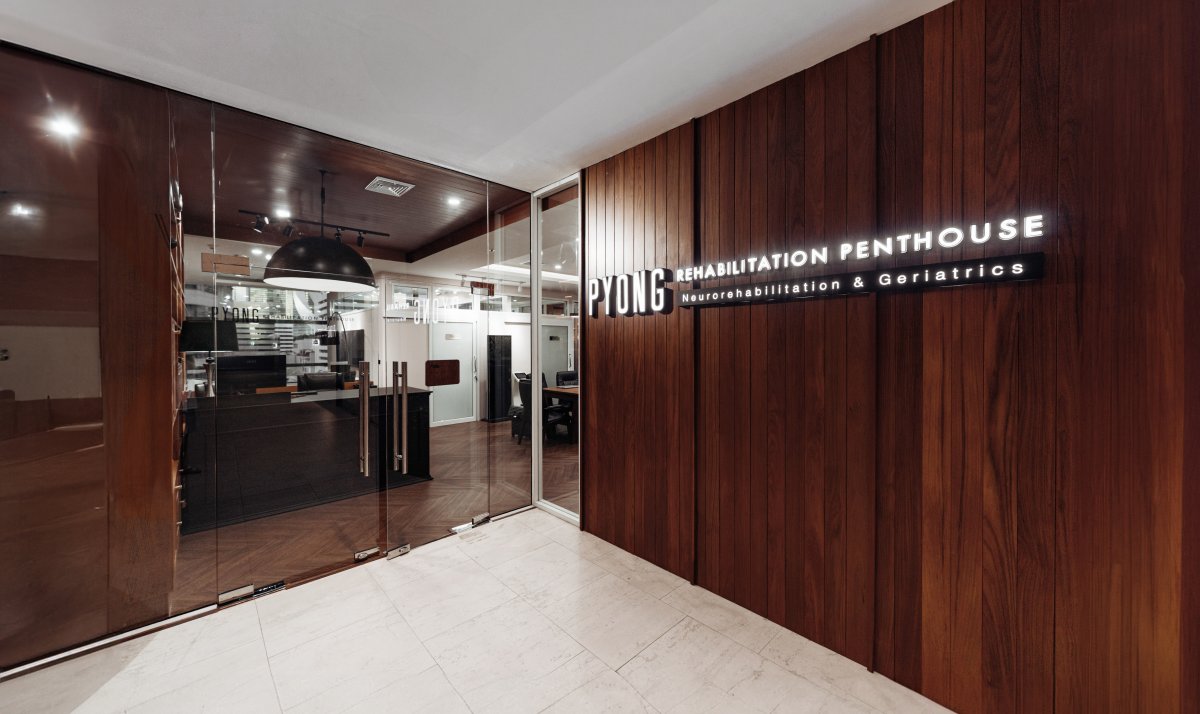
يدمج الدكتور كانتافونغ ثونغرونغ الروبوتات المتقدمة والتقنيات غير الجراحية لإعادة التأهيل العصبي في مجموعة بيونغ لإعادة التأهيل (PYONG Rehabilitation Group).
- طبيب فيزيائي معتمد متخصص في التعافي من السكتة الدماغية
- رائد في تدريب المشي باستخدام الهياكل الخارجية القابلة للارتداء للأمراض التنكسية العصبية
- رئيس قسم إعادة التأهيل في مستشفى الملك مونغكوت تشاوخونثاهان
- باحث رئيسي في أبحاث إعادة التأهيل العصبي الروبوتية
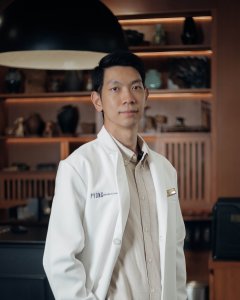
Tara Rak-areekul
تتخصص الدكتورة تارا راك-اريكول في طب الأعصاب الإدراكي واضطرابات الإدراك العصبي، مع أبحاث مستمرة في المؤشرات الحيوية لمرض الزهايمر.
- حاصلة على زمالة من مستشفى الملك تشولالونغكورن التذكاري
- رئيسة الشؤون الأكاديمية لأطباء الأعصاب المقيمين في عام 2023
- قدمت أبحاثاً في المؤتمر الدولي لجمعية الزهايمر
- مؤسسة قناة CUMEMO على يوتيوب للوقاية من الخرف
- معتمدة في مقياس NIH للسكتة الدماغية وعلاج السكتة الدماغية الحادة
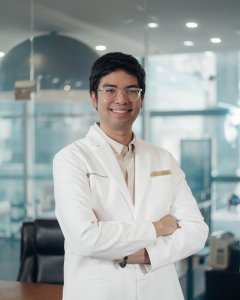
Somjet Tosamran
يتخصص الدكتور توسامران في طب الأعصاب مع تدريب زمالة في الصرع في مستشفى الملك تشولالونغكورن التذكاري.
- طبيب أعصاب معتمد من المجلس مع إقامة في مستشفى الملك تشولالونغكورن التذكاري
- حاصل على درجة الماجستير في الطب الباطني من جامعة تشولالونغكورن
- تخرج بمرتبة الشرف من كلية الطب بجامعة تشولالونغكورن
مشاركة المحتوى
قصص فيديو من مرضى Bookimed
 Anna Leonova
أسئلة متكررة حول علاج مرض التنكس العصبي في تايلاند
ما هي أنواع الأمراض التنكسية العصبية التي تتخصص فيها المستشفيات التايلاندية؟
تتخصص المستشفيات التايلاندية في الأمراض التنكسية العصبية مثل باركنسون، والزهايمر، والتصلب الجانبي الضموري (ALS). تستخدم المراكز المتخصصة في بانكوك تقنيات عصبية متقدمة للتعافي من السكتات الدماغية واضطرابات الحركة. تدمج المنشآت الخاضعة لإشراف المجلس الطبي التايلاندي تدريب المشي بمساعدة الروبوت والعلاج المعرفي في بروتوكولات العلاج.
- علاج السكتة الدماغية: تركز الرعاية متعددة التخصصات على التعافي تحت الحاد باستخدام الهياكل الخارجية القابلة للارتداء وتدريب المشي الروبوتي.
- اضطرابات الذاكرة: يقدم الأخصائيون علاجاً معرفياً للزهايمر والخرف بدعم من البحوث العصبية المعرفية.
- اضطرابات الحركة: تشمل الإدارة المتقدمة لمرض باركنسون التحسين الدوائي وإعادة التأهيل الجسدي.
- الرعاية العصبية العضلية: تتوفر برامج إعادة تأهيل عصبي موجهة لمرضى التصلب الجانبي الضموري والتصلب المتعدد.
رؤية خبير Bookimed: تتميز مراكز إعادة التأهيل العصبي التايلاندية مثل مجموعة PYONG لإعادة التأهيل بتقديم برامج مكثفة يقودها أطباء فيزيائيون معتمدون. بينما توفر المستشفيات العامة التشخيص، تركز هذه المنشآت المتخصصة على أدوات التعافي عالية التقنية مثل التحفيز المغناطيسي عبر الجمجمة. يخدم هذا التركيز المتخصص في التعافي حوالي 300 مريض سنوياً ببروتوكولات مصممة فردياً.
إجماع المرضى: يقدر المرضى المرافق التايلاندية لإدارة الأعراض والرعاية الداعمة. يؤكد الكثيرون أنه على الرغم من وجود علاجات تجريبية، فإن القيمة الحقيقية تكمن في إعادة التأهيل المهني وبرامج نمط الحياة.
هل تتوفر علاجات متطورة قائمة على الأدلة للأمراض التنكسية العصبية في تايلاند؟
تقدم تايلاند علاجات متقدمة قائمة على الأدلة للأمراض التنكسية العصبية، بما في ذلك التحفيز العميق للدماغ وإعادة التأهيل العصبي المتخصص. تستخدم المراكز المتخصصة في بانكوك تدريب المشي الروبوتي والتحفيز المغناطيسي عبر الجمجمة لعلاج مرض باركنسون والتصلب الجانبي الضموري (ALS). يتم الإشراف على العلاجات من قبل المجلس الطبي في تايلاند لضمان المعايير المهنية.
- إعادة التأهيل العصبي الروبوتي: تستخدم مراكز التدريب مثل مجموعة PYONG Rehabilitation تقنية المشي الروبوتية للتعافي.
- العلاجات المعرفية: تستخدم العيادات العلاج المعرفي القائم على الواقع الافتراضي لإدارة أعراض الزهايمر والخرف.
- تعديل الجهاز العصبي: يتوفر التحفيز المغناطيسي عبر الجمجمة (TMS) للتعافي من السكتات الدماغية والأمراض التنكسية العصبية.
- التدخلات الجراحية: توفر المستشفيات الكبرى التحفيز العميق للدماغ (DBS) للتحكم في أعراض باركنسون الحركية.
رؤية خبير Bookimed: بينما تركز العديد من الدول على الأدوية الخارجية، تكمن قوة تايلاند في إعادة التأهيل عالي التقنية. يدمج الدكتور كانتافونغ ثونغ رونغ في PYONG Rehabilitation التدريب الروبوتي والهياكل الخارجية القابلة للارتداء في الرعاية اليومية. تظهر بياناتنا أن هذه البرامج المكثفة التي تقودها التكنولوجيا تبلغ تكلفتها حوالي 3000 دولار لباقات إعادة تأهيل عصبي شاملة بقيادة أطباء أعصاب.
إجماع المرضى: يقدر المرضى تايلاند للرعاية الداعمة المكثفة والآراء الطبية الثانية. يشير الخبراء إلى أنه في حين أن العلاجات المعدلة للمرض لا تزال تتطور
ما هي المستشفيات التايلاندية المعترف بها دولياً لرعاية طب الأعصاب والأمراض التنكسية العصبية؟
تحافظ المستشفيات التايلاندية الرائدة مثل مستشفى بانكوك الدولي ومستشفى بامرونجراد الدولي على اعتراف دولي من خلال اعتماد اللجنة المشتركة الدولية (JCI). تتميز هذه المراكز بأقسام متخصصة في العلوم العصبية، وتتفوق في علاج مرض باركنسون والزهايمر والسكتات الدماغية باستخدام تقنيات متطورة في إعادة التأهيل العصبي والتصوير الدقيق.
- المرافق المتخصصة: يحتل مستشفى بانكوك الدولي المرتبة 62 في منطقة آسيا والمحيط الهادئ لخدمات طب الأعصاب.
- التكنولوجيا المتقدمة: تستخدم المراكز التحفيز المغناطيسي عبر الجمجمة (TMS) وتدريب المشي الروبوتي.
- الرعاية العصبية العضلية: توفر العيادات المتخصصة مثل PYONG Rehabilitation برامج مخصصة لمرض التصلب الجانبي الضموري (ALS) والتصلب المتعدد (MS).
- التشخيص الخبير: توفر المرافق فحوصات PET-CT الحديثة والعلاج المعرفي القائم على الواقع الافتراضي للخرف.
رؤية خبير Bookimed: في حين تفتخر المستشفيات الكبرى بتصنيفاتها العالية، غالباً ما تأتي نتائج إعادة التأهيل العصبي الأكثر فعالية من العيادات المتخصصة التي يقودها أطباء إعادة التأهيل. على سبيل المثال، تعالج PYONG Rehabilitation ما يقرب من 300 مريض سنوياً باستخدام أنظمة الهياكل الخارجية القابلة للارتداء. غالباً ما يوفر هذا التركيز المتخصص برامج تعافي أكثر كثافة وشخصية من أجنحة طب الأعصاب العامة.
إجماع المرضى: يؤكد المرضى على أهمية التقييم السريري أكثر من العلامة التجارية للمستشفى. وغالباً ما يسافرون إلى تايلاند للبحث عن أطباء أعصاب يتمتعون بالتعاطف ويعالجون الأعراض غير الحركي
هل تقدم تايلاند إعادة تأهيل شاملة لمرضى باركنسون أو ما بعد السكتة الدماغية؟
توفر تايلاند إعادة تأهيل عصبي متخصصة للتعافي من مرض باركنسون وما بعد السكتة الدماغية من خلال مرافق معتمدة من JCI ومراكز إعادة تأهيل مخصصة. تدمج البرامج التدريب على المشي الآلي والتحفيز المغناطيسي عبر الجمجمة (TMS) مع العلاجات التقليدية. تصمم فرق متعددة التخصصات من أطباء الأعصاب وأطباء الطب الطبيعي بروتوكولات مخصصة لاستعادة الوظيفة الحركية والقدرة على الحركة.
- استخدام التكنولوجيا العصبية: تستخدم المرافق أنظمة هيكل خارجي قابلة للارتداء وتدريبًا آليًا على المشي لإعادة تدريب الحركة المكثف.
- الطاقم الطبي المتخصص: تشمل الفرق أطباء طب طبيعي وأعصاب معتمدين ومتخصصين في اضطرابات الحركة والاضطرابات العصبية المعرفية.
- النطاق العلاجي: تجمع البرامج المتكاملة بين العلاج الطبيعي العصبي، وعلاج النطق والبلع، والعلاج الوظيفي للحصول على أفضل النتائج.
- الإجراءات المتقدمة: تقدم العيادات تحفيزًا غير جراحي للدماغ وحقن توكسين البوتولينوم لإدارة خلل التوتر العضلي المعقد.
رؤية خبير Bookimed: يتحول مشهد إعادة التأهيل في بانكوك من أجنحة المستشفيات العامة إلى مراكز متخصصة يديرها أخصائيون مثل PYONG Rehabilitation. غالبًا ما تتم إدارة هذه المرافق بالكامل من قبل أخصائيي طب إعادة التأهيل بدلاً من مديري المستشفيات. تظهر البيانات أن الباقات المتخصصة قد تكلف حوالي 3000 دولار لإعادة التأهيل العصبي، مع التركيز المكثف على الرعاية الخارجية باستخدام الروبوتات المتقدمة مثل Lokomat.
إجماع المرضى: يؤكد المرضى على أهمية العثور على أخصائي اضطرابات الحركة بدلاً من
هل يمكن الجمع بين العلاجات الدوائية التقليدية والعلاجات التكميلية أو التقليدية بأمان في تايلاند؟
يكون الجمع بين العلاجات آمنًا عندما يدير المتخصصون الطبيون هذا التكامل. تدمج تايلاند الطب التقليدي في نظام الرعاية الصحية العام. يستخدم أطباء الأعصاب في عيادات مثل PYONG Rehabilitation العلاج الدوائي جنبًا إلى جنب مع التدريب الآلي على المشي. تمنع رقابة المتخصصين التفاعلات الدوائية الضارة بين الوصفات الطبية الحديثة والأعشاب.
- الهيئة التنظيمية: يشرف المجلس الطبي التايلاندي على المعايير السريرية والسلامة.
- طرق متكاملة: يجمع الأطباء بين الأدوية والتحفيز المغناطيسي عبر الجمجمة والعلاجات القائمة على الواقع الافتراضي.
- التكامل التقليدي: يشمل الطب التايلاندي التقليدي 97 دواءً عشبيًا أساسيًا مدرجًا رسميًا.
- تكنولوجيا متقدمة: تستخدم المرافق روبوتات الهيكل الخارجي UANGO و HIWIN للتعافي الحركي.
رؤية خبير Bookimed: غالبًا ما تسد مراكز إعادة التأهيل العصبي التايلاندية الفجوة بين الراحة التقليدية والعلم الحديث من خلال شهادات متخصصة. يحمل الدكتور جيرالد رافائيل تور في عيادة فيغا شهادات في كل من علم الصيدلة الصيني وتقويم العظام. تسمح هذه الخبرة المزدوجة بالجمع الآمن بين الوخز بالإبر والدعم الغذائي فوق البروتوكولات العصبية القياسية. يستفيد المرضى من هذا النهج الهيكلي متعدد التخصصات بدلاً من تناول مكملات غير موثوقة ذاتيًا.
إجماع المرضى: يؤكد المرضى على استخدام التمارين والنظام الغذائي كإضافات أساسية لأدويتهم. ويشيرون إلى أن منتجات مثل أجهزة الاستنشاق العشبية تساعد في تخفيف الأعراض اليومية ولكن لا ينبغي أبدًا أن تحل محل الأدوية العصبية الأساسية