علاج مضاعفات السكتة الدماغية في تايلاند — احصل على 3 عيادات مختارة خصيصاً لك


تمت مراجعة المقالة طبيا من قبل
فهد مولود
كيف نعمل؟
ما هي تكلفة مضاعفات السكتة الدماغية إجراءات التشخيص والعلاج في تايلاند؟ اعرف الآن
اكتشف أفضل مضاعفات السكتة الدماغية العيادات في تايلاند: 5 خيارات معتمدة والأسعار

احصل على تقييم طبي لـ في تايلاند. استشر الآن 12 أطباء ذوي الخبرة.
عرض جميع الأطباء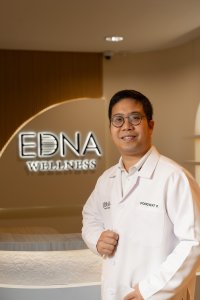
Pongwat Polpong
قاد أول جراحة تنظيرية عبر الوتدي في مستشفى بانكوك تشانثابوري - وهو إنجاز طفيف التوغل لإجراءات الدماغ. يجمع الدكتور بونغوات بين جراحة الأعصاب والطب التجديدي في EDNA Wellness.
- 16 سنة في جراحة الأعصاب واضطرابات العمود الفقري
- تدرب في مستشفى سيريراج والمعهد الدولي للعلوم العصبية
- خبير في استئصال القرص القطني بالمنظار عن طريق الجلد
- ألف أبحاثاً حول إصابات الحبل الشوكي واضطرابات الأوعية الدموية الدماغية
- كبير أطباء قسم العلاج بالخلايا الجذعية والأعصاب
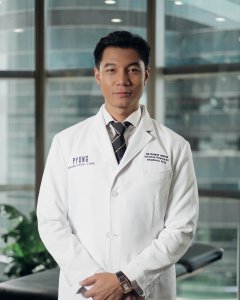
Kantaphong Thongrong
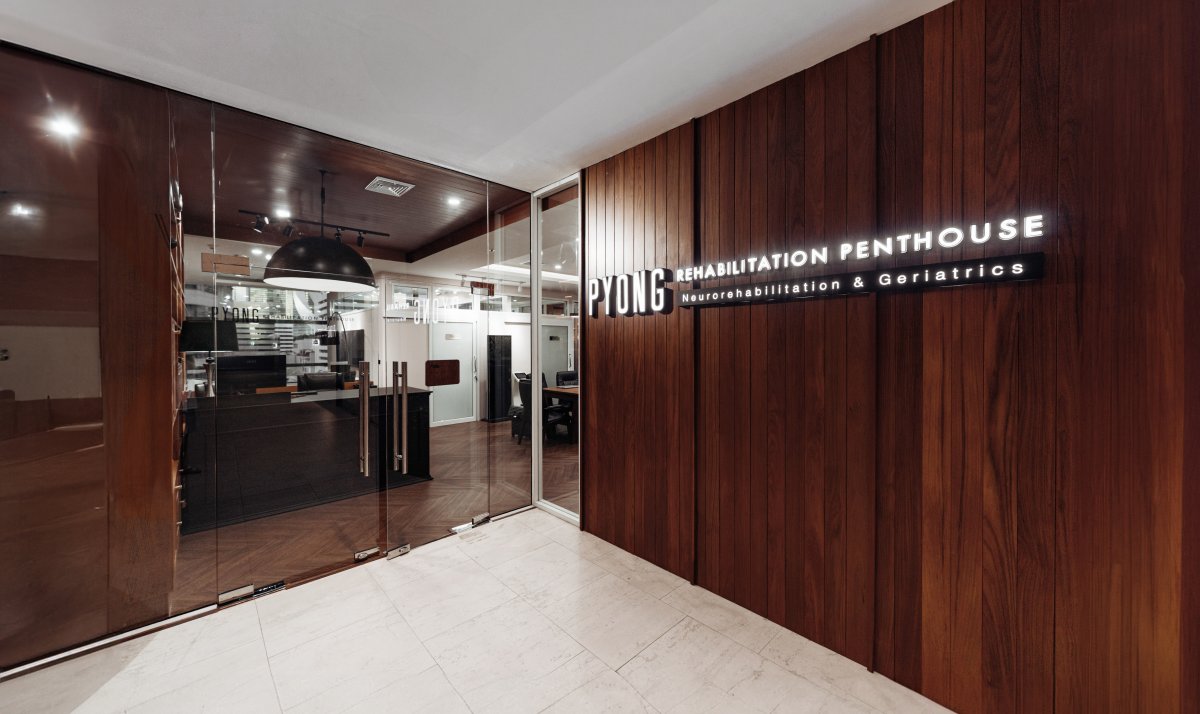
يُعد الدكتور بيونغ رائدًا في مجال إعادة التأهيل العصبي باستخدام الهياكل الخارجية الروبوتية والعلاج بالليزر المتقدم، حيث يدمج الابتكار في التعافي من السكتة الدماغية في مجموعة بيونغ لإعادة التأهيل.
- طبيب فيزيائي معتمد يتمتع بخبرة في السكتة الدماغية وإعادة التأهيل العصبي
- قاد تجارب سريرية حول تدريب المشي باستخدام الهيكل الخارجي القابل للارتداء لمرضى السكتة الدماغية
- رئيس قسم إعادة التأهيل في مستشفى رئيسي في بانكوك
- محاضر في معهد الملك مونغكوت للتكنولوجيا في لادكرابانغ
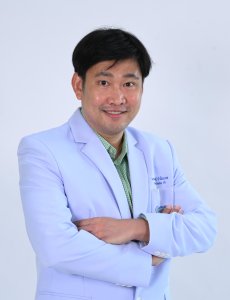
chutichate Pawaropart
الدكتور تشوتيشات باواروبارت طبيب عيون بخبرة 22 عامًا. تخصّصه الدقيق في طب أعصاب العين. يعمل في مستشفى نافامين 9 في بانكوك. يتحدث الإنجليزية والتايلندية والفرنسية.
الاعتمادات والتدريب: دكتوراه في الطب (MD)، كلية الطب، جامعة تشولالونغكورن. شهادة اختصاص في طب العيون، كلية الطب، جامعة تشولالونغكورن. تدريب التخصص الدقيق في طب أعصاب العين، جامعة السوربون، باريس، فرنسا.
مجالات التركيز والخدمات السريرية: جراحة الساد (استحلاب العدسة مع زرع عدسة داخل العين، استخراج الساد خارج المحفظة ECCE
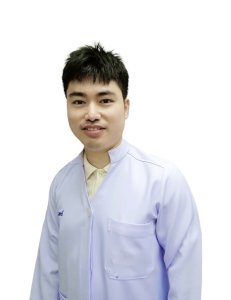
Wuttipong Wilaiwarangkul
الدكتور Wutthiphong Wilaiwarangkun طبيب أعصاب مرخَّص من المجلس الطبي في تايلاند (رقم الترخيص ว.49590). يعمل في عيادة نيورو مِد، مستشفى باسيفيك غاردن في سيراشا، تشونبوري. يقدّم الاستشارة والتشخيص والرعاية طويلة الأمد لاضطرابات الجهاز العصبي.
حصل على درجة الدكتوراه في الطب من جامعة Walailak. يحمل دبلوم البورد التايلندي في طب الأعصاب من مستشفى راجافيثي، التابع لإدارة الخدمات الطبية بوزارة الصحة العامة. يُعدّ مستشفى راجافيثي مركز إحالة ثالثياً معتمداً، ويتعامل مع عدد كبير من حالات أمراض ال
مشاركة المحتوى
قصص فيديو من مرضى Bookimed
 Anna Leonova
أسئلة متكررة حول علاج مضاعفات السكتة الدماغية في تايلاند
ما هي أنواع العلاجات المتاحة في تايلاند لمضاعفات السكتة الدماغية؟
توفر تايلاند علاجات متقدمة لمضاعفات السكتة الدماغية بما في ذلك إعادة التأهيل العصبي، وتدريب المشي الروبوتي، والطب التجديدي. تستخدم المراكز المتخصصة في بانكوك التحفيز المغناطيسي عبر الجمجمة والعلاج المعرفي القائم على الواقع الافتراضي. تقوم فرق متعددة التخصصات من أطباء الأعصاب وأطباء الطب الطبيعي وإعادة التأهيل بتنسيق برامج مكثفة للمرضى الداخليين لاستعادة القدرة على الحركة والوظائف الإدراكية.
- إعادة التأهيل العصبي: تستخدم البرامج المكثفة تدريب المشي الروبوتي والهياكل الخارجية القابلة للارتداء لتحسين الحركة.
- الطب التجديدي: تقدم العيادات المعتمدة من GMP علاجات الخلايا الجذعية لنخاع العظم والإكسوسومات.
- العلاج المعرفي: يستخدم الأخصائيون أدوات تعتمد على الواقع الافتراضي والتحفيز المغناطيسي عبر الجمجمة لتعافي الدماغ.
- التشخيص المتخصص: تشمل المتابعة المتقدمة فحوصات PET-CT وفحوصات عصبية بصرية شاملة.
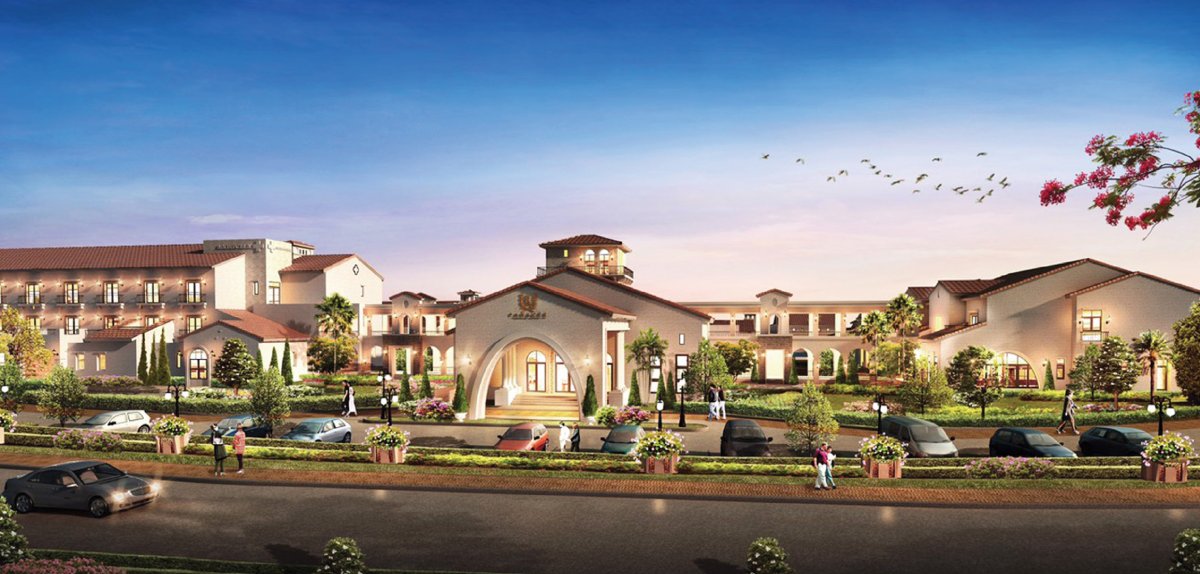
رؤية خبير Bookimed: بينما يبحث الكثيرون عن العلاج الطبيعي الأساسي، تدمج المراكز المتخصصة في تايلاند مثل مجموعة PYONG لإعادة التأهيل تقنيات فريدة مثل تدريب المشي الروبوتي تحت إشراف أطباء متخصصين ومعتمدين في الطب الطبيعي. تتميز مرافق مثل مستشفى Panacee Rama 2 بدمج طب الأعصاب التقليدي مع بروتوكولات تجديدية معتمدة من GMP. هذا النهج الهجين مثالي للمرضى الذين يسعون لاستعادة الوظائف على المستوى الخلوي جنباً إلى جنب مع العلاج الطبيعي.
إجماع المرضى: يشير المرضى إلى أن التعافي الناجح يعتمد على بدء إعادة التأهيل مبكراً مع فريق من أطباء الأع
ما هي أفضل المستشفيات لإعادة التأهيل بعد السكتة الدماغية في تايلاند؟
تشمل أفضل المستشفيات لإعادة التأهيل بعد السكتة الدماغية في تايلاند مجموعة PYONG لإعادة التأهيل، ومستشفى Panacee Rama 2، ومستشفى Navamin 9. تتخصص هذه المراكز في إعادة التأهيل العصبي باستخدام التدريب الآلي على المشي والعلاجات الخلوية المعتمدة. غالباً ما تحمل المرافق في بانكوك شهادات ISO 9001:2015 لإدارة الأمراض المزمنة المتخصصة.
- تكنولوجيا متخصصة: تستخدم مجموعة PYONG لإعادة التأهيل التدريب الآلي على المشي والعلاج المعرفي القائم على الواقع الافتراضي.
- خبرة الطبيب: الدكتور كانتافونغ ثونغرونغ هو طبيب فيزيائي معتمد وباحث رئيسي في إعادة التأهيل العصبي.
- علاجات متكاملة: يقدم مستشفى Panacee Rama 2 علاجات الخلايا الجذعية والإكسوسومات المعتمدة من GMP.
- جراحة الأعصاب: أجرى الدكتور بونغوات بولبونغ في EDNA Wellness أكثر من 2,000 إجراء جراحي عصبي.
رؤية خبير بوكيميد (Bookimed): بينما يختار الكثيرون المستشفيات القياسية، توفر العيادات المتخصصة مثل PYONG رعاية ذات كثافة أعلى. يتم قيادة برامجهم حصرياً من قبل أخصائيي إعادة تأهيل معتمدين. هذا التركيز مثالي للتعافي لأن المستشفيات الكبرى قد تعطي الأولوية لرعاية الطوارئ الحادة على جلسات العلاج المكثفة اليومية. تحقق مما إذا كانت العيادة التي اخترتها تشمل استشارات مع أطباء أعصاب وجراحة عظام في باقاتها المكثفة ذات السعر الثابت.
إجماع المرضى: يؤكد المرضى أن المستشفيات الخاصة في بانكوك هي الأفضل من حيث سرعة الوصول والتنسيق باللغة الإنجليزية. اختيار مرفق يقدم العلاج الطبيعي والمهني وعلاج النطق الي
كم تستغرق إعادة التأهيل لمرضى السكتة الدماغية في تايلاند عادةً؟
تتطلب إعادة التأهيل لمرضى السكتة الدماغية في تايلاند عادةً إقامة مكثفة في المستشفى لمدة تتراوح بين أسبوعين إلى 6 أسابيع. ولتحقيق مكاسب وظيفية كبيرة، توصي المراكز المتخصصة ببرامج إقامة تتراوح مدتها بين 30 إلى 90 يوماً. تستفيد هذه البروتوكولات من المرونة العصبية من خلال التدريب الروبوتي اليومي والعلاج المتخصص تحت إشراف أطباء فيزيائيين معتمدين.
- البرنامج المكثف: تركز الإقامات الشهرية على التدريب اليومي على المشي والتدريب المعرفي.
- التكنولوجيات المتقدمة: تستخدم العيادات الهياكل الخارجية الروبوتية والتحفيز المغناطيسي عبر الجمجمة للتعافي.
- النافذة طويلة المدى: غالباً ما يستغرق التعافي الوظيفي الكامل من 6 إلى 12 شهراً بعد السكتة الدماغية.
- الإشراف المتخصص: تتم إدارة البرامج من قبل زملاء في علم الأعصاب المعرفي وطب إعادة التأهيل.
رؤية خبير بوكيميد (Bookimed): بينما يبحث الكثيرون عن المستشفيات العامة، توفر مجموعات إعادة التأهيل المتخصصة في تايلاند مثل PYONG أو Panacee قيمة أعلى من خلال رعاية بوتيك بقيادة الأطباء. غالباً ما تُدار هذه المراكز مباشرة من قبل متخصصين في إعادة التأهيل أو جراحي الأعصاب مثل الدكتور بونغوات بولبونغ الذي يتمتع بخبرة تزيد عن 15 عاماً. اختيار مرفق إعادة تأهيل مخصص بدلاً من مستشفى عام يضمن غالباً وصولاً أكثر مباشرة إلى الأدوات المتقدمة مثل التدريب الروبوتي على المشي، والذي يعد حالياً محوراً للتجارب السريرية في بانكوك.
إجماع المرضى: يؤكد المرضى أن التعافي يحدث في مراحل ويشيرون إلى أن الخروج من المستشفى يحدث
ما هي أنواع علاج ما بعد السكتة الدماغية التي يتم تقديمها؟
يدمج علاج ما بعد السكتة الدماغية في تايلاند التدريب الآلي على المشي، والعلاج بالخلايا الجذعية، والتحفيز المغناطيسي عبر الجمجمة لاستعادة الوظائف. تركز المراكز المتخصصة على إعادة التأهيل العصبي باستخدام الهياكل الخارجية القابلة للارتداء وتمارين الواقع الافتراضي الإدراكية. يقود هؤلاء البرامج المكثفة أطباء فيزيائيون وأعصاب معتمدون لتحسين الحركة والنطق.
- التدريب الآلي على المشي: يستخدم أنظمة آلية لإعادة تعلم أنماط المشي وتحسين التوازن.
- الطب التجديدي: يستخدم علاجات الخلايا الجذعية والإكسوسومات المعتمدة من ممارسات التصنيع الجيد (GMP) للتعافي على المستوى الخلوي.
- العلاج الإدراكي بالواقع الافتراضي: يطبق بيئات الواقع الافتراضي لتعزيز الذاكرة ومهارات حل المشكلات.
- تعديل الأعصاب: يستخدم التحفيز المغناطيسي عبر الجمجمة لتحفيز إعادة تنظيم الدماغ والتعافي الحركي.
رؤية خبير بوكيميد: تتميز مراكز إعادة التأهيل التايلاندية مثل مجموعة "بيونغ" (PYONG) لإعادة التأهيل باستخدام الهياكل الخارجية عالية التقنية للتدريب على الحركة. غالباً ما تجمع برامجهم الشهرية المكثفة بين استشارات مع أطباء الأعصاب وجراحي العظام. يتم الإشراف على هذا النهج متعدد التخصصات من قبل متخصصين ذوي تدريب دولي من مؤسسات مثل جامعة السوربون.
إجماع المرضى: على الرغم من عدم توفر مراجعات مباشرة، يبحث المرضى عموماً عن مرافق تجمع بين الروبوتات الحديثة والعلاج الطبيعي التقليدي. يفضل المرضى العيادات المتكاملة في بانكوك لقدرتها على تقديم إعادة التأهيل التقليدي والعلاجات التجديدية ا
هل يمكن لضحايا السكتة الدماغية التعافي تمامًا من مضاعفاتهم؟
التعافي التام من مضاعفات السكتة الدماغية أمر ممكن. يحقق حوالي 10% من المرضى تعافيًا شبه كامل، بينما يعاني 25% من إعاقات طفيفة فقط. يعتمد النجاح على العلاج السريع وإعادة التأهيل المكثف. تستخدم المراكز التايلاندية التدريب الآلي على المشي والعلاجات بالخلايا التجديدية لتعظيم الشفاء العصبي.
- إحصائيات التعافي: يحقق حوالي 35% من المرضى نتائج تعافي كاملة أو شبه كاملة.
- فترة إعادة التأهيل: تحدث معظم المكاسب الجسدية والمعرفية الهامة خلال الأشهر الستة الأولى.
- التقنيات المتقدمة: يستخدم المتخصصون التدريب الآلي على المشي، والعلاج المعرفي بالواقع الافتراضي، والتحفيز المغناطيسي عبر الجمجمة.
- الطب التجديدي: تساعد العلاجات بالخلايا المعتمدة من ممارسات التصنيع الجيد (GMP) وعلاجات الإكسوسوم في إصلاح المسارات العصبية التالفة.
رؤية خبير Bookimed: تتميز تايلاند بأن مراكز إعادة التأهيل فيها غالبًا ما يشرف عليها أطباء متخصصون في الطب الفيزيائي وإعادة التأهيل بخبرة تزيد عن 15 عامًا. على سبيل المثال، يقود الدكتور كانتافونغ ثونغرونغ في مركز PYONG للتأهيل تجارب سريرية للهياكل الخارجية الروبوتية القابلة للارتداء. هذا الوصول إلى التدريب التجريبي على المشي يوفر خيارات تعافي نادرًا ما توجد في بيئات المستشفيات القياسية.
إجماع المرضى: يشير المرضى إلى أن المظهر الجسدي المتعافي غالبًا ما يخفي تحديات مستمرة مثل ضبابية الدماغ أو عدم تحمل الإجهاد. ويُذكر أن العلاج المبكر والمستمر والدعم الأسري القوي هي أكثر العوامل أهمية للتقدم على المدى الطويل.