علاج آلام العمود الفقري في تايلاند — احصل على 3 عيادات مختارة خصيصاً لك


تمت مراجعة المقالة طبيا من قبل
فهد مولود
كيف نعمل؟
ما هي تكلفة آلام العمود الفقري إجراءات التشخيص والعلاج في تايلاند؟ اعرف الآن
| تايلاند | تركيا | إسبانيا | |
|---|---|---|---|
| الكي بالترددات الراديوية للعمود الفقري | ≈ $1,100 / 37,400฿ | ≈ $1,500 / 51,000฿ | ≈ $1,400 / 47,600฿ |
اكتشف أفضل آلام العمود الفقري العيادات في تايلاند: 4 خيارات معتمدة والأسعار



احصل على تقييم طبي لـ في تايلاند. استشر الآن 14 أطباء ذوي الخبرة.
عرض جميع الأطباء
Dr Phatcharasak Kraisornphongsakul Md

Tanongsak Panyawirunroj
الدكتور تانونغساك بانيويرونروج هو جراح تجميل رائد في مستشفى آسيا كوزمتيك في بانكوك. أجرى أكثر من 15,000 عملية جراحية طوال مسيرته المهنية. يتخصص الدكتور تانونغساك في الإجراءات التحويلية مثل تجميل الأنف وجراحات تصحيح الجنس. أكمل زمالات في الولايات المتحدة وكندا وكوريا الجنوبية وتايوان.
- ممثل رسمي للجمعية الكورية لجراحي التجميل.
- عضو في الجمعية الدولية لجراحة التجميل (ISAPS).
- يجري جراحات معقدة لتأنيث الوجه (FFS) وجراحات تقويم الفك.
- يمارس عمله في منشأة معتمدة من ا

Kasemsak Pyungtanasup
الدكتور كاسيمساك بيونجتاناسوب هو جراح تجميل وجراح عام في مستشفى وانسيري في بانكوك. وهو متخصص في جراحة الثدي، وتجميل الأنف، ونحت الجسم. أكمل الدكتور كاسيمساك تدريبه في جراحة الأورام والجراحة الروبوتية في نظام "ذا فالي" الصحي في الولايات المتحدة الأمريكية. كما اطلع على الجراحة المجهرية ورعاية الشفة المشقوقة في نظام "بومونت" الصحي في ميشيغان.
- يجري إجراءات متخصصة مثل شفط الدهون بتقنية "فايزر" (Vaser)، وشد البطن، وزراعة عضلات الصدر.
- يوفر عمليات تكبير الثدي للرجال وجراحات تأكيد ا
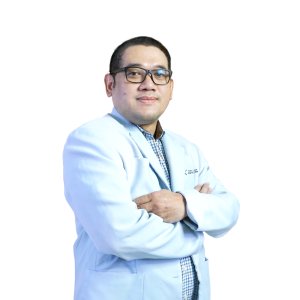
Thanakom Laisakul
الدكتور ثاناكوم لايساكول هو جراح تجميل في مستشفى آسيا كوزمتيك في بانكوك. وهو عضو في الجمعية الدولية لجراحة التجميل (ISAPS). يتخصص في تجميل الثدي، ونحت الجسم، وتجديد شباب الوجه. تدرب الدكتور لايساكول في جامعة ماهيدول وشغل منصبًا قياديًا في مستشفى ترانج.
- حاصل على شهادات البورد في الجراحة التجميلية والجراحة العامة من المجلس الطبي التايلاندي.
- أكمل التدريب الجراحي والزمالات في الولايات المتحدة الأمريكية وكوريا الجنوبية وأستراليا وسنغافورة.
- يعالج المرضى في مستشفى آسيا كوز
مشاركة المحتوى
قصص فيديو من مرضى Bookimed
 Anna Leonova
أسئلة متكررة حول علاج آلام العمود الفقري في تايلاند
هل جراحو العمود الفقري التايلانديون مؤهلون؟
جراحو العمود الفقري التايلانديون هم مهنيون مؤهلون تأهيلاً عاليًا ويحملون شهادات من المجلس الطبي التايلاندي. يكمل الكثير منهم زمالات في مؤسسات مرموقة مثل معهد العلوم العصبية الدولي في ألمانيا. وهم متخصصون في تقنيات التنظير المتقدمة والجراحات بمساعدة الروبوت داخل مرافق معتمدة من اللجنة الدولية المشتركة (JCI).
- التدريب الدولي: غالبًا ما يتدرب الجراحون في ألمانيا أو إيطاليا أو الولايات المتحدة.
- الخبرة المتخصصة: أجرى الدكتور بونغوات بولبونغ أكثر من 2000 إجراء جراحي.
- الشهادات المتقدمة: يحمل الأطباء دبلومات في طب التأهيل وجراحة العمود الفقري العظمية.
- الابتكار السريري: تستخدم العيادات تدريب المشي الروبوتي وهياكل خارجية قابلة للارتداء للمشي على الأرض.
رؤية خبير Bookimed: تظهر البيانات أن كبار الأخصائيين التايلانديين غالبًا ما يشغلون أدوارًا متزامنة في عيادات خاصة متميزة ومستشفيات جامعية كبرى. فعلى سبيل المثال، يقود الدكتور كانتافونغ ثونغرونغ مجموعة خاصة بينما يشغل منصب رئيس قسم في أحد المستشفيات. يمكن للمرضى الوصول إلى نفس الخبرة الجراحية النخبوية عبر مستويات مختلفة من المرافق في بانكوك.
إجماع المرضى: يلاحظ المرضى أن الجراحين التايلانديين يتمتعون بكفاءة تقنية وغالبًا ما يقدمون خيارات مبتكرة أو جريئة للحالات المعقدة. يوصي الكثيرون بالتحقق من خبرة الجراح في عدد الحالات المحددة بدلًا من الاختيار بناءً على وسائل الراحة الفاخرة في المستشفى وحدها.
ما هي أنواع علاجات آلام العمود الفقري المتاحة في تايلاند؟
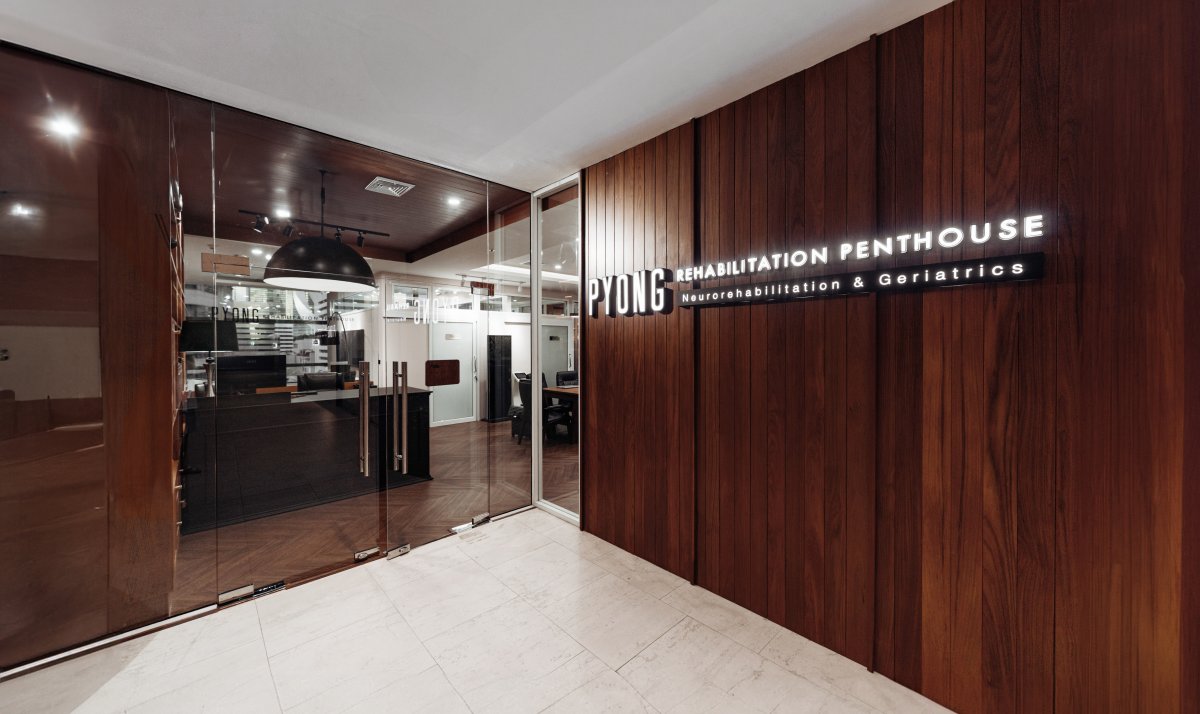
تشمل علاجات العمود الفقري في تايلاند العمليات الجراحية طفيفة التوغل وإعادة التأهيل المتقدمة. يحصل المرضى على إمكانية الوصول إلى استئصال القرص القطني التنظيري عن طريق الجلد، ودمج العمود الفقري، والاستئصال بالترددات الراديوية. توفر المستشفيات المعتمدة من JCI والمراكز المتخصصة مثل مجموعة PYONG لإعادة التأهيل تدريبًا روبوتيًا على المشي، وعلاجًا بالخلايا الجذعية، وتدخلات لعلاج الألم موجهة بالموجات فوق الصوتية.
- الإجراءات الجراحية: يجري جراحو الأعصاب عمليات استئصال القرص التنظيري، وتخفيف ضغط العمود الفقري، ودمج العمود الفقري المعقد.
- إعادة التأهيل المتقدمة: تستخدم العيادات الهياكل الخارجية الروبوتية والعلاج الإدراكي القائم على الواقع الافتراضي لإصابات العمود الفقري.
- الطب التجديدي: تقدم عيادة Vega العلاج بالخلايا الجذعية لإصلاح المفاصل وإطالة العمر.
- إدارة الألم بدقة: يستخدم المتخصصون التحفيز المغناطيسي عبر الجمجمة وتقنيات الترددات الراديوية للألم المزمن.
رؤية خبير Bookimed: غالبًا ما تسد المرافق الطبية التايلاندية الفجوة بين الرعاية الجراحية والمحافظة. على سبيل المثال، كان الدكتور بونجوات بولبونج رائدًا في الإجراءات التنظيرية في المراكز الكبرى. يسمح هذا التخصص للمرضى باختيار خيارات طفيفة التوغل تتطلب عددًا أقل من الليالي في المستشفى. تعطي العديد من المراكز مثل مجموعة PYONG لإعادة التأهيل الأولوية لإعادة التأهيل العصبي غير الجراحي على الجراحة الفورية.
إجماع المرضى: يؤكد المرضى على أهمية الحصول على تشخيص مهني باستخدام التصو
هل توجد بدائل لجراحة الظهر المفتوحة التقليدية في تايلاند؟
تشمل البدائل المتقدمة للجراحة المفتوحة التقليدية في تايلاند جراحة العمود الفقري طفيفة التوغل (MISS) والتقنيات التنظيرية. تستخدم المرافق الحديثة الملاحة الروبوتية والأدوات المتخصصة مثل استئصال القرص القطني التنظيري عن طريق الجلد. تستخدم هذه الطرق شقوقًا صغيرة. الشقوق الأصغر تقلل من تلف العضلات وتسرع من عودتك إلى النشاط.
- الجراحة التنظيرية: يستخدم الجراحون كاميرات صغيرة لعلاج الانزلاق الغضروفي مع الحد الأدنى من اضطراب الأنسجة.
- الاستئصال بالترددات الراديوية: يستخدم هذا الإجراء الحرارة لتعطيل الأعصاب المسببة لآلام العمود الفقري المزمنة.
- الملاحة الروبوتية: تزيد الأنظمة الموجهة بالكمبيوتر من الدقة أثناء عمليات دمج العمود الفقري المعقدة أو وضع الأجهزة.
- الطب التجديدي: يوفر العلاج بالخلايا الجذعية وإصلاح المفاصل خيارات غير جراحية لتجديد الأقراص.
رؤية خبير Bookimed: غالبًا ما يسد أخصائيو العمود الفقري التايلانديون الفجوة بين إعادة التأهيل والجراحة. يجمع الدكتور كانتافونج ثونجرونج من مجموعة PYONG لإعادة التأهيل بين التدريب الروبوتي على المشي والعلاج بالليزر. يسمح هذا النهج للمرضى باستعادة القدرة على الحركة دون إجراءات جراحية. تظهر البيانات أن المراكز ذات الكثافة العالية تفضل غالبًا هذه التدخلات المحافظة قبل اقتراح الجراحة.
إجماع المرضى: يقترح المرضى زيارة معاهد العمود الفقري المتخصصة داخل المستشفيات الكبرى لمناقشة المسارات غير الجراحية أولاً. يوصي الكثيرون بتجربة تقوية العضلات الأساسية، أو اليوجا، أو الحقن الموجهة قبل الالتز
كم من الوقت يجب أن أخطط للبقاء في تايلاند بعد جراحة العمود الفقري؟
يجب على المرضى التخطيط للبقاء في تايلاند لمدة تتراوح بين 7 إلى 21 يوماً بعد جراحة العمود الفقري. يضمن هذا الإطار الزمني تعافياً آمناً قبل رحلات الطيران الطويلة. تتطلب الإجراءات البسيطة مثل استئصال القرص المجهري حوالي 10 أيام محلياً. تتطلب الجراحات المعقدة مثل دمج الفقرات غالباً من 14 إلى 21 يوماً للمراقبة.
- الإقامة في المستشفى: توقع من 1 إلى 7 أيام من الرعاية الداخلية حسب تعقيد الجراحة.
- تصريح السفر: يقوم الجراحون عادةً بإزالة الغرز ومنح تصريح بالسفر جواً حوالي اليوم الرابع عشر.
- التقنية الجراحية: غالباً ما تسمح الإجراءات طفيفة التوغل مثل استئصال القرص القطني بالمنظار بتصريح سفر مبكر.
- فترة المتابعة: توصي معظم المراكز المتخصصة ببروتوكول متابعة لمدة 3 أشهر بعد العودة إلى الوطن.
رؤية خبير Bookimed: غالباً ما يستخدم متخصصو العمود الفقري التايلانديون مثل الدكتور بونجوات بولبونج تقنيات المنظار لتقليل وقت التعافي. بينما يخطط المرضى الدوليون غالباً لإقامات لمدة أسبوعين، يمكن أن يسمح استئصال القرص القطني بالمنظار أحياناً بالخروج في غضون 24 ساعة. يساعد اختيار مركز يركز على التأهيل العصبي، مثل مجموعة PYONG للتأهيل، في إدارة الألم بعد الجراحة خلال تلك الأيام العشرة الأولى الحرجة في بانكوك.
إجماع المرضى: ينصح المرضى بحجز فندق محلي لمدة 10 أيام على الأقل للتعامل مع نوبات الألم غير المتوقعة. يقترح الكثيرون السفر مع مرافق للمساعدة خلال أول 48 ساعة بعد الخروج من المستشفى.
ما هي عملية الشفاء المتوقعة لجرح جراحة العمود الفقري؟
عادة ما تحقق جروح جراحة العمود الفقري التئاماً سطحياً للجلد في غضون 14 يوماً. غالباً ما يستخدم المتخصصون التايلانديون استئصال القرص القطني بالمنظار عن طريق الجلد لتقليل صدمة الأنسجة. بينما يغلق الجلد بسرعة، يتطلب التعافي العصبي الأعمق أو اندماج العظام من 6 إلى 24 شهراً لتحقيق الاستقرار والراحة الكاملة.
- مرحلة المستشفى: يبقى معظم المرضى من يوم واحد إلى 3 أيام للمراقبة والتحريك.
- الإغلاق الأولي: تلتئم مواقع الشق عادةً وتتم إزالة الغرز في غضون 10 إلى 14 يوماً.
- حدود النشاط: تجنب الانحناء أو الالتواء أو رفع أكثر من 10 أرطال (حوالي 4.5 كجم) لمدة 4 إلى 6 أسابيع.
- الشفاء العميق: يمكن أن يستغرق اندماج العظام الكامل وتجديد الأعصاب من 12 إلى 24 شهراً.
رؤية خبير Bookimed: تعد تايلاند مركزاً رئيسياً لرعاية العمود الفقري، حيث تخدم أكثر من 2000 مريض سنوياً من خلال منصتنا. تتخصص عيادات مثل PYONG Rehabilitation Group في الجمع بين التدريب الروبوتي على المشي وإدارة الألم. يضمن اختيار مرفق بإعادة تأهيل عصبي متكامل أن انتقال تعافيك يتم بسلاسة من الجراحة إلى تقوية العضلات الوظيفية.
إجماع المرضى: يلاحظ المرضى أن الألم يتقلب غالباً بشكل يومي خلال الأسبوع الأول قبل أن ينخفض بشكل كبير حول اليوم السابع. غالباً ما تستمر الأحاسيس العصبية لفترة أطول من ألم السطح، لذا فإن المشي والعلاج الطبيعي أكثر فعالية من الاعتماد فقط على الأدوية.
ما هي أفضل المستشفيات في تايلاند لجراحة العمود الفقري وعلاج الألم؟
تتميز تايلاند بمراكز معتمدة من JCI مثل Bumrungrad International وBangkok Hospital، المتخصصة في جراحة العمود الفقري طفيفة التوغل (MISS). تستخدم هذه المرافق مناظير 4K والملاحة الروبوتية. كما توفر العيادات المتخصصة مثل PYONG Rehabilitation Group إدارة دقيقة للألم باستخدام التدريب الروبوتي على المشي وتقنية التعديل العصبي.
- التكنولوجيا المتخصصة: تستخدم المراكز مناظير 4K وملاحة O-arm للحصول على دقة 100% في وضع البراغي.
- إدارة الألم: تقدم مجموعة PYONG Rehabilitation Group التحفيز المغناطيسي عبر الجمجمة والعلاج بالمشي بمساعدة الروبوت.
- الخبرة الجراحية: أجرى الدكتور بونغوات بولبونغ أكثر من 2000 عملية جراحية عصبية وتجديدية للعمود الفقري.
- التركيز على التعافي: تعطي الفرق متعددة التخصصات الأولوية للرعاية الشاملة غير الجراحية وتقنيات إعادة التأهيل المتقدمة.
رؤية خبير Bookimed: بينما تعالج العلامات التجارية الفاخرة مثل Bumrungrad أكثر من 12000 مريض بالعمود الفقري سنوياً، تقدم المراكز المتخصصة الأصغر مزايا فريدة. تظهر بياناتنا أن مقدمي الخدمة المتخصصين مثل PYONG Rehabilitation يستخدمون العلاج المعرفي القائم على الواقع الافتراضي وTMS للآلام العصبية المعقدة. بالنسبة للمشاكل التنكسية القياسية، يوفر الدكتور سويت تانغشاروينواتاناكول في مستشفى LUX KOR رعاية تقويم العظام المتخصصة للعمود الفقري بخبرة على مستوى الزمالة.
إجماع المرضى: يؤكد المرضى أن اختيار جراح معين، مثل هؤلاء في S Spine أو Bumrungrad، أكثر أهمية من العلامة التجارية للمستشفى
متى يجب أن أعود إلى المستشفى بعد الخروج إذا كنت لا أزال في تايلاند؟
عُد إلى مستشفى تايلاندي على الفور إذا واجهت أعراضاً تحذيرية في غضون 72 ساعة من خروجك. تشمل هذه الأعراض ضعف الساق المفاجئ، أو فقدان السيطرة على المثانة، أو ارتفاع درجة الحرارة. اطلب الرعاية العاجلة في حال حدوث تغييرات في الجرح مثل ظهور قيح أو احمرار لمنع الالتهابات الخطيرة بعد علاج العمود الفقري.
- تغيرات عصبية: عُد في حال الشعور بتنميل جديد، أو وخز، أو تدلي القدم.
- علامات العدوى: اطلب الرعاية في حال ارتفاع درجة الحرارة أو القشعريرة المستمرة.
- سلامة الجرح: راقب أي إفرازات غزيرة أو فتح في مكان الجرح.
- ضيق تنفس: توجه إلى أقرب غرفة طوارئ في حال شعورك بضيق في التنفس.
- توقيت المتابعة: يجب على المرضى ذوي المخاطر العالية حضور المراجعات المجدولة في غضون 48 ساعة.
رؤية خبير Bookimed: توفر المرافق الطبية التايلاندية مثل مجموعة PYONG لإعادة التأهيل غالباً دعماً بلغات متعددة لمساعدة المرضى الدوليين في التنقل خلال رعاية ما بعد الخروج. يعد هذا المورد حيوياً لأن المراكز الكبرى في بانكوك تحتفظ بسجلاتك الإلكترونية الكاملة. إذا كنت تعاني من ألم مستقر ولكنه مستمر، تظهر بياناتنا أن الالتزام بخطة الخروج الخاصة بجراحك عادة ما يكون أكثر فعالية من زيارة عيادة جديدة.
إجماع المرضى: يشير المرضى إلى أنه من الضروري الاحتفاظ بنسخ ورقية من أوراق الخروج وقوائم الأدوية جاهزة للعودة غير المتوقعة للمستشفى. كما يقترحون وجود مرافق يمكنه التواصل مع الطاقم الطبي لضمان فهم تاريخك المرضي أثناء عمليات إعادة التقييم العاجلة.