اعتلال الأعصاب المتعدد العلاج في تايلاند - التكاليف 2026


تمت مراجعة المقالة طبيا من قبل
فهد مولود
ما هي تكلفة اعتلال الأعصاب المتعدد إجراءات التشخيص والعلاج في تايلاند؟ اعرف الآن
| تايلاند | تركيا | إسبانيا | |
|---|---|---|---|
| فصادة البلازما ذات الترشيح المزدوج | من $4,000 / 136,000฿ | ≈ $1,900 / 64,600฿ | ≈ $1,100 / 37,400฿ |
| تبادل البلازما | ≈ $2,800 / 95,200฿ | ≈ $3,900 / 132,600฿ | ≈ $2,400 / 81,600฿ |
| البلازما | ≈ $1,200 / 40,800฿ | من $3,200 / 108,800฿ | من $12,300 / 418,200฿ |
مزاياك وضماناتك مع Bookimed
أسعار مباشرة
Bookimed لا يضيف رسوماً إضافية على أسعار علاج اعتلال الأعصاب المتعدد. الأسعار مأخوذة من قوائم الأسعار الرسمية للعيادات. تدفع مباشرة في العيادة مقابل علاجك عند وصولك إلى البلد.
عيادات وأطباء معتمدون فقط
Bookimed ملتزم بسلامتك. نحن نعمل فقط مع المؤسسات الطبية التي تحافظ على معايير دولية عالية في علاج اعتلال الأعصاب المتعدد ولديها التراخيص اللازمة لخدمة المرضى الدوليين في جميع أنحاء العالم.
مساعدة مجانية على مدار الساعة
Bookimed يقدم مساعدة خبراء مجانية. منسق طبي شخصي يدعمك قبل وأثناء وبعد العلاج، ويحل أي مشاكل. لن تكون وحيداً أبداً في رحلة علاج اعتلال الأعصاب المتعدد.

منسقك الطبي الشخصي في Bookimed
- يدعمك في كل مرحلة
- المساعدة في اختيار العيادة الطبية المناسبة والطبيب المناسب
- يضمن الوصول السريع والمريح إلى المعلومات
اكتشف أفضل اعتلال الأعصاب المتعدد العيادات في تايلاند: 1 خيار معتمدة والأسعار
احصل على تقييم طبي لـ في تايلاند. استشر الآن 6 أطباء ذوي الخبرة.
عرض جميع الأطباء
Chollawat Thongthaisin
متخصص في الطب التجديدي مع خبرة من المجلس الأمريكي للطب التجديدي – يقود الدكتور ثونغثايسين أبحاث الخلايا الجذعية في فيغا.
- درجة البكالوريوس في الطب من جامعة سيام
- تدريب متخصص في الأشعة في مستشفى ثاماسات
- يعمل في مستشفى جومتين – أكبر مجموعة مستشفيات خاصة في تايلاند
- يقدم استشارات الخبراء في الطب التجديدي في عيادة فيغا
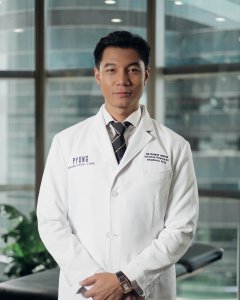
Kantaphong Thongrong
يدمج الدكتور ثونغرونغ الروبوتات المتقدمة والتقنيات غير الجراحية لتعزيز نتائج إعادة التأهيل العصبي في مجموعة PYONG لإعادة التأهيل.
- طبيب فيزيائي معتمد يتمتع بخبرة في إعادة التأهيل العصبي والتعافي من السكتة الدماغية
- رائد في تدريب المشي باستخدام الروبوتات والهياكل الخارجية القابلة للارتداء لتحسين القدرة على الحركة
- رئيس قسم إعادة التأهيل في مستشفى الملك مونغكوت تشاوكونثاهان
- يجري أبحاثاً حول تدريب المشي الروبوتي باستخدام الهياكل الخارجية القابلة للارتداء لمرضى السكتة الدماغية
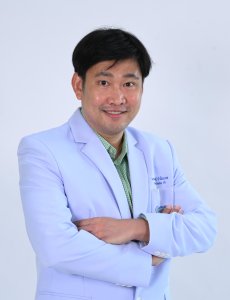
chutichate Pawaropart
الدكتور تشوتيشات باواروبارت طبيب عيون بخبرة 22 عامًا. تخصّصه الدقيق في طب أعصاب العين. يعمل في مستشفى نافامين 9 في بانكوك. يتحدث الإنجليزية والتايلندية والفرنسية.
الاعتمادات والتدريب: دكتوراه في الطب (MD)، كلية الطب، جامعة تشولالونغكورن. شهادة اختصاص في طب العيون، كلية الطب، جامعة تشولالونغكورن. تدريب التخصص الدقيق في طب أعصاب العين، جامعة السوربون، باريس، فرنسا.
مجالات التركيز والخدمات السريرية: جراحة الساد (استحلاب العدسة مع زرع عدسة داخل العين، استخراج الساد خارج المحفظة ECCE
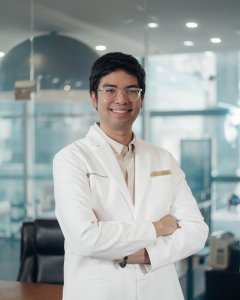
Somjet Tosamran
يتخصص الدكتور توسامران في طب الأعصاب مع تدريب متقدم من مستشفى الملك تشولالونغكورن التذكاري، وهي مؤسسة رائدة في تايلاند.
- حاصل على زمالة في تخصص الصرع
- أكمل إقامة طبية مكثفة في طب الأعصاب
- حاصل على درجة الماجستير في الطب الباطني
- تخرج بمرتبة الشرف الأولى من جامعة تشولالونغكورن
مشاركة المحتوى
قصص فيديو من مرضى Bookimed
 Anna Leonova
أسئلة متكررة حول علاج اعتلال الأعصاب المتعدد في تايلاند
ما هي أفضل المستشفيات لعلاج اعتلال الأعصاب المتعدد في تايلاند؟
تعتبر تايلاند مركزاً رئيسياً لعلاج اعتلال الأعصاب المتعدد. توفر المرافق الرائدة في بانكوك مراكز أعصاب متخصصة وقدرات تشخيصية متقدمة. تتميز هذه المستشفيات ببنية تحتية معتمدة من اللجنة الدولية المشتركة (JCI) وفرق متعددة التخصصات. يستخدم أطباء الأعصاب الخبراء تخطيط كهربية العضل ودراسات التوصيل العصبي لتحديد الأسباب الكامنة بكفاءة.
- مستشفى بامرونجراد الدولي (Bumrungrad International): يتميز بمركز أعصاب مخصص يضم أكثر من 30 أخصائي أعصاب.
- مستشفى بانكوك الدولي (Bangkok International Hospital): معترف به لخبرته في مركز الدماغ والعظام في منطقة آسيا والمحيط الهادئ.
- مستشفى نافامين 9 (Navamin 9 Hospital): يقدم خبرة في طب الأعصاب والعيون مع أخصائيين مدربين في جامعة السوربون.
- مجموعة بيونغ للتأهيل (PYONG Rehabilitation Group): متخصصة في التأهيل العصبي الروبوتي واستراتيجيات إدارة الألم المزمن.
رؤية خبير بوكيميد: تتحول مراكز الأعصاب التايلاندية نحو التخصصات الفرعية بدلاً من الممارسة العامة. على سبيل المثال، يتمتع الدكتور تشوتيشات باواروبارت في مستشفى نافامين 9 بأكثر من 20 عاماً من الخبرة في مجال طب الأعصاب والعيون. يجب على المرضى الذين يعانون من مشاكل في الرؤية مرتبطة بالأعصاب استهداف هؤلاء الخبراء المتخصصين للحصول على نتائج تشخيصية أكثر دقة.
إجماع المرضى: يؤكد المرضى على أهمية اختيار المستشفيات المتخصصة المجهزة لاختبارات EMG وNCS لضمان تشخيص دقيق. ويشيرون إلى أن التحديد المبكر للأسباب الجذرية، مثل نقص الفيتامينات أو السكري، أمر حيوي
هل تايلاند آمنة وموثوقة لرعاية الاعتلال العصبي؟
تايلاند وجهة موثوقة لرعاية الاعتلال العصبي المتعدد. فهي تقدم طبًا تجديديًا متطورًا وإعادة تأهيل عصبي متخصص. تحافظ المرافق الرائدة على اعتماد JCI وتتبع معايير JCI. تستخدم المراكز الطبية في بانكوك التدريب الآلي على المشي والتدخلات الموجهة بالموجات فوق الصوتية. غالبًا ما يحمل أطباء الأعصاب الخبراء شهادات البورد الأمريكية أو الأوروبية.
- تقنيات متخصصة: تقدم العيادات إعادة تأهيل عصبي آلي وتدريبًا على المشي باستخدام هيكل خارجي قابل للارتداء لتحسين الحركة.
- الطب التجديدي: يوفر الأطباء علاجات بالخلايا الجذعية لدعم صحة الأعصاب وتقليل الألم.
- مؤهلات الخبراء: يحمل العديد من أطباء الأعصاب زمالات من مؤسسات مثل جامعة السوربون أو جامعة شولالونغكورن.
- دقة التشخيص: تستخدم المراكز فحوصات الأعصاب البصرية والتصوير بالرنين المغناطيسي عالي الدقة لتحديد مرحلة الاعتلال العصبي بدقة.
رأي خبير Bookimed: رعاية الاعتلال العصبي في تايلاند خاصة بالعيادات أكثر من كونها موحدة على مستوى البلاد. توظف المراكز ذات الإقبال العالي مثل مستشفى نافامين 9 متخصصين لديهم أكثر من 20 عامًا من الخبرة. يركز بعض مقدمي الخدمة مثل مجموعة PYONG لإعادة التأهيل على التعافي المعتمد على التكنولوجيا مثل التدريب بالهيكل الخارجي. يجب على المرضى إعطاء الأولوية للعيادات التي يحمل فيها كبار الأطباء شهادات دولية من المجلس الأمريكي للطب التجديدي.
إجماع المرضى: يبلغ المرضى عن تحسن كبير في الأعراض ورعاية يقظة في المراكز ذات السمعة الطيبة. ينصحون الآخرين بالتحقق من سمعة عيادات معينة ب
ما هي العلاجات المتاحة للاعتلال العصبي المتعدد في تايلاند؟
تشمل علاجات الاعتلال العصبي المتعدد المتاحة في تايلاند الغلوبولين المناعي الوريدي، وتبادل البلازما، والطب التجديدي المتخصص. تدير المستشفيات التايلاندية آلام الأعصاب باستخدام الغابابنتين، والكاربامازيبين، ومضادات الاكتئاب. تقدم المراكز المتخصصة التدريب الروبوتي على المشي وإعادة التأهيل العصبي للمرضى الذين يعانون من ضعف العضلات. ويقدم الأطباء البارزون علاجات خلوية متقدمة وإدارة التمثيل الغذائي.
- الطب التجديدي: يوفر أطباء متخصصون علاجات خلوية لدعم تجديد الأعصاب.
- إعادة التأهيل العصبي: تقدم عيادات مثل مجموعة بيونغ (PYONG) لإعادة التأهيل تدريباً روبوتياً على المشي.
- إدارة التمثيل الغذائي: تعالج المستشفيات الأسباب الكامنة مثل مرض السكري أو نقص الفيتامينات.
- إدارة الألم: يستخدم الأطباء كريمات موضعية مخصصة وحقن الأعصاب لتخفيف الألم.
رؤية خبير بوكيميد (Bookimed): تحتفظ تايلاند بميزة سريرية فريدة من خلال توفر القنب الطبي لآلام الأعصاب الشديدة. متخصصون مثل الدكتور سومجيت توسامران والدكتور تارا راك-أريكول في مجموعة بيونغ لإعادة التأهيل متخصصون في التعافي العصبي. يوفر هذا المزيج من إعادة التأهيل العصبي المتقدم وعلاج الكانابينويد القانوني خيارات لآلام مستعصية ليست متاحة دائماً في بلدان أخرى.
إجماع المرضى: يؤكد المرضى على أهمية البدء المبكر في تناول مكملات حمض ألفا ليبويك وفيتامين ب12 لتغذية الأعصاب. ويشير الكثيرون إلى أن التمارين منخفضة التأثير مثل اليوغا أو السباحة تساعد بشكل كبير في تحسين الدورة الدموية.
هل يمكن علاج الاعتلال العصبي المتعدد؟
يمكن علاج الاعتلال العصبي المتعدد (Polyneuropathy) إذا تم تحديد السبب الكامن وعلاجه مبكراً. تجديد الأعصاب ممكن عند تصحيح نقص الفيتامينات أو وقف التعرض للسموم. في حين أن الضرر المزمن الشديد غالباً ما يكون دائماً، تركز العلاجات المتقدمة في تايلاند على وقف التدهور واستعادة الوظائف.
- التدخل المبكر: العلاج الفوري للمحفزات مثل نقص فيتامين ب12 يحسن بشكل كبير فرص الشفاء.
- الطب التجديدي: تستخدم عيادات مثل عيادة فيغا (Vega Clinic) علاجات الخلايا الجذعية لإصلاح الأعصاب.
- الفحوصات التشخيصية: الفحص الشامل لأمراض المناعة الذاتية أو مشاكل التمثيل الغذائي يمنع الفقدان الدائم للوظائف.
- إعادة التأهيل المتقدمة: يساعد التدريب الروبوتي على المشي والهياكل الخارجية القابلة للارتداء في استعادة الحركة المفقودة.
رؤية خبير بوكيميد (Bookimed): أصبحت تايلاند وجهة رئيسية لعلاج الاعتلال العصبي المتعدد لأنها تجمع بين طب الأعصاب التقليدي والطب التجديدي. لاحظ أن متخصصين مثل الدكتور كانتافونغ ثونغرونغ في مجموعة بيونغ (PYONG) لإعادة التأهيل يستخدمون أدوات فريدة مثل التحلل المائي الموجه بالموجات فوق الصوتية والعلاج بالليزر. هذا النهج متعدد الوسائط غالباً ما يحقق استعادة وظيفية أفضل من العلاج الدوائي القياسي وحده.
إجماع المرضى: يؤكد المرضى أن النجاح يعني عادةً منع الحالة من التدهور بدلاً من الشفاء التام. ويشيرون إلى أن التحكم المستمر في نسبة الجلوكوز وممارسة التمارين الخفيفة مثل السباحة تساعد في إدارة الأعراض بأكثر الطرق فعالية.
هل تتوفر علاجات بديلة أو تجديدية أو شمولية؟
تقدم تايلاند علاجات بديلة وتجديدية متنوعة لاعتلال الأعصاب المتعدد. ويتمكن المرضى من الوصول إلى العلاج بالخلايا الجذعية، وإعادة التأهيل العصبي الروبوتي، والطب الصيني التقليدي. تدمج المراكز المتخصصة في بانكوك الخلايا الجذعية الوسيطة مع العلاج الطبيعي المتقدم. تستهدف هذه البرامج إصلاح الأعصاب وتخفيف الأعراض من خلال بروتوكولات فردية.
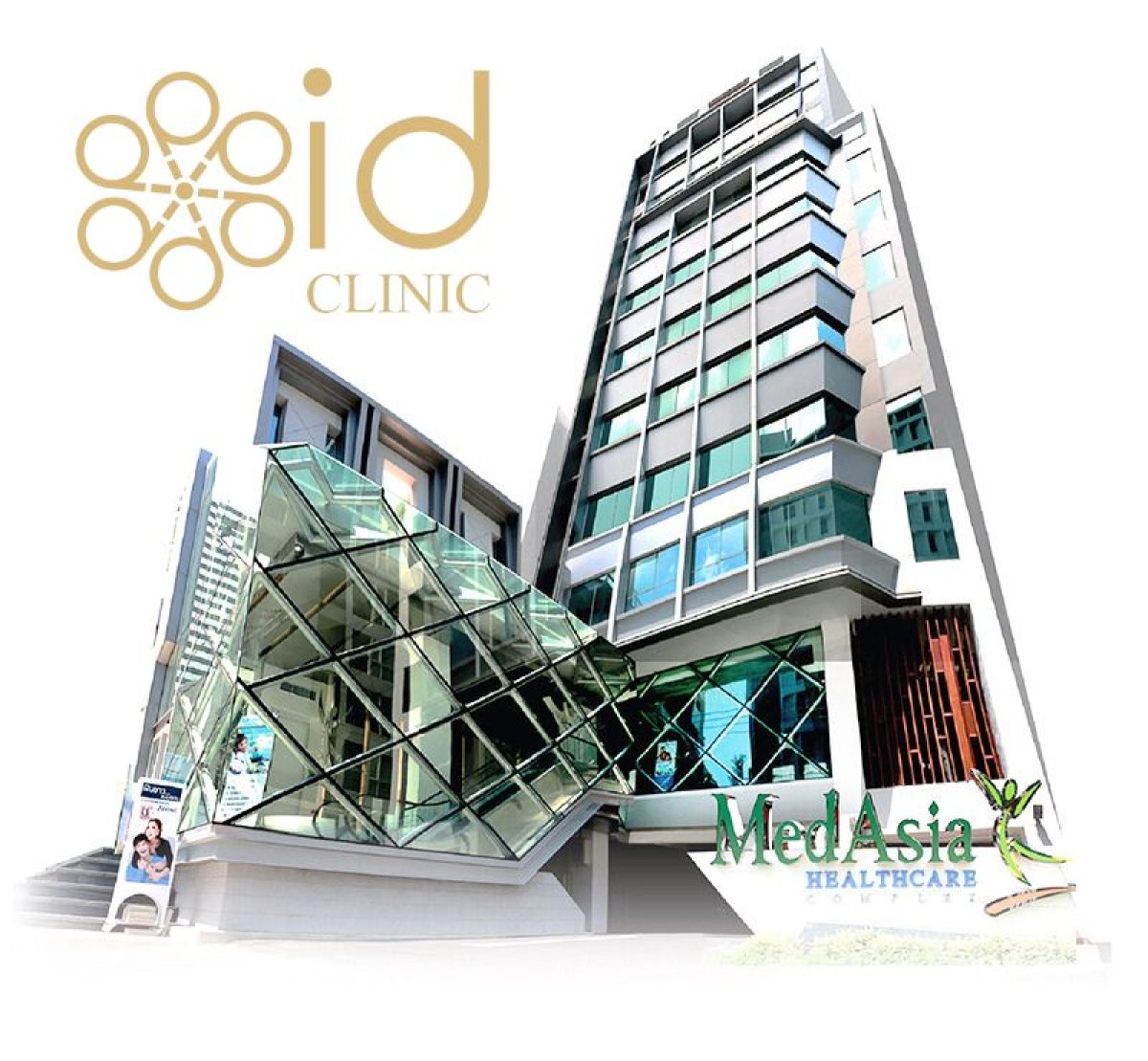
- الطب التجديدي: العلاج بالخلايا الجذعية متاح في مراكز مثل Vega Clinic و ID Clinic.
- العلاجات اليدوية: يُستخدم التلاعب التقويمي وتقنيات تقويم العمود الفقري (Gonstead Chiropractic) لإزالة ضغط الأعصاب الهيكلي.
- التقنيات التكاملية: الطب الصيني التقليدي والوخز بالإبر مدمجان مع الأدوية العصبية الحديثة.
- إعادة التأهيل المتقدم: إعادة التأهيل العصبي الروبوتي والتدريب على المشي باستخدام الهيكل الخارجي القابل للارتداء من أجل التعافي الوظيفي.
رؤية خبراء Bookimed: توفر العيادات التايلاندية مزيجاً فريداً من الروبوتات عالية التقنية والطب التجديدي. يجمع الدكتور Kantaphong Thongrong من مجموعة PYONG لإعادة التأهيل بين إعادة التأهيل العصبي الروبوتي وبين التحلل المائي الموجه بالموجات فوق الصوتية. يعالج هذا النهج المزدوج انحشار الأعصاب الجسدي مع استخدام التكنولوجيا لإعادة تدريب الجهاز العصبي. نادراً ما يوجد هذا المزيج في البروتوكولات الغربية القياسية.
إجماع المرضى: يجد المرضى أن القنب الطبي ومكملات فيتامين B12 بجرعات عالية فعالة جداً في إدارة الألم الشديد. ويؤكدون أن البدء بجرعات منخفضة من صبغات THC يساعد في إدا
كيف يمكنني العثور على أخصائي لعلاج أعراض الاعتلال العصبي لدي؟
للعثور على أخصائي في الاعتلال العصبي، ابدأ بطبيب أعصاب معتمد أو طبيب فيزيائي متخصص في التأهيل العصبي العضلي. يتضمن العلاج المتخصص اختبارات تشخيصية متقدمة وإدارة مخصصة للألم. توفر المراكز الطبية الكبرى مثل تلك الموجودة في تايلاند عيادات متخصصة تركز على الطب التجديدي وإعادة التأهيل العصبي الروبوتي للحالات المزمنة.
- التقييم العصبي: يستخدم أطباء الأعصاب المعتمدون اختبارات متخصصة لتأكيد أنماط محددة من الاعتلال العصبي المحيطي.
- إدارة الألم: يقدم الأخصائيون كتلًا عصبية موجهة، ومركبات موضعية، وتعديلات دوائية متقدمة.
- التركيز على التأهيل: يستخدم الأطباء الفيزيائيون التدريب الروبوتي على المشي والعلاج بالليزر لتحسين الوظيفة الحركية.
- الخيارات التجديدية: قد يستخدم الأطباء المرخصون العلاج بالخلايا الجذعية والتدخلات الموجهة بالموجات فوق الصوتية للتعافي.
رؤية خبير Bookimed: غالبًا ما يسد علاج الاعتلال العصبي في تايلاند الفجوة بين طب الأعصاب التقليدي والتعافي المبتكر. على سبيل المثال، يقوم الدكتور كانتافونغ ثونغرونغ في مجموعة PYONG للتأهيل بدمج الهياكل الخارجية الروبوتية مع الحقن الموجه بالموجات فوق الصوتية. هذا المزيج نادر في الممارسة العامة. إن اختيار أخصائي يتمتع بمؤهلات في كل من طب الأعصاب والتأهيل غالبًا ما يؤدي إلى نتائج وظيفية أفضل من الاعتماد على الأدوية وحدها.
إجماع المرضى: يلاحظ المرضى أن الرعاية الأولية العامة غالبًا ما تكون غير كافية لإدارة الأعراض المعقدة. وهم يقترحون رؤية أخصائي يتعامل مع المشاكل العصبية بشكل يومي، خاص
كيف أستعد لاستشارة اعتلال الأعصاب في تايلاند؟
استعد لاستشارة اعتلال الأعصاب في تايلاند من خلال توثيق جدول زمني للأعراض وإحضار نسخ ورقية من دراسات التوصيل العصبي أو التصوير بالرنين المغناطيسي. يعطي المتخصصون الرائدون في بانكوك الأولوية للخرائط الحسية والتاريخ العائلي لتحديد الأسباب الكامنة. يجب أن يصل المرضى بقائمة كاملة بالأدوية الحالية والحساسية.
- التوثيق الطبي: أحضر اختبارات الدم الحديثة ونتائج تخطيط كهربية العضل (EMG) من العام الماضي.
- مفكرة الأعراض: سجل متى يحدث التنميل أو الوخز وما الذي يثير الألم أو يخففه.
- اختيار الملابس: ارتدِ ملابس فضفاضة لتسهيل الوصول لإجراء اختبارات الانعكاس والحساسية.
- إدارة الوصفات الطبية: اطلب أسماء الأدوية الجنيسة لشراء الأدوية من الصيدليات المحلية لتوفير التكاليف.
رؤية خبير Bookimed: غالباً ما توفر رعاية الأعصاب في تايلاند تشخيصات سريعة حيث تكمل العديد من المستشفيات الخاصة الفحوصات والمختبرات في غضون 90 دقيقة. أقترح الحجز مع متخصصين مثل الدكتور سومجيت توسامران من مجموعة PYONG لإعادة التأهيل، الذين لديهم تدريب زمالة متقدم من أفضل المؤسسات التايلاندية. يضمن هذا المستوى العالي من التخصص أن تتجاوز استشارتك إدارة الأعراض إلى مرحلة التشخيص الدقيقة.
إجماع المرضى: يشير المرضى إلى أن اصطحاب صديق يتحدث التايلاندية يساعد في التنقل في التسجيل وأسئلة المتابعة حتى في المستشفيات ذات المعايير الدولية. يوصي الكثيرون بسؤال الطبيب عما إذا كان الهدف الأساسي هو العثور على السبب أو مجرد السيطرة على الأعراض.