علاج مرض الزهايمر في تايلاند — احصل على 3 عيادات مختارة خصيصاً لك


تمت مراجعة المقالة طبيا من قبل
فهد مولود
كيف نعمل؟
ما هي تكلفة مرض الزهايمر إجراءات التشخيص والعلاج في تايلاند؟ اعرف الآن
تتضمن تكلفة علاج مرض الزهايمر في تايلاند عادةً الفحوصات التشخيصية والتدخلات العلاجية المتقدمة. على سبيل المثال، تتراوح تكلفة التشخيصات الأساسية مثل تخطيط كهربية القلب (ECG) من $100 / 3,400฿ إلى $100 / 3,400฿، بينما تتراوح تكلفة العلاج المتخصص بالخلايا الجذعية لمرض الزهايمر من $12,200 / 414,800฿ إلى $19,100 / 649,400฿. تعتمد النفقات الإجمالية على مرحلة المرض ومستوى الرعاية المطلوبة، حيث يوفر المرضى ما يقرب من 50-70% مقارنة بالولايات المتحدة. تقع أفضل مراكز العلاج في بانكوك وهوا هين.
تكاليف علاج مرض الزهايمر النموذجية في تايلاند
- تخطيط كهربية القلب (ECG): $100 / 3,400฿ – $100 / 3,400฿
- الأشعة المقطعية للجيوب الأنفية: $200 / 6,800฿ – $300 / 10,200฿
- العلاج بالخلايا الجذعية لمرض الزهايمر: $12,200 / 414,800฿ – $19,100 / 649,400฿
رؤية خبراء Bookimed: يستفيد المرضى في المراحل المبكرة الذين يسعون للحفاظ على الوظائف الإدراكية بشكل أكبر من إعادة التأهيل العصبي المتخصص. تقدم PYONG Rehabilitation برامج تحفيز دماغي مستهدفة تبدأ من حوالي 3,000 دولار للعلاج المكثف. بالنسبة للمهتمين بالطب التجديدي، يوفر مستشفى Panacee Hospital Rama 2 بروتوكولات خلايا جذعية معتمدة من ممارسات التصنيع الجيدة (GMP) مقابل حوالي 7,200 دولار. يجب على المرضى الذين يحتاجون إلى إدارة معقدة للحالة إعطاء الأولوية للمرافق المعتمدة من اللجنة الدولية المشتركة (JCI) مثل مستشفى بامرونجراد الدولي للحصول على خبرة متعددة التخصصات. تضمن الرقابة المهنية من قبل أطباء أعصاب معتمدين توافق هذه العلاجات المتقدمة مع معايير السلامة الدولية.
| تايلاند | تركيا | إسبانيا | |
| علاج الخلايا الجذعية لمرض الزهايمر | من $12,189 / 414,426฿ | من $15,000 / 510,000฿ | من $20,000 / 680,000฿ |
اكتشف أفضل مرض الزهايمر العيادات في تايلاند: 6 خيارات معتمدة والأسعار









احصل على تقييم طبي لـ في تايلاند. استشر الآن 8 أطباء ذوي الخبرة.
عرض جميع الأطباء
Chollawat Thongthaisin
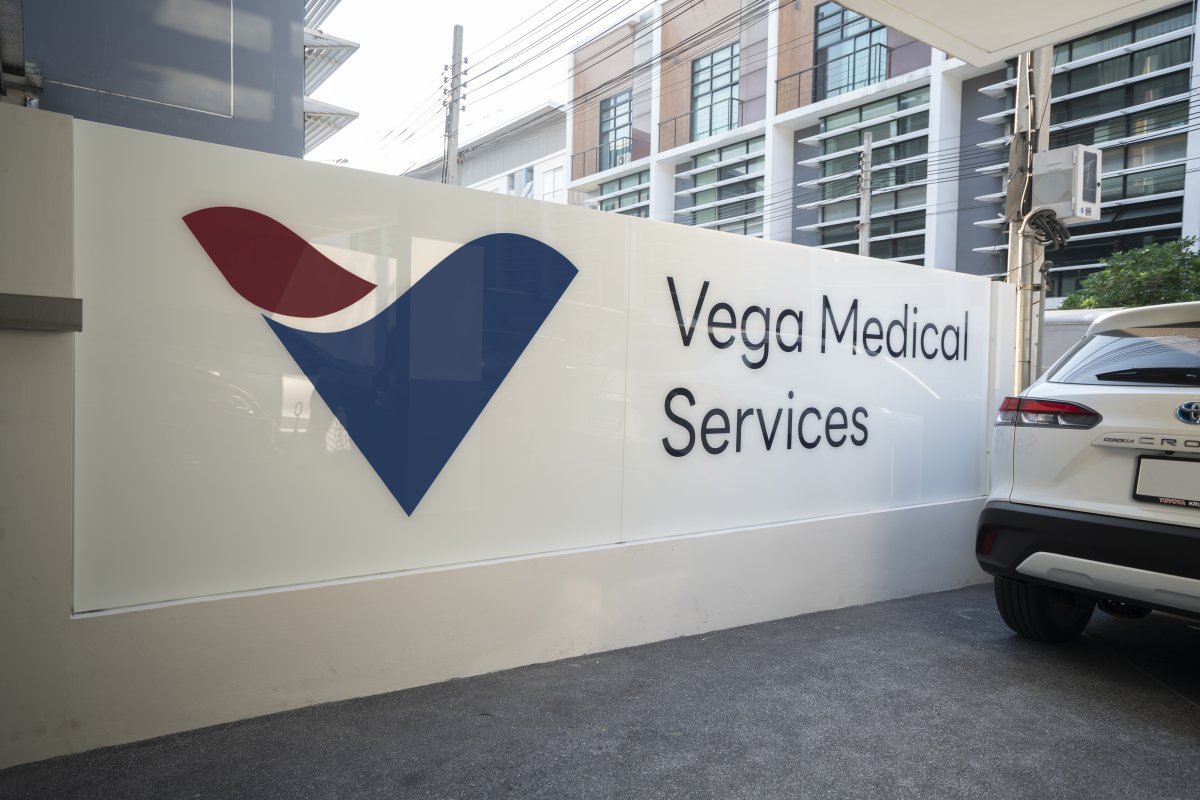
متخصص في الطب التجديدي مع تدريب من المجلس الأمريكي للطب التجديدي. يقدم الدكتور ثونغثايسين نهجاً فريداً لرعاية مرضى الزهايمر في عيادة فيغا.
- درجة البكالوريوس في الطب من جامعة سيام
- تدريب متخصص في الأشعة في مستشفى ثاماسات
- طبيب رئيسي حالي في فيغا للخلايا الجذعية
- يعمل في مستشفى جومتين - أكبر مجموعة مستشفيات خاصة في تايلاند
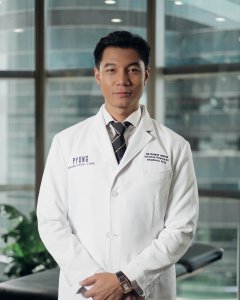
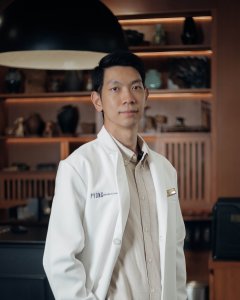
Kantaphong Thongrong
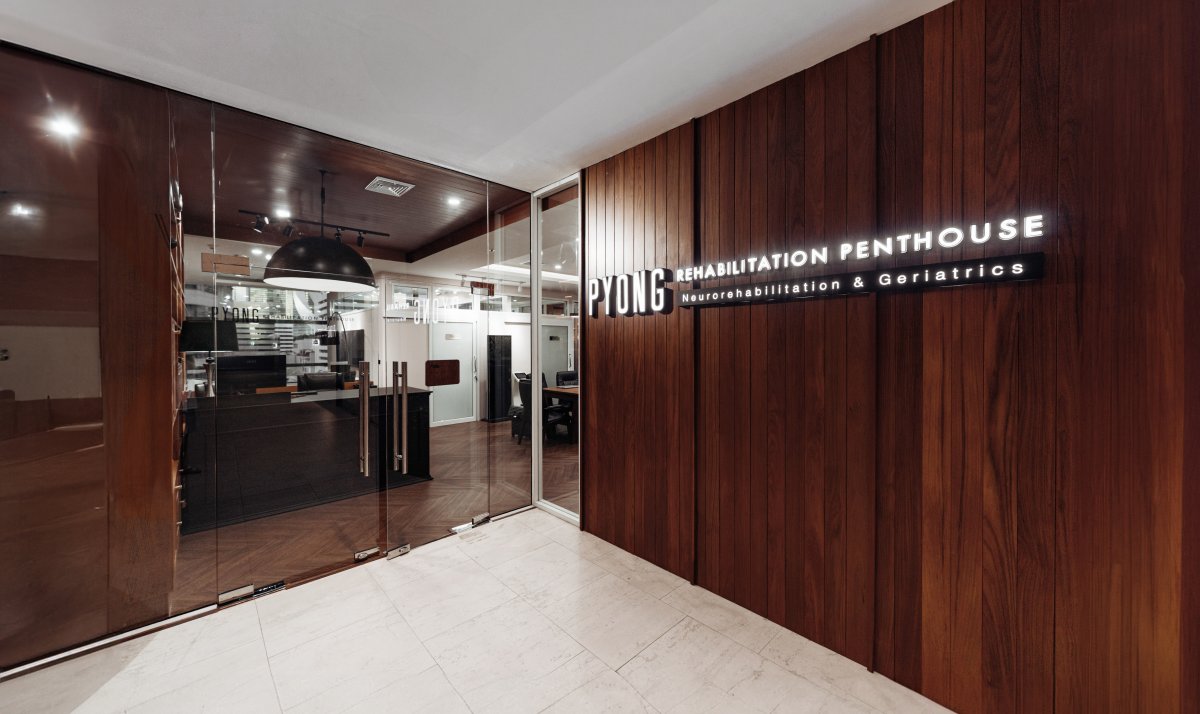
يتخصص الدكتور بيونغ في إعادة التأهيل العصبي ورعاية المسنين، ويدمج الروبوتات المتقدمة والتقنيات غير الجراحية لتحقيق نتائج أفضل.
- حاصل على شهادة البورد في طب إعادة التأهيل مع التركيز على إعادة التأهيل العصبي
- الرئيس التنفيذي والمؤسس لمجموعة بيونغ لإعادة التأهيل، المتخصصة في الحالات المزمنة
- خبير في تدريب المشي باستخدام الهياكل الخارجية القابلة للارتداء للتعافي العصبي
- محاضر في معهد الملك مونغكوت، يدرس طب المسنين وإعادة التأهيل
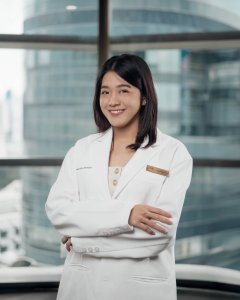
Tara Rak-areekul
تتخصص الدكتورة تارا راك-اريكول في طب الأعصاب الإدراكي واضطرابات الإدراك العصبي، بما في ذلك مرض الزهايمر، وهي حاصلة على زمالة من مستشفى الملك تشولالونغكورن التذكاري.
- باحثة نشطة في المؤشرات الحيوية لمرض الزهايمر وأدوات التشخيص
- قدمت أبحاثاً في مؤتمرات دولية مثل AAIC
- مؤسسة قناة على يوتيوب حول الوقاية من الخرف
- رئيسة الشؤون الأكاديمية لأطباء الأعصاب المقيمين في عام 2023
- مدربة في مجال السكتة الدماغية واضطرابات الحركة
Ornicha Thititagul
طبيب شيخوخة متخصص في مرض الزهايمر – يجمع الدكتور ثيتيتغول بين الممارسة السريرية والبحث الأكاديمي.
- حاصل على دبلوم في طب الشيخوخة مع تدريب متخصص في جامعة سيدني
- طبيب معتمد في طب نمط الحياة – يدمج النهج الشمولي مع الرعاية التقليدية
- محاضر ضيف ومدير جلسات في مؤتمرات كبرى لطب الشيخوخة
- أبحاث منشورة حول التدخلات الغذائية لدى كبار السن
مشاركة المحتوى
قصص فيديو من مرضى Bookimed
 Anna Leonova
أسئلة متكررة حول علاج مرض الزهايمر في تايلاند
ما هي العلاجات الطبية المتقدمة المتاحة لمرض الزهايمر في تايلاند؟
توفر تايلاند رعاية متقدمة لمرض الزهايمر من خلال حقن الأجسام المضادة المعدلة للمرض وعلاجات الخلايا الجذعية التجديدية. تستخدم المراكز المتخصصة في بانكوك الخلايا الجذعية الوسيطة وتقنيات إعادة التأهيل العصبي. تركز هذه العلاجات على تقليل التهاب الدماغ، وإزالة لويحات الأميلويد، وتعزيز الوظيفة الإدراكية من خلال التحفيز غير الجراحي.
- علاج الخلايا الجذعية: تستخدم البروتوكولات 50 مليون خلية وسيطة مع عوامل حماية عصبية.
- حقن الأجسام المضادة: يستهدف عقار ليكانيماب (Lecanemab) لويحات الأميلويد لإبطاء تطور المرض في مراحله المبكرة.
- تحفيز الدماغ: تقدم العيادات المتخصصة علاجات التحفيز المغناطيسي عبر الجمجمة والتحفيز النبضي.
- إعادة التأهيل العصبي: تستخدم البرامج تدريب المشي الروبوتي وتقنيات تعزيز الإدراك القائمة على الكمبيوتر.
- التشخيص المتقدم: تجري المرافق فحوصات التصوير المقطعي بالإصدار البوزيتروني (PET) باستخدام مركب بيتسبرغ ب (Pittsburgh Compound B) للكشف عن الأميلويد.
رؤية خبير Bookimed: تظهر البيانات تحولاً فريداً نحو الرعاية التكاملية حيث تتداخل الطب التجديدي وطب الأعصاب التقليدي. في مركز EDNA Wellness، تجمع البروتوكولات بين 50 مليون خلية جذعية وهيدروليزات بروتين الدماغ لتعزيز إصلاح الأعصاب. وفي الوقت نفسه، تستخدم عيادات مثل مستشفى Panacee برامج تجديد معتمدة من ممارسات التصنيع الجيدة (GMP) لمعالجة الالتهاب المزمن. يمكن للمرضى العثور على خيارات متخصصة تبدأ من حوالي 3000 دولار لإعادة التأهيل العصبي وتصل إلى 17000 دولار لعلاجات ا
كيف يتم تشخيص مرض الزهايمر في المستشفيات التايلاندية الرائدة؟
تقوم المستشفيات التايلاندية الرائدة بتشخيص مرض الزهايمر من خلال تقييمات سريرية متكاملة وتصوير جزيئي متقدم. تستخدم مراكز مثل مستشفى بامرونجراد الدولي ومستشفى سيريراج فحوصات التصوير المقطعي بالإصدار البوزيتروني (PET) والرنين المغناطيسي (MRI) للكشف عن بروتينات بيتا أميلويد. كما تستخدم بعض المراكز تحليل السائل النخاعي والمؤشرات الحيوية في البلازما للكشف الدقيق في المراحل المبكرة.
- الفحص السريري: يستخدم المتخصصون اختبارات موحدة مثل MoCA-Thai لتقييم الوظيفة الإدراكية.
- التصوير المتقدم: تتبع فحوصات PET باستخدام PiB بروتينات أميلويد-بيتا وتاو في أنسجة المخ.
- التنميط الجيني: تقدم العيادات اختبارات النمط الجيني APOE لتقييم عوامل الخطر الوراثية للخرف.
- اختبار المؤشرات الحيوية: تكتشف البزل القطني بروتينات معينة في السائل النخاعي في مراكز الأورام المتخصصة.
رؤية خبير Bookimed: أصبحت تايلاند بسرعة مركزاً للتشخيص التكاملي من خلال الجمع بين طب الأعصاب التقليدي والطب التجديدي. تظهر البيانات أن عيادات مثل مستشفى باناسي تدمج اختبارات الحمض النووي المتقدمة مع مراقبة تجديد الخلايا. وهذا يسمح للمتخصصين بالتنبؤ باتجاهات الصحة قبل ظهور الأعراض. على سبيل المثال، يستخدم الدكتور أوم سودتشومفاي معايير التغذية والطب التكاملي المعتمدة من المجلس الأمريكي لتصميم هذه البرامج التشخيصية.
إجماع المرضى: يؤكد المرضى على قيمة الفرق متعددة التخصصات في المستشفيات التايلاندية التي تضم أطباء الشيخوخة وأطباء الأعصاب. ويشير الكثيرون إلى أن دقة الاختبارات الجزيئي
لماذا تعتبر شيانغ ماي مركزاً لرعاية مرضى الخرف؟
تعد شيانغ ماي مركزاً لرعاية الخرف بسبب ارتفاع نسب مقدمي الرعاية والاحترام الثقافي لكبار السن. غالباً ما توفر المرافق دعماً شخصياً بنسبة 1:1 أو 2:1. تجمع هذه البيئة بين رعاية الذاكرة المتخصصة والتكاليف الشهرية المعقولة مقارنة بالدول الغربية. تعطي معظم المراكز الأولوية للمعيشة غير السريرية على طراز المنتجعات.
- نسب مقدمي الرعاية: غالباً ما تقدم المراكز مرافقين مخصصين بنسبة 1:1 للحصول على دعم شخصي على مدار 24 ساعة.
- القيم الثقافية: تعطي التقاليد التايلاندية الأولوية للطف والرحمة والاحترام العميق للمقيمين المسنين.
- توفير التكاليف: تتراوح تكاليف الرعاية الشهرية بين 2000 دولار و4000 دولار، مما يوفر حوالي 60-80% مقارنة بالولايات المتحدة.
- البيئة: تؤكد مرافق مثل قرية Vivobene على العلاج الحسي والمشاركة اليومية في الحدائق.
رؤية خبير Bookimed: تظهر البيانات السريرية اتجاهاً متزايداً نحو الجمع بين رعاية الذاكرة التقليدية وإعادة التأهيل العصبي المتقدم. على سبيل المثال، يستخدم الدكتور كانتافونغ ثونغرونغ في PYONG Rehabilitation تدريب المشي الروبوتي وتحفيز الدماغ. تكلف هذه البرامج حوالي 3000 دولار وتوفر دقة تقنية تفتقر إليها العديد من دور الرعاية السكنية القياسية. يجب على المرضى البحث عن متخصصين مثل الدكتورة تارا راك-أريكول، التي تبحث في مؤشرات حيوية محددة في البلازما لتشخيص دقيق لمرض الزهايمر.
إجماع المرضى: بينما يشيد الشعور العام بانخفاض تكلفة المعيشة، تؤكد العائلات على أهمية التحقق من الخبرة العصبية المتخصصة. تشير العديد من الملا
ما هي الخدمات المقدمة في مرافق الرعاية التايلاندية المصممة للمرضى الدوليين؟
توفر المرافق التايلاندية مراكز دولية تقدم تنسيقاً متعدد اللغات، ومساعدة في تأشيرات العلاج الطبي، ورعاية متخصصة لمرض الزهايمر. يحصل المرضى على تمريض فردي (1 لـ 1)، وعلاج بالخلايا معتمد من GMP، وإعادة تأهيل عصبي. تخدم المراكز الرائدة مثل مستشفى بامرونجراد الدولي أكثر من 500,000 مريض أجنبي سنوياً مع لوجستيات مخصصة ودعم ثقافي.
- التنسيق الطبي: تتولى مكاتب متخصصة مراجعة التاريخ الطبي والجدولة قبل الوصول.
- دعم اللغة: تبسط الترجمة الفورية المجانية التواصل بين المرضى وأطباء الأعصاب أثناء الاستشارات.
- المساعدة اللوجستية: توفر المراكز انتقالات من المطار إلى العيادة وتساعد في تمديد تأشيرات التقاعد.
- العلاجات المتكاملة: تجمع البرامج بين تحفيز الدماغ، والروبوتات، والعلاج بالخلايا الجذعية الوسيطة.
رؤية خبير Bookimed: تسد المرافق التايلاندية مثل مستشفى بانيسي راما 2 ومجموعة بيونغ لإعادة التأهيل الفجوة بين الرعاية السريرية والرفاهية الفاخرة. بينما تركز المراكز الكبرى على التشخيص، توفر العيادات المتخصصة الأصغر بيئات خاصة مع نسب أفضل للمرضى إلى الموظفين. على سبيل المثال، تخدم بيونغ 300 مريض فقط سنوياً، مما يضمن اهتماماً شخصياً لحالات الزهايمر المعقدة التي قد تفتقر إليها المستشفيات ذات الحجم الكبير.
إجماع المرضى: يقدر المرضى خدمات الترجمة على مدار الساعة طوال أيام الأسبوع وعمليات الاستقبال السلسة من المطار، لكنهم يشيرون إلى أن الوحدات السكنية المخصصة طويلة الأجل قد يكون من الصعب العثور عليها. يوصي الكثيرون باستخدام منسقين متخصصين لتجنب