| تايلاند | تركيا | إسبانيا | |
| فحص بالموجات فوق الصوتية الموجهة بالرنين المغناطيسي (MRgFUS) | من $8,000 / 272,000฿ | من $10,000 / 340,000฿ | من $9,000 / 306,000฿ |
| علاج مرض باركنسون بالخلايا الجذعية | من $6,500 / 221,000฿ | من $25,000 / 850,000฿ | من $30,000 / 1,020,000฿ |
| جراحة التحفيز العميق للدماغ | من $25,000 / 850,000฿ | من $23,000 / 782,000฿ | من $45,000 / 1,530,000฿ |
| العلاج الدوائي لمرض الشلل الرعاش | من $800 / 27,200฿ | من $1,000 / 34,000฿ | من $1,800 / 61,200฿ |
متخصص في الطب التجديدي وحاصل على تدريب من المجلس الأمريكي للطب التجديدي. يعمل في عيادة فيجا ويلنس وعيادة بيوبرايم سيندهورن.
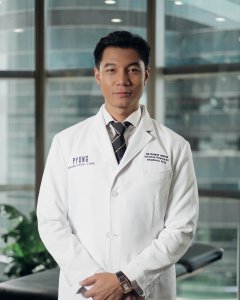
يدمج الدكتور بيونغ (PYONG) الروبوتات المتقدمة والتقنيات غير الجراحية لتعزيز نتائج التأهيل العصبي، متخصصة في مرض باركنسون في مجموعة بيونغ (PYONG) للتأهيل.
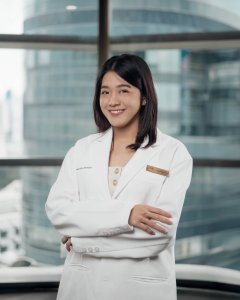
يتخصص الدكتور ثيتيتاغول في طب المسنين في مجموعة PYONG للتأهيل، مع التركيز على الأمراض المرتبطة بالشيخوخة مثل مرض باركنسون.
يتخصص الدكتور كيتيبراشاكول في التأهيل العصبي لمرض باركنسون، حيث يدمج التقنيات المتقدمة في الرعاية التي تركز على المريض في مستشفى الملك تشولالونغكورن التذكاري.
كتب بواسطة Mariia Mytrofankina
يختار المرضى تايلاند لعلاج مرض باركنسون لما توفره من علاجات تجديدية وجراحات عصبية متقدمة في مرافق طبية معتمدة من اللجنة الدولية المشتركة (JCI). ويقدم أخصائيون دوليون في بانكوك بروتوكولات تحفيز الدماغ العميق (DBS) وعلاج الخلايا الجذعية. وتتميز هذه العلاجات عادةً بفترات انتظار أقصر مقارنةً بأنظمة الرعاية الصحية الوطنية في الدول الغربية.
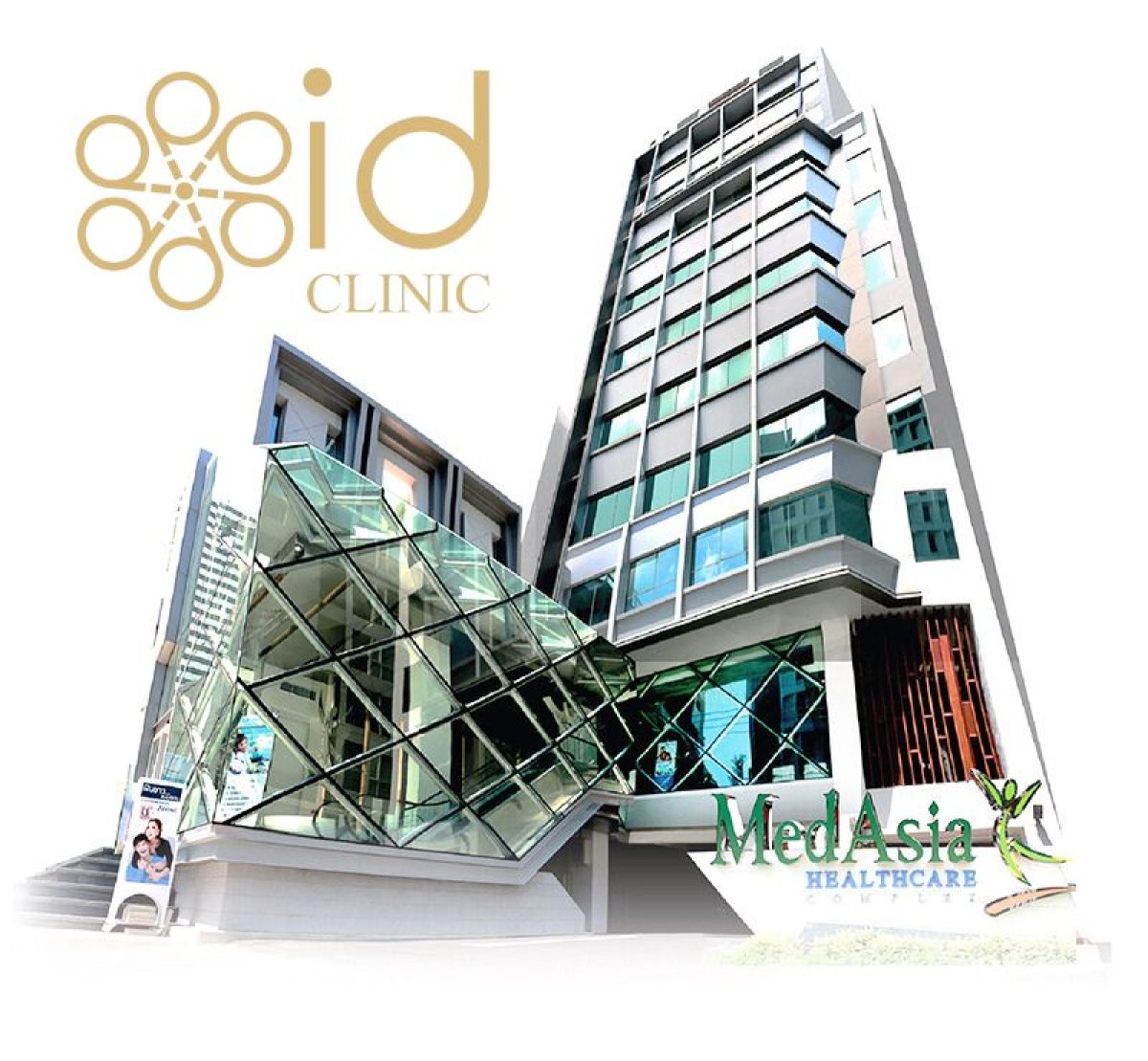
رأي خبراء بوكيمد: تُظهر بيانات بوكيمد اختلافات كبيرة في تكلفة باقات علاج الخلايا الجذعية. فبينما يُقدّم مركز إدنا ويلنس علاجًا تجديديًا بإشراف خبراء مقابل 15,400 دولار أمريكي، تُقدّم عيادة آي دي في بانكوك علاجًا شاملًا بالخلايا الجذعية الوسيطة مقابل 5,200 دولار أمريكي تقريبًا. وتشمل هذه الباقة الأقل تكلفة عادةً خدمة النقل من وإلى المطار والإقامة في الفندق، وهي خدمات غالبًا ما تكون غير مشمولة في برامج إعادة التأهيل الأكثر تكلفة.
آراء المرضى: يشير المرضى إلى أن الطاقم الطبي متجاوب للغاية ويقدم علاجاً منظماً بدقة. ويعتقد الكثيرون أن إمكانية الجمع بين الجراحة والتأهيل الأولي تقلل بشكل كبير من الصعوبات اللوجستية المرتبطة بالسفر إلى الخارج.
تُقدّم تايلاند مجموعة واسعة من أحدث أدوية مرض باركنسون والعلاجات المتطورة القائمة على الأجهزة الطبية. يُمكن للمرضى الحصول على مُحفزات الدوبامين الحديثة، ومثبطات MAO-B مثل سافيناميد، ومثبطات COMT. كما تُقدّم المراكز المتخصصة في بانكوك علاجات متطورة، تشمل التحفيز العميق للدماغ والعلاج بالخلايا الجذعية التجديدية.
رأي خبراء بوكيمد: على الرغم من توفر الأدوية الأساسية على نطاق واسع، إلا أن العلاجات المتطورة تتركز في المراكز الرئيسية في بانكوك. تعالج المؤسسات المعتمدة من قبل اللجنة الدولية المشتركة (JCI)، مثل مستشفى بومرونجراد الدولي، أكثر من مليون مريض سنويًا. تحافظ هذه المراكز الكبيرة على إمداد مستمر من الأدوية الجديدة، مثل راساجيلين. غالبًا ما تتخصص العيادات الصغيرة في تقنيات إعادة تأهيل محددة أو بروتوكولات العلاج التجديدي. ينبغي على المرضى الذين يسعون للحصول على أحدث العلاجات التوجه إلى أقسام طب الأعصاب المتخصصة في العاصمة لضمان الوصول إليها بشكل موثوق.
آراء المرضى: أفاد المرضى بأن الأدوية التقليدية، مثل ليفودوبا، متوفرة بسهولة في الصيدليات المحلية. ومع ذلك، أشاروا إلى أن العلاجات الأحدث، مثل الأدوية المستنشقة أو السائلة، غالباً ما تتطلب زيارات إلى مستشفيات خاصة كبيرة في بانكوك.
تستخدم تايلاند علاجات تجديدية متخصصة لمرض باركنسون تعتمد على الخلايا الجذعية الوسيطة (MSCs) بالتزامن مع إعادة تأهيل عصبي متقدمة. وتقدم عيادات في بانكوك وبوكيت حقنًا لخلايا مشتقة من دم الحبل السري. غالبًا ما تتضمن هذه البروتوكولات الطب الوظيفي، بما في ذلك حقن NAD+ الوريدي والعلاج الطبيعي الروبوتي، لتخفيف الأعراض الحركية والالتهاب العصبي.
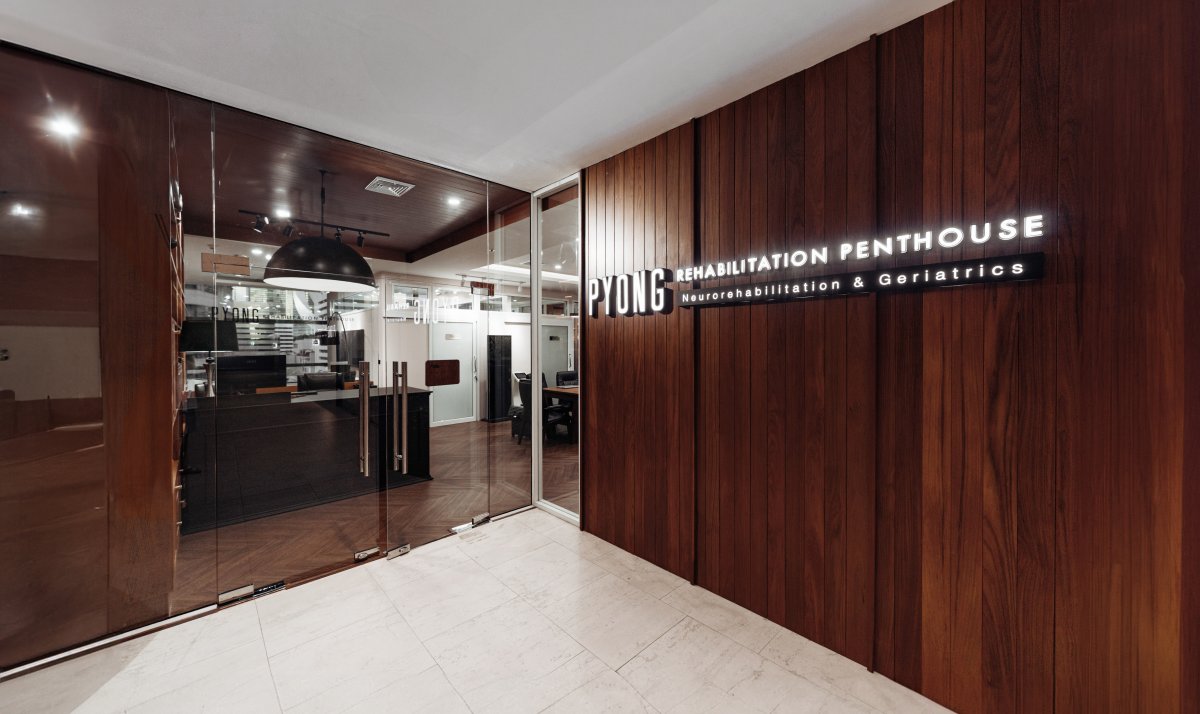
رأي خبراء بوكيمد: بينما يتوق الكثيرون لاستخدام الخلايا الجذعية، تكمن قوة تايلاند الحقيقية في إعادة التأهيل العصبي عالي التقنية. يستخدم مركز بيونغ لإعادة التأهيل أنظمة روبوتية متطورة وهياكل خارجية لمرضى باركنسون. تُظهر هذه البيانات تحولًا نحو الجمع بين العلاجات البيولوجية والعلاج الطبيعي المكثف باستخدام الأجهزة لتحقيق نتائج وظيفية أفضل. وتشمل باقات عيادة آي دي في بانكوك، التي تبلغ تكلفتها 5200 دولار، الإقامة الفندقية والمواصلات، مما يجعل العلاج الشامل في متناول الجميع.
رأي المرضى: يشير المرضى إلى أنه على الرغم من أن حقن الخلايا الجذعية قد تخفف الرعاش مؤقتًا، إلا أنها ليست علاجًا نهائيًا. ويؤكد الكثيرون على استعداد الكادر الطبي في المراكز الكبرى، مثل مستشفى بومرونجراد الدولي، لتقديم الدعم طوال فترة العلاج.
Thailand is a reputable destination for Parkinson's disease treatment. It offers surgeries like Deep Brain Stimulation (DBS) and focused ultrasound. Specialist centres in Bangkok hold JCI and ISO accreditations. Thai neurologists often train internationally to provide high standards of geriatric and neurological care.
Bookimed Expert Insight: Thailand is a regional hub for neurorehabilitation. Specialists like Dr Kantaphong Thongrong and Dr Ornicha Thititagul have ties to Australian medical institutions in Perth and Sydney. This connection means care protocols often feel familiar to Australian patients. It makes the transition between local GPs and Thai specialists smoother than in other hubs.
Patient Consensus: Patients at major centres like Bumrungrad International Hospital praise the orderly management and helpful staff. Australian patients often note that robotic training and personalised support ease the burden of travel. These services help manage the logistics of seeking complex neurological care abroad.
Thai hospitals use a multidisciplinary approach for Parkinson's disease. Standard care includes levodopa-based medication and Deep Brain Stimulation (DBS) for motor fluctuations. Specialized centres also provide regenerative stem cell therapies and robotic neurorehabilitation to improve patient mobility.
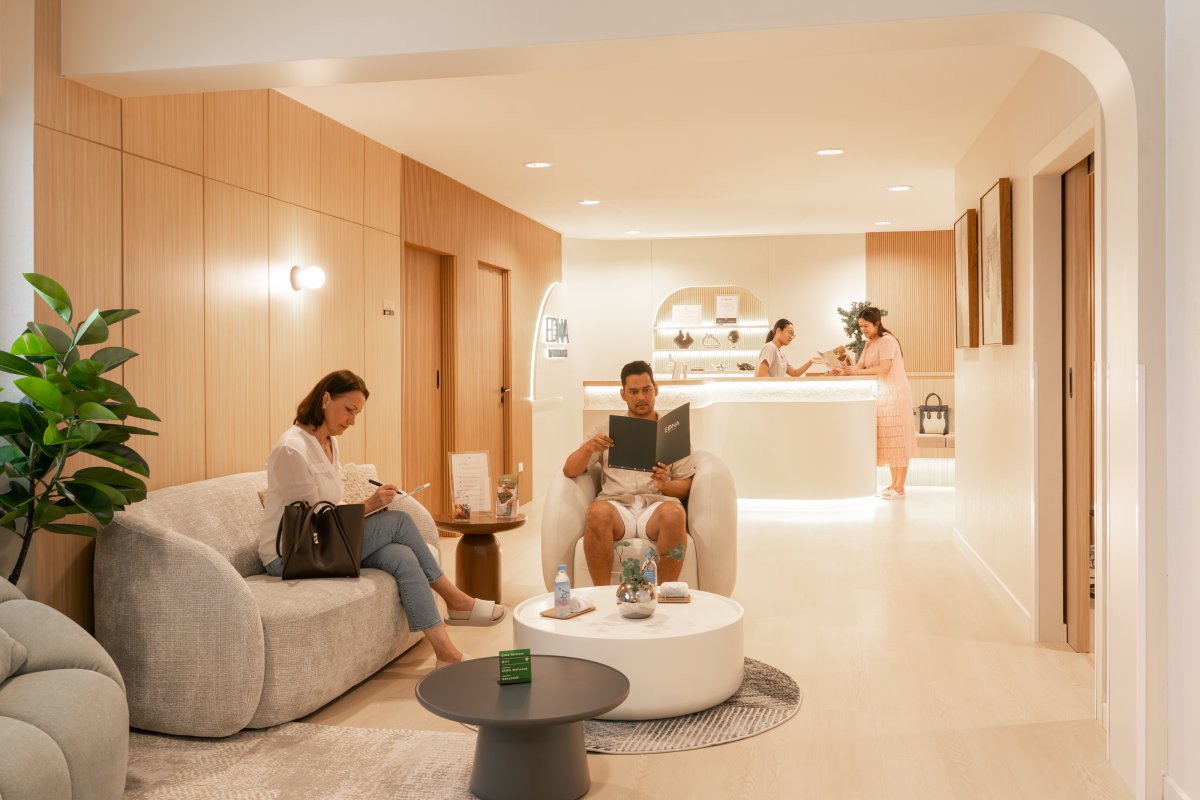
Bookimed Expert Insight: Thailand is a regional hub for integrative neurology. Major hospitals focus on DBS surgery. Specialized clinics like EDNA Wellness partner with GMP-certified laboratories. These centres provide Australian patients with MSC protocols often combined with follow-up video consultations for remote care.
Patient Consensus: Patients visiting Bumrungrad International Hospital report that medical staff are highly helpful. The orderly management of appointments makes navigating complex neurological care in Thailand much easier.
Thai clinics offer mesenchymal stem cell therapies for Parkinson's disease. These private clinics provide intravenous and intrathecal infusions alongside neurorehabilitation. Medical bodies generally view these as experimental treatments. Experts advise caution as clinical evidence remains in the early stages globally.
Bookimed Expert Insight: Thai clinics like ID Clinic Bangkok and EDNA Wellness tailor services for Australian patients. They often combine stem cell infusions with formal neurorehabilitation. This integrated approach reflects a transition toward more structured care. Packages vary from A$7,200 to A$66,000 depending on cell count and delivery method.
Patient Consensus: Patients note that staff are helpful and care is orderly at major Bangkok hospitals. Many emphasise checking the clinical trial status of treatments. It is also important to consult a neurologist before travel.
Thailand provides specialised Parkinson's rehabilitation through neurorehabilitation centres in Bangkok. Facilities offer robotic gait training, wearable exoskeletons, and transcranial magnetic stimulation (TMS). Patients access multidisciplinary care to manage motor symptoms and improve quality of life. This care includes neurology, geriatric medicine, and physiotherapy.
Bookimed Expert Insight: Thai neurorehabilitation bridges the gap between traditional therapy and medical technology. For instance, Dr Kantaphong Thongrong at PYONG Rehabilitation trained in robotic systems from Italy. Australian patients benefit from specialists like Dr Ornicha Thititagul. She completed a geriatric medicine observership at the University of Sydney. This local familiarity helps the clinical approach align with Australian medical standards.
Patient Consensus: Visitors mention that the staff are helpful. They manage every aspect of the visit in an orderly manner during their time in Thailand.
Movement disorder specialists at centres like Bumrungrad International Hospital and PYONG Rehabilitation Group provide Parkinson's care in Bangkok. Patients access diagnostics including electromyography and brain MRI. Specialist treatments include Deep Brain Stimulation (DBS) and neurorehabilitation involving robotic gait training.
Bookimed Expert Insight: Many patients seek surgery. However, Bangkok centres offer neurorehabilitation packages for approximately A$4,100. These include robotic-assisted gait training. Specialists like Dr Kantaphong Thongrong, who presented research in Perth, often lead these programs. This provides an alternative for patients not yet requiring invasive surgery.
Patient Consensus: Patients in Thailand report that medical staff manage appointments in a very orderly manner. They also find the multilingual support and helpful clinic staff make navigating healthcare transitions simple.