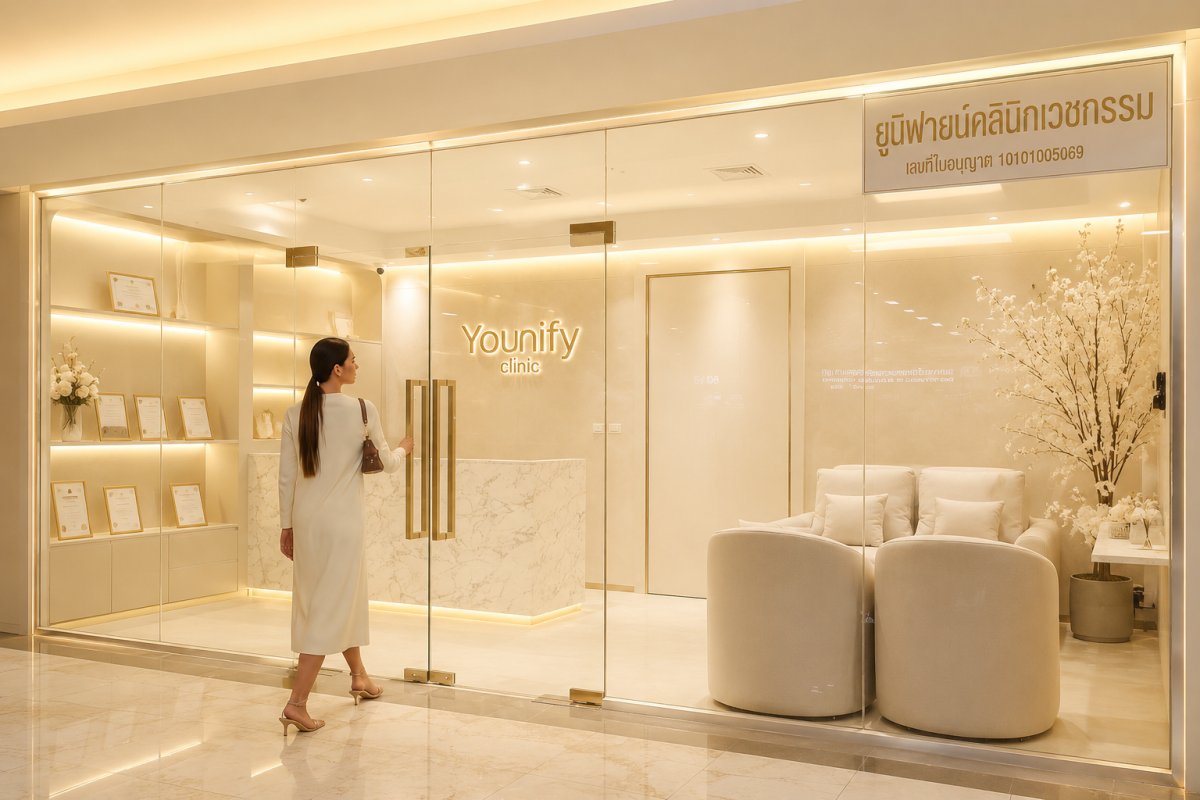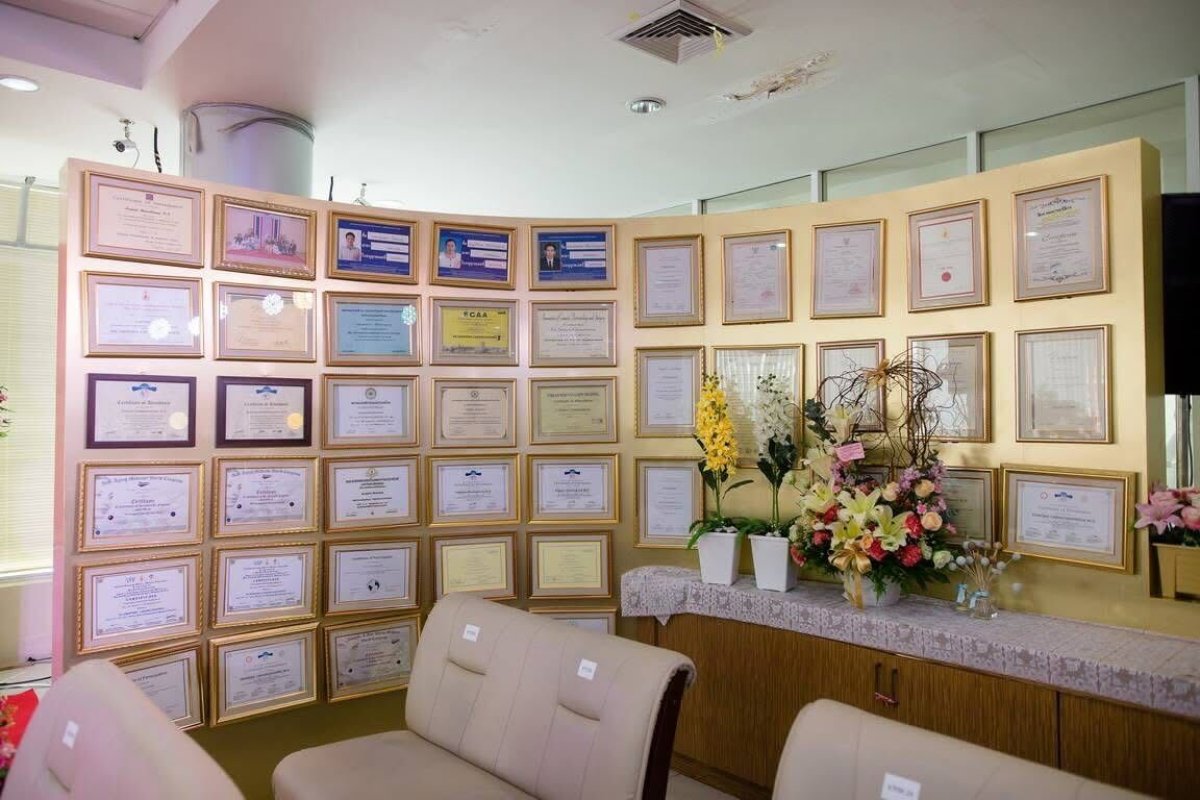
عيادة سومشاي للأمراض الجلدية والطب التجميلي
تايلاند, بانكوك


تمت مراجعة المقالة طبيا من قبل
فهد مولود
| تايلاند | تركيا | إسبانيا | |
|---|---|---|---|
| محفز الحبل الشوكي (SCS) | ≈ $18,500 / 629,000฿ | من $16,000 / 544,000฿ | من $22,200 / 754,800฿ |
| العلاج مكركرنت | ≈ $450 / 15,300฿ | ≈ $450 / 15,300฿ | ≈ $450 / 15,300฿ |
| العلاج بالخلايا الجذعية للألم المزمن | من $1,500 / 51,000฿ | ≈ $6,500 / 221,000฿ | ≈ $2,200 / 74,800฿ |

متخصص في الطب التجديدي مع تدريب من المجلس الأمريكي للطب التجديدي – يقدم الدكتور ثونغثايسين أساليب متطورة لتخفيف الآلام المزمنة.
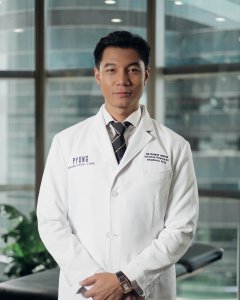
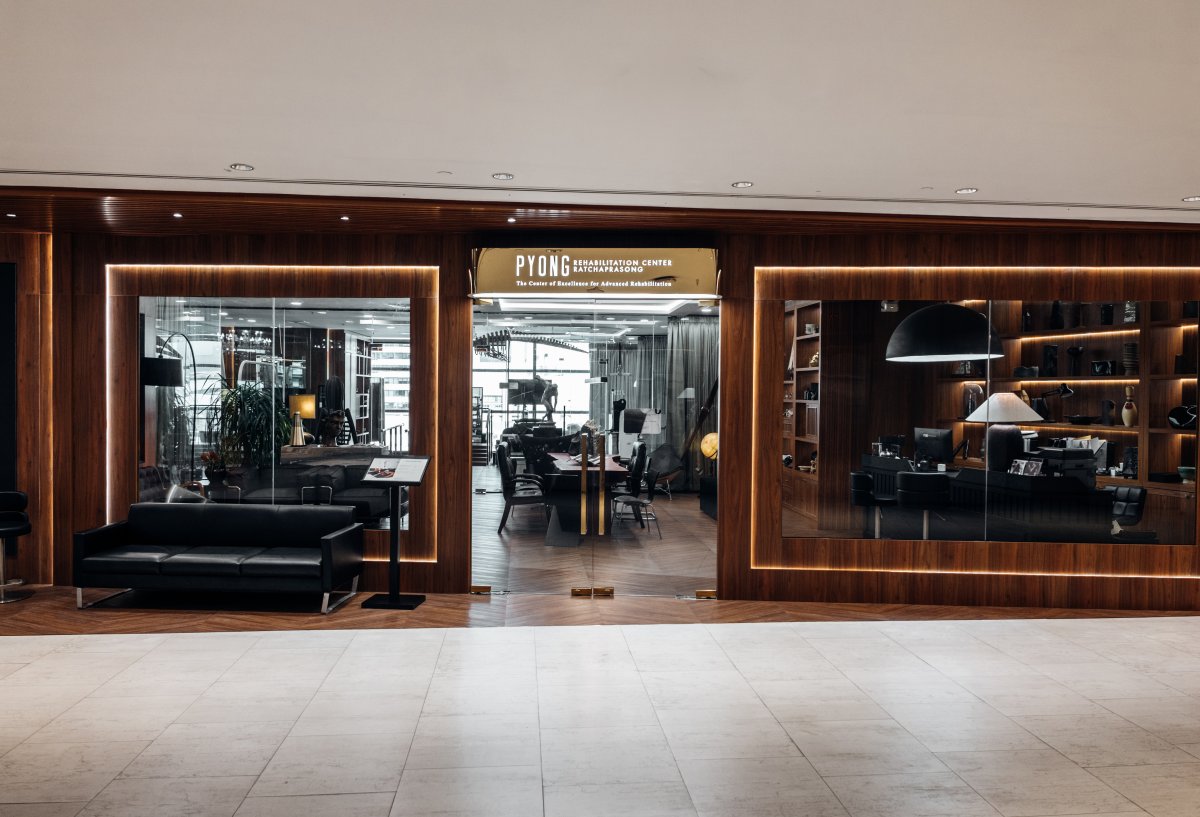
يتخصص الدكتور ثونغرونغ في إدارة الألم المزمن، مستفيداً من تقنيات متقدمة مثل التدخلات الموجهة بالموجات فوق الصوتية وإعادة التأهيل الروبوتي في مجموعة PYONG لإعادة التأهيل.
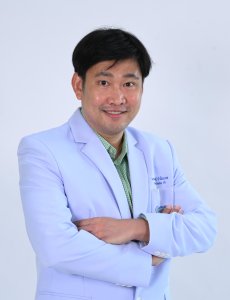
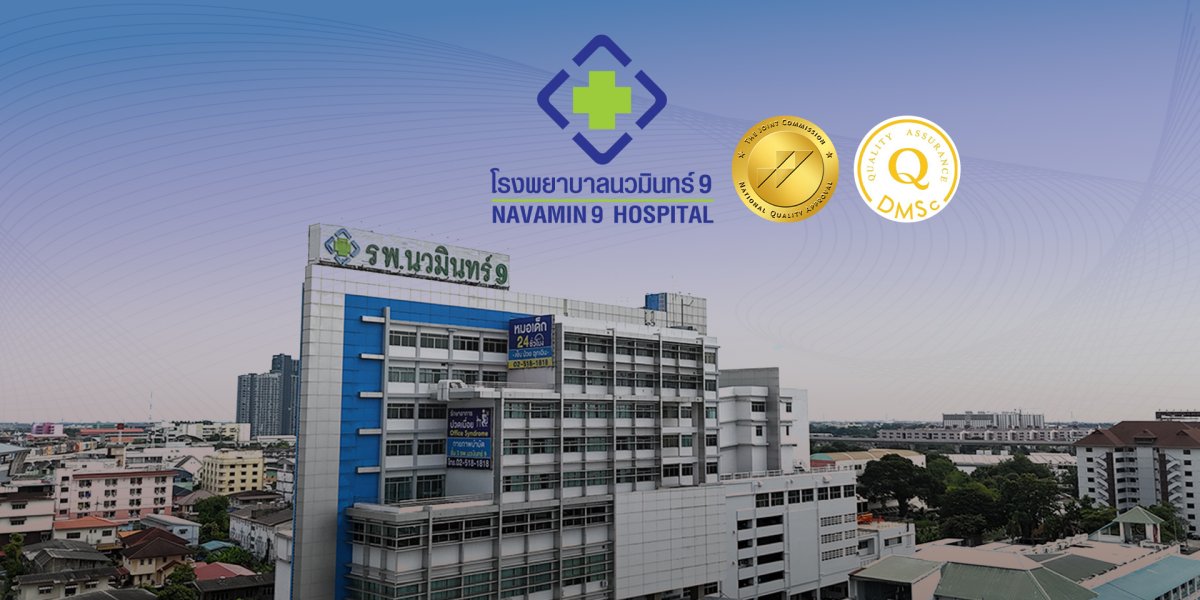
الدكتور تشوتيشات باواروبارت طبيب عيون بخبرة 22 عامًا. تخصّصه الدقيق في طب أعصاب العين. يعمل في مستشفى نافامين 9 في بانكوك. يتحدث الإنجليزية والتايلندية والفرنسية.
الاعتمادات والتدريب: دكتوراه في الطب (MD)، كلية الطب، جامعة تشولالونغكورن. شهادة اختصاص في طب العيون، كلية الطب، جامعة تشولالونغكورن. تدريب التخصص الدقيق في طب أعصاب العين، جامعة السوربون، باريس، فرنسا.
مجالات التركيز والخدمات السريرية: جراحة الساد (استحلاب العدسة مع زرع عدسة داخل العين، استخراج الساد خارج المحفظة ECCE
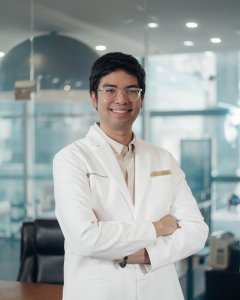
يتخصص الدكتور توسامران في طب الأعصاب مع زمالة في تخصص الصرع الفرعي في مستشفى الملك تشولالونغكورن التذكاري.
 Anna Leonova
تعطي المراكز الطبية التايلاندية الأولوية للعلاجات التحفظية قبل التوصية بالجراحة لآلام العمود الفقري المزمنة. يستخدم المتخصصون إدارة الألم التداخلية وإعادة التأهيل المتقدمة. تستهدف هذه الطرق غير الغازية الالتهاب وإشارات الأعصاب بفعالية. لا يقترح الجراحون إجراءات إلا عندما تفشل هذه الخيارات في توفير الراحة.
رؤية خبير Bookimed: غالبًا ما تجمع المستشفيات التايلاندية بين إعادة التأهيل وفحوصات التشخيص. على سبيل المثال، تقدم بعض العيادات باقات مخصصة للعمود الفقري. تشمل هذه الباقات تصوير الرنين المغناطيسي وجلسات علاج طبيعي متعددة. يضمن هذا النهج دقة التشخيص قبل إجراء أي حقن تداخلي. إنه يمنع الإجراءات غير الضرورية مع التركيز على استقرار الجذع أولاً.
إجماع المرضى: يشعر المرضى بالرضا لأن الأطباء التايلانديين غالبًا ما يقترحون العلاج الطبيعي أولاً. إنهم يقدرون التركيز على تجنب الجراحة من خلال الحقن الموجهة وتمارين التمدد ال
توفر تايلاند علاجات تجديدية متقدمة مثل الخلايا الجذعية الوسيطة (MSC)، والبلازما الغنية بالصفائح الدموية، وعلاج الإكسوسوم للألم المزمن. تدمج المراكز المتخصصة في بانكوك وفوكيت هذه العلاجات مع التحفيز المغناطيسي المحيطي. غالبًا ما تحمل المرافق شهادات المنظمة الدولية للمعايير (ISO) لسلامة المعالجة الخلوية.
رؤية خبير Bookimed: يتميز قطاع التجديد في تايلاند بأن العيادات غالبًا ما تستخدم خلايا جذعية مزروعة في المختبر وخالية من المواد الغريبة (xeno-free). تحافظ عيادة Revival Clinic Bangkok ومركز Miracle Regenerative Center على تقييمات عالية لهذه البروتوكولات. يقود الأطباء المتخصصون هذه العلاجات الخلوية شخصيًا بدلاً من تفويضها للموظفين المبتدئين.
إجماع المرضى: يلاحظ المرضى أن الجمع بين العلاج الخلوي والتدليك التايلاندي التقليدي يسرع الحركة بشكل كبير. ويؤكدون أن البيئة السريرية تبدو وكأنها منتجع صحي أكثر منها مستشفى.
تدمج إدارة الألم المزمن في تايلاند المبادئ البوذية مثل الكارما واليقظة الذهنية مع طرق العلاج التقليدية. غالبًا ما يظهر المرضى الرواقية وتقبل المعاناة. تجمع البرامج السريرية بين طب الأعشاب والتدليك والأدوات الحديثة مثل النسخة التايلاندية من استبيان قبول الألم المزمن.
رؤية خبير Bookimed: تعطي الثقافة الطبية التايلاندية الأولوية للرعاية الاستباقية من خلال مفهوم "مي نام جاي" (Mee Nam Jai). غالبًا ما يقدم طاقم التمريض الراحة قبل أن يطلبها المرضى. وهذا يفسر سبب احتفاظ العديد من المرافق الدولية في بانكوك بمستويات عالية جدًا من رضا المرضى. يساعد الدعم الاستباقي في سد فجوات التواصل الناتجة عن الرواقية الثقافية.
إجماع المرضى: يشير المرضى إلى أن الأطباء التايلانديين منتبهون للغاية للإشارات غير اللفظية. وهم يقدرون احترام الممارسين لرغبتهم في البقاء نشطين على الرغم من الانزعاج.