طب الأعصاب في كوريا الجنوبية — التكاليف 2026


تمت مراجعة المقالة طبيا من قبل
فهد مولود
ما هي تكلفة طب الأعصاب في كوريا الجنوبية؟ اكتشف الآن
تتراوح تكلفة علاج الأعصاب في كوريا الجنوبية عادةً ما بين $2,600 و $14,100. تعتمد التكاليف الإجمالية على مدى تعقيد الحالة العصبية، ونوع المنشأة المختارة، والنهج الجراحي أو العلاجي المحدد. ويجد المرضى عموماً توفيراً في التكاليف بنسبة 50-70% مقارنة بالولايات المتحدة.
تكاليف علاج الأعصاب النموذجية في كوريا الجنوبية
- استشارة طبيب أعصاب: من $55
- تصوير الدماغ بالرنين المغناطيسي (MRI): السعر عند الطلب
- تخطيط كهربية الدماغ (EEG): من $250
- جراحة التحفيز العميق للدماغ (DBS): من $35,000
- جراحة جاما نايف (Gamma Knife): من $10,000
- العلاج بالخلايا الجذعية: السعر عند الطلب
- العلاج بالخلايا الجذعية للتوحد: السعر عند الطلب
- العلاج بالخلايا الجذعية لمرض باركنسون: السعر عند الطلب
- العلاج بالخلايا الجذعية للشلل الدماغي: السعر عند الطلب
- العلاج بالخلايا الجذعية للتصلب المتعدد (MS): السعر عند الطلب
تتركز معظم مراكز الأعصاب المتقدمة في سيول، بما في ذلك المرافق الرئيسية مثل مركز سامسونج الطبي ومركز أسان الطبي. يجب عليك استشارة أخصائي للحصول على تسعير دقيق لاحتياجاتك العصبية المحددة.
| كوريا الجنوبية | تركيا | إسبانيا | |
|---|---|---|---|
| علاج فويتا - Vojta Therapy | ≈ $1,100 | من $230 | ≈ $600 |
| علاج سنوزلن | ≈ $180 | من $150 | ≈ $380 |
| جراحة التحفيز العميق للدماغ | من $35,000 | من $22,100 | من $64,400 |
| العلاج التأهيلي بواسطة جهاز لوكومات (Lokomat) | ≈ $1,800 | من $300 | من $170 |
| العلاج التأهيلي بواسطة الهيكل الخارجي (Exoskeleton) | ≈ $2,500 | ≈ $1,800 | ≈ $1,800 |
جميع أمراض طب الأعصاب
مزاياك وضماناتك مع Bookimed
أسعار مباشرة
Bookimed لا يضيف رسوماً إضافية على أسعار علاج طب الأعصاب. الأسعار مأخوذة من قوائم الأسعار الرسمية للعيادات. تدفع مباشرة في العيادة مقابل علاجك عند وصولك إلى البلد.
عيادات وأطباء معتمدون فقط
Bookimed ملتزم بسلامتك. نحن نعمل فقط مع المؤسسات الطبية التي تحافظ على معايير دولية عالية في علاج طب الأعصاب ولديها التراخيص اللازمة لخدمة المرضى الدوليين في جميع أنحاء العالم.
مساعدة مجانية على مدار الساعة
Bookimed يقدم مساعدة خبراء مجانية. منسق طبي شخصي يدعمك قبل وأثناء وبعد العلاج، ويحل أي مشاكل. لن تكون وحيداً أبداً في رحلة علاج طب الأعصاب.

منسقك الطبي الشخصي في Bookimed
- يدعمك في كل مرحلة
- المساعدة في اختيار العيادة الطبية المناسبة والطبيب المناسب
- يضمن الوصول السريع والمريح إلى المعلومات
اكتشف أفضل عيادات طب الأعصاب: 35 خيارات معتمدة والأسعار


SAERO Plastic Surgery



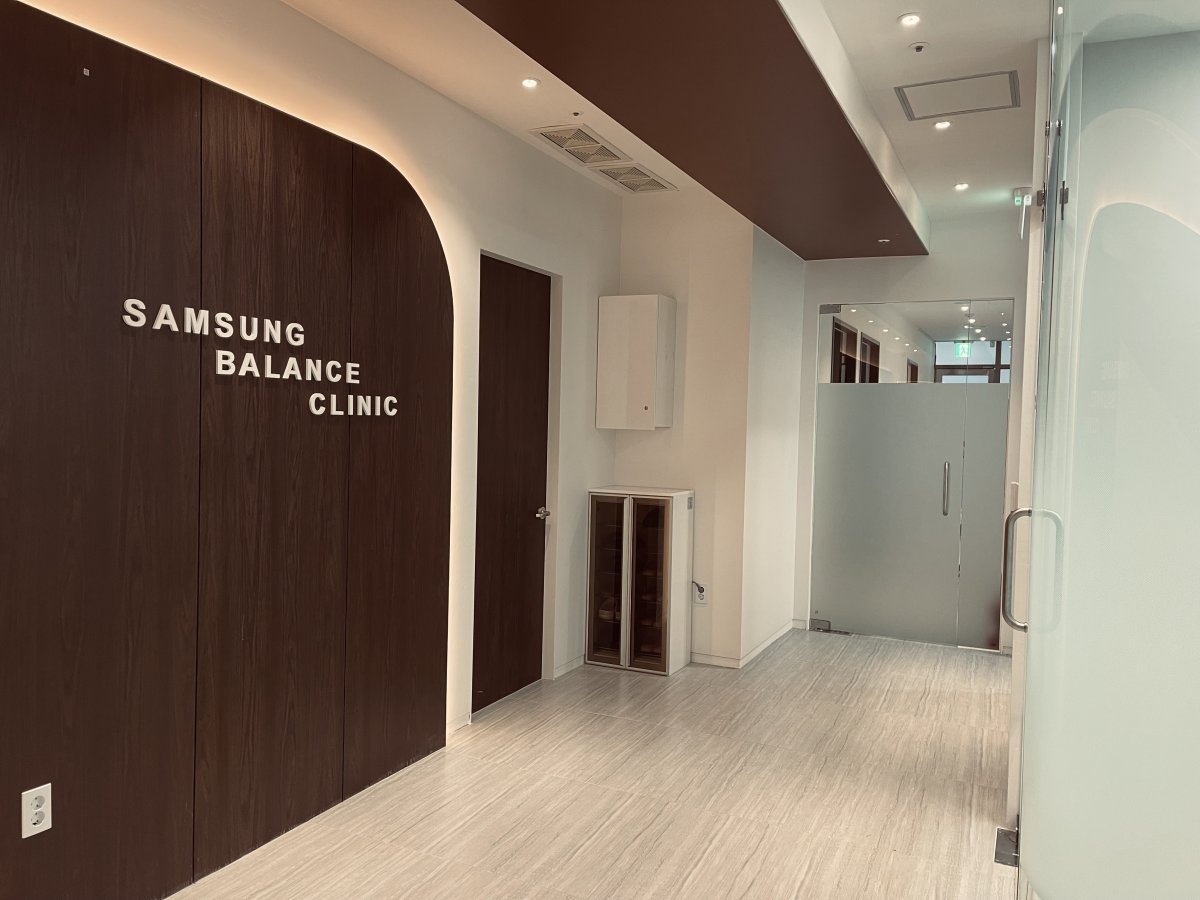
samsungbalance clinic

Wonjin Plastic Surgery Clinic
أفضل مراكز طب الأعصاب في كوريا الجنوبية
- VG Plastic Surgery, كوريا الجنوبية
- مستشفى جيبيوم العام, كوريا الجنوبية
- NAEUN HOSPITAL, كوريا الجنوبية
- SAERO Plastic Surgery, كوريا الجنوبية
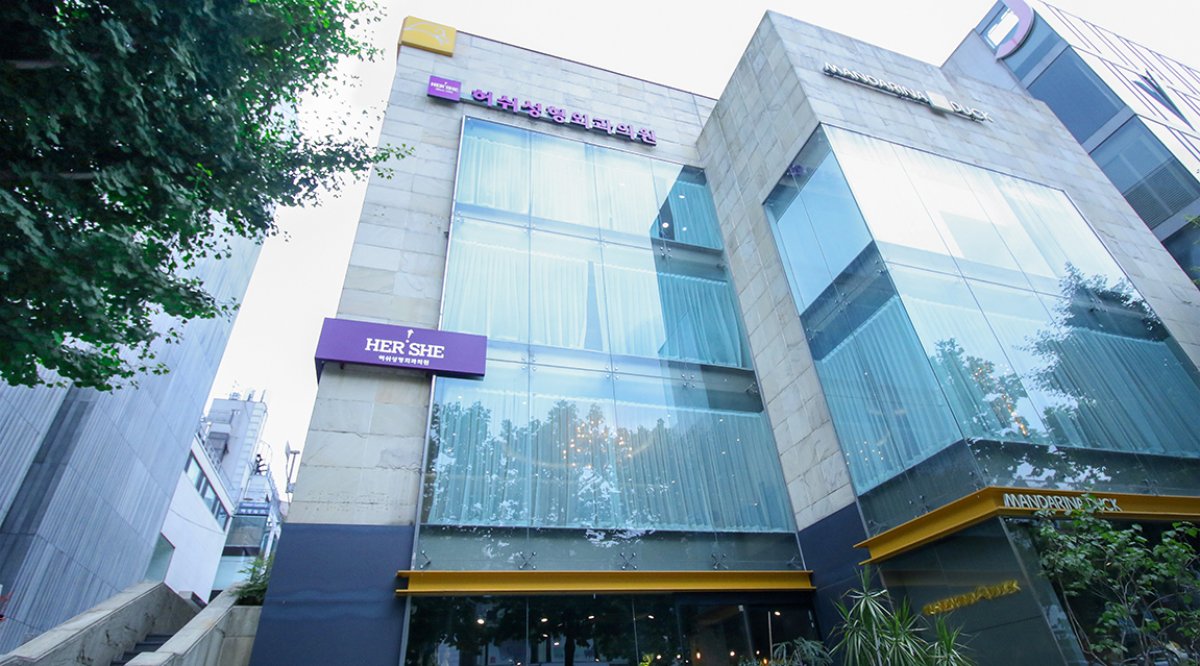
- HERSHE Plastic Surgery Korea, كوريا الجنوبية
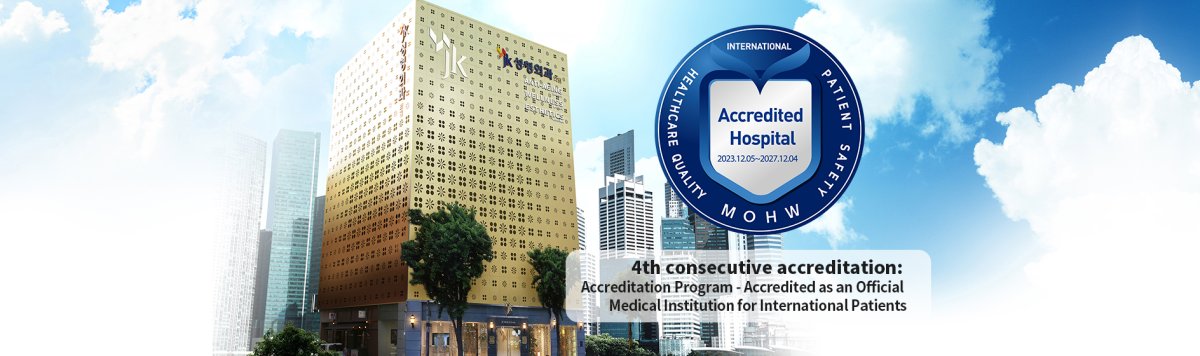
- JK Plastic Surgery Center, كوريا الجنوبية
- Samsung Medical Center, كوريا الجنوبية
- samsungbalance clinic, كوريا الجنوبية
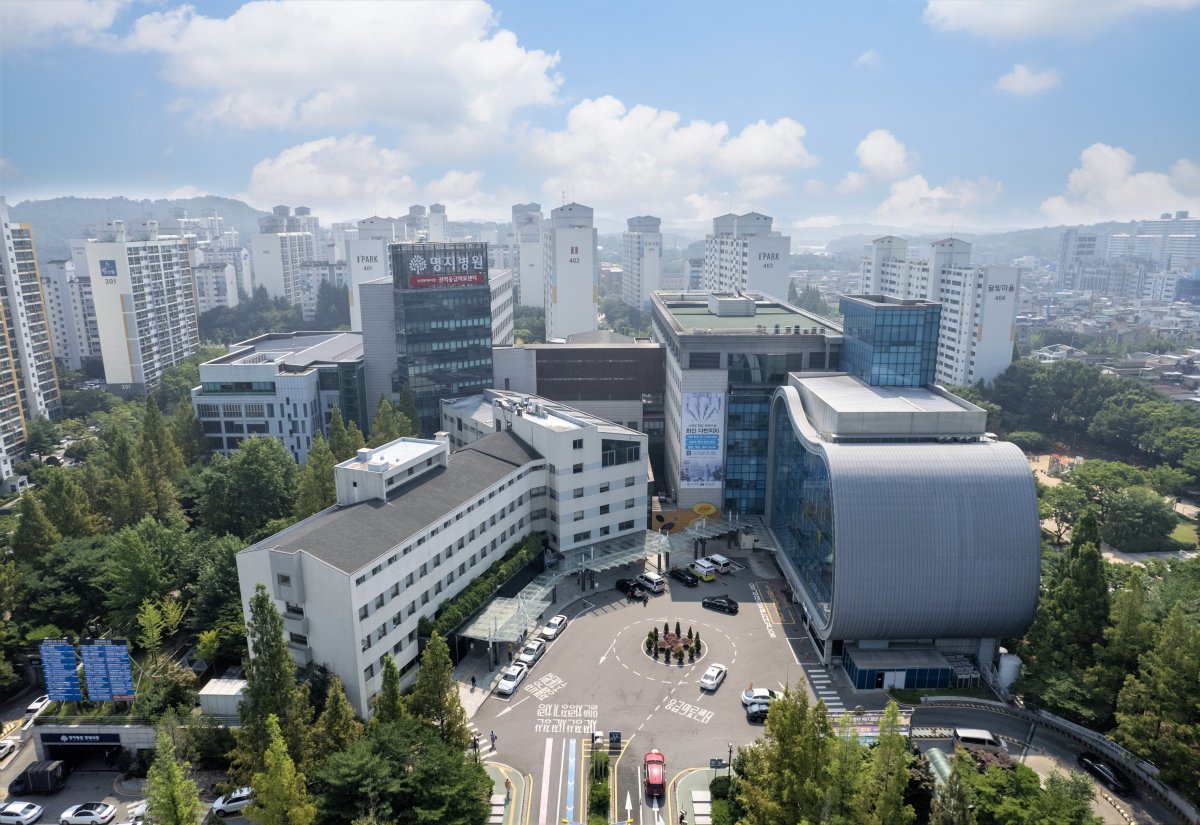
- Myongji Hospital, كوريا الجنوبية
- Wonjin Plastic Surgery Clinic, كوريا الجنوبية
احصل على تقييم طبي لـ طب الأعصاب في كوريا الجنوبية. استشر الآن 12 أطباء ذوي الخبرة.
عرض جميع الأطباء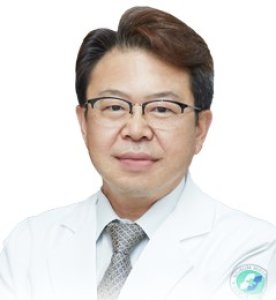
Han Yeongmin
الدكتور هان يونغمين جرّاح أعصاب (MD، PhD). يشغل منصب المدير الطبي ومدير مركز جراحة الأعصاب في مستشفى سانت ماري في إنتشيون. يعالج أمراض الأوعية الدموية الدماغية واضطرابات الأعصاب الطرفية، ويختص أيضًا بأورام الدماغ وجراحة قاعدة الجمجمة. تشمل الحالات السكتة الدماغية والنزف الدماغي والاحتشاء الدماغي ومرض مويا مويا. يجري إجراءات PEN وPNP وSNB. ويقدّم أيضًا الاستئصال المجهري والتنظيري للقرص، واستبدال القرص الصناعي، واندماج العمود الفقري طفيف التوغل/MIS-TLIF، ورأب الفقرة.
نال درجتي الطب والدك

An Song-yeol
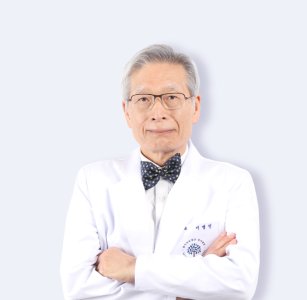
Lee Byung In
الأستاذ بيونغ-إن لي طبيب أعصاب ومتخصص في الصرع. يدير مركز بيونغ-إن لي للصرع في مستشفى ميونغجي. حصل على شهادة الطب من جامعة يونسي، ودرس علوم الأعصاب في جامعة إنديانا. أكمل إقامة في طب الأعصاب بجامعة مينيسوتا، وأنهى زمالة في الفيزيولوجيا العصبية السريرية في كليفلاند كلينك.
شغل سابقاً منصب مدير مركز الصرع في مستشفى إنجي هايوندي بايك، كما ترأس مركز طب الأعصاب في مستشفى سيفيرانس. يشغل حالياً منصب الرئيس الفخري للجمعية الكورية للصرع ورئيس الجمعية الكورية لطب الأعصاب. من جوائزه جائزة الخدمة ا

Chung, Chin Sang
يتخصص الدكتور تشونغ في طب الأعصاب في مركز سامسونج الطبي، وهو أحد المستشفيات الرائدة في كوريا الجنوبية.
- خبير في تشخيص وعلاج الاضطرابات العصبية المختلفة
- يعمل باستخدام أدوات تشخيصية متقدمة لإجراء تقييمات دقيقة
- عضو في فريق متعدد التخصصات لتقديم رعاية شاملة للمرضى
مواد ذات صلة

العلاج بالخلايا الجذعية لاضطراب طيف التوحد: كل ما تحتاج إلى معرفته
كتب بواسطة Mariia Mytrofankina

معدل نجاح العلاج بالخلايا الجذعية لمرض باركنسون: نظرة عامة على الإجراءات، ونتائج الأبحاث، ورؤى المرضى
كتب بواسطة Mariia Mytrofankina

أفضل 8 مراكز لعلاج الصرع في العالم: تصنيف Bookimed للمرضى
كتب بواسطة Ana Hurevska

أفضل 10 مستشفيات لطب الأعصاب في العالم: تصنيف Bookimed للمرضى
كتب بواسطة Veronika Kazina

كم تكلفة جراحة الصرع؟
كتب بواسطة Ana Hurevska
مشاركة المحتوى
قصص فيديو من مرضى Bookimed
 Anna Leonova
أسئلة متكررة حول طب الأعصاب في كوريا الجنوبية
ما هي أفضل المستشفيات لعلاج الأمراض العصبية في كوريا الجنوبية؟
مركز أسان الطبي، ومركز سامسونج الطبي، ومستشفى سيفيرانس هي المراكز الأعلى تصنيفًا في مجال طب الأعصاب في كوريا الجنوبية. هذه المؤسسات تحمل اعتمادات JCI أو KOIHA وتتميز بوحدات متخصصة في السكتة الدماغية والصرع ومرض باركنسون. كما أنها تدمج تقنيات إعادة التأهيل الروبوتية المتقدمة وتقنيات التعديل العصبي للحالات المعقدة.
- مركز أسان الطبي: يحتل المرتبة السادسة عالميًا في تخصص طب الأعصاب، مع وحدات عناية مركزة عصبية ومراكز السكتة الدماغية المتخصصة.
- مركز سامسونج الطبي: يخدم أكثر من 2,000,000 مريض سنويًا باستخدام أنظمة الجراحة نوفاليس ودا فينشي.
- مستشفى سيفيرانس: يضم مركز الصرع المتخصص بقيادة الباحثة الشهيرة الدكتورة كيونغ هيو.
- مركز جيل الطبي بجامعة غاتشون: معترف به كأحد المستشفيات الرقمية الرائدة باستخدام نظام البيانات المتقدم BESTcare.
وجهة نظر خبير Bookimed: على الرغم من أن التصنيفات تركز على السمعة العامة، إلا أن المستشفيات الرائدة في كوريا الجنوبية تتميز ببنية تحتية محددة مثل العناية المركزة المخصصة للأعصاب. يعالج مركز أسان الطبي أكثر من 2,500 مريض داخلي يوميًا ويوفر مراقبة للتشنجات على مدار الساعة. يتيح هذا العدد الكبير لفرقهم التعامل مع المضاعفات العصبية النادرة التي قد لا تكون العيادات الأصغر مجهزة للتعامل معها.
اتفاق المرضى: يشير المرضى إلى أن أطباء الأعصاب في أكبر مستشفيات سيول غالبًا ما يكونون متحدثين باللغة الإنجليزية ويوفرون خيارات العلاج المناعي المبتكرة. يؤكد الكثيرون على أهمية الاطلاع على الأبحاث العلمية للطبيب
هل يتوفر العلاج للمرضى الدوليين الذين لا يتحدثون الكورية؟
يتلقى المرضى الدوليون علاجًا شاملاً في مجال الأعصاب في كوريا الجنوبية من خلال مراكز الرعاية الصحية الدولية المخصصة (IHC). تقدم المستشفيات الكبرى في سيول أطباء يتحدثون الإنجليزية ومنسقين متخصصين وترجمة في الموقع. تقدم مراكز مثل مركز سامسونج الطبي ومركز آسان الطبي دعمًا مبسطًا للناطقين بغير اللغة الكورية.
- التنسيق المتخصص: توفر مراكز IHC موظفين يتحدثون الإنجليزية بطلاقة لإدارة المواعيد والسجلات الطبية.
- خدمات الترجمة: تقدم المستشفيات الدعم باللغات الإنجليزية والصينية والروسية واليابانية والعربية.
- السلامة المعتمدة: تحصل مرافق مثل مركز سامسونج الطبي على شهادات الجودة KOIHA وISO.
- الوصول إلى الخبراء: يقود متخصصون مثل البروفيسور كيونغ هيو في مستشفى سيفرانس الأقسام الطبية.
رؤية خبير من Bookimed: يخدم مركز سامسونج الطبي ومركز آسان الطبي أكثر من 200,000 مريض سنويًا. تُظهر بياناتنا أن هذه المراكز ذات الحجم الكبير هي الأفضل للناطقين بغير اللغة الكورية. يستخدمون أنظمة رقمية مثل BESTcare لمنع الأخطاء الطبية. تفتقر العيادات الإقليمية الأصغر في كثير من الأحيان إلى هذه الموارد. ينبغي للمرضى إعطاء الأولوية للمستشفيات الجامعية في سيول للحصول على الدعم اللغوي الأكثر موثوقية.
اتفاق المرضى: يجب ملاحظة أنه من المهم حجز الزيارات 1 إلى 2 أشهر مقدمًا. بينما تمتلك المستشفيات الكبرى مترجمين، يشير بعض المرضى إلى أنه من الأفضل استخدام تطبيق للترجمة كنسخة احتياطية للتفاعلات السريعة مع طاقم التمريض.
هل أحتاج إلى إحالة لرؤية أخصائي أعصاب في كوريا الجنوبية؟
لا تحتاج إلى إحالة طبية لزيارة طبيب الأعصاب في كوريا الجنوبية. يمكن للمرضى الدوليين حجز المواعيد مباشرة في المرافق الكبرى مثل مركز أسان الطبي أو مركز سامسونج الطبي. يتيح نظام الإحالة الذاتية هذا الوصول السريع إلى التشخيصات المتخصصة والعلاجات العصبية المكثفة.
- الحجز المباشر: يقوم المرضى بتحديد مواعيد الاستشارات عبر مواقع المستشفيات أو مراكز الرعاية الصحية الدولية.
- أنواع المرافق: تتعامل العيادات المحلية مع الأعراض الشائعة بينما تتولى المستشفيات الثلاثية علاج الحالات المعقدة.
- التوثيق: المساعدة في تقديم سجلات طبية مترجمة تساعد أطباء الأعصاب على تسريع التقييم السريري.
- تأثير التأمين: يحتاج مستخدمو التأمين الصحي الوطني إلى إحالات لتغطية التكاليف في المستشفيات الجامعية.
رؤية خبير من Bookimed: تظهر البيانات أن المؤسسات الكبرى في سيول مثل مركز سامسونج الطبي تخدم أكثر من 2,000,000 مريض سنويًا. غالبًا ما تحتوي هذه المراكز ذات الحجم الكبير على وحدات متخصصة لحالات نادرة. إذا كنت تسعى للعلاج من الصرع، فإن الأستاذ الدكتور كي يونج هو في مستشفى سيفرانس يعد أحد الأخصائيين البارزين. اختيار مثل هؤلاء الخبراء يضمن الوصول إلى بروتوكولات محددة غير متوفرة في العيادات العامة.
اجماع المرضى: يلاحظ المرضى أن الإحالة الذاتية أسرع بكثير وأكثر فعالية من حيث التكلفة مقارنة بالعديد من الدول الغربية. يشيرون إلى أنه يجب التوجه مباشرة إلى غرفة الطوارئ للمشاكل العصبية العاجلة للحصول على الاستشارات الفورية من الخبراء.
ما هي العلاجات المتخصصة التي تشتهر بها مراكز الأعصاب في كوريا الجنوبية؟
تعتبر مراكز الأعصاب في كوريا الجنوبية رائدة عالميًا في مجال الطب التجديدي وجراحة المخ والأعصاب الدقيقة. تتخصص مرافق مثل مركز سامسونغ الطبي ومركز آسان الطبي في علاج الخلايا الجذعية، وتحفيز الدماغ العميق (DBS)، وجراحة العمود الفقري الروبوتية. تستخدم هذه المراكز تقنيات متقدمة مثل روبوت مازور لتعزيز دقة الجراحة.
- الطب التجديدي: تقدم العيادات المتخصصة علاج الخلايا الجذعية الذاتية لمرضى الشلل الرعاش، والزهايمر، واستعادة وظيفة الدماغ بعد السكتة.
- جراحة المخ والأعصاب الدقيقة: تقوم المراكز بإجراء تحفيز الدماغ العميق (DBS) للاضطرابات الحركية وعلاج الجراحة الإشعاعية بالسكين الجاما.
- خبرة في الصرع: يتخصص الأطباء العصبيون البارزون مثل الدكتور كيونغ هيو في مستشفى سيفيرنس في العلاجات المتقدمة للصرع.
- التدخل في حالات السكتة: تستخدم المستشفيات بروتوكولات مدفوعة بالذكاء الاصطناعي والتصوير بالرنين المغناطيسي شديد الحدة للبدء في تحلل الجلطة خلال 30 دقيقة.
- التكامل الرقمي: تستخدم المستشفيات الرقمية مثل SNUBH نظام BESTcare لتقليل نسبة الأخطاء الطبية أثناء العلاج.
رأي خبير من بوكيميد: تظهر البيانات من المراكز الرئيسية في سيول تحولا نحو الأنظمة الرقمية المحلية مثل BESTcare. هذه المنصات لا تقوم فقط بتخزين السجلات، بل تراجع الأدوية الموصوفة مقابل الملفات العصبية أيضًا. هذا التكامل يحد بشكل كبير من أخطاء الأدوية في الحالات المعقدة مثل الصرع مقارنة بالعيادات التي تستخدم الملفات الورقية التقليدية أو الأنظمة الرقمية الأساسية.
إجما