متلازمة العلاج في تايلاند - التكاليف 2026


تمت مراجعة المقالة طبيا من قبل
فهد مولود
ما هي تكلفة متلازمة إجراءات التشخيص والعلاج في تايلاند؟ اعرف الآن
مزاياك وضماناتك مع Bookimed
أسعار مباشرة
Bookimed لا يضيف رسوماً إضافية على أسعار علاج متلازمة. الأسعار مأخوذة من قوائم الأسعار الرسمية للعيادات. تدفع مباشرة في العيادة مقابل علاجك عند وصولك إلى البلد.
عيادات وأطباء معتمدون فقط
Bookimed ملتزم بسلامتك. نحن نعمل فقط مع المؤسسات الطبية التي تحافظ على معايير دولية عالية في علاج متلازمة ولديها التراخيص اللازمة لخدمة المرضى الدوليين في جميع أنحاء العالم.
مساعدة مجانية على مدار الساعة
Bookimed يقدم مساعدة خبراء مجانية. منسق طبي شخصي يدعمك قبل وأثناء وبعد العلاج، ويحل أي مشاكل. لن تكون وحيداً أبداً في رحلة علاج متلازمة.

منسقك الطبي الشخصي في Bookimed
- يدعمك في كل مرحلة
- المساعدة في اختيار العيادة الطبية المناسبة والطبيب المناسب
- يضمن الوصول السريع والمريح إلى المعلومات
اكتشف أفضل متلازمة العيادات في تايلاند: 1 خيار معتمدة والأسعار
احصلوا على تقييم طبي لـ متلازمة في تايلاند: استشيروا أطباء ذوي خبرة الآن
عرض جميع الأطباء
Chollawat Thongthaisin
متخصص في الطب التجديدي مع تدريب من المجلس الأمريكي للطب التجديدي. يقود الدكتور ثونغثايسين أبحاث الخلايا الجذعية والاستشارات في Vega Wellness.
- يمارس عمله في مستشفى جومتين - جزء من أكبر مجموعة مستشفيات خاصة في تايلاند
- إقامة في الأشعة في جامعة تاماسات
- يركز على إجراءات مكافحة الشيخوخة والجراحة التجميلية
- يقدم استشارات متخصصة في الطب التجديدي
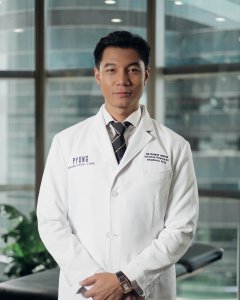
Kantaphong Thongrong
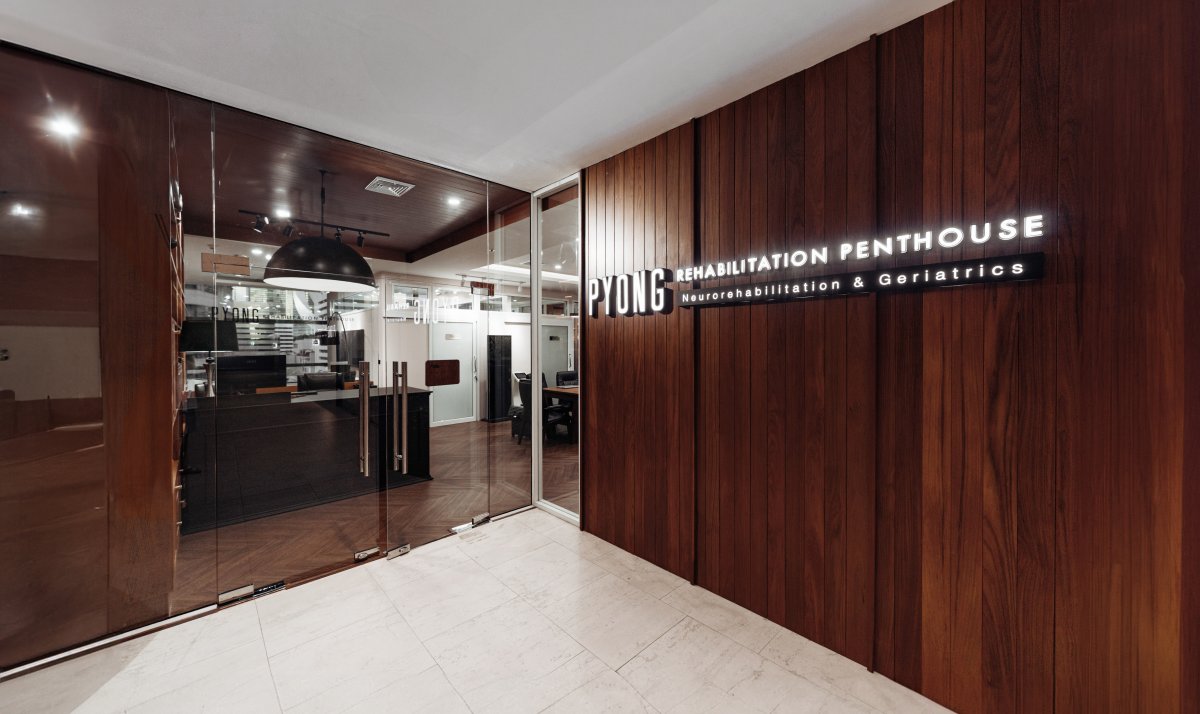
الدكتور بيونغ، طبيب فيزيائي معتمد، يدمج الروبوتات المتقدمة والتصميم الذي يركز على المريض لتعزيز إعادة التأهيل العصبي وإدارة الألم المزمن في مجموعة بيونغ لإعادة التأهيل.
- رئيس قسم إعادة التأهيل في مستشفى الملك مونغكوت تشاوخونثاهان
- متخصص في التدريب على المشي باستخدام الروبوتات والهياكل الخارجية القابلة للارتداء
- يجري أبحاثاً سريرية حول التعافي من السكتة الدماغية باستخدام تقنيات متقدمة
- محاضر في معهد الملك مونغكوت للتكنولوجيا في لادكرابانغ
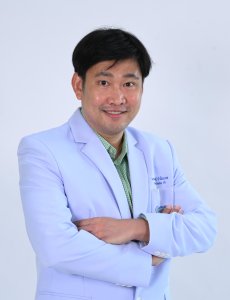
chutichate Pawaropart
الدكتور تشوتيشات باواروبارت طبيب عيون بخبرة 22 عامًا. تخصّصه الدقيق في طب أعصاب العين. يعمل في مستشفى نافامين 9 في بانكوك. يتحدث الإنجليزية والتايلندية والفرنسية.
الاعتمادات والتدريب: دكتوراه في الطب (MD)، كلية الطب، جامعة تشولالونغكورن. شهادة اختصاص في طب العيون، كلية الطب، جامعة تشولالونغكورن. تدريب التخصص الدقيق في طب أعصاب العين، جامعة السوربون، باريس، فرنسا.
مجالات التركيز والخدمات السريرية: جراحة الساد (استحلاب العدسة مع زرع عدسة داخل العين، استخراج الساد خارج المحفظة ECCE
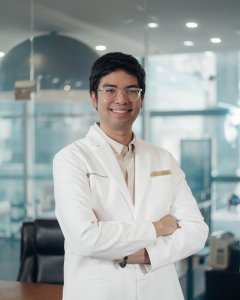
Somjet Tosamran
يتخصص الدكتور توسامران في طب الأعصاب مع تدريب زمالة في الصرع في مستشفى الملك تشولالونغكورن التذكاري.
- طبيب أعصاب معتمد مع تدريب متقدم في الصرع
- أكمل الإقامة في مستشفى الملك تشولالونغكورن التذكاري
- درجة الشرف الأولى من جامعة تشولالونغكورن
- درجة الماجستير في الطب الباطني
مشاركة المحتوى
قصص فيديو من مرضى Bookimed
 Anna Leonova
أسئلة متكررة حول علاج متلازمة في تايلاند
هل المستشفيات الخاصة والأطباء في تايلاند آمنون ومؤهلون لعلاج المتلازمات الدولية؟
تعتبر المستشفيات الخاصة في تايلاند آمنة لعلاج المتلازمات الدولية. توفر مرافق مثل مجموعة PYONG للتأهيل إعادة تأهيل عصبي متخصصة. وغالبًا ما يحمل الأطباء التايلانديون شهادات دولية، بما في ذلك شهادة البورد الأمريكي للطب التجديدي. وتضمن المراكز المعتمدة من اللجنة الدولية المشتركة (JCI) معايير طبية غربية للحالات المعقدة.
- التدريب التخصصي: غالبًا ما يتدرب الأطباء في الولايات المتحدة أو فرنسا أو المملكة المتحدة.
- التكنولوجيا المتقدمة: تستخدم العيادات تدريب المشي الروبوتي والعلاج المعرفي القائم على الواقع الافتراضي.
- الرقابة التنظيمية: يمنح المجلس الطبي التايلاندي التراخيص لجميع الكوادر الطبية الممارسة.
- الدعم الدولي: توفر العديد من المراكز خدمات كونسيرج متعددة اللغات للمرضى من الخارج.
رؤية خبير Bookimed: بينما يختار الكثيرون تايلاند بسبب الكفاءة، تكمن القيمة الحقيقية في تركز المواهب المتخصصة في بانكوك. على سبيل المثال، يجمع الدكتور كانتافونغ ثونغرونغ في مجموعة PYONG للتأهيل بين إعادة التأهيل العصبي الروبوتي والهياكل الخارجية القابلة للارتداء. غالبًا ما يكون هذا المستوى من التكنولوجيا متاحًا هنا بشكل أكبر مما هو عليه في العديد من أنظمة الصحة العامة الغربية. إن العثور على عيادة يقودها متخصصون في متلازمتك المحددة يضمن رعاية أكثر تخصيصًا مقارنة بالمراكز الخاصة العامة.
إجماع المرضى: يلاحظ المرضى أن المستشفيات الخاصة نظيفة وتقدم خدمة سريعة جدًا. وينصحون بطلب تفصيل للأسعار لفهم التكاليف قبل الموافقة على الباقات الشاملة.
ما هي المتلازمات التي يتم علاجها بشكل شائع في المستشفيات التايلاندية الكبرى؟
تتخصص المستشفيات التايلاندية الكبرى في علاج المتلازمات العصبية والقلبية الوعائية والعضلية الهيكلية المعقدة. تستخدم هذه المراكز التدريب الروبوتي على المشي والتصوير المتقدم لإدارة التعافي من السكتة الدماغية والصرع ومرض الشريان التاجي. توفر المرافق المعتمدة في بانكوك أيضًا رعاية مركزة لعلم الأورام والأمراض المعدية ومتلازمات التعافي بعد كوفيد.
- الاضطرابات العصبية: يعالج المتخصصون الصرع، وألزهايمر، وباركنسون، وإصابات الدماغ المزمنة.
- رعاية القلب: تدير المستشفيات الرجفان الأذيني وفشل القلب باستخدام مراقبة هولتر.
- تكنولوجيا إعادة التأهيل: تستخدم مجموعة PYONG لإعادة التأهيل التدريب الروبوتي على المشي للتعافي من السكتة الدماغية.
- الطب التجديدي: تقدم عيادات مثل عيادة Vega العلاج بالخلايا الجذعية وعلاجات إطالة العمر.
رؤية خبير Bookimed: تعكس البنية التحتية الطبية التايلاندية اتجاهًا متزايدًا نحو مراكز إعادة التأهيل المتخصصة بدلاً من مجرد المستشفيات العامة. على سبيل المثال، تركز مجموعة PYONG لإعادة التأهيل حصريًا على إعادة التأهيل العصبي والتعافي من السكتة الدماغية مع 13 طبيبًا فقط. يسمح مستوى التخصص هذا للفرق الأصغر والأكثر تركيزًا بخدمة حوالي 300 حالة معقدة للغاية سنويًا باستخدام تقنيات متخصصة.
إجماع المرضى: يلاحظ المرضى أن المستشفيات الكبرى أفضل في حالات عدم اليقين التشخيصي لأنها تقدم فحوصات شاملة. يؤكد الكثيرون على توفر متخصصين في الموقع للأمراض البيئية مثل حمى الضنك أو داء الكلب بعد التعرض المحتمل.
لماذا تُعتبر تايلاند وجهة رائدة لرعاية المتلازمات الدولية؟
توفر تايلاند رعاية معقدة للمتلازمات من خلال مرافق معتمدة من اللجنة الدولية المشتركة (JCI) ومتخصصة في التأهيل العصبي والطب التجديدي. يتمتع المرضى الدوليون بفرصة الوصول إلى متخصصين مدربين في الخارج وتقنيات متقدمة مثل التدريب على المشي الروبوتي. تجمع البلاد بين بروتوكولات التشخيص فائقة السرعة والرعاية المتخصصة للحالات المزمنة أو التي يصعب تشخيصها.
- التكنولوجيا المتخصصة: تستخدم العيادات التدريب على المشي الروبوتي والعلاج القائم على الواقع الافتراضي (VR) للتأهيل العصبي.
- شهادات الخبراء: تدرب جراحون مثل الدكتور تشوتيتشات باواروبارت في مؤسسات مثل جامعة السوربون.
- الطب التجديدي: يوفر الأطباء المرخصون علاجات بالخلايا الجذعية وعلاجات مكافحة الشيخوخة.
- دعم المرضى: تقدم مرافق مثل مجموعة PYONG للتأهيل خدمات كونسيرج متعددة اللغات.
رؤية خبير Bookimed: غالباً ما تدمج المراكز الطبية التايلاندية تخصصات متنوعة ضمن مجموعة واحدة لإدارة المتلازمات متعددة الأوجه. على سبيل المثال، يجمع أطباء عيادة فيجا بين الطب التجديدي وخبرات العظام والأعصاب. يسمح هذا النهج متعدد التخصصات للمرضى بمعالجة أعراض معقدة خلال زيارة سريرية واحدة.
إجماع المرضى: يقدر المرضى سرعة النظام التايلاندي، مشيرين إلى أنهم غالباً ما يقابلون المتخصصين في غضون أسبوع. تشعرك بيئات المستشفيات وكأنها فنادق راقية أكثر من كونها أماكن سريرية.
هل تتوفر خدمات متابعة موثوقة للمرضى الدوليين بعد الخروج من المستشفى؟
توفر المستشفيات التايلاندية متابعة موثوقة من خلال أقسام مخصصة للمرضى الدوليين وخدمات الطب عن بُعد. توفر المرافق وصولاً رقمياً إلى السجلات الطبية والاستشارات عن بُعد. تقوم الفرق بتنسيق فحوصات التمريض أو المتخصصين المحليين. يتلقى المرضى ملخصات خروج مفصلة ونتائج التصوير لضمان استمرارية الرعاية مع أطبائهم في بلدهم.
- الدعم الدولي: تدير فرق الكونسيرج الخدمات اللوجستية واستشارات ما بعد الخروج للمرضى الأجانب.
- خدمات الطب عن بُعد: تستخدم المستشفيات مكالمات الفيديو والبريد الإلكتروني لمراجعة الأدوية عن بُعد.
- الوثائق الطبية: يتلقى المرضى ملاحظات كاملة عن الإجراءات ونتائج التصوير لأجل المتخصصين في بلدهم.
- التنسيق المتخصص: يتابع الموظفون متعددو اللغات نتائج الاختبارات المعلقة بعد مغادرة المرضى لتايلاند.
رؤية خبير Bookimed: تعطي المراكز المتخصصة مثل مجموعة PYONG للتأهيل الأولوية لاستمرارية الرعاية باستخدام بيانات التدريب على المشي الروبوتية. تسمح هذه المعلومات للمعالجين في الوطن بتتبع التقدم بدقة. اختيار المرافق التي توفر دعم كونسيرج دولي متخصص يضمن بقاء انتقالات التعافي موثقة ومراقبة طبياً.
إجماع المرضى: يشير المرضى إلى أن المستشفيات الخاصة الكبيرة توفر استمرارية أكثر سلاسة. ويؤكدون على أهمية الاحتفاظ بجميع أوراق الخروج الورقية واختيار المراكز التي تضم موظفين يتحدثون الإنجليزية بطلاقة لتجنب فجوات التواصل أثناء التعافي في المنزل.