رتق الشرج العلاج في كوريا الجنوبية - التكاليف 2026


تمت مراجعة المقالة طبيا من قبل
فهد مولود
ما هي تكلفة رتق الشرج إجراءات التشخيص والعلاج في كوريا الجنوبية؟ اعرف الآن
مزاياك وضماناتك مع Bookimed
أسعار مباشرة
Bookimed لا يضيف رسوماً إضافية على أسعار علاج رتق الشرج. الأسعار مأخوذة من قوائم الأسعار الرسمية للعيادات. تدفع مباشرة في العيادة مقابل علاجك عند وصولك إلى البلد.
عيادات وأطباء معتمدون فقط
Bookimed ملتزم بسلامتك. نحن نعمل فقط مع المؤسسات الطبية التي تحافظ على معايير دولية عالية في علاج رتق الشرج ولديها التراخيص اللازمة لخدمة المرضى الدوليين في جميع أنحاء العالم.
مساعدة مجانية على مدار الساعة
Bookimed يقدم مساعدة خبراء مجانية. منسق طبي شخصي يدعمك قبل وأثناء وبعد العلاج، ويحل أي مشاكل. لن تكون وحيداً أبداً في رحلة علاج رتق الشرج.

منسقك الطبي الشخصي في Bookimed
- يدعمك في كل مرحلة
- المساعدة في اختيار العيادة الطبية المناسبة والطبيب المناسب
- يضمن الوصول السريع والمريح إلى المعلومات
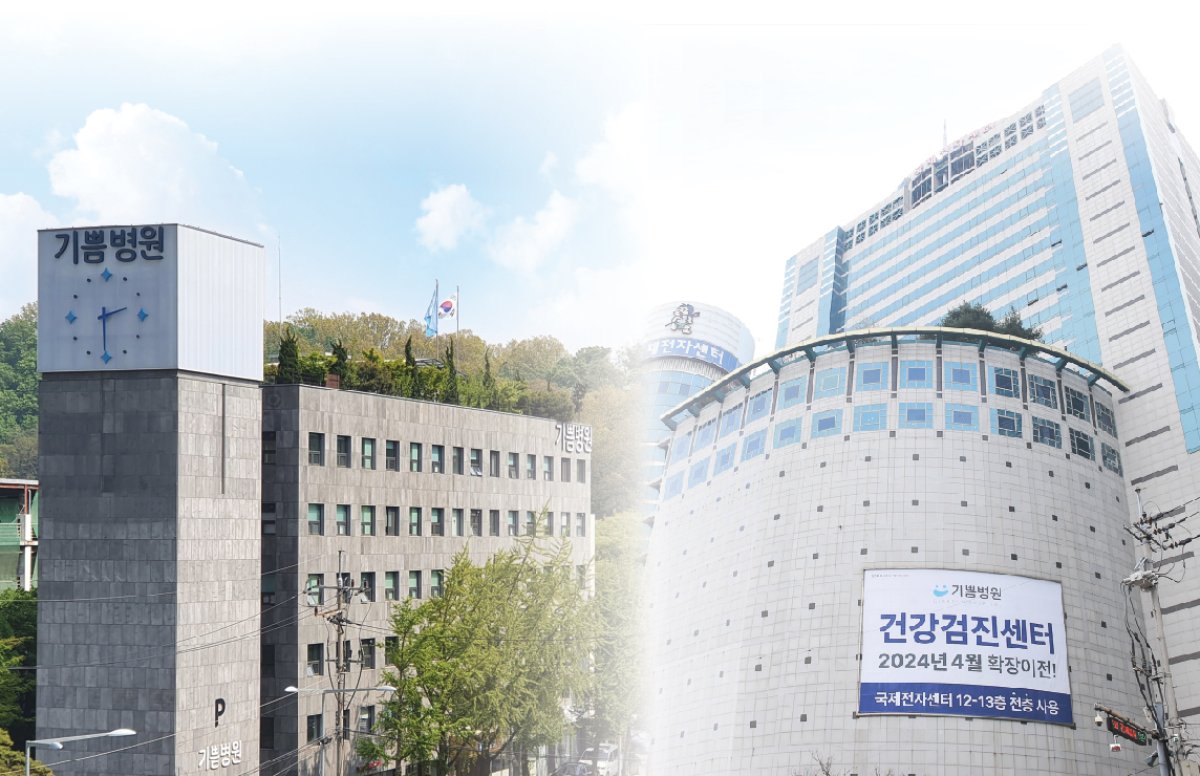
اكتشف أفضل رتق الشرج العيادات في كوريا الجنوبية: 1 خيار معتمدة والأسعار
مشاركة المحتوى
قصص فيديو من مرضى Bookimed
 Anna Leonova
أسئلة متكررة حول علاج رتق الشرج في كوريا الجنوبية
ما هي أفضل المستشفيات في كوريا لجراحة رتق الشرج؟
تشمل أفضل المستشفيات في كوريا لجراحة رتق الشرج مستشفى جامعة سيول الوطنية للأطفال ومركز أسان الطبي. توفر هذه المرافق أقسام جراحة أطفال متخصصة. وهي تتعامل مع التشوهات الشرجية المستقيمة المعقدة باستخدام رعاية متعددة التخصصات. توفر المراكز المعتمدة مثل مستشفى جيبوم العام الدعم الجراحي في سيول.
- مراكز الأطفال المتخصصة: تقدم المستشفيات الأكاديمية فرقاً مخصصة للتشوهات الخلقية المعقدة.
- الخبرة الجراحية: يركز الجراحون على إعادة البناء على مراحل وإدارة المشاكل المسالك البولية المرتبطة بها.
- اعتماد KOIHA: تلبي مراكز الرعاية الصحية الكورية معايير السلامة والجودة الدولية.
- التصوير المتقدم: تستخدم المرافق تصويراً عالي الدقة لرسم خرائط دقيقة قبل الجراحة.
رؤية خبير Bookimed: يعتمد النجاح في جراحة رتق الشرج على حجم كبير من المرضى. تدير المستشفيات الكبيرة في سيول مجموعة عميقة من الأطباء الفرعيين في طب الأطفال. أجرى مستشفى جيبوم العام أكثر من 150,000 إجراء تنظير داخلي. غالباً ما يرتبط هذا الحجم الكبير بنتائج أفضل على المدى الطويل في إدارة الأمعاء. اختر المراكز ذات الخبرة في كل من الإصلاح الأولي وإعادة البناء الثانوي.
إجماع المرضى: تؤكد العائلات أن إدارة الأمعاء على المدى الطويل حيوية مثل الجراحة نفسها. يوصون باختيار جراح يقدم خطة متابعة واضحة للإمساك.
ما هو بروتوكول العلاج الجراحي القياسي لرتق الشرج في المستشفيات الكورية؟
تتبع المستشفيات الكورية بروتوكولاً جراحياً مرحلياً لرتق الشرج يركز على رأب الشرج والمستقيم السهمي الخلفي (PSARP)، أو عملية بينا. يعطي الجراحون الأولوية للمحاذاة الدقيقة لعضلات الحوض لتحسين التحكم في الأمعاء. غالباً ما تشمل خطوات العلاج فغر القولون الأولي للحالات المعقدة، يليه إعادة بناء نهائية وتوسيع صارم.
- العملية القياسية: يستخدم الجراحون تقنية بينا لتصور المستقيم ووضعه بشكل صحيح.
- النهج المرحلي: تتطلب الحالات المعقدة فغر القولون المؤقت للسماح للرضع بالنمو بأمان.
- الفحص المرتبط: يقوم الأطباء بفحص روتيني للتشوهات القلبية والشوكية والبولية قبل الإصلاح الجراحي.
- الرعاية بعد الجراحة: تبدأ توسعات الشرج اليومية بعد أسابيع من الجراحة لضمان فتحة وظيفية.
- الإدارة طويلة الأمد: يركز التعاون بين مراكز متعددة على منع الإمساك المزمن وتحسين التحكم في البراز.
رؤية خبير Bookimed: تحتل كوريا الجنوبية المرتبة الخامسة عالمياً في الطلبات الطبية على منصتنا. تحافظ العيادات مثل مستشفى جيبوم العام على اعتماد KOIHA للسلامة. يضمن هذا الإشراف أن أقسام جراحة الأطفال المتخصصة تتبع المعايير الدولية مع استخدام تصوير بجرعات منخفضة لحماية الرضع أثناء التشخيص.
إجماع المرضى: يؤكد الآباء أن التعافي عملية طويلة الأمد تتطلب أنظمة أمعاء منظمة وروتين توسيع متسق. تشير العائلات إلى أن الفرق متعددة التخصصات ضرورية لأن هذه الحالات غالباً ما تنطوي على مشاكل صحية أخرى تتجاوز موقع الجراحة.
ما هي الاختبارات التشخيصية التي تُجرى روتينياً قبل الجراحة؟
تعطي التشخيصات قبل الجراحة لرتق الشرج في كوريا الجنوبية الأولوية للتخطيط التشريحي وفحص الشذوذ. تشمل البروتوكولات القياسية فحوصات العجان وتصوير التباين لتحديد النواسير. تستخدم العيادات المعتمدة من قبل KOIHA التصوير المقطعي المحوسب بجرعة منخفضة لضمان سلامة الأطفال أثناء الفحوصات الإلزامية لعيوب القلب والكلى.
- دراسات التصوير: يقوم الموجات فوق الصوتية والأشعة السينية بتخطيط الأمعاء واكتشاف الانسداد.
- التخطيط التشريحي: تحدد دراسات التباين ما إذا كان العيب مرتفعاً أم منخفضاً.
- الفحص الجهازي: تتحقق فحوصات الكلى والقلب من شذوذ VACTERL المرتبطة.
- التصريح الجراحي: تشمل اختبارات الدم تعداد الدم الكامل (CBC) واللوحات الأيضية لسلامة التخدير.
رؤية خبير Bookimed: تستخدم عيادات مثل مستشفى Gibbeum تصويراً عالي الدقة لاكتشاف النواسير الدقيقة. تظهر بياناتنا أن المراكز المتخصصة تعطي الأولوية للتصوير المقطعي بجرعة منخفضة خصيصاً للرضع. هذا يقلل من التعرض للإشعاع بينما يساعد الجراحين في اتخاذ قرار بشأن الإصلاحات ذات المرحلة الواحدة أو متعددة المراحل.
إجماع المرضى: يجد الآباء أن الموجات فوق الصوتية المبكرة غير الغازية هي الخطوة الأولى المفضلة. وغالباً ما يلاحظون أن الأطباء يركزون بشدة على العثور على النواسير قبل بدء الجراحة.
هل الرعاية متعددة التخصصات، وما هي التخصصات المعنية؟
توفر مراكز طب الأطفال في كوريا الجنوبية رعاية متعددة التخصصات لرتق الشرج من خلال فرق جراحية وطبية متخصصة. يشمل العلاج جراحي الأطفال، وأطباء المسالك البولية، وأطباء الجهاز الهضمي. يدير هؤلاء المتخصصون الإصلاح الأولي ووظيفة الأمعاء على المدى الطويل. تضمن المرافق المعتمدة من KOIHA معايير سلامة عالية خلال هذه الإجراءات المعقدة.
- جراحة الأطفال: تركز على التشخيص، ورأب الشرج، وعمليات إعادة البناء على مراحل.
- مسالك بولية للأطفال: تدير التشوهات المرتبطة بالمسالك البولية أو الأعضاء التناسلية التي تظهر بشكل متكرر.
- الجهاز الهضمي: تشرف على إدارة الأمعاء على المدى الطويل، والإمساك، وبرامج الحركة الغذائية.
- التصوير التشخيصي: تستخدم التصوير عالي الدقة والأشعة المقطعية منخفضة الجرعة للرسم الخرائطي.
رؤية خبير Bookimed: التنسيق هو العامل الأكثر حيوية للنجاح على المدى الطويل في كوريا الجنوبية. تعمل مستشفيات مثل مستشفى Gibbeum العام بـ 15 قسماً متخصصاً. تسمح هذه الكثافة السريرية بالانتقالات في نفس اليوم بين جراحة الأطفال والجهاز الهضمي. يستفيد المرضى عندما يتم التصوير التشخيصي والتخطيط الجراحي ضمن نظام متكامل واحد.
إجماع المرضى: يؤكد الآباء أن برنامج إدارة الأمعاء المخصص ضروري بعد الجراحة. ويقترحون التأكد من مشاركة أخصائيي المسالك البولية والجهاز الهضمي منذ البداية.
هل توفر المستشفيات الكورية دعمًا باللغة الإنجليزية للعائلات الدولية؟
توفر المستشفيات الكورية الكبرى دعمًا قويًا باللغة الإنجليزية من خلال مراكز رعاية صحية دولية مخصصة. تخدم مرافق مثل مستشفى جيبوم العام مرضى من 56 دولة. غالبًا ما يستخدم المتخصصون اللغة الإنجليزية الطبية بطلاقة. تقدم معظم المراكز لافتات ثنائية اللغة ومساعدة إدارية. يدير منسقون مخصصون الجدولة والفواتير للعائلات الدولية بفعالية.
- المراكز الدولية: تدير أقسام متخصصة التسجيل والفواتير والجدولة باللغة الإنجليزية.
- التواصل مع الأطباء: يحافظ العديد من المتخصصين على كفاءة في اللغة الإنجليزية الطبية للاستشارات السريرية.
- معايير الاعتماد: تتبع المستشفيات المعتمدة من KOIHA بروتوكولات السلامة والتواصل الدولية.
- الدعم الإداري: يساعد الموظفون العائلات الأجنبية في الأوراق والخدمات اللوجستية في سيول.
رؤية خبير Bookimed: تختلف مستويات دعم اللغة بشكل كبير بين المجالات الإدارية والسريرية. في حين أن موظفي الاستقبال في مراكز مثل مستشفى جيبوم العام يتعاملون مع 56 جنسية، فإن التواصل مع التمريض بجانب السرير غالبًا ما يكون أكثر أساسية. يجب على العائلات طلب مترجم طبي مخصص خصيصًا للموافقة الجراحية وتعليمات الخروج المعقدة لضمان عدم تفويت أي تفاصيل.
إجماع المرضى: يشير المرضى إلى أنه على الرغم من أن الأطباء يفهمون المصطلحات الطبية جيدًا، فإن الرعاية اليومية للمرضى الداخليين تتطلب التحضير. توصي العائلات بالاحتفاظ بقوائم مكتوبة من الأسئلة واستخدام تطبيقات الترجمة للاحتياجات السريعة بجانب السرير.