علاج كيس البنكرياس في كوريا الجنوبية — احصل على 3 عيادات مختارة خصيصاً لك


تمت مراجعة المقالة طبيا من قبل
فهد مولود
كيف نعمل؟
ما هي تكلفة كيس البنكرياس إجراءات التشخيص والعلاج في كوريا الجنوبية؟ اعرف الآن
اكتشف أفضل كيس البنكرياس العيادات في كوريا الجنوبية: 4 خيارات معتمدة والأسعار









احصلوا على تقييم طبي لـ كيس البنكرياس في كوريا الجنوبية: استشيروا أطباء ذوي خبرة الآن
عرض جميع الأطباء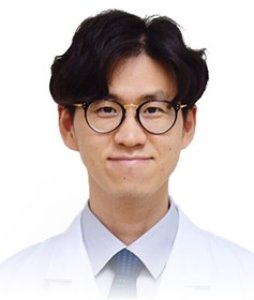
Yu Yeonghun
الدكتور يو يونغهون جرّاح جهاز هضمي ويحمل دكتوراه في الطب. يختص بأمراض وأورام الكبد والبنكرياس والقنوات الصفراوية (HPB). يتركز عمله على سرطانات الكبد والبنكرياس والقنوات الصفراوية والمرارة، إضافة إلى حصوات المرارة وأمراض المرارة الأخرى.
أتمّ فترة الامتياز وإقامة الجراحة العامة في مركز تشا بوندانغ الطبي، ثم أنهى زمالة جراحة HPB في مركز سامسونغ الطبي. عمل أستاذاً مساعداً سريرياً للجراحة في مستشفى جامعة كونكوك تشونغجو وفي مركز سامسونغ الطبي، ثم أصبح أستاذاً للجراحة في مستشفى جامعة أولجي.
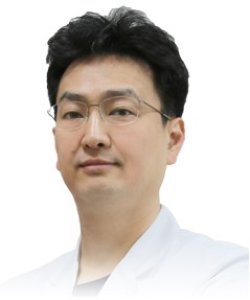
Kim Taekhyeon
الدكتور كيم تايكهيون جرّاح جهاز هضمي ورئيس قسم جراحة الجهاز الهضمي في مستشفى نايون. حصل على درجتَي دكتوراه الطب والماجستير من كلية الطب بجامعة تشونغ أنغ. أكمل فترة الامتياز في مستشفى سونغاي، وإقامة الجراحة العامة في مستشفى جامعة تشونغ أنغ، ثم أنهى زمالة في جراحة الجهاز الهضمي في مستشفى سانت ماري بسيول. عمل سابقًا جرّاحًا استشاريًا في مستشفى غوانغميونغ سونغاي.
تشمل أبحاثه السيرفايفين وHSP90 في سرطان القولون والمستقيم، والسرطانات الأولية الثانية لدى مرضى سرطان المعدة، وسرطان المعدة من نو
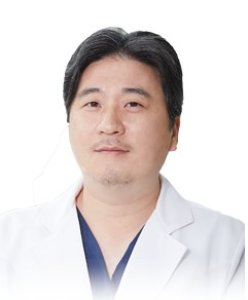
Park Sundo
الدكتور بارك سوندو اختصاصي في جراحة الجهاز الهضمي والجراحة العامة في مستشفى نايون. تشمل خبرته جراحة القولون والمستقيم، وجراحة الشرج والمستقيم، وجراحة الثدي، والغدة الدرقية، والجراحة بالمنظار، وجراحة الجهاز الصفراوي، والبنكرياس، وجراحة الأطفال.
تشمل العلاجات الرئيسية جراحة الشرج والمستقيم مثل استئصال البواسير وعلاج البواسير والناسور الشرجي. يجري جراحات بالمنظار لحصوات المرارة (تحصّي المرارة) والتهاب الزائدة الدودية. يشمل علاجه الأورامي سرطان المعدة والقولون والمستقيم. كما يجري إصلاح الف
مشاركة المحتوى
قصص فيديو من مرضى Bookimed
 Anna Leonova
أسئلة متكررة حول علاج كيس البنكرياس في كوريا الجنوبية
هل أحتاج إلى جراحة لكيسة البنكرياس الخاصة بي، أم يمكن إدارتها من خلال المراقبة؟
تخضع كيسات البنكرياس التي يقل حجمها عن 3 سم بدون مكونات صلبة أو توسع في القناة عادةً للمراقبة النشطة عبر التصوير بالرنين المغناطيسي أو التصوير بالموجات فوق الصوتية بالمنظار (EUS). توصي المراكز الكورية المعتمدة من JCI بالجراحة فقط في حالة الاشتباه في وجود خباثة، أو خلل التنسج عالي الدرجة، أو الحالات المصحوبة بأعراض. تحدد المراجعة المتخصصة في المستشفيات من المستوى الثالث مسار العلاج الأنسب.
- معايير المراقبة: غالباً ما تتطلب الكيسات الصغيرة التي لا تظهر عليها أعراض مراقبة منتظمة فقط باستخدام تصوير عالي الدقة.
- محفزات الجراحة: يتطلب النمو السريع، أو العقيدات الصلبة، أو توسع قناة البنكرياس تدخلاً فورياً في كثير من الأحيان.
- أدوات التشخيص: تستخدم العيادات الكورية التصوير المقطعي بجرعة منخفضة والتصوير الرقمي لتتبع التغييرات الطفيفة.
- الوصول إلى المتخصصين: توفر المراكز من المستوى الثالث مثل مستشفى سيفيرانس مراجعات متعددة التخصصات للآفات الكيسية المعقدة.
رؤية خبير Bookimed: تحتل كوريا الجنوبية المرتبة السادسة عالمياً في بياناتنا، مما يعكس حجماً كبيراً من الحالات المعقدة. يعالج مستشفى جامعة سيول الوطنية بوندانغ وحده 1,500,000 مريض سنوياً باستخدام نماذج ذكاء اصطناعي متقدمة. يسمح هذا الحجم الهائل من البيانات للجراحين بالتمييز بدقة بين الكيسات الحميدة وتلك التي تتطلب جراحة روبوتية. غالباً ما يجد المرضى أن المتخصصين الكوريين يفضلون المراقبة على الجراحة عندما تظهر الصور ميزات مستقرة ومنخفضة المخاطر.
إجماع المرضى: يقدر المرضى الوصول
ما هي أنواع الجراحات التي تُجرى لكيسات البنكرياس في المستشفيات الكورية، وكيف يتم اختيارها؟
تُجري المستشفيات الكورية استئصالاً طفيف التوغل مثل استئصال البنكرياس بالمنظار والجراحة الروبوتية لكيسات البنكرياس. يختار الجراحون العلاجات بناءً على سمات خطر الإصابة بالسرطان. تشمل هذه السمات المكونات الصلبة، أو اليرقان، أو نمو الكيسة. تستخدم مرافق مثل مستشفى سيفيرانس تصويراً متقدماً وذكاءً اصطناعياً لتوجيه هذه القرارات الجراحية.
- أنواع الاستئصال: يجري الجراحون إجراءات ويبل لكيسات الرأس أو استئصال البنكرياس البعيد للحالات الأخرى.
- خيارات طفيفة التوغل: تقلل الجراحة بالمنظار والروبوتية من وقت التعافي وصدمة الأنسجة.
- تصنيف المخاطر: تعتمد القرارات على العقيدات الجدارية، وتوسع القناة، وحجم الكيسة الذي يزيد عن 3 سم.
- أدوات التشخيص: يحدد التصوير بالموجات فوق الصوتية بالمنظار مع الشفط بالإبرة الدقيقة سمات الخطر العالي قبل الجراحة.
رؤية خبير Bookimed: تظهر البيانات تركيزاً عالياً للخبرة في سيول في مراكز مثل مستشفى جامعة سيول الوطنية بوندانغ. تدير هذه المرافق أكثر من 1,500,000 مريض سنوياً. يسمح هذا الحجم الهائل للجراحين بإتقان التقنيات الروبوتية لاستئصال البنكرياس المعقد. يجب على المرضى إعطاء الأولوية للمستشفيات الحاصلة على اعتماد KOIHA أو اللجنة الدولية المشتركة للحصول على نتائج سلامة أفضل.
إجماع المرضى: يشير المرضى إلى أن تحديد ما إذا كانت الكيسة ما قبل سرطانية هو الخطوة الأكثر صعوبة. يؤكدون على أهمية سؤال الجراحين عما إذا كانت المراقبة أو الإزالة الفورية أكثر أماناً بناءً على نوع الكيسة.
ما احتمالية تحول كيس البنكرياس إلى سرطان؟
تكون احتمالية تحول كيس البنكرياس إلى سرطان عمومًا أقل من 1%. على الرغم من أن 30% من الأكياس لديها احتمالية خباثة، إلا أن معظمها يظل حميدًا. يبلغ خطر التحول السنوي حوالي 0.25%. يستخدم المتخصصون في كوريا الجنوبية التصوير عالي الدقة لمراقبة هذه الزيادات بفعالية.
- معدل الخطر السنوي: تظهر معظم أكياس البنكرياس خطر تحول منخفض بنسبة 0.25% تقريبًا سنويًا.
- انتشار الأكياس الحميدة: تشير الأبحاث إلى أن أكثر من 99% من جميع أكياس البنكرياس لا تتطور أبدًا إلى سرطان خبيث.
- ارتباط الحجم: الأكياس التي يقل حجمها عن 15 مم ولا تحتوي على ميزات مقلقة لا تحمل أي خطر تقريبًا عند التشخيص الأولي.
- مؤشرات الخطر العالي: النمو السريع، أو المكونات الصلبة، أو العقيدات الجدارية تزيد بشكل كبير من احتمالية الخباثة.
رأي خبير Bookimed: تعد كوريا الجنوبية موطنًا لأول مستشفى رقمي على مستوى العالم وتضم العديد من المرافق المصنفة ضمن قائمة نيوزويك (Newsweek). تخدم مراكز مثل مستشفى سيفيرانس (Severance Hospital) 4,000,000 مريض خارجي سنويًا. يضمن هذا الحجم الهائل أن يحدد المتخصصون الكوريون الجنوبيون التغيرات الدقيقة في الأكياس. تستخدم مستشفياتهم المعتمدة من KOIHA أنظمة رقمية (BESTcare) لتتبع بيانات التصوير الطولية بدقة.
إجماع المرضى: يتعلم المرضى أن النوع المحدد للكيس يهم أكثر من مجرد نسبة مئوية واحدة. في حين تتم مراقبة العديد من الأكياس فقط، فإن النتائج مثل مشاركة القناة أو العقيدات الجدارية هي ما يدفع إلى إجراء الجراحة.