الفتق السري العلاج في كوريا الجنوبية - التكاليف 2026


تمت مراجعة المقالة طبيا من قبل
فهد مولود
ما هي تكلفة الفتق السري إجراءات التشخيص والعلاج في كوريا الجنوبية؟ اعرف الآن
| كوريا الجنوبية | تركيا | إسبانيا | |
|---|---|---|---|
| ترميم الفتق السري بالمنظار (انظر. ترميم الفتق السري) | من $1,400 | من $3,300 | من $6,200 |
| إصلاح الفتق السري بالمنظار | ≈ $3,200 | من $5,200 | من $6,400 |
مزاياك وضماناتك مع Bookimed
أسعار مباشرة
Bookimed لا يضيف رسوماً إضافية على أسعار علاج الفتق السري. الأسعار مأخوذة من قوائم الأسعار الرسمية للعيادات. تدفع مباشرة في العيادة مقابل علاجك عند وصولك إلى البلد.
عيادات وأطباء معتمدون فقط
Bookimed ملتزم بسلامتك. نحن نعمل فقط مع المؤسسات الطبية التي تحافظ على معايير دولية عالية في علاج الفتق السري ولديها التراخيص اللازمة لخدمة المرضى الدوليين في جميع أنحاء العالم.
مساعدة مجانية على مدار الساعة
Bookimed يقدم مساعدة خبراء مجانية. منسق طبي شخصي يدعمك قبل وأثناء وبعد العلاج، ويحل أي مشاكل. لن تكون وحيداً أبداً في رحلة علاج الفتق السري.

منسقك الطبي الشخصي في Bookimed
- يدعمك في كل مرحلة
- المساعدة في اختيار العيادة الطبية المناسبة والطبيب المناسب
- يضمن الوصول السريع والمريح إلى المعلومات
اكتشف أفضل الفتق السري العيادات في كوريا الجنوبية: 6 خيارات معتمدة والأسعار
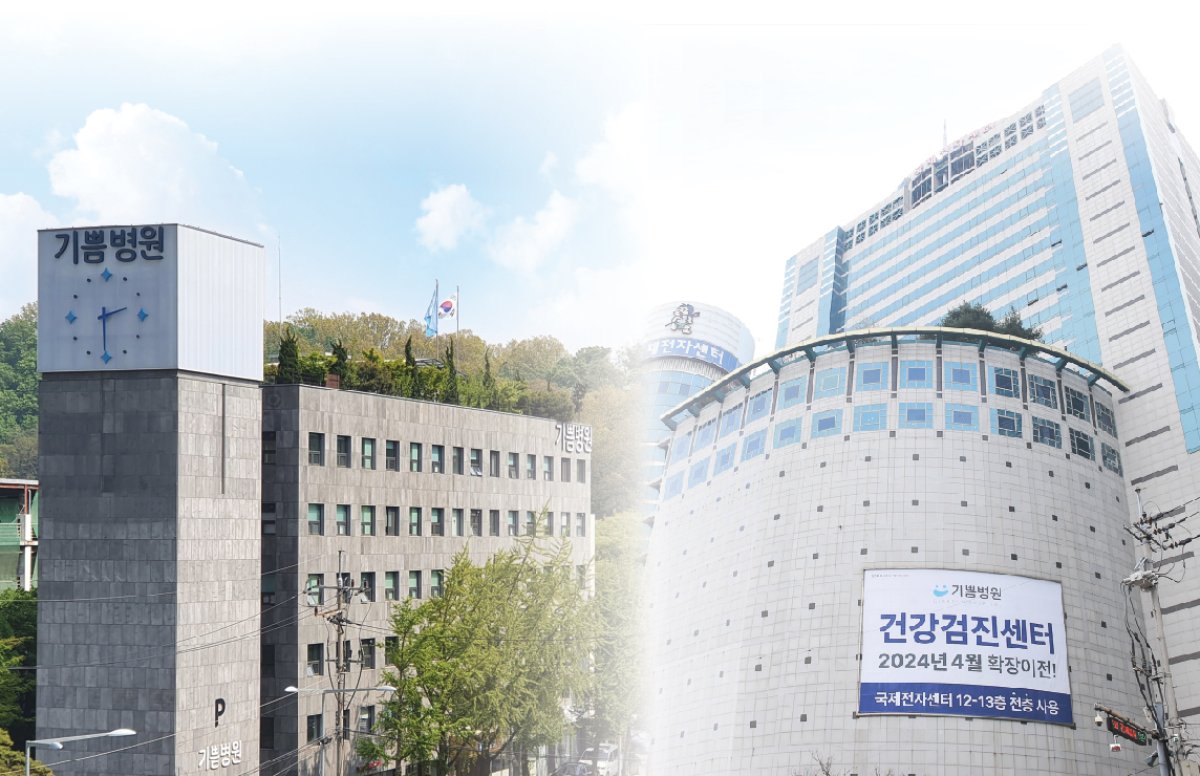








MizMedi Women`s hospital


احصلوا على تقييم طبي لـ الفتق السري في كوريا الجنوبية: استشيروا أطباء ذوي خبرة الآن
عرض جميع الأطباء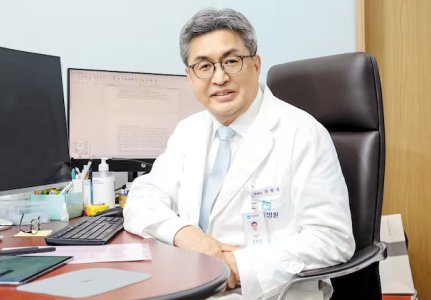
Yoon Sik Kang
الدكتور يون شيك كانغ (M.D., Ph.D.) رئيس ومؤسس مستشفى جيبيوم، المستشفى العام الوحيد المتخصص جراحياً في كوريا. يُعدّ رائداً في جراحة الفتق والقولون والمستقيم، وله خبرة تتجاوز 30 عاماً، إذ أجرى أكثر من 40,000 عملية، بينها أكثر من 20,000 إصلاح فتق من دون شبكة. صُنّف الأوّل في طب الشرج والمستقيم بحسب صحيفة دونغ-أ إلبو، ونال جائزة هانمي ترو الطبية لعام 2016.
طوّر الدكتور كانغ “إصلاح كانغ”، وهي جراحة فتق خالية من الشبكة تتفادى الشبكات الاصطناعية ومخاطر الأجسام الغريبة. معدل النكس المُبلّغ عنه
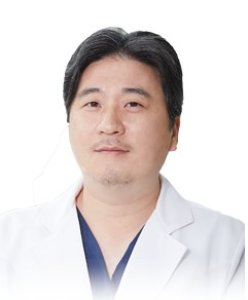
Park Sundo
الدكتور بارك سوندو اختصاصي في جراحة الجهاز الهضمي والجراحة العامة في مستشفى نايون. تشمل خبرته جراحة القولون والمستقيم، وجراحة الشرج والمستقيم، وجراحة الثدي، والغدة الدرقية، والجراحة بالمنظار، وجراحة الجهاز الصفراوي، والبنكرياس، وجراحة الأطفال.
تشمل العلاجات الرئيسية جراحة الشرج والمستقيم مثل استئصال البواسير وعلاج البواسير والناسور الشرجي. يجري جراحات بالمنظار لحصوات المرارة (تحصّي المرارة) والتهاب الزائدة الدودية. يشمل علاجه الأورامي سرطان المعدة والقولون والمستقيم. كما يجري إصلاح الف
مشاركة المحتوى
قصص فيديو من مرضى Bookimed
 Anna Leonova
أسئلة متكررة حول علاج الفتق السري في كوريا الجنوبية
هل توفر كوريا عملية إصلاح الفتق السري بدون شبكة (باستخدام الأنسجة فقط)؟
توفر كوريا الجنوبية عمليات متخصصة لإصلاح الفتق السري بدون شبكة. يستخدم الجراحون تقنية "Kang Repair" لإعادة البناء باستخدام الأنسجة فقط. يتجنب هذا النهج الغرسات الاصطناعية من خلال استخدام أنسجة المريض نفسه. وهي متاحة في مراكز جراحية متخصصة في سيول للمرضى الدوليين.
- التقنية المستخدمة: تستخدم تقنية "Kang Repair" شقاً صغيراً، غالباً ما يكون أقل من 3 سم في المجموع.
- نوع التخدير: عادةً ما يقوم المتخصصون بإجراء هذه العمليات تحت التخدير الموضعي من أجل السلامة.
- النتائج السريرية: معدلات تكرار الإصابة المبلغ عنها لهذه الطريقة الخالية من الشبكة تقل عن 0.2%.
- فترة التعافي: معظم المرضى مؤهلون للخروج في نفس اليوم والعودة السريعة للنشاط.
رؤية خبراء Bookimed: بينما تعطي العديد من المستشفيات العامة الأولوية للشبكات، يركز مستشفى Gibbeum العام بشكل حصري تقريباً على بروتوكولات خالية من الشبكة. أجرى الدكتور يون سيك كانغ أكثر من 20,000 عملية إصلاح من هذا النوع. يساهم هذا الحجم الكبير في معدل الألم المزمن المبلغ عنه والذي يقل عن 0.5%.
إجماع المرضى: يشير المرضى إلى أن الإصلاح بدون شبكة ليس دائماً الخيار الافتراضي. يجب عليك السؤال تحديداً عما إذا كان حجم الفتق لديك يسمح بنهج يعتمد على الأنسجة فقط.
ما هو معدل النجاح (التكرار) لإصلاح الفتق السري في كوريا؟
يحافظ إصلاح الفتق السري في كوريا على معدلات نجاح عالية تتراوح بين 95% و98%. وتشير تقنيات خاصة خالية من الشبكة مثل "Kang Repair" إلى معدلات تكرار أقل من 0.2%. تستخدم المراكز الجراحية المتقدمة أساليب تنظيرية وروبوتية لتقليل المضاعفات وضمان المتانة طويلة المدى للمرضى البالغين.
- معدلات النجاح: تحقق إجراءات الشبكة الحديثة نتائج بين 95% و98%.
- تقنية Kang Repair: تبلغ الجراحات المتخصصة الخالية من الشبكة عن معدلات تكرار أقل من 0.2%.
- الخبرة الجراحية: غالباً ما يتمتع الجراحون المعتمدون بخبرة تزيد عن 20,000 إجراء.
- معايير الاعتماد: تمتلك المرافق الرائدة اعتمادات KOIHA وJCI لضمان السلامة.
رؤية خبير Bookimed: تقدم كوريا بديلاً فريداً لإصلاحات الشبكة القياسية. طور الدكتور يون سيك كانغ في مستشفى جيبوم العام تقنية متخصصة خالية من الشبكة. لقد أجرى أكثر من 20,000 عملية إصلاح بمعدل تكرار أقل من 0.2%. هذا أقل بكثير من نسبة 10% إلى 30% التي تظهر في طرق الخياطة التقليدية فقط. غالباً ما يوفر اختيار مستشفى متخصص بدلاً من منشأة عامة إمكانية الوصول إلى هذه البروتوكولات الأقل خطورة.
إجماع المرضى: يؤكد المرضى على الالتزام الصارم بقيود رفع الأثقال لمنع التكرار بعد الجراحة. يلاحظ الكثيرون أن اختيار إصلاح الشبكة للعيوب الكبيرة يوفر نتيجة أكثر موثوقية ونهائية.
هل سأحتاج بالتأكيد إلى جراحة، أم يمكن علاج الفتق السري تحفظياً؟
غالباً ما تسمح الفتوق السرة الصغيرة وغير المؤلمة بالمراقبة تحت إشراف طبي. في حين أن معظم الأطفال يتعافون دون تدخل بحلول سن الخامسة، يحتاج البالغون بشكل متكرر إلى إصلاح جراحي. تُظهر الإحصائيات أن 65% من الفتوق المصحوبة بأعراض لدى البالغين تخضع في النهاية للجراحة لمنع حالات الطوارئ الطبية المستقبلية.
- معايير الانتظار والمراقبة: تكون المراقبة مناسبة إذا كان الانتفاخ صغيراً وغير مؤلم وقابلاً للرد.
- مؤشرات الجراحة: تصبح الجراحة ضرورية إذا زاد حجم الفتق أو تسبب في ألم موضعي مستمر.
- مؤشرات الطوارئ: يشير الاحمرار، أو الأنسجة الصلبة، أو القيء إلى وجود اختناق يتطلب تدخلاً طبياً فورياً.
- الإجراءات المتقدمة: يقدم المتخصصون في سيول تقنية "كانغ" (Kang Repair) الخالية من الشبكة لتقليل مخاطر الأجسام الغريبة.
رأي خبراء Bookimed: بينما تسمح المبادئ التوجيهية العامة بالمراقبة، تؤكد مراكز الجراحة الكورية الجنوبية مثل مستشفى Gibbeum على التدخل المبكر بتقنيات متخصصة. أجرى الدكتور يون سيك كانغ 20,000 عملية إصلاح بدون شبكة بمعدل تكرار أقل من 0.2%. إن اختيار إجراءات متخصصة بدون شبكة يمكن أن يقلل بشكل كبير من خطر الألم المزمن مقارنة بالإصلاحات القياسية باستخدام الشبكة.
إجماع المرضى: يشير المرضى إلى أنه على الرغم من أن تغييرات نمط الحياة توفر راحة مؤقتة من الأعراض، إلا أن الجراحة هي الحل النهائي الوحيد. ينصح الكثيرون بجدولة الإصلاح الاختياري مبكراً لتجنب مخاطر جراحات الطوارئ.
كم تستغرق فترة التعافي بعد جراحة الفتق السري في كوريا؟
تسمح فترة التعافي بعد جراحة الفتق السري في كوريا عادةً بالعودة إلى الأنشطة اليومية الخفيفة في غضون 3 إلى 14 يوماً. يستأنف معظم المرضى التمارين الشاقة أو رفع الأثقال بعد 4 إلى 6 أسابيع. غالباً ما تسرع التقنيات طفيفة التوغل والإجراءات المتخصصة الخالية من الشبكة (mesh-free) من هذا الجدول الزمني.
- التعافي الأولي: تستغرق العودة إلى العمل المكتبي أو الروتين الخفيف عادةً من 3 إلى 7 أيام.
- النشاط البدني: يتم تشجيع المشي فوراً، بينما يعتبر الركض الخفيف آمناً بعد 2 إلى 3 أسابيع.
- الشفاء التام: تنضج الأنسجة تماماً وتعود قوة العضلات الأساسية بعد حوالي 6 إلى 8 أسابيع.
- الإقامة في المستشفى: غالباً ما توفر المراكز المتخصصة يوماً واحداً من الإقامة في المستشفى للمراقبة وإدارة الألم.
رؤية خبير Bookimed: في حين أن العديد من المستشفيات تستخدم الشبكات الاصطناعية، فقد أجرى جراحون كوريون متخصصون مثل الدكتور يون سيك كانغ أكثر من 20,000 عملية إصلاح خالية من الشبكة. تبلغ هذه الطريقة عن معدل تكرار أقل من 0.2%. إن استخدام التخدير الموضعي بدلاً من التخدير العام يقصر مرحلة التعافي بعد الجراحة مباشرة بشكل أكبر.
إجماع المرضى: يجد المرضى الأيام القليلة الأولى هي الأكثر صعوبة، خاصة عند النهوض من السرير أو الضحك. يؤكد معظمهم أنه على الرغم من شعورهم بالقدرة على ممارسة حياتهم الطبيعية بعد أسبوع واحد، إلا أن الالتزام بقيود رفع الأثقال أمر حيوي لمنع حدوث انتكاسات.
هل إتقان اللغة الكورية مطلوب للخضوع لعلاج الفتق السري في كوريا؟
لا يلزم إتقان اللغة الكورية لعلاج الفتق السري في جمهورية كوريا. توفر المستشفيات الرئيسية في سيول منسقين طبيين مخصصين ومترجمين محترفين للمرضى الدوليين. تغطي هذه الخدمات كل خطوة بدءاً من الاستشارات الأولية والاختبارات ما قبل الجراحة وصولاً إلى مناقشات التخدير وإرشادات الخروج.
- الأقسام الدولية: تخدم المراكز الموجودة في سيول مثل مستشفى جيبوم العام (Gibbeum General Hospital) بانتظام مرضى من 56 دولة.
- المساعدة اللغوية: يدعم المترجمون الفوريون المحترفون الاستشارات الخاصة بالأدوية، والموافقة الجراحية، وتعليمات الرعاية المحددة بعد الجراحة.
- الخبرة الجراحية: أجرى جراحون مثل الدكتور يون سيك كانغ أكثر من 40,000 إجراء لمرضى دوليين.
- باقات شاملة: تغطي الخيارات الشاملة الاختبارات التشخيصية، والتصوير الطبي، والأدوية، والتمريض على مدار 24 ساعة باللغة الإنجليزية.
رؤية خبير Bookimed: في حين أن المستشفيات الجامعية الكبيرة رقمية بالكامل بنسبة 100%، فإن المراكز المتخصصة الأصغر غالباً ما توفر دعماً لغوياً أكثر تخصيصاً. على سبيل المثال، قام مستشفى جيبوم العام بتحسين تقنية "كانغ" (Kang Repair) للمرضى من 56 دولة مختلفة. عادة ما يترجم هذا الحجم الكبير من الحالات الدولية إلى تجربة تواصل أكثر سلاسة مقارنة بالمرافق متعددة التخصصات العامة.
إجماع المرضى: يشير المرضى إلى أن الأمور اللوجستية مثل الأوراق وإرشادات الخروج غالباً ما تكون أكثر صعوبة في التعامل معها من الجراحة نفسها. ويوصون بالتأكد مسبقاً من توفر طاقم التمريض وإرشادات ما بعد الجراحة باللغة