ركود لمفي العلاج في كوريا الجنوبية - التكاليف 2026


تمت مراجعة المقالة طبيا من قبل
فهد مولود
ما هي تكلفة ركود لمفي إجراءات التشخيص والعلاج في كوريا الجنوبية؟ اعرف الآن
مزاياك وضماناتك مع Bookimed
أسعار مباشرة
Bookimed لا يضيف رسوماً إضافية على أسعار علاج ركود لمفي. الأسعار مأخوذة من قوائم الأسعار الرسمية للعيادات. تدفع مباشرة في العيادة مقابل علاجك عند وصولك إلى البلد.
عيادات وأطباء معتمدون فقط
Bookimed ملتزم بسلامتك. نحن نعمل فقط مع المؤسسات الطبية التي تحافظ على معايير دولية عالية في علاج ركود لمفي ولديها التراخيص اللازمة لخدمة المرضى الدوليين في جميع أنحاء العالم.
مساعدة مجانية على مدار الساعة
Bookimed يقدم مساعدة خبراء مجانية. منسق طبي شخصي يدعمك قبل وأثناء وبعد العلاج، ويحل أي مشاكل. لن تكون وحيداً أبداً في رحلة علاج ركود لمفي.

منسقك الطبي الشخصي في Bookimed
- يدعمك في كل مرحلة
- المساعدة في اختيار العيادة الطبية المناسبة والطبيب المناسب
- يضمن الوصول السريع والمريح إلى المعلومات
اكتشف أفضل ركود لمفي العيادات في كوريا الجنوبية: 10 خيارات معتمدة والأسعار





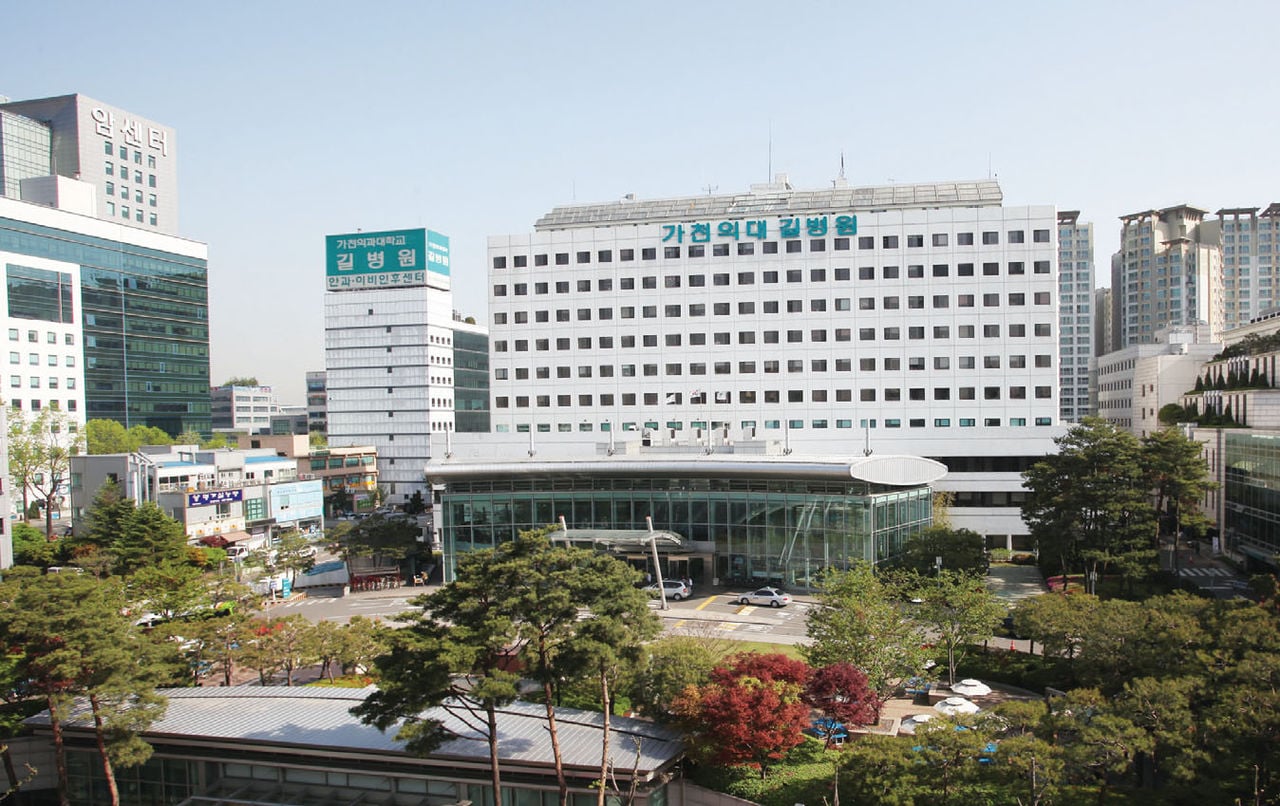



MizMedi Women`s hospital

Bumin Hospital Seoul

Wiltse Memorial Hospital


مشاركة المحتوى
قصص فيديو من مرضى Bookimed
 Anna Leonova
أسئلة متكررة حول علاج ركود لمفي في كوريا الجنوبية
ما هي أكثر العلاجات غير الجراحية فعالية للوذمة اللمفية المتاحة في كوريا؟
العلاج الاحتقاني المعقد (CDT) هو العلاج غير الجراحي الأكثر نجاحاً للوذمة اللمفية في كوريا. تستخدم المراكز الأكاديمية الكبرى بروتوكولاً متعدد الخطوات يجمع بين التصريف اللمفاوي اليدوي والضغط متعدد الطبقات. تعمل هذه الطرق بفعالية على تقليل حجم الأطراف والحفاظ على الصحة الأيضية دون جراحة غازية.
- التصريف اللمفاوي اليدوي: تدليك متخصص يحرك السائل اللمفاوي نحو العقد السليمة لتقليل التورم.
- علاج الضغط: الضمادات متعددة الطبقات والملابس المصممة خصيصاً تمنع تراكم السوائل مرة أخرى.
- الضغط الهوائي: مضخات ميكانيكية تعمل بموجات الهواء تساعد في تصريف السوائل في البيئات السريرية المتقدمة.
- الإدارة الطبية: غالباً ما تصف العيادات مستخلص بذور العنب لتحسين صحة الأوعية الدموية بشكل عام.
رؤية خبير Bookimed: تستخدم المراكز الكبرى في كوريا مثل مركز أسان الطبي ومستشفى سيفيرانس أنظمة صحية رقمية متكاملة. تخدم هذه المستشفيات أكثر من 1,000,000 مريض سنوياً وتستخدم أنظمة إلكترونية لتتبع تقدم التصريف. يضمن هذا النهج القائم على البيانات تعديلات دقيقة لملاءمة ملابس الضغط طوال فترة التعافي.
إجماع المرضى: يؤكد المرضى أن ملابس الضغط المصممة خصيصاً ضرورية لمنع التورم بعد جلسات التصريف اليدوي. يجد الكثيرون أن إضافة تمارين مائية لطيفة يحسن نتائجهم بشكل كبير مقارنة بالعلاج وحده.
متى يوصى بالجراحة لعلاج الركود اللمفاوي وما هي الإجراءات التي يتم تنفيذها؟
يوصى بالجراحة عندما يفشل العلاج التحفظي في السيطرة على الأعراض لمدة 6-12 شهراً. يتدخل الجراحون الكوريون عادةً لمرضى المرحلتين 2 و3 الذين يعانون من تورم مزمن أو التهاب النسيج الخلوي المتكرر. تشمل الإجراءات الشائعة مفاغرة الأوعية اللمفاوية الوريدية (LVA) ونقل العقد اللمفاوية الموعاة (VLNT).
- الجراحة الفسيولوجية: تقنيات الجراحة المجهرية مثل LVA تتجاوز الانسدادات لاستعادة التصريف الطبيعي.
- الجراحة الاختزالية: يعمل شفط الدهون على إزالة الدهون والأنسجة الندبية في الحالات المزمنة المتقدمة.
- نقل العقد اللمفاوية: يقوم الجراحون بنقل عقد سليمة من مناطق الأربية أو الصدر.
- معايير الأهلية: يخضع المرشحون غالباً لمسح وميضي لمفاوي لتأكيد مرحلة الحالة.
رؤية خبير Bookimed: يكشف حجم العمليات في المستشفيات عن كفاءة عالية في الجراحة المجهرية الفائقة في كوريا. يتعامل مركز أسوان الطبي ومستشفى سيفيرانس مع أعداد هائلة من المرضى. يدير مستشفى سيفيرانس وحده أكثر من 1.6 مليون مريض خارجي سنوياً. يسمح هذا الحجم الكبير للجراحين بإتقان LVA على أوعية أصغر من 0.3 مم. يجب على المرضى البحث عن جراحين مجهريين أجروا أكثر من 100 عملية ناجحة.
إجماع المرضى: يؤكد المرضى أن الجراحة ليست اختصاراً وتتطلب إكمال 6 أشهر من العلاج المزيل للاحتقان أولاً. يلاحظ الكثيرون أن تخطي ارتداء ملابس الضغط بعد الجراحة يمكن أن يؤدي إلى انتكاسة بنسبة 30% في التورم.
ما هي المستشفيات الكورية المعترف بها دولياً لعلاج الوذمة اللمفية؟
يُعد مستشفى جامعة سيول الوطنية في بوندانغ ومستشفى سيفيرانس من أفضل المراكز الكورية لعلاج الوذمة اللمفية. تحمل هذه المرافق شهادات JCI وGHA. وهي تستخدم تقنيات جراحية مجهرية متقدمة مثل المفاغرة اللمفية الوريدية. تجمع فرق الخبراء بين الجراحة التجميلية وطب إعادة التأهيل لتقديم رعاية كاملة.
- شهادات المستشفيات: SNUBH هو أول مركز كوري يتم تعيينه كمركز تميز من قبل LE&RN.
- الخبرة الجراحية: تجري المراكز عمليات المفاغرة اللمفية الوريدية طفيفة التوغل وعمليات نقل العقد اللمفية.
- الحجم والنطاق: يدير مركز آسان الطبي حالات معقدة لأكثر من 10,000 مريض خارجي يومياً.
- التركيز المتخصص: يوفر مستشفى سيفيرانس إعادة تأهيل أورام مخصصة لحالات الوذمة اللمفية الناتجة عن الجراحة.
رؤية خبير Bookimed: غالباً ما يشير حجم المرضى إلى مكان وجود الخبرة اللمفية الأكثر ندرة. بينما تركز جامعة غاشون على الصدمات، فإن SNUH هو المكان الذي تتجمع فيه أكثر حالات الركود اللمفاوي تعقيداً والمرتبطة بالسرطان. تظهر بياناتنا أن SNUH يعالج أكثر من 10,700 مريض يومياً. يسمح هذا الحجم الكبير للجراحين بإتقان الإصلاحات الجراحية المجهرية التي نادراً ما تقوم بها العيادات الأصغر.
إجماع المرضى: يشير المرضى إلى أنه من الضروري تأمين خطة مراقبة ما بعد الجراحة قبل حجز الجراحة. ويؤكد آخرون على طلب فحوصات دوبلر قبل الجراحة لضمان رسم خرائط الجهاز اللمفاوي بشكل صحيح.
كيف يجب على المرضى الدوليين التنقل في نظام الرعاية الصحية الكوري لعلاج الوذمة اللمفية؟
يتنقل المرضى الدوليون في نظام الرعاية الصحية الكوري من خلال مراكز الرعاية الصحية الدولية المتخصصة في المرافق المعتمدة من قبل اللجنة الدولية المشتركة (JCI). تقدم المؤسسات المتخصصة مثل مركز أسان الطبي ومستشفى سيفيرانس تقنيات الجراحة المجهرية الفائقة. يجب على المرضى الحصول على تأشيرة طبية من فئة C-3-3 للإقامات القصيرة أو G-1-10 لإعادة التأهيل طويل الأمد.
- الجراحة المتخصصة: تعد مفاغرة الأوعية اللمفاوية الوريدية (LVA) ونقل العقد اللمفاوية الموعاة (VLNT) من العلاجات القياسية.
- المساعدة اللغوية: توفر المراكز الدولية المخصصة مترجمين طبيين محترفين وتنسيق المواعيد.
- معايير الاعتماد: تمتلك أفضل المرافق شهادات KOIHA أو اللجنة الدولية المشتركة (JCI) للسلامة.
- التركيز على التعافي: تشمل الرعاية المتكاملة العلاج الاحتقاني المركب (CDT) وخدمات إعادة التأهيل المتخصصة.
رؤية خبير Bookimed: بينما يسعى الكثيرون لإجراء الجراحة في سيول، يخدم مركز جاشون الجامعي الطبي في إنتشون 38,000 مريض سنوياً ويوفر وصولاً أسرع من المطار الدولي. تظهر بياناتنا أن المستشفيات الأكاديمية رفيعة المستوى مثل SNUBH قد قامت برقمنة سجلات المرضى بالكامل للقضاء على الأخطاء الطبية. يمكن أن يؤدي اختيار مستشفى يعتمد على الرقمنة إلى تحسين دقة رعاية المتابعة للحالات اللمفاوية المزمنة بشكل كبير.
إجماع المرضى: يشير المرضى إلى أنه من الضروري تجهيز جميع سجلات التشخيص قبل الوصول لتجنب تكرار اختبارات الدم الأساسية. وغالباً ما يؤكدون أن هيكل المستشفى الشامل يجعل التنقل بين الأقسام