علاج القرنية المخروطية في تركيا — احصل على 3 عيادات مختارة خصيصاً لك


تمت مراجعة المقالة طبيا من قبل
فهد مولود
كيف نعمل؟
ما هي تكلفة القرنية المخروطية إجراءات التشخيص والعلاج في تركيا؟ اعرف الآن
تختلف تكلفة علاج القرنية المخروطية في تركيا بناءً على الإجراءات والتقنيات المستخدمة. تتراوح تكلفة الفحوصات الأولية، بما في ذلك الفحص الشامل للعين وتضاريس القرنية، بين $120 و $500. يمكن أن تصل تكلفة ربط القرنية المتقاطع للعين الواحدة إلى حوالي $1,750. تُسعر إجراءات ترقيع القرنية، مثل ترقيع القرنية الأمامي العميق أو ترقيع القرنية النافذ، عند $9,000. تبدأ خيارات التصحيح بالليزر المتقدمة، مثل Femto iLASIK، من $1,400، بينما يمكن أن تصل الإجراءات الأكثر تخصصًا مثل جراحة SMILE إلى $2,600. يتم تحديد التكلفة الإجمالية للعلاج بعد تقييم فردي من قبل الأخصائي الطبي.
| تركيا | إسبانيا | ألمانيا | |
|---|---|---|---|
| زرع حلقات ضمن القرنية | من $1,900 | من $3,800 | من $2,500 |
| زرع القرنية | من $6,000 | من $8,400 | من $6,800 |
| ربط القرنية (CCL) (عين واحدة) | من $1,500 | من $2,400 | من $1,500 |
اكتشف أفضل القرنية المخروطية العيادات في تركيا: 46 خيارات معتمدة والأسعار
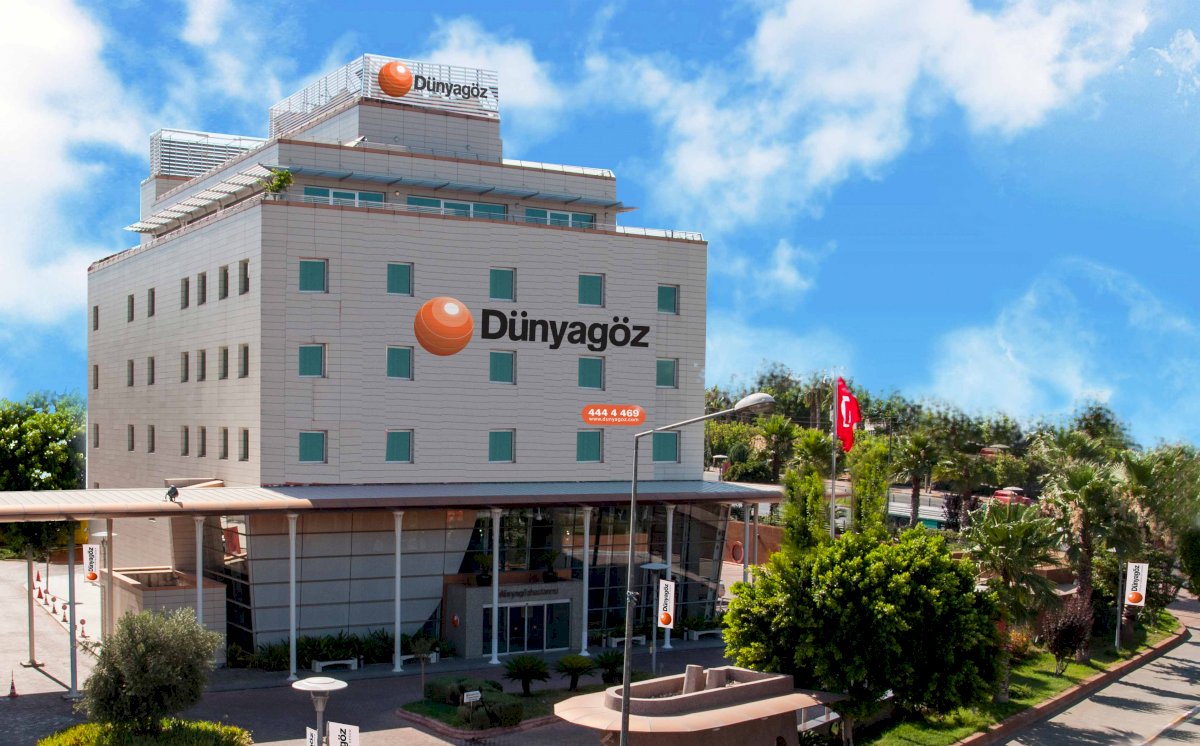





Dunyagoz Eye Hospital Istanbul Etiler
Anil Kubaloglu





Associate Professor M. Derda Ozer DERDA SAGLIK HIZMETLERI
Muhammet Derda Ozer







احصل على تقييم طبي لـ في تركيا. استشر الآن 92 أطباء ذوي الخبرة.
عرض جميع الأطباءAnil Kubaloglu
أجرى الدكتور أنيل كوبالوجلو أكثر من 30,000 عملية جراحية للعين، مع خبرة واسعة في علاجات القرنية المخروطية مثل الربط المتقاطع (Cross-Linking) ورأب القرنية.
- متخصص في جراحات القرنية وعلاجات الليزر
- أكثر من _doctor_3539_ عاماً من الخبرة في طب العيون
- مؤلف لأكثر من 100 منشور علمي في مجال العناية بالعيون
- عضو في الجمعية الأوروبية لجراحي الساد والجراحة الانكسارية (ESCRS)، والأكاديمية الأمريكية لطب العيون (AAO)، وجمعيات طب عيون رائدة أخرى
- يعمل في مستشفى دنيجوز للعيون - مركز رعاية عيون من الدرجة الأولى

Semih Urvasızoğlu
أجرى الدكتور سميح أورز أكثر من 35,000 عملية جراحية للعين، وهو متخصص في علاج القرنية المخروطية في مستشفيات Valued Med Hub.
- أكثر من _doctor_5248_عاماً_ من الخبرة في طب العيون
- حاصل على جائزة 'أفضل طبيب في صحة وأمراض العيون' من وزارة الصحة التركية
- عضو في الجمعية التركية لطب العيون
- تلقى تدريبه في كلية الطب بجامعة إسطنبول

Omer Faruk Oge
يمتلك الطبيب خبرة واسعة في طب العيون، متخصص في العلاجات والجراحات للحول، وجماليات العين، والغمش، وإعتام عدسة العين، وأمراض الشبكية. بالإضافة إلى ذلك، يتمتع الطبيب بمهارة في صحة عيون الأطفال ويجري فحوصات شاملة للعين.<\/p>
تخرج الطبيب من كلية الطب في إسطنبول وأكمل تخصصه في مستشفى تدريب وأبحاث العيون في بيوغلو. الطبيب عضو في الجمعية الطبية التركية، وجمعية طب العيون التركية، والجمعية الأوروبية لجراحي الساد والانكسار.<\/p>
Muhammet Derda Ozer
أجرى الأستاذ المشارك أوزر أكثر من 25,000 عملية علاج عيون وهو متخصص في رعاية العيون المتقدمة في جامعة إسطنبول يني يوزيل.
- _doctor_9008_سنوات_ من الخبرة في طب العيون
- زمالة ICO-Staar الجراحية في جراحة الشبكية والجسم الزجاجي
- عضو نشط في الجمعية التركية لطب العيون
- نشر العديد من الأبحاث العلمية حول أمراض العيون
المراجعات
جميع المراجعاتمشاركة المحتوى
قصص فيديو من مرضى Bookimed
 Anna Leonova
أسئلة متكررة حول علاج القرنية المخروطية في تركيا
ما هي خيارات العلاج الأساسية المتاحة للقرنية المخروطية في تركيا؟
توفر مراكز العيون التركية علاجات متقدمة للقرنية المخروطية تتراوح من الربط المتقاطع للقرنية (Cross-linking) لتحقيق الاستقرار إلى عمليات الزرع المعقدة. يستخدم الجراحون أدوات تشخيص دقيقة مثل طوبوغرافيا القرنية وتخطيط التوتر. توفر المرافق المعتمدة من JCI في مدن مثل إسطنبول تقنيات متخصصة بما في ذلك DALK و DSEK لاستعادة حدة البصر.
- الربط المتقاطع للقرنية: يستخدم الريبوفلافين وضوء UVA لإيقاف تقدم المرض.
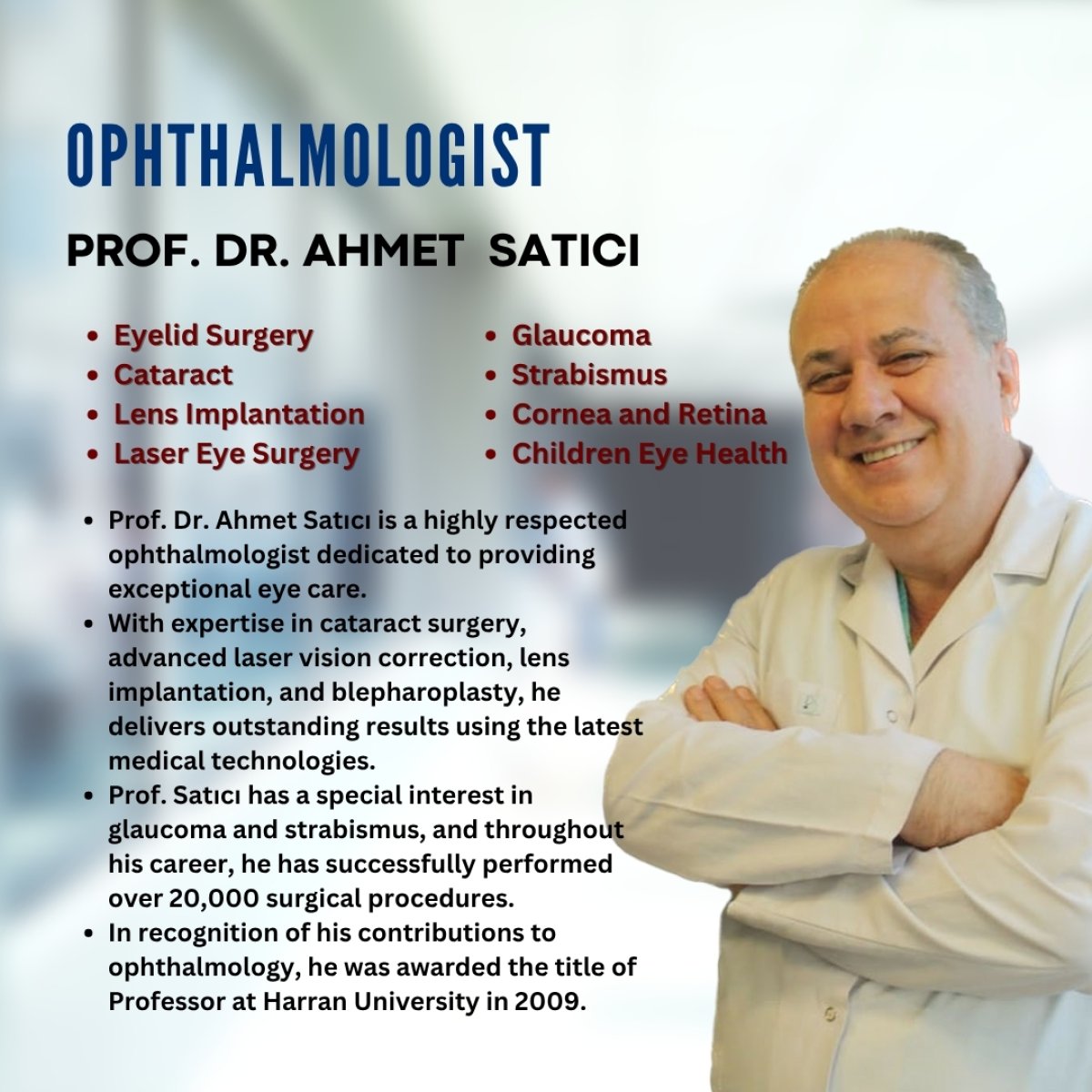
- زراعة الحلقات: يقوم متخصصون مثل الدكتور أحمد ساتيجي بإدخال حلقات على شكل هلال لإعادة تشكيل القرنية.
- رأب القرنية المتقدم: تستبدل التقنيات الحديثة مثل DALK و DSEK طبقات القرنية التالفة بشكل محدد.
- الحلقات داخل القرنية: تعد حلقات فيرارا خيارات شائعة لتسطيح شكل القرنية المخروطي.
رؤية خبير Bookimed: يوفر الجراحون ذوو الخبرة العالية في تركيا ميزة أمان كبيرة للإجراءات المعقدة للعين. على سبيل المثال، أجرى الدكتور أحمد ساتيجي أكثر من 20,000 عملية جراحية. هذا المستوى من التكرار حيوي لوضع حلقات القرنية. تتضمن معظم الباقات المميزة لعمليات الزرع أيضًا إقامة فندقية لمدة 5 أيام لضمان الشفاء الأولي المناسب قبل السفر.
إجماع المرضى: غالبًا ما يؤكد المرضى على الارتياح لوجود مترجم أثناء فحوصات العين المعقدة. يلاحظ الكثيرون أن النهج المشترك للربط المتقاطع مع شرائح الحلقات قلل بشكل كبير من اعتمادهم على النظارات السميكة.
هل تصحيح النظر بالليزر مثل الليزك آمن لحالة القرنية المخروطية؟
تصحيح النظر بالليزر مثل الليزك ليس آمناً لحالة القرنية المخروطية. هذا الإجراء يقوم بترقيق القرنية، مما يضعف بشدة بنية العين الهشة بالفعل. كما أنه يزيد بشكل كبير من خطر الإصابة بتوسع القرنية بعد الليزك. تعطي بروتوكولات السلامة في تركيا الأولوية لعلاجات التثبيت البديلة على إعادة التشكيل بالليزر الاختياري.
- المخاطر الهيكلية: إزالة أنسجة القرنية تؤدي إلى تفاقم البروز المميز للقرنية المخروطية.
- البديل الأساسي: يعمل الربط المتقاطع للقرنية (CXL) على تقوية القرنية لوقف تقدم المرض.
- إعادة التأهيل البصري: توفر غرسات حلقات القرنية المتخصصة أو العدسات الصلبة تصحيحاً بصرياً أكثر أماناً.
- الخيار الجراحي: تُخصص عمليات زراعة القرنية للحالات المتقدمة التي تعاني من ندبات شديدة.
رؤية خبير Bookimed: غالباً ما يغفل المرضى أن مراكز طب العيون التركية تتخصص في البروتوكولات الهجينة بدلاً من الجراحات الفردية. على سبيل المثال، يقوم جراحون مثل الدكتور أحمد ساتيجي، الذي أجرى أكثر من 20,000 عملية، بدمج طبوغرافيا القرنية التشخيصية مع الربط المتقاطع بشكل متكرر. تظهر البيانات أن المراكز ذات الحجم الكبير مثل مستشفى دنيغوز للعيون تخدم 66,000 مريض سنوياً وتعطي الأولوية للاستقرار قبل التفكير في أي إجراءات انكسارية.
إجماع المرضى: يشير المرضى إلى أنه من الضروري تجنب العيادات منخفضة التكلفة التي لا تجري قياس سماكة القرنية (Pachymetry) بشكل شامل. يؤكد أولئك الذين عولجوا في مراكز مثل عيادات فيني فيدي للعيون أنه على الرغم من تقييد الليزر، فإن الرعاية المنسقة
لماذا يختار العديد من المرضى تركيا لعلاج القرنية المخروطية؟
يختار المرضى تركيا لعلاج القرنية المخروطية لأنها توفر وصولاً فورياً إلى متخصصين ذوي أحجام جراحية عالية. غالباً ما يجري أطباء العيون الأتراك أكثر من 1000 إجراء سنوياً. تحافظ مرافق مثل مستشفى ميموريال شيشلي ومستشفى دنياغوز للعيون على اعتمادات JCI و ISO مع استخدام تقنيات طبوغرافيا القرنية المتقدمة.
- جراحون خبراء: أجرى متخصصون مثل الدكتور أحمد ساتيجي أكثر من 20,000 جراحة عيون ناجحة.
- إجراءات متقدمة: تقدم العيادات تقنية تثبيت القرنية (Cross-linking)، وزراعة الحلقات داخل القرنية، وعمليات ترقيع DSEK أو DMEK.
- وصول سريع: توفر معظم المستشفيات تخطيطاً فورياً للعلاج بدون قوائم انتظار للمرضى الدوليين.
- رعاية شاملة: تشمل العديد من الباقات الفحوصات قبل الجراحة، وفحوصات المتابعة، والمساعدة اللغوية، وخدمات النقل من وإلى المطار بسيارات VIP.
رؤية خبير Bookimed: بينما يبحث الكثيرون عن أقل سعر، تكمن القيمة الحقيقية في تركيا في التخصص السريري العميق. على سبيل المثال، وثق الدكتور سميح أورفاسيزوغلو أكثر من 35,000 حالة، وهو ما يقرب من ثلاثة أضعاف حجم عمل العديد من المتخصصين الغربيين طوال حياتهم المهنية. يسمح هذا الحجم الهائل للمراكز التركية بتحسين بروتوكولات دقيقة موجهة بالطبوغرافيا والتي تحسن بشكل كبير نتائج حدة البصر.
إجماع المرضى: يؤكد المرضى على أهمية وجود مترجم في الموقع مثل أولغا أو جان للمساعدة في التعامل مع أوقات الانتظار الطويلة للمواعيد. يوصون بإحضار فحوصاتك المحلية لمقارنتها بطبوغرافيا العيادة للحصول على أدق تشخيص.
هل سأظل بحاجة إلى نظارات أو عدسات لاصقة بعد إجراء الربط المتقاطع للقرنية (Corneal Cross-linking)؟
من المحتمل أنك ستظل بحاجة إلى نظارات أو عدسات لاصقة بعد إجراء الربط المتقاطع للقرنية. يهدف الإجراء بشكل أساسي إلى تثبيت القرنية لوقف تطور القرنية المخروطية بدلاً من تصحيح الرؤية. على الرغم من أن بعض المرضى يلاحظون تحسنًا طفيفًا مع انتظام سطح القرنية، إلا أن معظمهم يحتاجون إلى تصحيح مستمر للحصول على رؤية واضحة ومثالية.
- هدف التثبيت: وقف تطور المرض بدلاً من استعادة الرؤية الطبيعية المثالية.
- متطلبات التصحيح: يستمر معظم المرضى في استخدام النظارات أو العدسات اللاصقة الصلبة المتخصصة.
- استقرار الرؤية: يتم تقييم النتائج النهائية واستقرار الوصفة الطبية عادةً بعد 3 أشهر.
- ملاءمة أفضل للعدسات: سطح القرنية الأكثر نعومة يجعل العدسات اللاصقة أكثر راحة في كثير من الأحيان.
رؤية خبير Bookimed: تُظهر بياناتنا أن العيادات التركية تجمع بشكل متكرر بين الربط المتقاطع وتدخلات أخرى. على سبيل المثال، أجرى الدكتور أحمد ساتيجي أكثر من 20,000 عملية ويقدم زراعة حلقات القرنية جنبًا إلى جنب مع التثبيت. اختيار عيادة توفر كلاهما يمكن أن يحسن النتائج البصرية بما يتجاوز ما يحققه الربط المتقاطع وحده.
إجماع المرضى: يلاحظ المرضى ويؤكدون أن الرؤية تظل ضبابية أو غير واضحة لعدة أشهر. ويشددون على أهمية تخصيص ميزانية لتركيب عدسات جديدة فقط بعد استقرار القرنية تمامًا.
كم تستغرق فترة التعافي البصري بعد جراحة القرنية المخروطية في تركيا؟
تستغرق فترة التعافي البصري بعد جراحة القرنية المخروطية في تركيا عمومًا من 3 إلى 12 شهرًا لتحقيق الاستقرار الكامل. بينما يحقق العديد من المرضى رؤية وظيفية في غضون أسبوع إلى أسبوعين، تعتمد الجداول الزمنية المحددة على الإجراء. تؤكد الفحوصات التشخيصية مثل طبوغرافيا القرنية النتائج النهائية بعد 3 أشهر.
- تثبيت القرنية (Cross-linking): تعود الرؤية الوظيفية في غضون أسبوع إلى أسبوعين. يستغرق الاستقرار الكامل 12 شهرًا.
- زراعة حلقات القرنية: تتحسن الرؤية في غضون 3 أيام. يحدث الاستقرار على مدى 3 إلى 6 أشهر.
- زراعة القرنية: يستغرق الشفاء الأولي عدة أسابيع. يتطلب التعافي البصري الكامل من 6 إلى 18 شهرًا.
- الرعاية بعد العملية: يستخدم المرضى قطرات مضادة حيوية ويرتدون واقيات للعين لمدة أسبوعين على الأقل.
رؤية خبير Bookimed: يستخدم الجراحون الأتراك ذوو الخبرة العالية مثل الدكتور أحمد ساتيجي، الذي أجرى أكثر من 20,000 إجراء، طبوغرافيا القرنية بشكل متكرر لمتابعة التعافي. تظهر بياناتنا أن باقات زراعة القرنية في المستشفيات المعتمدة من JCI تشمل غالبًا إقامة فندقية لمدة 5 أيام. هذه الفترة ضرورية للمتابعة الحرجة في الأسبوع الأول قبل العودة إلى الوطن.
إجماع المرضى: يشير المرضى إلى أنه على الرغم من أن الحساسية للضوء شائعة خلال الأيام الثلاثة الأولى، إلا أن وضوح الرؤية يبدأ في الاستقرار بحلول الشهر الأول. يؤكد معظمهم أن الالتزام بجدول القطرات الصارم أمر حيوي لعملية تعافي سلسة.
ما هي المدن التي توفر أعلى تركيز للمراكز المعتمدة لعلاج القرنية المخروطية؟
تمتلك إسطنبول أعلى تركيز للمراكز المعتمدة لعلاج القرنية المخروطية في تركيا. تتميز هذه المدينة بالعديد من المرافق المعتمدة من قبل اللجنة الدولية المشتركة (JCI) والمتخصصة في رعاية القرنية المتقدمة. كما توفر مواقع مثل أنطاليا عيادات متخصصة تقدم تقنيات الربط المتقاطع (cross-linking) وزراعة حلقات القرنية في بيئات معتمدة من ISO.
- اعتمادات المستشفيات: تحافظ المراكز في إسطنبول على شهادات JCI و ISO للسلامة الدولية.
- التقنيات المتخصصة: تجري العيادات تقنيات DSEK و DMEK المتقدمة لعمليات زراعة القرنية المعقدة.
- خبرة الجراحين: أجرى كبار المتخصصين مثل الدكتور أحمد ساتيجي أكثر من 20,000 إجراء.
- حجم المرضى: تخدم مستشفيات العيون الرئيسية في إسطنبول أكثر من 60,000 مريض دولي ومحلي سنويًا.
رؤية خبير Bookimed: بينما تعد إسطنبول المركز الرئيسي، فإن أنطاليا تعد بديلاً قويًا لرعاية القرنية. تظهر البيانات أن عيادات أنطاليا مثل Dunyagoz تخدم 30,000 مريض سنويًا بمعدلات رضا عالية. غالبًا ما توفر هذه المراكز الإقليمية نفس الخبرة المتخصصة الموجودة في إسطنبول ولكن مع أوقات انتظار أقصر للاختبارات التشخيصية.
إجماع المرضى: يشير المرضى إلى أنه من المهم التأكد من توفر مترجم يتحدث الإنجليزية قبل الوصول. يؤكد العديد من المسافرين أن سرعة التشخيص في المدن التركية الكبرى تسمح بعلاج أسرع بكثير مما هو عليه في بلدانهم الأصلية.