علاج القرنية المخروطية في تايلاند: 2 مستشفيات


تمت مراجعة المقالة طبيا من قبل
فهد مولود
كيف نعمل؟
ما هي تكلفة القرنية المخروطية إجراءات التشخيص والعلاج في تايلاند؟ اعرف الآن
تتراوح تكلفة علاج القرنية المخروطية في تايلاند بشكل عام بين $2,500 / 85,000฿ و $6,500 / 221,000฿ اعتماداً على المرحلة السريرية والنهج العلاجي المتبع. من $80 / 2,700฿. تعتمد التكاليف الإجمالية على مستوى المستشفى ومصدر الأنسجة، وعادة ما توفر وفورات تتراوح بين 60-80% مقارنة بالولايات المتحدة. وتعد بانكوك المركز الرئيسي لهذه الإجراءات.
تكاليف علاج القرنية المخروطية النموذجية في تايلاند
- الفحص الطبي للعيون: من $80 / 2,700฿
- تثبيت القرنية (CCL) (للعين الواحدة): من $2,500 / 85,000฿
- زراعة حلقات القرنية: $2,000 / 68,000฿ – $2,800 / 95,200฿
- زراعة القرنية: $4,300 / 146,200฿ – $6,500 / 221,000฿
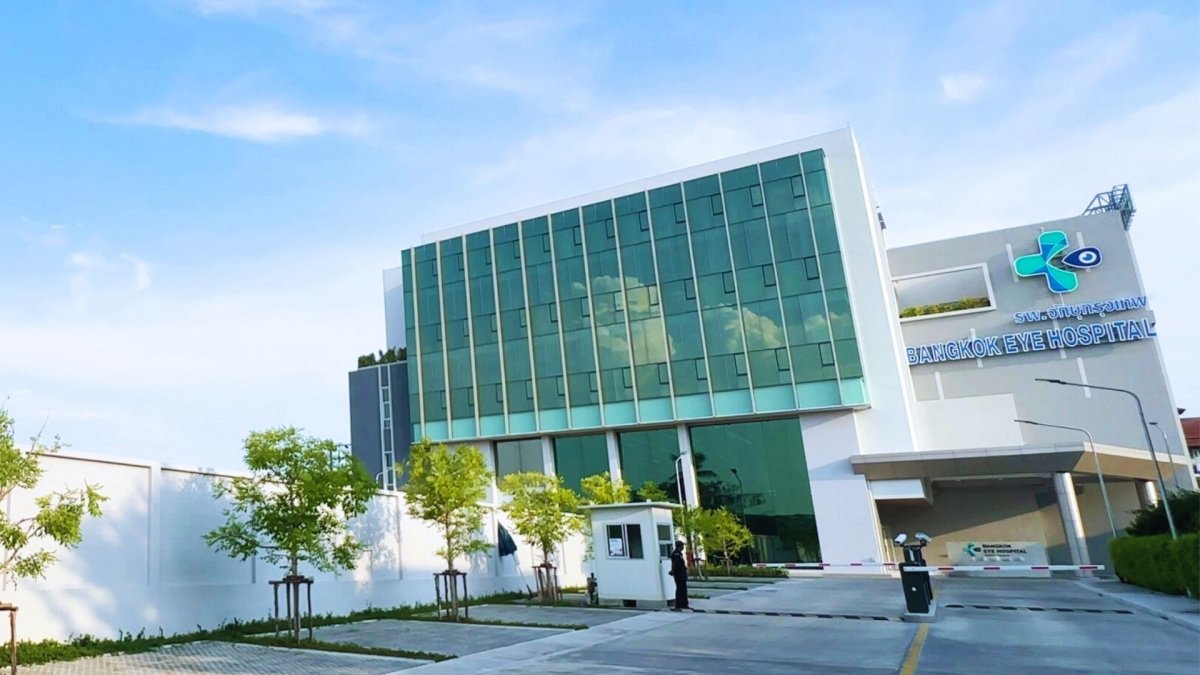
رؤية خبراء Bookimed: يجب على المرضى الذين يعانون من تطور القرنية المخروطية إعطاء الأولوية للمراكز الحاصلة على اعتماد اللجنة الدولية المشتركة (JCI) مثل مستشفى بامرونجراد الدولي. تستقبل هذه المنشأة مليون مريض سنوياً وتضم متخصصين مثل الدكتور تيرافي هونجيوك. بالنسبة لأولئك الذين يحتاجون إلى خبرة متقدمة في تصحيح الإبصار، يوفر مركز ليزر فيجن في مستشفى بانكوك للعيون أقساماً متخصصة تركز على تصحيح القرنية. توفر هذه المراكز الخاصة المتميزة وصولاً أسرع إلى أنسجة المتبرعين لعمليات الزرع مقارنة بالمرافق العامة.
| تايلاند | تركيا | إسبانيا | |
|---|---|---|---|
| زرع حلقات ضمن القرنية | ≈ $2,000 / 68,000฿ | من $1,900 / 64,600฿ | من $3,800 / 129,200฿ |
| زرع القرنية | ≈ $4,300 / 146,200฿ | من $6,000 / 204,000฿ | من $8,400 / 285,600฿ |
| ربط القرنية (CCL) (عين واحدة) | من $2,500 / 85,000฿ | من $1,500 / 51,000฿ | من $2,400 / 81,600฿ |
اكتشف أفضل القرنية المخروطية العيادات في تايلاند: 2 خيارات معتمدة والأسعار







احصل على تقييم طبي لـ في تايلاند. استشر الآن 10 أطباء ذوي الخبرة.
عرض جميع الأطباء
Pichit Naripthaphan
الدكتور بيشيت ناريبثافان هو طبيب عيون في مركز TRSC الدولي للعيون والرؤية في بانكوك. وهو رئيس نادي جراحة المياه البيضاء (الكاتاراكت) وجراحة تصحيح الإبصار في تايلاند. يتخصص الدكتور ناريبثافان في تصحيح الرؤية، بما في ذلك عمليات الليزك، وReLEx SMILE، وجراحة المياه البيضاء. وهو حاصل على شهادة في جراحة تصحيح الإبصار من أتلانتا، جورجيا.
- شغل منصب رئيس مركز الليزك في مستشفى راجويثي.
- أكمل زمالة بحثية في الشبكية والجسم الزجاجي في كلية الطب بجامعة جنوب كاليفورنيا (USC).
- يعالج ا

Sumet Supalaset
يتخصص الدكتور سوميت سوبالاسيت في جراحة القرنية والانكسار المتقدمة لعلاج القرنية المخروطية في مستشفى إنتارات، مع تدريب دولي في لندن واليابان وجامعة كاليفورنيا في لوس أنجلوس (UCLA).
- حاصل على شهادة في جراحة تصحيح الإبصار مع خبرة في عمليات الليزك، والابتسامة (SMILE)، وزراعة القرنية
- نشر العديد من الأوراق البحثية حول أمراض القرنية ونتائج جراحة تصحيح الإبصار
- محاضر سابق في مستشفى تشولابورن، أكاديمية تشولابورن الملكية
- يجيد اللغات التايلاندية والإنجليزية والصينية واليابانية

Anun Vongthongsri
أول طبيب عيون من تايلاند وجنوب شرق آسيا يكمل زمالة سريرية في جراحة القرنية وتصحيح الإبصار في مركز العيون بجامعة واشنطن. يقود الدكتور فونجثونجسرى قسم جراحة القرنية وتصحيح الإبصار في مستشفى راماتيبودي.
- أجرى آلاف عمليات الليزك وجراحات الليزر السطحية
- مدير برنامج الزمالة لجراحة القرنية وتصحيح الإبصار
- المؤسس والمدير الطبي لمركز ليزر فيجن
- حاصل على شهادة في جراحة تصحيح الإبصار – رائد معترف به في هذا المجال

Ponpawee Jindarak
الدكتور جينداراك هو طبيب عيون متخصص في علاج الجلوكوما ورعاية العيون، ويمارس عمله في مستشفى إنتارارات.
- تخرج من كلية الطب بجامعة شولالونغكورن
- أكمل زمالة سريرية دولية في الجلوكوما في جامعة إلينوي، شيكاغو
- حاصل على شهادة في طب العيون من جامعة شولالونغكورن
- متخصص في تشخيص وعلاج حالات العين والرؤية
مشاركة المحتوى
قصص فيديو من مرضى Bookimed
 Anna Leonova
أسئلة متكررة حول علاج القرنية المخروطية في تايلاند
ما هي أفضل المستشفيات تقييماً لعلاج القرنية المخروطية في تايلاند؟
تشمل المستشفيات الأعلى تقييماً لعلاج القرنية المخروطية في تايلاند مستشفى بامرونجراد الدولي (Bumrungrad International Hospital) ومركز ليزر فيجن (Laser Vision) في مستشفى بانكوك للعيون. تتخصص هذه المرافق في رعاية القرنية المتقدمة. وهي تقدم علاجات مثل ربط كولاجين القرنية وجراحة زراعة القرنية. تحتفظ معظم العيادات الرائدة باعتماد اللجنة الدولية المشتركة (Joint Commission International) للسلامة.
- بامرونجراد الدولي: يعالج 1,000,000 مريض سنوياً باستخدام التصوير الرقمي المتقدم والذكاء الاصطناعي.
- ليزر فيجن: متخصص حصرياً في رعاية العيون منذ عام 1998 للمرضى الدوليين.
- مستشفى إنتارارات: يضم متخصصين مثل الدكتور سوميت سوبالاسيت لعمليات زراعة القرنية المعقدة.
- خبرة المتخصصين: الدكتور أنون فونجثونجسرى هو رائد في جراحة الانكسار والقرنية.
رؤية خبير Bookimed: بينما يختار الكثيرون مراكز كبيرة متعددة التخصصات، توفر العيادات المتخصصة مثل ليزر فيجن كثافة أعلى من خبراء طب العيون. يركز هؤلاء الأطباء المتخصصون البالغ عددهم 13 طبيباً فقط على صحة العين. غالباً ما يؤدي هذا إلى رعاية أكثر تخصيصاً لحالات معينة مثل القرنية المخروطية مقارنة بالمستشفيات العامة. يظل بامرونجراد الدولي أيضاً رائداً عالمياً، حيث يخدم مرضى من أكثر من 190 دولة.
إجماع المرضى: يقدر المرضى البيئة الدولية في مستشفيات بانكوك حيث يتحدث الموظفون لغات متعددة. وغالباً ما يشيرون إلى أهمية اختيار العيادات التي تتضمن تحقيقات تشخيصية مفصلة قبل الجراحة.
ما هي خيارات العلاج المتقدمة المتاحة في تايلاند؟
تقدم تايلاند تدخلات متقدمة لعلاج القرنية المخروطية بما في ذلك الربط المتقاطع للقرنية (Cross-linking)، وزراعة حلقات Intacs، وزراعة القرنية المتخصصة. توفر المرافق الكبرى المعتمدة من قبل JCI في بانكوك تشخيصات تعتمد على الذكاء الاصطناعي وجراحات العيون بمساعدة الروبوت. تضم هذه المراكز متخصصين مدربين دولياً يركزون على تثبيت القرنية وتحسين حدة البصر.
- تثبيت العين: يعمل الربط المتقاطع للقرنية (CCL) على تقوية ألياف الكولاجين لوقف تطور الحالة.
- تصحيح الرؤية: تتضمن زراعة حلقات القرنية وضع شرائح لتسطيح أشكال القرنية غير المنتظمة.
- الحلول الجراحية: تتوفر زراعة القرنية للحالات المتقدمة التي تعاني من ندبات شديدة.
- التشخيص الدقيق: تستخدم الفحوصات العيون الآلية التصوير الرقمي لرسم خرائط دقيقة للقرنية.
رؤية خبير Bookimed: تخدم العيادات في بانكوك مثل مستشفى بامرونجراد الدولي أكثر من مليون مريض سنوياً. يدعم حجم عملهم الكبير أقساماً متخصصة تفتقر إليها معظم المستشفيات العامة. بالنسبة للقرنية المخروطية، ابحث عن جراحين مثل الدكتور سوميت سوبالاسيت الذين لديهم زمالات دولية متعددة. تدريبه في الولايات المتحدة واليابان والمملكة المتحدة يضمن الوصول إلى المعايير العالمية. غالباً ما تدمج المراكز ذات الحجم الكبير الذكاء الاصطناعي والتصوير الرقمي بشكل أسرع من العيادات الخاصة الصغيرة.
إجماع المرضى: يشير المرضى إلى أن الربط المتقاطع للقرنية هو الخيار القياسي المتاح في بانكوك. بينما يبحث البعض عن خيارات في أماكن أخرى بسبب التكلفة، يقدر الكثيرون سهولة اس
كم من الوقت يجب أن أخطط للبقاء في تايلاند للتعافي؟
يجب على المرضى التخطيط للبقاء في تايلاند لمدة 10 إلى 14 يومًا بعد علاج القرنية المخروطية. يسمح هذا الإطار الزمني للجراحين بمراقبة الشفاء الأولي وإجراء فحوصات المتابعة الأساسية. يحصل معظم المسافرين على تصريح بالطيران بمجرد استقرار سطح القرنية وتأكيد التئام الظهارة.
- مدة الإجراء: تتطلب معظم تدخلات القرنية المخروطية مثل الربط المتقاطع للقرنية (CXL) من 60 إلى 90 دقيقة.
- الإقامة في المستشفى: معظم الإجراءات تتم في العيادات الخارجية، على الرغم من أن العيادات المعتمدة من JCI توفر غرف تعافي للمبيت.
- المتابعة الأولى: يقوم الجراحون عادةً بجدولة الفحص الأول في غضون 24 إلى 48 ساعة بعد العملية.
- تصريح الطيران: الرؤية المستقرة وضغط العين الخاضع للرقابة ضروريان قبل الشروع في رحلات الطيران الطويلة.
رؤية خبير Bookimed: تعطي المراكز الطبية التايلاندية مثل مستشفى بامرونجراد الدولي وLaser Vision Bangkok الأولوية لفترات المراقبة الممتدة. في حين تسمح بعض المناطق بالسفر في غضون 4 أيام، تظهر بياناتنا أن المتخصصين التايلانديين غالبًا ما يتطلبون 7 إلى 10 أيام في الموقع. يضمن هذا الوقت الإضافي قدرة الأطباء على إدارة التئام الظهارة قبل أن تواجه تغيرات في ضغط المقصورة أثناء رحلتك.
إجماع المرضى: يشير المرضى إلى أنه من المهم البقاء لمدة 10 أيام على الأقل للتعامل مع الرؤية الضبابية الأولية والحساسية للضوء بشكل مريح. يوصون بحجز فندق على مسافة قريبة من العيادة لتقليل ضغوط السفر خلال الأسبوع الأول من التعافي.
هل هناك انتظار طويل للحصول على أنسجة قرنية من متبرع؟
يواجه المرضى الذين يبحثون عن علاج القرنية المخروطية في تايلاند عمومًا فترات انتظار أقصر للحصول على أنسجة قرنية من متبرعين مقارنة بالعديد من الدول الغربية. على الرغم من أن توافر المتبرعين يتقلب، إلا أن المستشفيات التايلاندية الخاصة غالبًا ما تحصل على الطعوم من بنوك العيون المحلية أو الدولية في غضون بضعة أسابيع للعمليات المجدولة.
- مصادر المتبرعين: تأتي الأنسجة من الصليب الأحمر التايلاندي وبنوك العيون العالمية المعتمدة.
- الجاهزية الجراحية: تمتلك العيادات المتخصصة مثل Laser Vision أو Bumrungrad أقسامًا مخصصة لطب العيون.
- تنوع العلاج: يعطي الجراحون الأولوية لتقنيات أقل توغلاً مثل تثبيت القرنية (Corneal Cross Linking) أو الحلقات لتأجيل الزراعة.
- الإطار الزمني المعتاد: يتم جدولة معظم إجراءات القرنية غير الطارئة في غضون أسبوعين إلى أربعة أسابيع.
رؤية خبير Bookimed: توفر المراكز الطبية التايلاندية ميزة هيكلية فريدة لعلاج القرنية المخروطية. غالبًا ما تجري عيادات مثل Bumrungrad و Laser Vision أكثر من 1000 إجراء للعين سنويًا. يسمح لهم حجم المرضى الكبير والاعتمادات الدولية مثل JCI بالحفاظ على أولوية الوصول إلى أنسجة متبرعين عالية الجودة من موردين إقليميين متعددين. تتجاوز استراتيجية تعدد المصادر هذه بفعالية قوائم الانتظار الطويلة التي غالبًا ما تظهر في أنظمة الصحة العامة.
إجماع المرضى: غالبًا ما يذكر المرضى مدى سرعة انتقالهم من الاستشارة الأولية إلى غرفة العمليات. يلاحظ العديد من المسافرين أنهم شعروا بالارتياح لأن تنسيق أنسجة المت