القرنية المخروطية العلاج في ألمانيا - التكاليف 2026


تمت مراجعة المقالة طبيا من قبل
فهد مولود
ما هي تكلفة القرنية المخروطية إجراءات التشخيص والعلاج في ألمانيا؟ اعرف الآن
من $150
تكاليف علاج القرنية المخروطية النموذجية في ألمانيا
- فحص العيون التشخيصي: من $150
- تثبيت القرنية (CCL) (للعين الواحدة): من $1,500
- زراعة حلقات القرنية: من $2,500
- زراعة القرنية: من $6,800
رؤية خبراء Bookimed: بالنسبة للمراحل المبكرة من القرنية المخروطية، توفر تقنيات الليزر طفيفة التوغل في مراكز متخصصة مثل عيادة EuroEyes نتائج ممتازة. يستفيد المرضى الذين يحتاجون إلى تدخل متقدم من عيادة البروفيسور أولريش شالر في ميونخ، والتي تسجل معدلات نجاح عالية. الحالات المتقدمة التي تتطلب زراعة قرنية تشمل غالبًا إقامة لعدة أيام في مستشفى أسكليبيوس بارمبيك (Asklepios Hospital Barmbek) لضمان التعافي الأمثل. إن اختيار المرافق الحاصلة على اعتماد JCI أو شهادة ISO يضمن الالتزام بأعلى المعايير الطبية الألمانية.
| تركيا | إسبانيا | ألمانيا | |
|---|---|---|---|
| زرع حلقات ضمن القرنية | من $1,900 | من $3,800 | من $2,500 |
| زرع القرنية | من $6,000 | من $10,000 | من $6,800 |
| ربط القرنية (CCL) (عين واحدة) | من $1,400 | من $2,400 | من $1,500 |
مزاياك وضماناتك مع Bookimed
أسعار مباشرة
Bookimed لا يضيف رسوماً إضافية على أسعار علاج القرنية المخروطية. الأسعار مأخوذة من قوائم الأسعار الرسمية للعيادات. تدفع مباشرة في العيادة مقابل علاجك عند وصولك إلى البلد.
عيادات وأطباء معتمدون فقط
Bookimed ملتزم بسلامتك. نحن نعمل فقط مع المؤسسات الطبية التي تحافظ على معايير دولية عالية في علاج القرنية المخروطية ولديها التراخيص اللازمة لخدمة المرضى الدوليين في جميع أنحاء العالم.
مساعدة مجانية على مدار الساعة
Bookimed يقدم مساعدة خبراء مجانية. منسق طبي شخصي يدعمك قبل وأثناء وبعد العلاج، ويحل أي مشاكل. لن تكون وحيداً أبداً في رحلة علاج القرنية المخروطية.

منسقك الطبي الشخصي في Bookimed
- يدعمك في كل مرحلة
- المساعدة في اختيار العيادة الطبية المناسبة والطبيب المناسب
- يضمن الوصول السريع والمريح إلى المعلومات
اكتشف أفضل القرنية المخروطية العيادات في ألمانيا: 7 خيارات معتمدة والأسعار

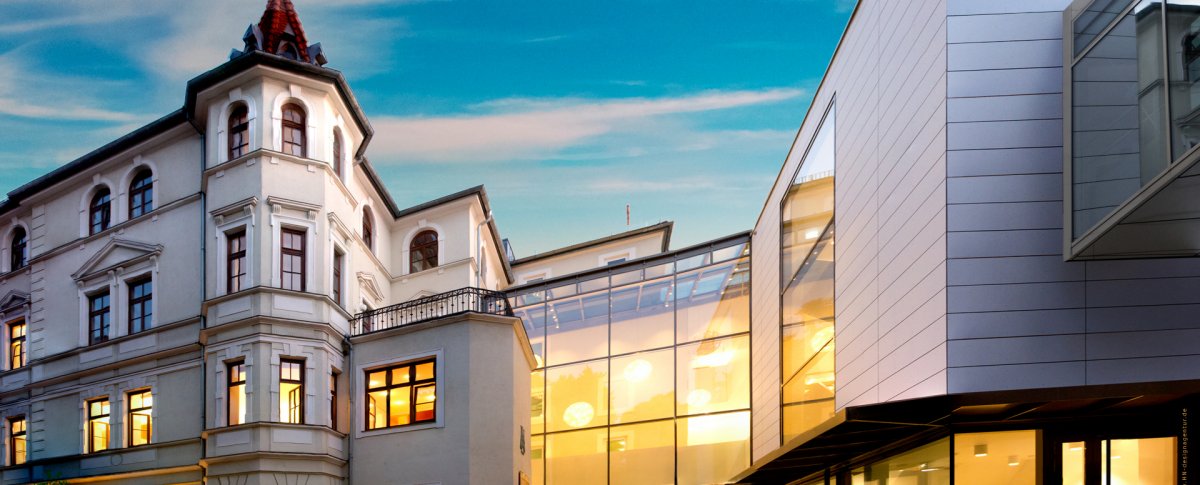
Eye Surgeries Professor Schaller's Private Practice in Eye Clinic of Herzog Carl Theodor-Munich


Spreebogen Ophthalmology Clinic




Lippe Detmold Clinic


احصل على تقييم طبي لـ في ألمانيا. استشر الآن 6 أطباء ذوي الخبرة.
عرض جميع الأطباء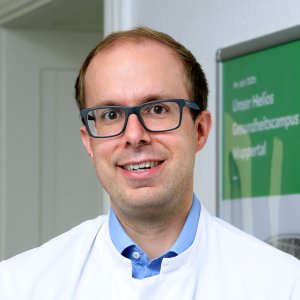
André Rosentreter Chief Of Ophthalmology
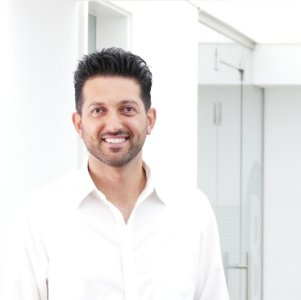
Kadir Kocadag
Dr. med. Kadir Kocadag طبيب عيون معتمد من البورد الألماني. تدرّب في جامعة دويسبورغ-إسن ومستشفى العيون الجامعي في إسن تحت إشراف البروفيسور Bornfeld والبروفيسور Steuhl. شغل منصباً سريرياً قيادياً تركز عمله على أمراض البقعة والشبكية وأورام العين، ويتمتّع بخبرة في جراحات تصحيح الإبصار والعلاجات الليزرية العينية.
عمل مستشاراً في مستشفى إليزابيث بإسن. ومنذ عام 2015 يمارس عمله في زولينغن وكولونيا، ويقدّم الاستشارات أيضاً في المستشفى البلدي بزولينغن (Städtisches Klinikum Solingen). تناولت أطرو
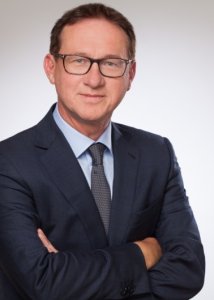
Randolf Widder
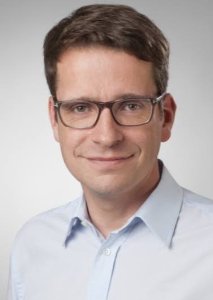
Gernot Rößler
مشاركة المحتوى
قصص فيديو من مرضى Bookimed
 Anna Leonova
أسئلة متكررة حول علاج القرنية المخروطية في ألمانيا
هل يتوفر الربط المتقاطع للقرنية (CXL) في ألمانيا، وما مدى فعاليته في إيقاف تطور القرنية المخروطية؟
يتوفر الربط المتقاطع للقرنية على نطاق واسع في ألمانيا. وقد نشأ من بروتوكول دريسدن الذي تم تطويره في جامعة دريسدن التقنية. يوقف هذا العلاج تطور القرنية المخروطية بفعالية في 90% إلى 95% من الحالات. ويستخدم الريبوفلافين وضوء الأشعة فوق البنفسجية لتقوية ألياف الكولاجين في القرنية.
- أهداف العلاج: يحافظ التثبيت على الرؤية الحالية ويمنع الحاجة إلى عمليات زرع القرنية.
- نتائج الرؤية: يعاني حوالي 60% إلى 81% من المرضى من تحسن طفيف في الرؤية أو تسطح القرنية.
- متانة مثبتة: تظهر البيانات السريرية طويلة المدى أن تأثيرات التثبيت يمكن أن تستمر لمدة 10 سنوات أو أكثر.
- بروتوكولات متقدمة: تقدم العيادات الألمانية بروتوكولات تقليدية (epi-off)، و(epi-on)، وبروتوكولات التعرض للأشعة فوق البنفسجية المتسارعة لمدة 10 دقائق.
رؤية خبير Bookimed: توفر ألمانيا كثافة فريدة من مراكز العيون المتخصصة مثل عيادة أسكليبيوس نورد (Asklepios Nord) وEuroEyes. تتعامل هذه المرافق مع أعداد هائلة من المرضى، حيث عالجت EuroEyes وحدها أكثر من 500,000 مريض. يسمح هذا الحجم الكبير للجراحين بتقديم جميع بروتوكولات CXL الثلاثة - epi-on وepi-off والمتسارع - داخل منشأة واحدة. يمكن للمرضى اختيار النهج الذي يناسب جدول تعافيهم وسمك القرنية لديهم.
إجماع المرضى: غالبًا ما يذكر المرضى شعورهم بالارتياح لأن الإجراء يوقف المرض قبل أن يتطلب جراحة غازية. ويشيرون إلى أنه على الرغم من أن أول 24 ساعة قد تكون غير مريحة، إلا أن راحة البال على المدى الطويل لا تقدر بثمن.
ما هي الخيارات الجراحية المتقدمة المتاحة عندما لا تعود العدسات قادرة على تصحيح الرؤية؟
يقدم أطباء العيون الألمان خيارات جراحية متقدمة مثل الربط المتقاطع للقرنية (CXL)، وشرائح الحلقات داخل القرنية (ICRS)، وزراعة العدسات داخل العين (Phakic IOLs) عندما تفشل العدسات التقليدية. تعمل هذه الإجراءات على تثبيت بنية القرنية أو تصحيح أخطاء الانكسار. تستخدم العيادات الحديثة تقنيات موجهة بالتضاريس لاستعادة الوضوح وتجنب الحاجة إلى عمليات زراعة كاملة.
- الربط المتقاطع للقرنية: يستخدم الريبوفلافين وضوء الأشعة فوق البنفسجية لتقوية وتثبيت القرنية.
- شرائح الحلقات داخل القرنية: تعمل غرسات مثل Intacs على تسطيح مخروط القرنية لتقليل الاستجماتيزم غير المنتظم.
- العدسات داخل العين (Phakic IOLs): عدسات لاصقة قابلة للزراعة تصحح الوصفات الطبية العالية مع الحفاظ على العدسة الطبيعية.
- زراعة القرنية: جراحة DALK المتقدمة تستبدل الأنسجة التالفة بمخاطر رفض أقل من الطرق التقليدية.
رؤية خبير Bookimed: تقدم العيادات الألمانية مثل عيادة البروفيسور شالر الخاصة معدلات نجاح عالية من خلال الجمع بين التقنيات. على سبيل المثال، يعكس معدل نجاحهم البالغ 99.8% في إجراءات العدسات ذات الصلة خبرة عالية لأكثر من 13,000 مريض سنوياً. اختيار متخصص مثل الدكتور يورن يورجنسن، الذي أدخل تقنية الليزك إلى هامبورغ، يضمن الوصول إلى بروتوكولات دقيقة للحالات الانكسارية المعقدة.
إجماع المرضى: يشير المرضى إلى أن الجمع بين الربط المتقاطع للقرنية وغرسات الحلقات يمكن أن يحسن الرؤية بشكل كبير، على الرغم من أن الهالات الأولية شائعة. يؤكد الكثيرون على أهمية التصرف مبكراً لتجن
كم من الوقت يحتاج السائح الطبي للبقاء في ألمانيا للتقييم وإجراء الربط المتقاطع (cross-linking)؟
يحتاج السياح الطبيون عادةً إلى إقامة تتراوح من 5 إلى 7 أيام في ألمانيا لإجراء الربط المتقاطع للقرنية. تشمل هذه الفترة الفحص الأولي للعيون، والإجراء نفسه، ومواعيد المتابعة الإلزامية. يجب على المرضى الدوليين البقاء محلياً حتى تبدأ القرنية في الشفاء وتستقر العدسة اللاصقة العلاجية.
- التقييم قبل الجراحة: عادةً ما يتم إجراء فحوصات شاملة للعين وتصوير Pentacam في اليوم الأول.
- مدة العلاج: يستغرق إجراء الربط المتقاطع عادةً ساعة واحدة لكل عين تحت التخدير الموضعي.
- الفحوصات بعد الجراحة: يعد فحص المصباح الشقي (slit-lamp) إلزامياً بعد 24-48 ساعة من الجراحة للتحقق من الشفاء.
- سلامة الطيران: يوصي الأطباء بالانتظار لمدة 7 أيام على الأقل قبل السفر جواً لتجنب جفاف مقصورة الطائرة.
رؤية خبير Bookimed: يمكن للمرضى تحسين إقامتهم من خلال اختيار العيادات ذات الحجم الجراحي المرتفع، مثل عيادة EuroEyes أو عيادة Asklepios Nord. أجرى الدكتور يورن يورغنسن في EuroEyes أكبر عدد من عمليات ICL والعمليات ثلاثية البؤر في أوروبا. غالباً ما يترجم هذا المستوى من الخبرة إلى "بروتوكولات سياحية" أكثر كفاءة يمكنها تكثيف التقييم والعلاج في 3-4 أيام.
إجماع المرضى: يشير المرضى إلى أن البروتوكولات القياسية تتطلب غالباً أسبوعاً كاملاً لمراعاة الحساسية المحتملة للضوء والتورم. ويؤكدون على أهمية وجود بطاقة SIM محلية في متناول اليد للحصول على تحديثات عاجلة من الفريق الجراحي خلال الأيام القليلة الأولى من التعافي.
كيف تتم مراقبة سلامة جراحة زراعة القرنية في ألمانيا؟
تراقب ألمانيا سلامة زراعة القرنية من خلال لوائح فيدرالية صارمة ومراقبة تشخيصية متقدمة. يتم تصنيف أنسجة المتبرع قانونياً كمنتج صيدلاني. وهذا يضمن فحصاً صارماً لمسببات الأمراض وإمكانية التتبع. تستخدم المراكز ذات الحجم الكبير مثل عيادة البروفيسور شالر في ميونيخ مجهراً مرآتياً متخصصاً للتحقق من صحة الطعم قبل الجراحة.
- التنظيم القانوني: تخضع الطعوم لقوانين الأنسجة والأدوية الألمانية لضمان رقابة صارمة.
- فحص المتبرعين: تجري بنوك العيون اختبارات إلزامية لفيروس نقص المناعة البشرية والزهري والتهاب الكبد.
- التحليل المجهري الحيوي: يستخدم المتخصصون المجهر المرآتي لتتبع كثافة الخلايا البطانية بدقة.
- الجدول الزمني لما بعد الجراحة: تتم فحوصات السلامة على فترات 3 و 6 و 12 و 24 شهراً.
رؤية خبير Bookimed: بينما اللوائح الألمانية موحدة، غالباً ما توفر الممارسات الخاصة المتخصصة استمرارية أعلى في الرقابة. في عيادة البروفيسور شالر، يستفيد أكثر من 13,000 مريض سنوياً من خبرة عميقة في زراعة القرنية. توفر العيادات الحاصلة على شهادات ISO أو عمليات تدقيق TÜV NORD DIN EN ISO وثائق أكثر شفافية لأنظمة إدارة الجودة الخاصة بها مقارنة بالمستشفيات العامة. غالباً ما يضمن اختيار مركز يركز بشكل خاص على أمراض القرنية وصولاً أفضل إلى بروتوكولات مراقبة الرفض طويلة المدى.
إجماع المرضى: يلاحظ المرضى أن الفرق الطبية لا تقدم دائماً تفاصيل فحص المتبرعين طواعية. ويوصون بطلب ملخصات مكتوبة لبروتوكولات الرفض وتتبع الخلايا البطانية لضمان طول عمر الطعم على المدى الطويل
ما هي أدلة الجودة التي يجب أن أبحث عنها عند اختيار مركز ألماني لعلاج القرنية المخروطية؟
لتحديد مراكز علاج القرنية المخروطية الألمانية من الدرجة الأولى، ابحث عن المرافق الحاصلة على شهادة ISO 9001 أو TÜV والجراحين الحاصلين على شهادات من الجمعية الألمانية لطب العيون. تستخدم مراكز الجودة تصوير Scheimpflug والتصوير المقطعي للترابط البصري لرسم الخرائط. عادةً ما تحتفظ المستشفيات ذات الحجم الكبير في هامبورغ وميونيخ بأقسام متخصصة لربط القرنية المتقاطع وزراعتها.
- شهادات متخصصة: ابحث عن المرافق المعتمدة من TÜV NORD DIN EN ISO أو JCI.
- أوراق اعتماد الخبراء: جراحون مثل الدكتور أولريش شالر هم أعضاء في الجمعية الألمانية لطب العيون.
- مراكز ذات حجم كبير: تعالج العيادات الرائدة مثل عيادة أسكليبيوس نورد أكثر من 70,000 مريض سنوياً.
- معايير التكنولوجيا: يجب أن تقدم المراكز طبوغرافيا القرنية وتصوير Pentacam Scheimpflug المتقدم.
رؤية خبير Bookimed: في حين تقدم العديد من العيادات العامة خدمات طب العيون، تبرز المراكز المتخصصة مثل EuroEyes أو عيادة البروفيسور شالر من خلال التركيز على جراحات الانكسار والقرنية. تظهر بياناتنا أن الجراحين الألمان الأعلى تقييماً غالباً ما يتمتعون بخبرة تزيد عن 30 عاماً ويجرون عدداً كبيراً من إجراءات ICL والقرنية. إن اختيار عيادة ذات إرث تاريخي، مثل هيرزوغ كارل تيودور-ميونيخ التي تأسست عام 1895، يضمن الوصول إلى بروتوكولات جراحية راسخة.
إجماع المرضى: يؤكد المرضى على أهمية اختيار جراح يقوم بإجراء الاستشارة شخصياً ويوفر خطة متابعة واضحة طويلة الأمد لمدة ستة أشهر على الأقل. ويقترحون التحقق من أن العيادة ت
ما هو الجدول الزمني للتعافي واستقرار الرؤية بعد إجراء CXL؟
يتضمن التعافي من إجراء الربط المتقاطع للقرنية (CXL) في ألمانيا عادةً أسبوعًا واحدًا من الشفاء البدني وثلاثة إلى ستة أشهر لاستقرار الرؤية. غالبًا ما تتقلب حدة البصر أو تتدهور في البداية بسبب ضبابية القرنية المؤقتة. يحقق معظم المرضى وصفة طبية مستقرة وتقوية طويلة الأمد للقرنية في غضون اثني عشر شهرًا.
- الشفاء الأولي: يحدث تجدد الطبقة السطحية عادةً خلال الأيام الثلاثة إلى الخمسة الأولى.
- إدارة الألم: يستمر الانزعاج الأقصى من 24 إلى 48 ساعة، وغالبًا ما يوصف بأنه شعور بوجود رمل في العين.
- تقلب الرؤية: تعد الرؤية الضبابية والحساسية للضوء أمورًا شائعة خلال الأشهر الثلاثة الأولى.
- الاستقرار الكامل: تحدث النتائج البصرية النهائية وتركيب العدسات التصحيحية الجديدة عادةً بعد ستة أشهر.
رؤية خبراء Bookimed: تشير البيانات الواردة من مراكز ألمانية رائدة مثل عيادة EuroEyes وعيادة البروفيسور شالر إلى حجم كبير يتجاوز 13,000 إلى 20,000 مريض سنويًا. يسمح هذا التردد العالي للمتخصصين الألمان بتحسين البروتوكولات بعد الجراحة خصيصًا لإدارة ضبابية القرنية. في حين أن التعافي القياسي هو ستة أشهر، غالبًا ما تستخدم المراكز الحاصلة على اعتمادات ISO و JCI خرائط متقدمة لتتبع الاستقرار بشكل أسرع لدى المرضى الذين تقل أعمارهم عن 25 عامًا.
إجماع المرضى: يؤكد المرضى أن الصبر أمر حيوي لأن الرؤية قد لا تتحسن لعدة أشهر. يوصي الكثيرون بتخزين مسكنات الألم لليومين الأولين وارتداء النظارات الشمسية بصرامة في الخارج لمنع حدوث ضبابية دائمة.
هل سأظل بحاجة إلى عدسات لاصقة بعد إجراء الربط المتقاطع (Cross-linking) أو حلقات القرنية؟
يحتاج معظم المرضى إلى عدسات لاصقة أو نظارات حتى بعد إجراء الربط المتقاطع أو حلقات القرنية في ألمانيا. تعمل هذه الإجراءات بشكل أساسي على تثبيت القرنية بدلاً من تصحيح عيوب الإبصار بالكامل. عادةً ما تحتاج إلى قياسات جديدة بعد 3 إلى 6 أشهر من العملية بمجرد استقرار شكل القرنية.
- هدف الإجراء: يركز الربط المتقاطع على إيقاف تقدم القرنية المخروطية عن طريق تقوية أنسجة القرنية.
- تصحيح الرؤية: تعمل الحلقات داخل السدى على تسطيح بروز القرنية لتحسين التماثل العام.
- التوافق مع العدسات: غالبًا ما تجعل الجراحة العين أكثر تحملاً للعدسات اللاصقة المريحة.
- النتائج البصرية: توفر العدسات الصلبة المنفذة للغاز أو العدسات الصلبة (Scleral) المتخصصة أفضل وضوح بصري.
رؤية خبير Bookimed: تظهر البيانات من مرافق ألمانية رائدة مثل عيادة Asklepios Nord وعيادة EuroEyes أن حجم العمليات الجراحية يرتبط بالدقة في الحالات المعقدة. أجرى الدكتور يورن يورجنسن في EuroEyes أكبر عدد من جراحات ICL والعدسات ثلاثية البؤرة في أوروبا، مما يسلط الضوء على أن كبار المتخصصين الألمان يعطون الأولوية للاستقرار طويل الأمد. في حين أن إجراءات مثل زراعة حلقات القرنية تحسن بشكل كبير من تضاريس القرنية، فإن المراكز ذات الحجم الكبير غالبًا ما تحقق استقرارًا أفضل، مما يجعل تركيب العدسات اللاحق أكثر نجاحًا للمريض.
إجماع المرضى: يذكر المرضى أنه على الرغم من أن هذه الجراحات نادراً ما تلغي الحاجة إلى العدسات تماماً، إلا أنها تجعل ارتداء العدسات الصلبة أو الهجينة أكثر راحة بشكل ملحوظ. يشي
ما هي المستشفيات في ألمانيا التي تحظى بأعلى التقييمات في جراحة الأعصاب؟
تضم ألمانيا بعضًا من أرقى أقسام جراحة الأعصاب في العالم، بقيادة مستشفى شاريتيه الجامعي في برلين ومستشفى جامعة هايدلبرغ. وتتميز هذه المراكز بخبرتها الواسعة في علاج أورام الدماغ المعقدة وأمراض الأوعية الدموية الدماغية. ولتحقيق أقصى قدر من الفعالية في عملياتها، تستخدم هذه المراكز أحدث التقنيات، مثل التصوير بالرنين المغناطيسي أثناء الجراحة والتوجيه العصبي بمساعدة الحاسوب.
- مستشفى شاريتيه برلين: يُجري أكثر من 5000 عملية جراحية سنوياً. ويرأس العيادة جراح الأعصاب الشهير الدكتور بيتر فايكوتشي.
- المركز الطبي في سولينجن: أجرى الدكتور رالف بوهل أكثر من 4000 عملية جراحية، بما في ذلك جراحات العمود الفقري طفيفة التوغل.
- عيادة أسكليبيوس نورد: مجهزة بنظام التصوير بالرنين المغناطيسي الثنائي الوحيد في ألمانيا أثناء الجراحة لضمان الدقة الجراحية في الوقت الحقيقي أثناء إزالة الورم.
- عيادة نوردويست: تم الاعتراف بها من قبل مجلة نيوزويك كمستشفى رائد في مجال الابتكار في تكنولوجيا الموجات فوق الصوتية ثلاثية الأبعاد.
رأي خبراء بوكيمد: تشير البيانات إلى أن اختيار المراكز ذات الحجم الجراحي الكبير غالبًا ما يؤدي إلى توصيات علاجية أكثر تحفظًا. ففي مركز سولينجن الطبي، الذي يعالج أكثر من 60,000 مريض
ما هي نسب نجاح العمليات الجراحية العصبية المعقدة في ألمانيا؟
في ألمانيا، تتميز العمليات الجراحية العصبية بالغة التعقيد بمستوى أمان استثنائي. تصل نسبة نجاح عمليات دمج الفقرات إلى 99%، بينما تبلغ نسبة النجاة بعد استئصال أورام الدماغ الأولية 97%. كما يتمتع المرضى بقدرة عالية على الاعتماد على أنفسهم في أداء وظائفهم اليومية، حيث يغادر أكثر من 82% منهم المستشفى مباشرةً بعد العلاج. وتولي المراكز الألمانية اهتماماً بالغاً بالحفاظ على الوظائف العصبية باستخدام أحدث تقنيات التخطيط العصبي.
- استئصال الورم: يحقق الجراحون استئصالًا كاملاً للورم في 87.2% من حالات النقائل الدماغية.
- النجاح في علاج أمراض الأوعية الدموية: أفادت المستشفيات الألمانية بنسبة نجاة بلغت 98.7% لحالات تمدد الأوعية الدموية غير الممزقة.
- تحسن الحالة العصبية: يشهد ما يقرب من 43% من المرضى تحسناً في المعايير الوظيفية بعد عمليات الاستئصال المعقدة.
- سلامة التدخلات الجراحية: في المراكز الجراحية الكبيرة، تتراوح معدلات بقاء المرضى على قيد الحياة بعد جراحة العمود الفقري بين 98-99%.
رأي خبراء بوكيمد: يُجري جراحون ذوو خبرة، مثل الدكتور أوفه كولر من عيادة أسكليبيوس ألتونا، أكثر من 2000 عملية جراحية سنويًا. تُشير البيانات إلى أن هؤلاء المتخصصين يحافظون على معدلات نجاح تصل إلى 90%، حتى
ما هي التقنيات المتقدمة المتوفرة عادةً في عيادات جراحة الأعصاب الألمانية؟
تُدخل عيادات جراحة الأعصاب الألمانية بانتظام أدوات رقمية عالية الدقة وتقنيات تصوير فوري في الممارسة الجراحية. تشمل التقنيات الرئيسية الملاحة العصبية الحاسوبية لجراحات الدماغ والحبل الشوكي. تستخدم مؤسسات مثل عيادة أسكليبيوس نورد التصوير بالرنين المغناطيسي أثناء الجراحة للتحقق من استئصال الورم في الوقت الفعلي. توفر هذه الأنظمة للجراحين نظام ملاحة ثلاثي الأبعاد.
- الملاحة العصبية: توفر تصورًا ثلاثي الأبعاد وتتبعًا فوريًا للأدوات لتحقيق دقة جراحية تصل إلى مستوى أقل من المليمتر.
- التصوير أثناء العملية: تسمح أنظمة مثل التصوير بالرنين المغناطيسي أثناء العملية (iMRI) والتصوير المقطعي المحوسب ذي الذراع O (O-arm CT) بالتأكيد الفوري على نجاح عملية الاستئصال.
- المراقبة العصبية: تراقب الوظائف الحركية والحسية أثناء الجراحة لحماية الجهاز العصبي.
- التشخيص الفلوري: يتم استخدام صبغة 5-ALA لتسليط الضوء على حدود الورم من أجل إزالته بشكل أكثر اكتمالاً.
- المساعدة الروبوتية: تعمل أنظمة مثل نظام دافنشي على تحسين الدقة في الإجراءات المعقدة ذات التدخل الجراحي البسيط.
رأي خبراء بوكيمد: تُجري مراكز طبية كبيرة، مثل مستشفى شاريتيه الج