ربط القرنية (CCL) (عين واحدة) في ألمانيا: 2 عيادتين


تمت مراجعة المقالة طبيا من قبل
فهد مولود
ما هي تكلفة ربط القرنية (CCL) (عين واحدة) في ألمانيا؟ اكتشف الآن
| تركيا | إسبانيا | ألمانيا | |
|---|---|---|---|
| ربط القرنية (CCL) (عين واحدة) | من $1,500 | من $2,400 | من $1,500 |
مزاياك وضماناتك مع Bookimed
أسعار مباشرة
Bookimed لا يضيف رسوماً إضافية على أسعار ربط القرنية (CCL) (عين واحدة). الأسعار مأخوذة من قوائم الأسعار الرسمية للعيادات. تدفع مباشرة في العيادة مقابل ربط القرنية (CCL) (عين واحدة) عند وصولك.
عيادات وأطباء معتمدون فقط
Bookimed ملتزم بسلامتك. نحن نعمل فقط مع المؤسسات الطبية التي تحافظ على معايير دولية عالية في ربط القرنية (CCL) (عين واحدة) ولديها التراخيص اللازمة لخدمة المرضى الدوليين في جميع أنحاء العالم.
مساعدة مجانية على مدار الساعة
Bookimed يقدم مساعدة خبراء مجانية. منسق طبي شخصي يدعمك قبل وأثناء وبعد العلاج، ويحل أي مشاكل. لن تكون وحيداً أبداً في رحلة ربط القرنية (CCL) (عين واحدة).

منسقك الطبي الشخصي في Bookimed
- يدعمك في كل مرحلة
- المساعدة في اختيار العيادة الطبية المناسبة والطبيب المناسب
- يضمن الوصول السريع والمريح إلى المعلومات
اكتشف أفضل ربط القرنية (CCL) (عين واحدة) العيادات في ألمانيا: 2 خيارات معتمدة والأسعار





نظرة عامة على ربط القرنية (CCL) (عين واحدة) في ألمانيا
- ربط القرنية (CCL) (عين واحدة) - من $1,500
يقوي العلاج القرنية من خلال الأشعة فوق البنفسجية والريبوفلافين ، مما يمنع حالات العين التقدمية.
- رأب القرنية - من $4,800
تُزرع هذه الجراحة أنسجة القرنية ، مما يحسن الرؤية أو يخفف الألم ، وغالبًا ما يتميز بالشفاء السريع مع الحد الأدنى من التندب.
- زرع القرنية - من $6,800
تستبدل هذه الجراحة سطح العين التالف بأنسجة متبرع صحية لتحسين الرؤية أو تخفيف الألم.
- زرع حلقات ضمن القرنية - من $2,500
يتضمن الإجراء وضع حلقات صغيرة في العين لإعادة تشكيل القرنية وتحسين الرؤية والراحة.
اليوم الأول - الوصول
- الوصول إلى البلاد.
- تحقق في مكان إقامتك.
اليوم 2 - ما قبل العملية
- استشارة طبيب عيون.
- قم بإجراء فحوصات العين اللازمة.
- استكمل تفاصيل العملية.
اليوم الثالث - ربط القرنية المتقاطع (CCL)
- يبدأ الإجراء بالتخدير الموضعي.
- تستغرق عملية CCL حوالي ساعة إلى ساعتين.
- فحص ما بعد الجراحة من قبل طبيب العيون.
اليوم 4 - بعد العملية
- البقاء في العيادة للمراقبة.
- احضر استشارة ما بعد العملية.
الأسبوع الأول - إعادة التأهيل
- استرح وتجنب الأنشطة الشاقة.
- حضور مواعيد المتابعة إذا لزم الأمر.
الأسبوع 2
- العودة التدريجية إلى الأنشطة العادية.
- استمر في تجنب النشاط البدني الشاق.
الأسبوع 3 - النتيجة النهائية
- فحص مع طبيب العيون.
- انظر النتيجة النهائية للعملية.
يرجى ملاحظة أن العملية قد تختلف حسب حالة الفرد ونصيحة الطبيب.
- إيداع Bookimed: 200 دولار أو 200 يورو.
- وديعة العيادة: ادفع نسبة محددة مقدمًا.
بصفتها المنصة العالمية الرائدة في مجال السياحة العلاجية ، تلتزم Bookimed.com بتقديم معلومات وخدمات عالية الجودة تتعلق بربط القرنية المتقاطعة (CCL) (عين واحدة) في ألمانيا. تستند جميع المعلومات المقدمة على Bookimed.com إلى البحث والاستبصار والخبرة وتفي بالاهتمام الكبير المتعلق بالمنتج وما يلي:
نظام التصنيف التلقائي الذكي
نحن نشكل قوائمنا للعيادات والأطباء مع اللوائح الصارمة لنظام التصنيف التلقائي الذكي الخاص بنا ، والذي يتضمن أفضل العيادات في ألمانيا التي تقدم Corneal Cross Linking (CCL) (عين واحدة). يعتمد النظام على أسعار Bookimed الحقيقية للمرضى لتوفير المعلومات الأكثر موضوعية وشفافية حول العيادات والخدمات الطبية هناك.
يجمع عالم البيانات ذو الخبرة لدينا البيانات يوميًا ، ويراقب ويحسن نظام التصنيف باستخدام التعلم الآلي والذكاء الاصطناعي لضمان تحديث نظام التصنيف وتقديم نتائج دقيقة.
تجربة الناس الحقيقية فقط
نحن نجمع آراء عملاء Bookimed فقط بعد الحصول على خبرة طبية مع العيادة - لذلك يمكن للجميع على المنصة الوثوق بالمنشأة التي يختارونها. نحن نسعى جاهدين لجعل المحتوى على منصتنا مفيدًا قدر الإمكان ونضمن حرية التعبير عن الآراء النقدية. وبالتالي ، ننشر مراجعات إيجابية وسلبية ، بهدف أن نكون مصدرًا لاتخاذ قرارات مستنيرة لعملائنا في المستقبل ، بما في ذلك أولئك الذين يسعون إلى ربط القرنية المتقاطعة (CCL) (عين واحدة) في ألمانيا.
مواضيع ذات مستويات عالية من الخبرة والسلطة والجدارة بالثقة
على موقع Bookimed.com ، قد تجد الاختيار والراحة للعثور على أفضل الحلول الطبية من كبار مزودي الخدمات الطبية في ألمانيا في مكان واحد فقط ، وغالبًا بأسعار تنافسية. للتأكد من تقديم أحدث المعلومات ، يقوم ممثلو العيادة بتحديث السير الذاتية للأطباء ، وقدرات العيادات ، والصور قبل وبعد ، والأسعار ، والحزم ، والعروض الخاصة بأنفسهم قريبًا. يمكنك مقابلة ممثل العيادة والتحقق من تاريخ المحتوى المحدث في صفحة كل عيادة للتأكد من مصداقيتها ، خاصة لأولئك الذين يقدمون Corneal Cross Linking (CCL) (عين واحدة) في ألمانيا.
تم إنشاء مدونتنا والقطع الداعمة من قبل مؤلفين محترفين يتمتعون بخبرة لا تقل عن 3 سنوات في الكتابة الطبية ويتم تحريرها بواسطة متخصصين طبيين يتمتعون بخبرة إكلينيكية وبحثية ذات صلة - تم تعيينهم جميعًا بعناية في الفريق. نحن نسعى جاهدين لتعزيز وصول المريض إلى المعلومات الصحية ، مما يجعلها خبيرة ولكن يسهل فهمها. تتبع جميع القطع إرشادات التحرير الخاصة بـ Bookimed.
القيم المحجوزة
نحن مصنوعون من الناس ومن أجلهم - وهذه هي قيمتنا الأساسية. هذا هو السبب في أن جميع البيانات المقدمة على المنصة يتم جمعها وتحريرها ومراجعتها وتحديثها بانتظام من قبل مرضانا وعياداتنا الشريكة وفريقنا ، بما في ذلك المجلس الاستشاري الطبي Bookimed ، الذي يتكون من أطباء مشهورين عالميًا يتمتعون بخبرة قيمة في أكثر من 20 عاما من الممارسة وسمعة طيبة. تعلم المزيد عنا وعن مهمتنا .
في حال وجدت أي خطأ أو كان لديك أي أسئلة حول المعلومات المقدمة على Bookimed.com حول Corneal Cross Linking (CCL) (عين واحدة) في ألمانيا ، فلا تتردد في الاتصال بنا على marketing @
احصل على تقييم طبي لـ ربط القرنية (CCL) (عين واحدة) في ألمانيا: اختر أخصائيك من بين الأفضل في هذا المجال
عرض جميع الأطباء
André Rosentreter Chief Of Ophthalmology
قصص فيديو من مرضى Bookimed
المراجعات
جميع المراجعاتمشاركة المحتوى
 Anna Leonova
حقائق سريعة عن ربط القرنية (CCL) (عين واحدة)
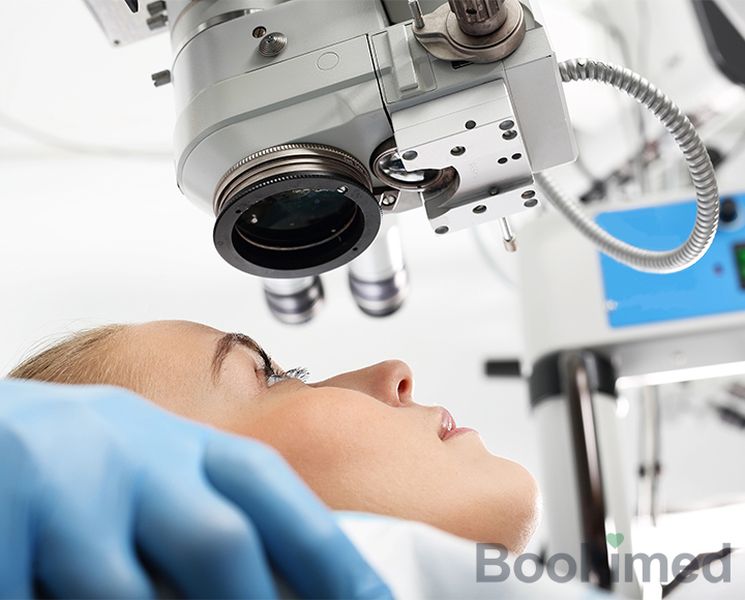
الربط المتقاطع للقرنية (CCL) (عين واحدة)
يعمل هذا الإجراء على تقوية القرنية باستخدام الأشعة فوق البنفسجية وقطرات الريبوفلافين لوقف تطور القرنية المخروطية.
أسئلة متكررة حول ربط القرنية (CCL) (عين واحدة) في ألمانيا
ما هو الربط المتقاطع للقرنية (CCL) ولماذا يتم إجراؤه؟
الربط المتقاطع للقرنية هو إجراء خارجي طفيف التوغل يعمل على تقوية القرنية باستخدام قطرات الريبوفلافين والأشعة فوق البنفسجية. يتم إجراؤه لتثبيت بنية العين ووقف تطور القرنية المخروطية أو توسع القرنية، مما يساعد 90% من المرضى على تجنب جراحة الزرع الغازية.
- التثبيت الميكانيكي الحيوي: يخلق روابط كولاجين جديدة لتعزيز وتصلب أنسجة القرنية الضعيفة.
- وقف تطور المرض: يمنع تفاقم ترقق القرنية والبروز غير المنتظم النموذجي في القرنية المخروطية.
- تثبيت الرؤية: يثبت شكل العين لوقف التغيرات السريعة في الوصفات الطبية والاستجماتيزم.
- منع الجراحات الكبرى: يوقف تدهور الأنسجة في وقت مبكر لتجنب إجراءات زراعة القرنية المكلفة.
رؤية خبير Bookimed: تُصنف ألمانيا من بين وجهاتنا الأولى لرعاية القرنية بسبب المؤسسات البحثية القوية مثل عيادة نوردويست. هذه الخبرة حاسمة لأن تثبيت القرنية في وقت مبكر يحافظ على الرؤية الموجودة أكثر من التدخل في المراحل المتأخرة.
إجماع المرضى: يؤكد المرضى أن هذا الإجراء يركز على السيطرة على المرض بدلاً من تصحيح الرؤية. يبلغ معظمهم عن حساسية مؤقتة للضوء لكنهم يقدرون الأمان طويل الأمد لمنع تدهور رؤيتهم.
هل سيتحسن بصري بعد إجراء الربط المتقاطع للقرنية (Corneal Cross-Linking)؟
تم تصميم الربط المتقاطع للقرنية لتثبيت رؤيتك عن طريق إيقاف تقدم القرنية المخروطية بدلاً من تحسين الوضوح. في حين أن 95% من المرضى يحققون استقراراً في القرنية، فإن أي تحسن بصري يعتبر نتيجة إضافية ناتجة عن التسطح التدريجي لمخروط القرنية.
- الهدف الرئيسي: إيقاف بروز القرنية لمنع فقدان البصر في المستقبل وعمليات الزرع المحتملة.
- تغيرات الرؤية: يلاحظ حوالي 60% إلى 81% من المرضى تسطحاً طفيفاً وانخفاضاً في الاستجماتيزم.
- مرحلة التعافي: توقع رؤية ضبابية أو غائمة مؤقتة لمدة أسبوعين إلى 4 أسابيع بعد الجراحة.
- النتيجة طويلة المدى: يحدث الاستقرار البصري النهائي وتحديث وصفات العدسات عادةً بعد 6 إلى 12 شهراً من الإجراء.
رؤية خبير Bookimed: التثبيت هو المعيار، لكن العيادات الألمانية مثل EuroEyes وNordwest تؤكد على توافق العدسات على المدى الطويل. نظراً لأن القرنية تصبح أكثر انتظاماً، غالباً ما يجد المرضى أن العدسات اللاصقة المتخصصة أسهل بكثير في التركيب والتحمل بعد مرحلة إعادة التشكيل الأولية التي تستغرق 6 أشهر.
إجماع المرضى: يصف العديد من المرضى الإجراء بأنه تجميد لمرضهم في مكانه. في حين أن المكاسب البصرية غالباً ما تكون متواضعة، فإن الشعور بالارتياح لمعرفة أن رؤيتهم لن تزداد سوءاً هو الفائدة الأكثر أهمية.
ما هي تقنيات CCL الرئيسية المقدمة في ألمانيا؟
توفر ألمانيا الطيف الكامل لتقنيات الربط المتقاطع للقرنية (CCL)، بما في ذلك بروتوكول دريسدن (Epi-off) الذي يعتبر المعيار الذهبي، والخيارات عبر الظهارة الأقل توغلاً (Epi-on)، والبروتوكولات المتسارعة. تستخدم هذه الطرق الريبوفلافين وضوء الأشعة فوق البنفسجية (UV-A) لتثبيت القرنية ووقف تقدم القرنية المخروطية.
- تقنية Epi-off: تضمن إزالة ظهارة القرنية أقصى امتصاص للريبوفلافين لتحقيق أعلى استقرار على المدى الطويل.
- بروتوكول Epi-on: تقلل الظهارة السليمة من الألم بعد الجراحة وخطر العدوى للحالات في مراحلها المبكرة.
- CXL المتسارع: تقلل كثافة الأشعة فوق البنفسجية الأعلى من وقت العلاج من 30 دقيقة إلى بضع دقائق فقط.
- بروتوكول القرنية الرقيقة: تسمح قطرات الريبوفلافين المتخصصة بعلاج آمن للقرنيات التي يقل سمكها عن 400 ميكرومتر.
رؤية خبير Bookimed: على الرغم من أن الكثيرين يختارون Epi-on للراحة، تؤكد مراكز الأبحاث الألمانية مثل عيادة Nordwest أن Epi-off لا يزال المعيار السريري. لقد سعى أكثر من 1700 مريض للحصول على رعاية عيون متقدمة في ألمانيا من خلال منصتنا، وغالباً ما يعطون الأولوية للعيادات التي تحافظ على معايير ISO وانتماءات الأبحاث الجامعية لضمان سلامة فائقة.
إجماع المرضى: يفيد المرضى أنه على الرغم من أن Epi-off يسبب حساسية مؤقتة للضوء ويتطلب عدسات لاصقة علاجية، إلا أنه يوفر أكبر قدر من راحة البال. ينصح الكثيرون بإجراء علاجات العين الواحدة على مراحل لإدارة لوجستيات التعافي بسهولة أكبر.
كيف تبدو فترة التعافي وما هو الألم المتوقع؟
تتضمن فترة التعافي من عملية تثبيت القرنية (Corneal cross-linking) في ألمانيا من يومين إلى 4 أيام من الانزعاج الكبير. يشعر المرضى عادةً بحرقان، ودموع، وإحساس بوجود رمل في العين. تظل الرؤية ضبابية لعدة أسابيع بينما تستقر القرنية. تصل معظم الأعراض إلى ذروتها خلال أول 72 ساعة بعد الإجراء.
- الألم المبكر: توقع الشعور بحرقان أو وخز لمدة تتراوح بين 24 إلى 72 ساعة بعد الجراحة.
- الحساسية للضوء: تتطلب رهاب الضوء الشديد ارتداء نظارات شمسية في الداخل وتجنب جميع الشاشات الرقمية.
- تغيرات الرؤية: تظل الرؤية ضبابية أو غير مستقرة لعدة أيام قبل أن تظهر تحسناً تدريجياً.
- سطح الشفاء: قد يستمر التهيج والجفاف لمدة تصل إلى 3 أسابيع أثناء الشفاء.
رؤية خبير Bookimed: تتخصص العيادات الألمانية مثل EuroEyes أو Nordwest في تقنيات "epi-off" التي توفر استقراراً طويل الأمد ولكنها تنطوي على ألم أولي أكبر. بما أنك تعالج عيناً واحدة فقط، فسيكون تعافيك أكثر قابلية للإدارة. الحفاظ على عين واحدة واضحة يسمح لك بالحفاظ على الحركة الأساسية حتى خلال أول 48 ساعة الأكثر حساسية.
إجماع المرضى: يصف العديد من المرضى النوم الأول بأنه المرحلة الأكثر صعوبة بمجرد زوال مفعول قطرات التخدير. عادة ما يأتي الراحة بسرعة بمجرد وضع عدسة لاصقة طبية وبدء السطح في الالتئام.
هل يغطي التأمين الصحي الألماني علاج تثبيت القرنية (CCL) لعين واحدة؟
يغطي التأمين الصحي القانوني الألماني (GKV) علاج تثبيت القرنية (CCL) لعين واحدة عند الضرورة الطبية. تتطلب التغطية توثيق تقدم القرنية المخروطية من خلال مسح طبوغرافيا القرنية. يتم محاسبة العلاجات لكل عين، بشرط أن تحافظ القرنية على سمك لا يقل عن 400 ميكرومتر للسلامة.
- متطلبات التوثيق: يجب على أطباء العيون تقديم دليل تشخيصي على التدهور النشط من خلال مسوحات طبوغرافية متتالية.
- المتطلبات السريرية: يحتاج المرضى إلى سمك قرنية لا يقل عن 400 ميكرومتر لضمان سلامة الأشعة فوق البنفسجية.
- حالة مقدم الخدمة: يجب إجراء الجراحة في العيادات الجامعية العامة أو مع أطباء مسجلين في النظام القانوني.
- التكاليف المرتبطة: الجراحة الأساسية مغطاة، ولكن مسوحات خرائط العين المتقدمة قد تكلف ما بين 50 إلى 150 يورو.
رؤية خبير Bookimed: بينما يغطي التأمين العام الإجراء، تقدم العيادات الخاصة مثل EuroEyes خدمة CCL بشكل أساسي كخدمة خاصة. تتعامل المراكز الطبية مثل عيادة Nordwest في فرانكفورت مع عدد كبير من الحالات المعقدة. تأكد دائمًا مما إذا كانت المنشأة تقبل بطاقتك الصحية المحددة قبل الاستشارة الأولية.
إجماع المرضى: التوثيق الذي يظهر التقدم هو العامل الأساسي للموافقة بدلاً من علاج عين واحدة فقط. غالبًا ما يبلغ المرضى عن تأخيرات أثناء انتظار شركات التأمين للتحقق من الضرورة السريرية ونتائج الطبوغرافيا.
ما هي مدة الإقامة الموصى بها في البلد والجدول الزمني للعلاج للمرضى الدوليين؟
يجب على المرضى الدوليين الذين يخضعون لعملية تثبيت القرنية (Corneal Cross-linking) في ألمانيا التخطيط لإقامة إجمالية تتراوح بين 3 إلى 7 أيام. يتضمن هذا الجدول الزمني تقييمات إلزامية قبل الجراحة وفترة متابعة حرجة لمراقبة مراحل الشفاء المبكرة والتحقق من استقرار العدسة اللاصقة العلاجية قبل السفر جواً.
- مرحلة ما قبل الجراحة: الوصول قبل يوم واحد لإجراء التشخيصات المتخصصة وتخطيط سمك القرنية.
- مدة العلاج: الإجراء يتم في العيادات الخارجية ويتطلب عادةً زيارة واحدة فقط للعيادة.
- فترة التعافي: توقع حساسية كبيرة للضوء ودموع في العين خلال أول 48-72 ساعة.
- تصريح السفر: احصل على شهادة اللياقة للطيران أثناء فحص المتابعة قبل المغادرة الدولية.
رؤية خبير Bookimed: تعطي مراكز طب العيون الألمانية مثل EuroEyes أو عيادة Nordwest الأولوية لنافذة الأمان البالغة 72 ساعة. على الرغم من أن الجراحة قصيرة، إلا أن العيادات تصر غالباً على إجراء فحص في اليوم الثاني. نلاحظ أن المرضى الذين يبقون لمدة 5 أيام يبلغون عن راحة أكبر بكثير أثناء الرحلات الجوية. يتيح هذا الوقت الإضافي للجراحين التأكد من أن العدسة العلاجية لم تتحرك من مكانها.
إجماع المرضى: يجد معظم المسافرين أن الأيام الثلاثة الأولى هي الأكثر صعوبة بسبب ألم العين. يوصون بشدة بإحضار نظارات شمسية داكنة عالية الجودة وتجنب جدولة أي جولات سياحية مباشرة بعد زيارة العيادة.
ما هي المستشفيات في ألمانيا التي تحظى بأعلى التقييمات في جراحة الأعصاب؟
تضم ألمانيا بعضًا من أرقى أقسام جراحة الأعصاب في العالم، بقيادة مستشفى شاريتيه الجامعي في برلين ومستشفى جامعة هايدلبرغ. وتتميز هذه المراكز بخبرتها الواسعة في علاج أورام الدماغ المعقدة وأمراض الأوعية الدموية الدماغية. ولتحقيق أقصى قدر من الفعالية في عملياتها، تستخدم هذه المراكز أحدث التقنيات، مثل التصوير بالرنين المغناطيسي أثناء الجراحة والتوجيه العصبي بمساعدة الحاسوب.
- مستشفى شاريتيه برلين: يُجري أكثر من 5000 عملية جراحية سنوياً. ويرأس العيادة جراح الأعصاب الشهير الدكتور بيتر فايكوتشي.
- المركز الطبي في سولينجن: أجرى الدكتور رالف بوهل أكثر من 4000 عملية جراحية، بما في ذلك جراحات العمود الفقري طفيفة التوغل.
- عيادة أسكليبيوس نورد: مجهزة بنظام التصوير بالرنين المغناطيسي الثنائي الوحيد في ألمانيا أثناء الجراحة لضمان الدقة الجراحية في الوقت الحقيقي أثناء إزالة الورم.
- عيادة نوردويست: تم الاعتراف بها من قبل مجلة نيوزويك كمستشفى رائد في مجال الابتكار في تكنولوجيا الموجات فوق الصوتية ثلاثية الأبعاد.
رأي خبراء بوكيمد: تشير البيانات إلى أن اختيار المراكز ذات الحجم الجراحي الكبير غالبًا ما يؤدي إلى توصيات علاجية أكثر تحفظًا. ففي مركز سولينجن الطبي، الذي يعالج أكثر من 60,000 مريض
ما هي نسب نجاح العمليات الجراحية العصبية المعقدة في ألمانيا؟
في ألمانيا، تتميز العمليات الجراحية العصبية بالغة التعقيد بمستوى أمان استثنائي. تصل نسبة نجاح عمليات دمج الفقرات إلى 99%، بينما تبلغ نسبة النجاة بعد استئصال أورام الدماغ الأولية 97%. كما يتمتع المرضى بقدرة عالية على الاعتماد على أنفسهم في أداء وظائفهم اليومية، حيث يغادر أكثر من 82% منهم المستشفى مباشرةً بعد العلاج. وتولي المراكز الألمانية اهتماماً بالغاً بالحفاظ على الوظائف العصبية باستخدام أحدث تقنيات التخطيط العصبي.
- استئصال الورم: يحقق الجراحون استئصالًا كاملاً للورم في 87.2% من حالات النقائل الدماغية.
- النجاح في علاج أمراض الأوعية الدموية: أفادت المستشفيات الألمانية بنسبة نجاة بلغت 98.7% لحالات تمدد الأوعية الدموية غير الممزقة.
- تحسن الحالة العصبية: يشهد ما يقرب من 43% من المرضى تحسناً في المعايير الوظيفية بعد عمليات الاستئصال المعقدة.
- سلامة التدخلات الجراحية: في المراكز الجراحية الكبيرة، تتراوح معدلات بقاء المرضى على قيد الحياة بعد جراحة العمود الفقري بين 98-99%.
رأي خبراء بوكيمد: يُجري جراحون ذوو خبرة، مثل الدكتور أوفه كولر من عيادة أسكليبيوس ألتونا، أكثر من 2000 عملية جراحية سنويًا. تُشير البيانات إلى أن هؤلاء المتخصصين يحافظون على معدلات نجاح تصل إلى 90%، حتى
ما هي التقنيات المتقدمة المتوفرة عادةً في عيادات جراحة الأعصاب الألمانية؟
تُدخل عيادات جراحة الأعصاب الألمانية بانتظام أدوات رقمية عالية الدقة وتقنيات تصوير فوري في الممارسة الجراحية. تشمل التقنيات الرئيسية الملاحة العصبية الحاسوبية لجراحات الدماغ والحبل الشوكي. تستخدم مؤسسات مثل عيادة أسكليبيوس نورد التصوير بالرنين المغناطيسي أثناء الجراحة للتحقق من استئصال الورم في الوقت الفعلي. توفر هذه الأنظمة للجراحين نظام ملاحة ثلاثي الأبعاد.
- الملاحة العصبية: توفر تصورًا ثلاثي الأبعاد وتتبعًا فوريًا للأدوات لتحقيق دقة جراحية تصل إلى مستوى أقل من المليمتر.
- التصوير أثناء العملية: تسمح أنظمة مثل التصوير بالرنين المغناطيسي أثناء العملية (iMRI) والتصوير المقطعي المحوسب ذي الذراع O (O-arm CT) بالتأكيد الفوري على نجاح عملية الاستئصال.
- المراقبة العصبية: تراقب الوظائف الحركية والحسية أثناء الجراحة لحماية الجهاز العصبي.
- التشخيص الفلوري: يتم استخدام صبغة 5-ALA لتسليط الضوء على حدود الورم من أجل إزالته بشكل أكثر اكتمالاً.
- المساعدة الروبوتية: تعمل أنظمة مثل نظام دافنشي على تحسين الدقة في الإجراءات المعقدة ذات التدخل الجراحي البسيط.
رأي خبراء بوكيمد: تُجري مراكز طبية كبيرة، مثل مستشفى شاريتيه الج
ما هي التدريبات المتخصصة التي يتلقاها جراحو الأعصاب الممارسون في ألمانيا؟
في ألمانيا، يتعين على جراحي الأعصاب إكمال برنامج إقامة تخصصي لمدة ست سنوات بعد التخرج من كلية الطب. يشمل هذا البرنامج المنظم العناية المركزة، والتدريب السريري، وكتابة مقالات في مجلة جراحية إلزامية. بعد ذلك، يجتاز المرشحون امتحانًا حكوميًا للحصول على لقب طبيب مقيم (Facharzt für Neurochirurgie).
- الإقامة السريرية: تتطلب من 48 إلى 72 شهرًا من الممارسة المتخصصة في جراحة الأعصاب.
- العناية المركزة: تتضمن فترة تدريب إلزامية لمدة 6 أشهر في وحدة العناية المركزة لجراحة الأعصاب.
- المجلة الجراحية: يوثق الجراحون مئات العمليات الجراحية، بما في ذلك عمليات فتح الجمجمة وجراحات العمود الفقري.
- امتحان الترخيص: يجب على المتقدمين اجتياز امتحان طبي شفوي وعملي تديره الدولة.
رأي خبراء بوكيميد: يركز التدريب الألماني في جراحة الأعصاب على الخبرة الجراحية الواسعة. فعلى سبيل المثال، أجرى الدكتور رالف بول من المركز الطبي في سولينجن أكثر من 4000 عملية جراحية. ويتمتع الدكتور يورغن كيويت من مستشفى ميوكلينيك بخبرة تزيد عن 25 عامًا. يضمن هذا النظام الدقيق أن يتعامل المتخصصون في المراكز الكبرى مع الحالات المعقدة بدقة مثبتة.
آراء المرضى: يشع