علاج القرنية المخروطية في النمسا — احصل على 3 عيادات مختارة خصيصاً لك


تمت مراجعة المقالة طبيا من قبل
فهد مولود
كيف نعمل؟
ما هي تكلفة القرنية المخروطية إجراءات التشخيص والعلاج في النمسا؟ اعرف الآن
من $150. تتراوح تكلفة الإجراءات التصحيحية الأولية مثل زراعة حلقات القرنية بين $2,300 و $3,800، بينما تتراوح تكلفة جراحة زراعة القرنية المتقدمة بين $5,800 و $9,200. تعتمد النفقات الإجمالية على مرحلة المرض والتقنية الجراحية المطلوبة. غالباً ما يوفر المرضى ما يقرب من 20-40% مقارنة بالرعاية الخاصة المماثلة في الولايات المتحدة. وتعد فيينا ولينز الوجهتين الرئيسيتين لهذه العلاجات.
تكاليف علاج القرنية المخروطية النموذجية في النمسا
- فحص العيون: من $150
- ربط القرنية المتقاطع (CCL) (للعين الواحدة): $1,500 – $2,500
- زراعة حلقات القرنية: $2,300 – $3,800
- زراعة القرنية: $5,800 – $9,200
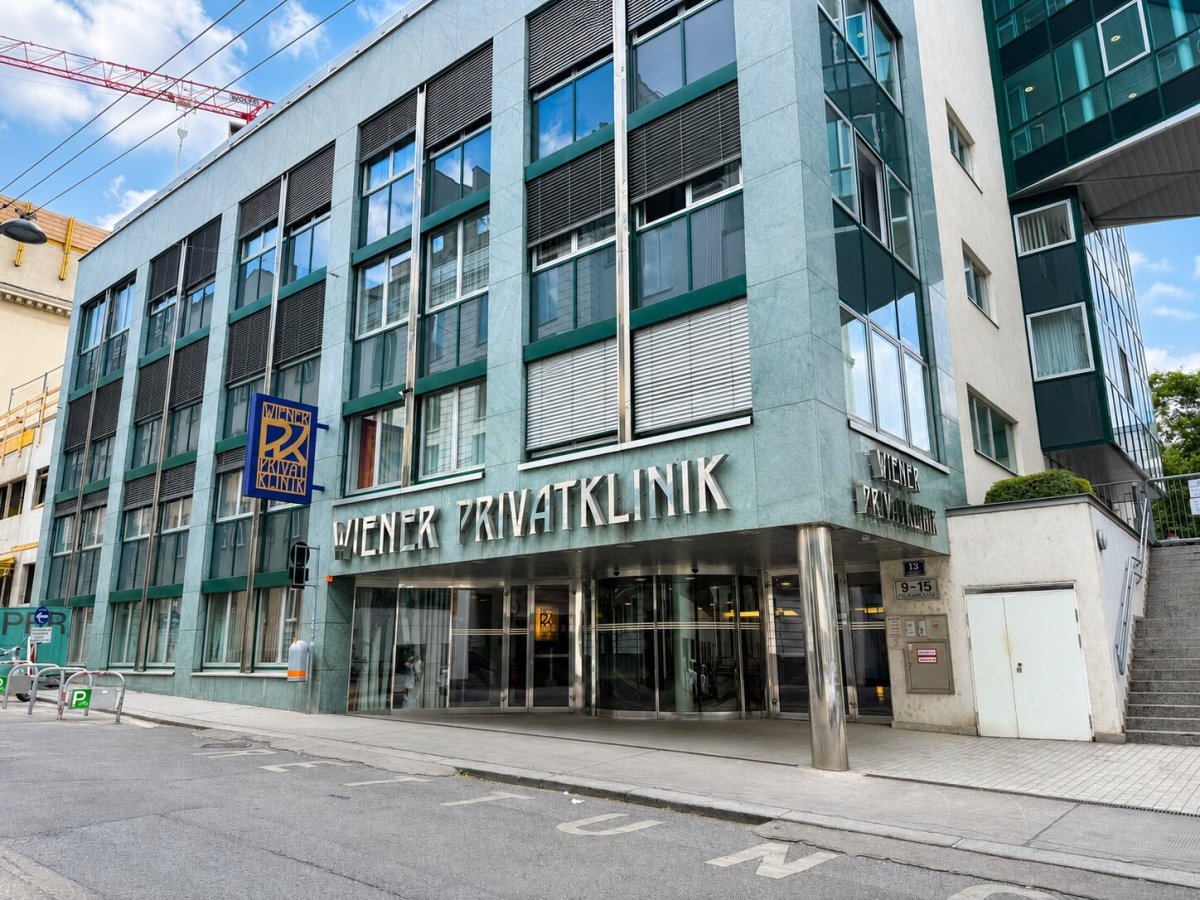
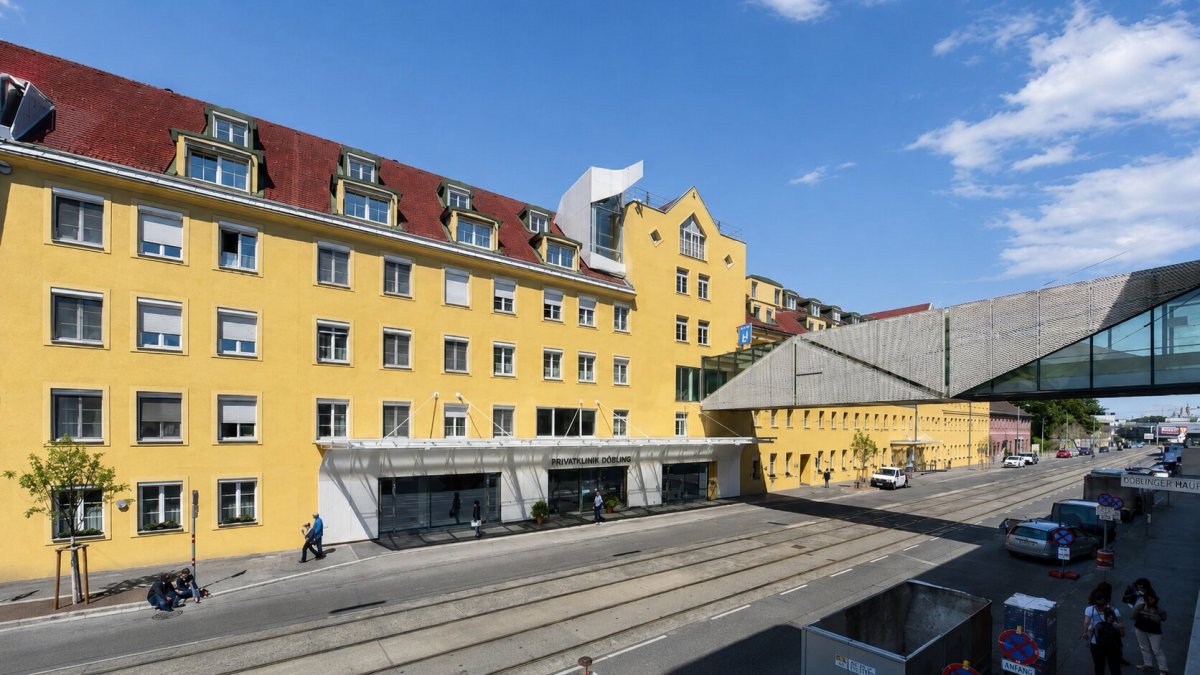
رؤية خبراء Bookimed: بالنسبة للمراحل المبكرة من القرنية المخروطية، يوفر العلاج في عيادة فيينا الخاصة (Wiener Privatklinik) قيمة عالية نظراً لارتباطهم بأساتذة من جامعة فيينا الطبية. يجب على المرضى الذين يعانون من ترقق القرنية المتقدم التفكير في متخصصين مثل الدكتور ستيفان بيه، الذي يركز على جراحات القرنية المعقدة. بالنسبة لأولئك الذين يعطون الأولوية للسلامة، تحافظ مستشفى دوبلينج الخاص (Döbling Private Hospital) على معدلات مضاعفات أقل من القيم الاسمية لأكثر من 16,000 مريض سنوياً. إذا كان التدخل الجراحي ضرورياً، فإن هذه المرافق المتوافقة مع معايير اللجنة الدولية المشتركة (JCI) توفر دعماً متعدد التخصصات يبرر التكلفة الإضافية مقارنة بالعيادات العادية.
| النمسا | تركيا | إسبانيا | |
|---|---|---|---|
| زرع حلقات ضمن القرنية | ≈ $2,300 | من $1,900 | من $3,800 |
| زرع القرنية | ≈ $5,800 | من $6,000 | من $10,100 |
| ربط القرنية (CCL) (عين واحدة) | ≈ $1,500 | من $1,400 | من $2,400 |
اكتشف أفضل القرنية المخروطية العيادات في النمسا: 2 خيارات معتمدة والأسعار




احصل على تقييم طبي لـ في النمسا. استشر الآن 6 أطباء ذوي الخبرة.
عرض جميع الأطباء
Stefan Pieh
البروفيسور ستيفان بيه هو جراح قرنية رائد وطبيب عيون أكاديمي في عيادة فيينا الخاصة (Wiener Privatklinik)، متخصص في العلاجات المتقدمة للقرنية المخروطية.
- أستاذ طب العيون في جامعة فيينا الطبية
- متخصص في زراعة القرنية وإجراءات الليزر الانكسارية
- نشر العديد من الأبحاث حول الميكانيكا الحيوية للقرنية والبصريات البصرية
- رئيس قسم طب العيون في مستشفى فيينا العام (AKH)

Stefan Sacu
الأستاذ الجامعي الدكتور ستيفان ساكو هو طبيب عيون وجراح عيون مشهور، متخصص في أمراض الشبكية وجراحة الشبكية والجسم الزجاجي في عيادة فيينا الخاصة (Wiener Privatklinik).
- عقود من الخبرة في إجراءات الشبكية المعقدة
- أستاذ طب العيون في جامعة فيينا الطبية
- خبير في التنكس البقعي واعتلال الشبكية السكري
- مؤلف للعديد من المنشورات العلمية حول رعاية الشبكية

Rupert Menapace
يُعد البروفيسور ميناباسي رائداً في جراحة المياه البيضاء (الكاتاركت) والعدسات داخل العين، حيث وضع معايير عالمية في التقنيات الجراحية.
- أستاذ طب العيون في جامعة فيينا الطبية
- متخصص في جراحة الجزء الأمامي من العين وتقنيات استحلاب العدسة
- مؤلف مئات المنشورات العلمية حول العدسات الحديثة داخل العين
- استشاري أول في عيادة فيينا الخاصة ومستشفى فيينا العام

Stefan Sacu
يتخصص الدكتور ساكو في أمراض الشبكية والبقعة الصفراء في مستشفى فيينا العام (AKH)، مع أبحاث مكثفة في العلاجات الجينية لحالات الشبكية الوراثية.
- أكثر من _doctor_3924_ سنوات من الخبرة السريرية والأكاديمية
- خبير في جراحة المياه البيضاء (الكاتاركت) والشبكية الحديثة
- باحث رئيسي في علاجات جديدة لضمور الشبكية
- حاصل على جائزة تيودور كورنر العلمية
- عضو في الجمعية الأوروبية لجراحي المياه البيضاء وتصحيح الإبصار
مشاركة المحتوى
قصص فيديو من مرضى Bookimed
 Anna Leonova
أسئلة متكررة حول علاج القرنية المخروطية في النمسا
ما هي العلاجات الرئيسية لمرض القرنية المخروطية المتوفرة في النمسا؟
يهدف علاج القرنية المخروطية في النمسا إلى تثبيت البصر واستعادته. يستخدم الأخصائيون في المقام الأول تقنية الربط المتقاطع للقرنية لإيقاف تطور المرض. في الحالات المتقدمة، يتم اللجوء إلى زراعة حلقات داخل سدى القرنية أو زراعة القرنية. توفر عيادات فيينا الرائدة التصوير المقطعي البصري ثلاثي الأبعاد عالي الدقة لتشخيص دقيق.
- الربط المتقاطع للقرنية: يقوي ألياف القرنية بالريبوفلافين والأشعة فوق البنفسجية، مما يمنع المزيد من الترقق.
- الحلقات داخل السدى: أسلاك صغيرة، مثل حلقات Intacs أو Ferrara، تعيد تشكيل القرنية لتحسين الرؤية.
- زراعة القرنية: بالنسبة للمرضى الذين يعانون من تندب شديد في القرنية، تتوفر عمليات زراعة القرنية الجزئية أو الكلية.
- Epi-on C3R: تقنية خياطة متخصصة تحافظ على الظهارة وتسرع فترة التعافي.
رأي خبراء بوكيمد: بينما يختار الكثيرون عيادات فيينا لما تتمتع به من سمعة مرموقة، يتميز مستشفى دوبلينغ الخاص بالتزامه التام بالسلامة. وفي الوقت نفسه، يحافظ على معدل مضاعفات أقل من المعدل الطبيعي، حيث يعالج 16000 مريض سنويًا. يُظهر هذا الرقم أن المراكز الخاصة النمساوية توفر استقرارًا جراحيًا عاليًا دون التضحية بالنهج الشخصي في العلاج.
هل يغطي التأمين الصحي القانوني النمساوي (ÖGK) عملية الربط المتقاطع للقرنية؟
يُغطي نظام التأمين الصحي الحكومي النمساوي (ÖGK) تكلفة عملية تثبيت القرنية بالأشعة فوق البنفسجية في المستشفيات الحكومية فقط عند الضرورة الطبية. ويجب على المرضى الحصول على إحالة من طبيب عيون. ولا تتوفر التغطية عادةً في العيادات الخاصة. وقد تُقدم بعض المراكز تعويضًا جزئيًا عن التكاليف من خلال طلب دعم مالي.
- متطلبات الحكومة: التغطية الشاملة تنطبق فقط على عيادات العيون الحكومية أو التابعة للجامعات.
- الضرورة الطبية: يوافق مستشفى جامعة الدولة النمساوية (ÖGK) على التمويل حصريًا لعلاج القرنية المخروطية المتقدمة بهدف الحفاظ على البصر.
- إجراءات الإحالة: يحتاج المرضى إلى إحالة رسمية من طبيب عيون متعاقد (Kassenarzt).
- قيود العيادات الخاصة: عادةً ما تتطلب العيادات الخاصة الدفع الكامل من قبل المريض من جيبه الخاص.
- عتبات حدة البصر: هناك مستويات معينة من الديوبتر مطلوبة لاسترداد تكاليف الأجهزة الطبية بعد العمليات الجراحية مثل العدسات اللاصقة.
رأي خبراء بوكيمد: على الرغم من أن المستشفيات الحكومية توفر التأمين الصحي، إلا أن أخصائيي القرنية البارزين، مثل الدكتور ستيفان بيه والدكتور بافول فيسلي، يعملون غالبًا في عيادات خاصة
هل عملية تصحيح النظر بالليزر (LASIK) آمنة للعيون المصابة بالقرنية المخروطية؟
تُعدّ عملية تصحيح النظر بالليزر التقليدية (الليزك) غير آمنة للعيون المصابة بالقرنية المخروطية. يُمنع إجراء هذه العملية منعًا باتًا لأنها تتضمن إزالة جزء من نسيج القرنية. يؤدي ترقق القرنية المخروطية إلى عدم استقرارها وبروزها، مما قد يُسبب فقدانًا دائمًا للبصر أو الحاجة إلى زراعة قرنية. لذا، ثمة حاجة إلى علاجات بديلة لضمان السلامة.
- ترقق القرنية: تعمل عملية الليزك على إزالة الطبقات الداخلية من الأنسجة، مما يزيد من إضعاف القرنية الرقيقة أصلاً.
- توسع القرنية بعد عملية الليزك: يمكن أن تؤدي التغيرات الهيكلية إلى انتفاخ القرنية للخارج بشكل تدريجي وخطير.
- تسارع التطور: غالباً ما تؤدي الجراحة إلى تسريع التشوه المخروطي الطبيعي للعين.
- البدائل الآمنة: تشمل هذه الخيارات عملية الربط المتقاطع للقرنية (CXL)، أو العدسات اللاصقة الخاصة، أو العدسات الكولاجينية القابلة للزرع.
رأي خبراء بوكيميد: يُولي كبار المتخصصين النمساويين، مثل الدكتور ستيفان بيه من عيادة فيينا الخاصة، أهمية قصوى لتصوير القرنية التشخيصي وقياس سماكتها لاستبعاد القرنية المخروطية تحت السريرية. غالبًا ما تجمع عيادات فيينا بين تثبيت القرنية وزرع العدسات الحديثة لاستعادة البصر بأمان. يوقف هذا النهج المزدوج تطور المرض مع تص
ما هي أفضل المراكز والجراحين في النمسا الذين يُعتبرون من أفضل المتخصصين في علاج القرنية المخروطية؟
في النمسا، تُقدم علاجات القرنية المخروطية المعتمدة من قبل أخصائيين أكاديميين في فيينا ولينز. ومن أبرز المراكز في هذا المجال عيادة فيينا الخاصة ومستشفى دوبلينغ الخاص. ويُجري الجراحون عمليات تثبيت القرنية بالأشعة فوق البنفسجية (CXL) وزرع الحلقات وزراعة القرنية باستخدام أحدث أساليب التشخيص. هذه المؤسسات حاصلة على شهادة الأيزو وتحافظ على معدلات منخفضة للمضاعفات.
- يقوم أخصائيان بارزان، هما الدكتور ستيفان بيه والدكتور روبرت ميناباتشي، بعلاج أمراض القرنية المتقدمة.
- المؤسسات المعتمدة: يصنف مستشفى فيينا الخاص ضمن أفضل المستشفيات في العالم بحسب مجلة نيوزويك.
- التقنيات الجراحية: تقدم المراكز عمليات زرع حلقات القرنية وإجراءات رأب القرنية الحديثة المخترقة.
- التشخيص الحديث: تستخدم العيادات التصوير المقطعي البصري عالي الدقة للكشف بدقة عن القرنية المخروطية في مرحلة مبكرة.
رأي خبراء بوكيمد: تُظهر البيانات وجود علاقة وثيقة بين العيادات الخاصة النمساوية وجامعة فيينا الطبية. فمعظم الأخصائيين ذوي الكفاءة العالية في عيادة فيينا الخاصة يشغلون أيضًا مناصب أكاديمية رفيعة في مستشفى فيينا العام. وهذا يضمن حصول المرضى على خبرة على مستوى الجامعة في بيئة مستشفى أسرع وأكثر خصوصية. اختر العيادات ال
ما هي المتطلبات اللازمة للحصول على إحالة لإجراء اختبارات متقاطعة برعاية شركة التأمين؟
للحصول على إحالة لإجراء عملية تثبيت القرنية المتقاطعة الممولة من التأمين في النمسا، يلزم تقديم وثائق تثبت الإصابة بالقرنية المخروطية المتقدمة. يجب تقديم صور متسلسلة لتضاريس القرنية تُظهر زيادة في الانحناء بمقدار ديوبتر واحد أو أكثر. عادةً ما تحدد وثائق التأمين حدًا أدنى لسمك القرنية يبلغ 400 ميكرون لضمان السلامة.
- تطور المرض: يجب أن تُظهر نتائج التخطيط تدهورًا نشطًا على مدى 3-12 شهرًا.
- الحاجة السريرية: يقدم الجراحون خطابات توضح بالتفصيل مخاطر فقدان البصر أو الحاجة إلى عملية زرع.
- معايير الطريقة: تعطي معظم شركات التأمين الأولوية لبروتوكول إزالة الظهارة باستخدام محاليل الريبوفلافين الخاصة.
- التحكم غير الفعال: يجب أن تثبت الوثائق أن النظارات أو العدسات لم تعد قادرة على التعامل مع ترقق العدسات.
رأي خبراء بوكيميد: ينبغي على المرضى الراغبين في إجراء عملية الربط المتقاطع للقرنية التوجه إلى المراكز الجامعية، مثل مستشفى فيينا العام (AKH)، أو العيادات الخاصة المتخصصة، مثل عيادة فيينا الخاصة (Wiener Privatklinik). ويُجري أخصائيون بارزون، مثل الدكتور ستيفان بي، الذي تدرب في قسم القرنية بمستشفى فيينا العام، استشاراتهم بشكل متكرر في هذه المؤسسات المرموقة. وتُظهر بياناتنا أن المؤسس
ما هي المدة النموذجية للإقامة في النمسا لإجراء اختبارات القرنية المخروطية وعملية الربط المتقاطع؟
تستغرق الإقامة النموذجية في النمسا لإجراء فحص القرنية المخروطية وعملية تثبيت القرنية من 5 إلى 6 أيام. ورغم أن العملية تُجرى في العيادات الخارجية، إلا أن المرضى يحتاجون إلى وقت لإجراء تخطيط القرنية قبل العملية ومتابعة ما بعد العملية. وينصح معظم الأخصائيين بالانتظار 7 أيام على الأقل قبل السفر إلى بلادهم.
- فترة الفحص: يتم إجراء تصوير وتخطيط القرنية المتقدم في غضون 48 ساعة من الوصول.
- مدة العملية: تستغرق عملية الربط المتقاطع نفسها عادةً من 60 إلى 90 دقيقة لكل عين.
- المتابعة الإلزامية: يجب إجراء فحص سريري دقيق بعد 24 ساعة من الإجراء الطبي.
- مرحلة التعافي الأولية: عادةً ما تكون هناك حاجة إلى فترة راحة من يوم إلى ثلاثة أيام حتى يستقر سطح القرنية.
رأي خبراء بوكيمد: يختار المرضى فيينا غالبًا لوجود أخصائيين مثل الدكتور ستيفان بي والدكتور روبرت ميناباتشي. يعمل هؤلاء الجراحون في عيادات معتمدة من ISO مثل عيادة فيينا الخاصة. تشير البيانات إلى أن خبرتهم تُقلل بشكل ملحوظ من معدل المضاعفات في حالات أمراض القرنية المعقدة. وبسبب هذا المستوى العالي من التخصص، يتطلب التشخيص الدقيق عدة أيام قبل إجراء عملية الربط المتقاطع.
ملاحظات المرض
أين تقع مراكز علاج القرنية المخروطية الرئيسية في النمسا؟
تُعدّ فيينا المركز الرئيسي لعلاج القرنية المخروطية في النمسا. ومن أبرز المراكز المتخصصة عيادة فيينا الخاصة ومستشفى دوبلينغ الخاص. كما تتوفر رعاية متخصصة إضافية في لينز وسالزبورغ وغراتس وإنسبروك. وتقدم هذه المؤسسات خدمات تثبيت القرنية، وزرع الحلقات، وعمليات زراعة القرنية المعقدة.
- المركز العلاجي الرئيسي: فيينا تضم أكبر تجمع لجراحي العيون المتخصصين في أمراض القرنية.
- الإجراءات الحديثة: تقدم المراكز عملية الربط المتقاطع للقرنية (CXL) وزرع الحلقات داخل القرنية.
- أخصائيون مؤهلون: البروفيسور ستيفان بيش متخصص في جراحات القرنية المعقدة.
- معايير المستشفى: يطبق مستشفى دوبلينغ الخاص معايير ISO وأهداف السلامة الخاصة بـ JCI.
رأي خبراء بوكيمد: تُعدّ فيينا رائدةً بلا منازع في علاج القرنية المخروطية بفضل تركيزها العالي من المؤسسات الأكاديمية. فالعديد من الجراحين البارزين، مثل الدكتور ستيفان بي والدكتور روبرت ميناباتشي، هم أساتذة في جامعة فيينا الطبية. يضمن هذا الارتباط حصول المرضى على بروتوكولات علاجية قائمة على الأدلة، كالعلاج المُخصّص لتضاريس القرنية. ويُوفّر اختيار عيادة ضمن هذه الشبكة ميزةً كبيرةً من حيث الخبرة مقارنةً بالمراكز الإقليمية الأصغر.