علاج القرنية المخروطية في كوريا الجنوبية — احصل على 3 عيادات مختارة خصيصاً لك


تمت مراجعة المقالة طبيا من قبل
فهد مولود
كيف نعمل؟
ما هي تكلفة القرنية المخروطية إجراءات التشخيص والعلاج في كوريا الجنوبية؟ اعرف الآن
من $300
تكاليف علاج القرنية المخروطية النموذجية في جمهورية كوريا
- فحص العيون: من $300
- تثبيت القرنية (CCL) (للعين الواحدة): $1,400 – $2,400
- زراعة القرنية: من $7,500
رؤية خبراء Bookimed: بالنسبة للمراحل المبكرة من القرنية المخروطية، توفر مراكز الرؤية المتخصصة مثل مستشفى BGN للعيون خبرة واسعة مع أكثر من 346,000 عملية جراحية تم إجراؤها. يجب على المرضى الذين يعانون من ندبات القرنية المتقدمة إعطاء الأولوية للمرافق متعددة التخصصات المعتمدة من اللجنة الدولية المشتركة (JCI) مثل مستشفى سيفيرانس لعمليات زراعة القرنية المعقدة. بالنسبة لأولئك الذين يبحثون عن أعلى المعايير السريرية، يعد مستشفى جامعة سيول الوطنية خياراً أولياً، حيث يخدم غالباً كبار المسؤولين في البلاد. إن اختيار خبير معتمد مثل لي يونغ سيوب، الذي أجرى 30,000 عملية جراحية، يضمن الدقة الجراحية للحالات الانكسارية المعقدة.
| كوريا الجنوبية | تركيا | إسبانيا | |
|---|---|---|---|
| زرع حلقات ضمن القرنية | ≈ $2,200 | من $1,900 | من $3,800 |
| زرع القرنية | من $7,500 | من $6,000 | من $10,100 |
| ربط القرنية (CCL) (عين واحدة) | ≈ $1,400 | من $1,400 | من $2,400 |
اكتشف أفضل القرنية المخروطية العيادات في كوريا الجنوبية: 8 خيارات معتمدة والأسعار
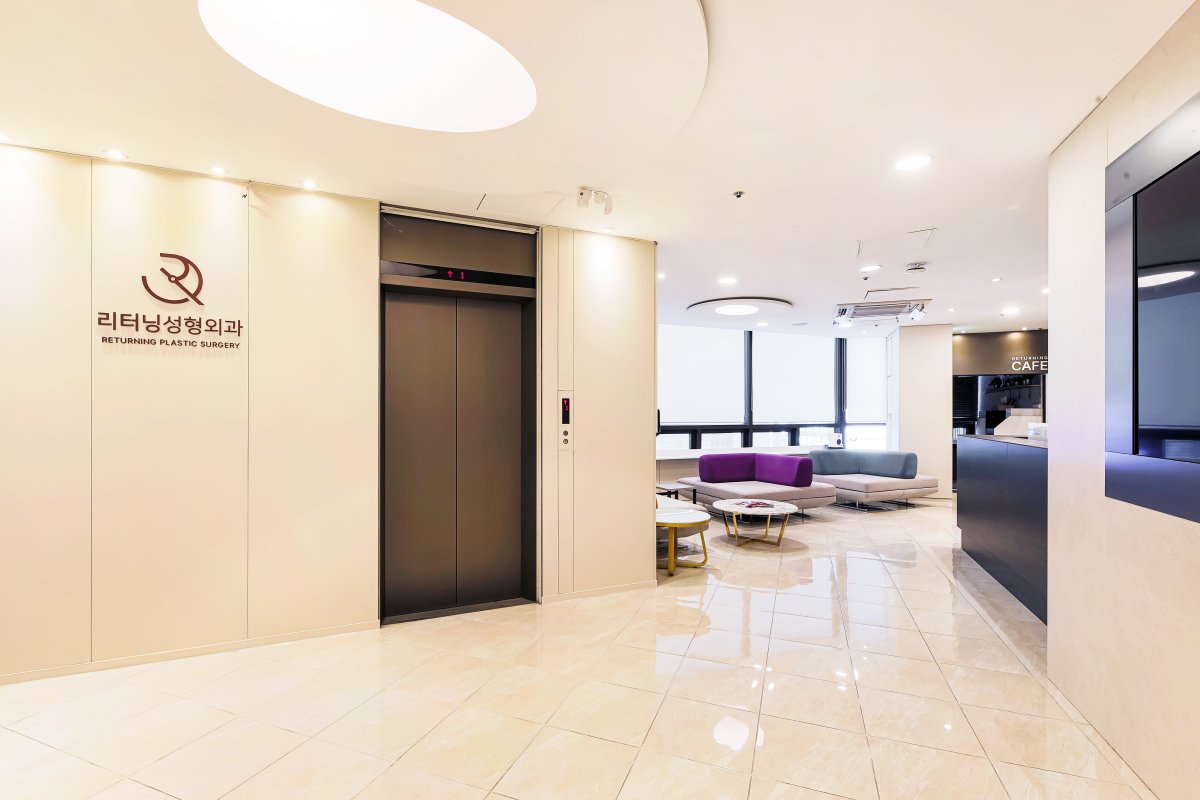
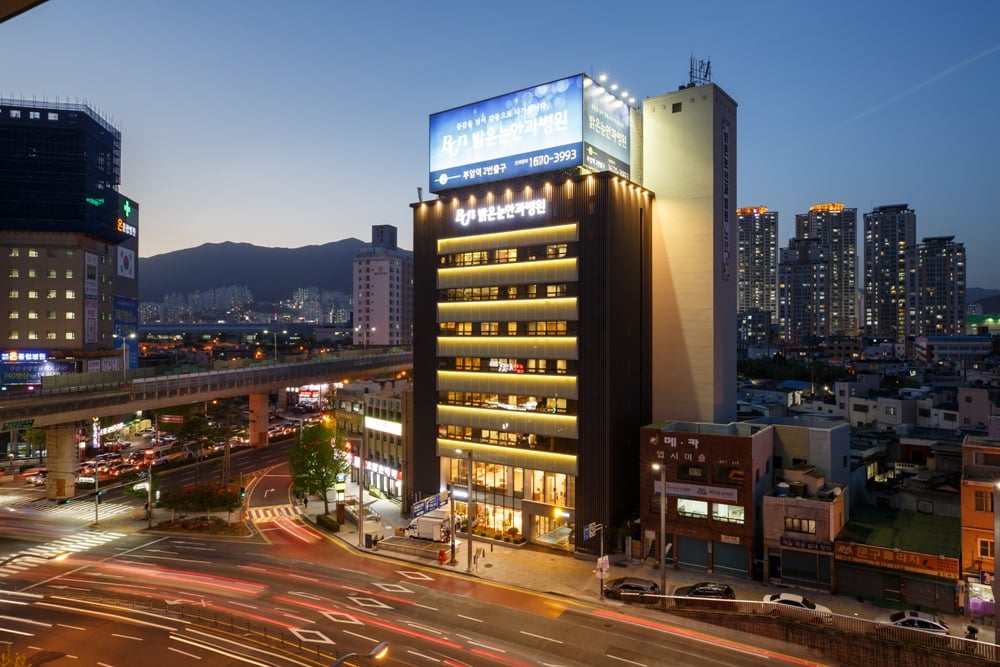
BGN Eye Hospital













احصلوا على تقييم طبي لـ القرنية المخروطية في كوريا الجنوبية: استشيروا أطباء ذوي خبرة الآن
عرض جميع الأطباء
Pak Jongbeom
الدكتور Pak Jongbeom هو رئيس قسم طب العيون في مستشفى Naeun. يركّز على أمراض الشبكية والجسم الزجاجي، مثل التهاب العنبية والتنكس البقعي. كما يعالج حالات طب العيون العامة، بما في ذلك الساد والزرق.
التعليم والتدريب: دكتوراه في الطب (M.D.) من Kyung Hee University Graduate School of Medicine. برنامج الامتياز، والإقامة في طب العيون، والزمالة في Kyung Hee University Medical Center.
الاعتمادات: عضو كامل العضوية في Korean Ophthalmological Society. عضو منتظم في American Society of Retina S

Nam Sanghyu
الدكتور نام سانغ هيو طبيب عيون معتمد في مركز أسان الطبي. وهو أخصائي سريري وأستاذ سريري. يركز عمله على الساد (المياه البيضاء) وطول النظر الشيخي (ضعف النظر القريب). كما يعالج أمراض القرنية وسطح العين، بما في ذلك جفاف العين، وأمراض العين الخارجية، ومشكلات المسالك الدمعية. ويعالج أيضاً أمراض الشبكية والزرق (الغلوكوما)، بما في ذلك اعتلال الشبكية السكري والتنكس البقعي.
العضويات: عضو كامل في KOS وKDES وKCDS وKSCRS وجمعية الدراسة الكورية للعدسات اللاصقة. عضو منتظم في ASCRS وESCRS وAPACRS.

Хён-мо Ян
مشاركة المحتوى
قصص فيديو من مرضى Bookimed
 Anna Leonova
أسئلة متكررة حول علاج القرنية المخروطية في كوريا الجنوبية
ما هي خيارات علاج القرنية المخروطية المتاحة في كوريا الجنوبية؟
تقدم كوريا الجنوبية علاجات متقدمة للقرنية المخروطية مثل الربط المتقاطع للقرنية (CXL) وزراعة حلقات القرنية. تستخدم المراكز المعتمدة من قبل اللجنة الدولية المشتركة (JCI) في سيول تقنية التصوير ثلاثي الأبعاد وليزر الفيمتو ثانية لتحقيق الاستقرار الجراحي. تعمل هذه الإجراءات على تقوية بنية القرنية وتحسين التأهيل البصري في عيادات العيون المتخصصة.
- الربط المتقاطع للقرنية: يعمل على تثبيت القرنية باستخدام الريبوفلافين وضوء الأشعة فوق البنفسجية لمنع تطور الحالة.
- حلقات القرنية داخلية: تعمل غرسات مثل KeraRing على تسطيح القرنية وتصحيح أخطاء الانكسار.
- زراعة القرنية: تستبدل إجراءات DALK الطبقات التالفة بشكل انتقائي في حالات القرنية المخروطية المتقدمة.
- العدسات اللاصقة القابلة للزرع: تصحح خيارات ICL عيوب الإبصار بعد نجاح التثبيت عن طريق الربط المتقاطع.
رؤية خبير Bookimed: الخبرة الهائلة للجراحين الكوريين الجنوبيين هي عامل أمان حاسم. على سبيل المثال، أجرى الدكتور لي يونغ سيوب أكثر من 30,000 عملية جراحية. في عيادات مثل مستشفى BGN للعيون، الذي يضم أكثر من 346,000 عملية تصحيح بصر، يستفيد المرضى من روتين يقلل بشكل كبير من مخاطر المضاعفات النادرة.
إجماع المرضى: يؤكد المرضى غالبًا على أهمية العلاج المبكر بالربط المتقاطع لتجنب عمليات الزرع اللاحقة. كما يقدر الكثيرون توفر غرسات ICL للديوبتر العالي بمجرد استقرار القرنية.
ما هي العيادات المعترف بها لعلاج القرنية المخروطية في كوريا الجنوبية؟
توفر كوريا الجنوبية رعاية عالية المستوى للقرنية المخروطية في المستشفيات الجامعية المعتمدة من قبل اللجنة الدولية المشتركة (JCI) ومراكز العيون المتخصصة. تستخدم مرافق مثل مستشفى سيفيرانس (Severance Hospital) وعيادة BGN للعيون رسم خرائط القرنية ثلاثي الأبعاد للتشخيص. تشمل خيارات العلاج الربط المتقاطع للقرنية (Cross-linking)، وزراعة حلقات Keraring، وإجراءات زراعة معقدة للمراحل المتقدمة.
- التشخيص المتخصص: تستخدم عيادة BGN للعيون فحصاً تشخيصياً من 12 خطوة لضمان الدقة.
- نطاق العلاج: توفر العيادات الربط المتقاطع للقرنية (CXL)، وحلقات Intacs، والعدسات الصلبة المخصصة.
- خبرة عالية: أجرى الدكتور لي يونغ سيوب أكثر من 30,000 إجراء انكساري.
- سلامة النظام: يستخدم مستشفى SNUBH النظام الرقمي BESTcare لتعزيز دقة الإجراءات.
رؤية خبير Bookimed: غالباً ما يحدد حجم المرضى اختيار العيادة في كوريا الجنوبية. بينما أكملت عيادة BGN للعيون أكثر من 346,000 عملية جراحية، يدير مستشفى سيفيرانس 1.6 مليون مريض خارجي سنوياً. يسمح هذا الحجم للمتخصصين بتحسين البروتوكولات لأنواع القرنية المخروطية النادرة. اختيار مركز ذو حجم كبير يضمن أن جراحك يتعامل مع حالات القرنية المعقدة يومياً.
إجماع المرضى: يشير المرضى إلى أن دقة مرحلة التشخيص استثنائية. وغالباً ما يؤكدون أن التواصل الواضح بشأن فترة المراقبة التي تستغرق أسبوعين أمر حيوي للتخطيط.
ما هو معدل نجاح جراحة القرنية المخروطية في كوريا الجنوبية؟
تتجاوز معدلات نجاح جراحة القرنية المخروطية في كوريا الجنوبية 90% للإجراءات الأولية. تحافظ عمليات زراعة القرنية على معدل نجاح بنسبة 95% لبقاء الطعم لمدة عام واحد. يعمل الربط المتقاطع للكولاجين طفيف التوغل على إيقاف تطور المرض في حوالي 90% من الحالات. تضمن الأنظمة الرقمية المتقدمة دقة جراحية عالية في عيادات سيول.
- زراعة القرنية: تصل معدلات بقاء الطعم إلى 90% إلى 95% في المراكز المتخصصة الرائدة.
- الربط المتقاطع (CXL): يظهر فعالية بنسبة 90% في وقف بروز القرنية على مدى فترات 5 سنوات.
- التقنيات المتقدمة: تحقق طرق السماكة الجزئية مثل DMEK معدلات نجاح تصل إلى 95%.
- الدقة السريرية: تعمل أنظمة السلامة الرقمية مثل BESTcare في SNUBH على زيادة القدرة على التنبؤ بالنتائج إلى أقصى حد.
رؤية خبير Bookimed: يعد حجم المرضى مؤشراً رئيسياً على الكفاءة الجراحية في كوريا الجنوبية. أجرى مستشفى BGN للعيون أكثر من 346,000 إجراء لتصحيح الرؤية. يشير هذا النطاق الهائل إلى أن الجراحين يتعاملون مع اختلافات القرنية المعقدة بشكل متكرر. غالباً ما يرتبط اختيار المراكز ذات الحجم الكبير بمخاطر أقل لتدخلات القرنية المخروطية المتخصصة.
إجماع المرضى: يؤكد المرضى على أهمية التصرف مبكراً لأن احتمالية وقف التطور تبلغ 95% قبل حدوث التندب. يشير الكثيرون إلى أن تتبع خرائطك الطبوغرافية الخاصة أمر ضروري للتحقق من النجاح على المدى الطويل.
كم تستغرق فترة التعافي بعد إجراءات القرنية المخروطية في كوريا الجنوبية؟
يسمح التعافي بعد إجراءات القرنية المخروطية في كوريا الجنوبية عادةً بالشفاء الأولي في غضون أسبوع إلى أسبوعين. يتراوح الاستقرار البصري الكامل من 3 أشهر إلى أكثر من عام. يستخدم أطباء العيون الكوريون تقنيات متقدمة لربط القرنية المتقاطع وزراعتها لضمان صحة واستقرار العين على المدى الطويل.
- مرحلة الربط المتقاطع: عادة ما يزول الألم المبكر والحساسية للضوء بعد يوم إلى 3 أيام.
- الرؤية الوظيفية: يعود العديد من المرضى إلى العمل أو المدرسة في غضون أسبوع واحد من الإجراء.
- زراعة القرنية: تتطلب عملية رأب القرنية كاملة السماكة من 12 إلى 18 شهرًا لتحقيق استقرار بصري كامل.
- الإقامة الدولية: توصي المرافق عمومًا بالبقاء في كوريا لمدة 10 إلى 14 يومًا بعد العملية.
رؤية خبير Bookimed: في حين أن المراكز الكبرى مثل مستشفى سيفيرانس أو مستشفى BGN للعيون تتعامل مع أعداد كبيرة من المرضى، فإن خبرة جراحين مثل الدكتور لي يونغ سيوب، الذي أجرى 30,000 عملية، هي عامل رئيسي في سلامة التعافي. غالبًا ما تؤدي الممارسة السريرية ذات الحجم الكبير في سيول إلى بروتوكولات ما بعد الجراحة أكثر توحيدًا والتي يمكن أن تساعد في تقليل المضاعفات المبكرة.
إجماع المرضى: يشير المرضى إلى أن الأسبوع الأول غالبًا ما يكون الأكثر صعوبة بسبب تدميع العين وتشوش الرؤية. ويؤكدون أن الالتزام بجدول القطرات بدقة أمر حيوي لتجنب التأخير في وضوح الرؤية.