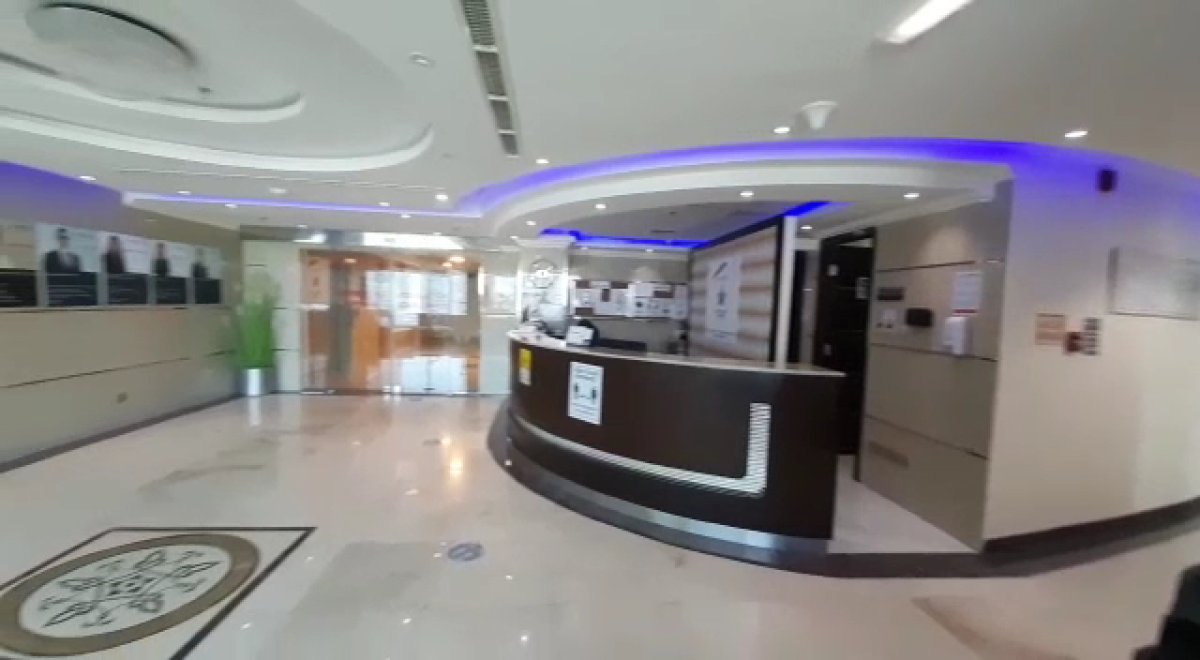
Aster Hospitals, DUBAI
الإمارات العربية المتحدة, دبي


تمت مراجعة المقالة طبيا من قبل
فهد مولود
Keratoconus treatment cost in United Arab Emirates typically begins with an ophthalmological investigation ranging from $190 to $400. Primary interventions include corneal cross linking (CCL) (one eye) at $1,500 to $3,000 or corneal ring implantation from $3,000 to $4,800. Total expenses depend on the clinical stage, donor tissue needs, and clinic tier. Patients often find treatment concentrated in Dubai and Abu Dhabi.
Typical Keratoconus Treatment Costs in United Arab Emirates
Bookimed Expert Insight: For advanced keratoconus, selecting a surgeon with dual fellowship training is essential. Dr. Ahmad Hossein Zadeh at New Al Shefa Clinic offers over 30 years of experience. His clinic is ideal for international patients seeking one-visit consultations. Those requiring multidisciplinary support may prefer Aster Hospitals. They manage 20 million patient visits annually across their extensive network.
| الإمارات العربية المتحدة | تركيا | إسبانيا | |
|---|---|---|---|
| زرع حلقات ضمن القرنية | ≈ $3,000 | من $1,900 | من $3,800 |
| زرع القرنية | ≈ $6,500 | من $6,000 | من $8,400 |
| ربط القرنية (CCL) (عين واحدة) | ≈ $1,500 | من $1,500 | من $2,400 |
Bookimed لا يضيف رسوماً إضافية على أسعار علاج القرنية المخروطية. الأسعار مأخوذة من قوائم الأسعار الرسمية للعيادات. تدفع مباشرة في العيادة مقابل علاجك عند وصولك إلى البلد.
Bookimed ملتزم بسلامتك. نحن نعمل فقط مع المؤسسات الطبية التي تحافظ على معايير دولية عالية في علاج القرنية المخروطية ولديها التراخيص اللازمة لخدمة المرضى الدوليين في جميع أنحاء العالم.
Bookimed يقدم مساعدة خبراء مجانية. منسق طبي شخصي يدعمك قبل وأثناء وبعد العلاج، ويحل أي مشاكل. لن تكون وحيداً أبداً في رحلة علاج القرنية المخروطية.

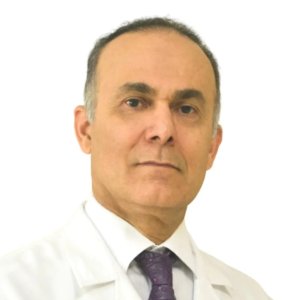

الدكتور فيكرام موهيندرا هو طبيب عيون في مستشفيات أستر في دبي. يعالج حالات العيون مثل المياه البيضاء (الساد)، والحول، والقرنية المخروطية. يقوم الدكتور موهيندرا بإجراء جراحات انفصال الشبكية وعمليات استئصال الزجاجية. يعمل في مستشفيات أستر، وهي شبكة تعالج 20 مليون مريض سنويًا.
 Anna Leonova
لا يمكن علاج القرنية المخروطية عن طريق عكس التغيرات الهيكلية في القرنية. ومع ذلك، فإن العلاجات الحديثة توقف تقدمها بفعالية وتستعيد الرؤية. يتم تحقيق الاستقرار من خلال تثبيت القرنية (CCL). قد تتطلب الحالات المتقدمة إجراء عملية زراعة. الكشف المبكر قبل سن 25 يمنع 90% من حالات التطور.
رؤية خبير Bookimed: تشير بيانات المرضى إلى أن المراكز ذات الحجم الكبير مثل مستشفيات أستر (Aster Hospitals) في دبي، التي تخدم 20,000,000 مريض سنوياً عبر شبكتها، توفر ميزة كبيرة لرعاية العيون المعقدة. في حين يبحث الكثيرون عن طب العيون العام، فإن اختيار متخصص مثل الدكتور فيكرام موهيندرا يضمن الوصول إلى فحوصات تشخيصية مركزة للقرنية. في الإمارات العربية المتحدة، غالباً ما يؤدي إعطاء الأولوية للمستشفيات التي تعد جزءاً من شبكات متكاملة كبيرة إلى انتقال أكثر سلاسة من الطبوغرافيا التشخيصية إلى التدخلات الجراحية مثل CCL.
إجماع المرضى: يؤكد المرضى أن إجراء CCL الموجه بالطبوغرافيا في وقت مبكر هو المعيار الذهبي لتجنب التندب المستقبلي. يلاحظ الكثيرون أنه على الرغم من أن العدسات الصلبة المتخصصة هي
يتراوح علاج القرنية المخروطية في الإمارات العربية المتحدة من تثبيت الحالات المبكرة إلى التدخلات الجراحية المتقدمة. يستخدم المتخصصون في مرافق مثل مستشفى أستر دبي تقنية تثبيت القرنية بالكولاجين لوقف التطور. غالبًا ما تتطلب المراحل المتوسطة حلقات داخل القرنية، بينما قد تخضع الحالات المتقدمة لزراعة القرنية الجزئية أو الكاملة.
رؤية خبير Bookimed: يستفيد المرضى في الإمارات العربية المتحدة من النطاق الهائل لشبكات مثل Aster DM Healthcare. تدير هذه الأنظمة أكثر من 20,000,000 مريض سنويًا عبر 26 مستشفى. يسمح هذا الحجم الكبير لأطباء العيون مثل الدكتور فيكرام موهيندرا بالحفاظ على خبرة متخصصة. غالبًا ما توفر المرافق الكبيرة وصولًا أكثر اتساقًا إلى أحدث أدوات رسم الخرائط الطبوغرافية. هذا ضروري لمراقبة تطور القرنية المخروطية بدقة على مدى عدة سنوات.
إجماع المرضى: يشير المرضى إلى أن الحصول على مسوحات طبوغرافية من مراكز متعددة مفيد لمقارنة الدقة. يؤكد الكثيرون أن العثور على أخصائي عدسات متخصص محليًا يغير الحياة من حيث الراحة اليومية.
يعد فرك العين المزمن عامل خطر رئيسي لتطور وتفاقم القرنية المخروطية. هذا الضغط الميكانيكي يؤدي إلى ترقق القرنية وإضعاف سلامتها الهيكلية. الاحتكاك المتكرر يحفز إنزيمات التهابية. تقوم هذه الإنزيمات بتفكيك ألياف الكولاجين. وهذا يسبب بروز القرنية على شكل مخروط.
رؤية خبير Bookimed: بينما يركز الكثيرون على الجراحة، تؤكد شبكة مستشفيات أستر (Aster Hospitals) في دبي على إدارة المحفزات الكامنة أولاً. يشير حجم مرضاهم الكبير إلى وجود صلة قوية بين العوامل البيئية وفرك العين. معالجة جفاف العين أو الحساسية قبل المضي قدماً في إجراء الربط المتقاطع (cross-linking) هي استراتيجية حيوية مدعومة بالبيانات. كسر حلقة الحكة والفرك غالباً ما يثبت القرنية قبل الحاجة إلى خطوات أكثر توغلاً.
إجماع المرضى: غالباً ما يندم المرضى على عدم إيقاف هذه العادة في وقت مبكر. يجدون أن استخدام الكمادات الباردة أكثر فعالية بكثير من قوة الإرادة وحدها لوقف الرغبة في الفرك. يلاحظ الكثيرون أن إبقاء الأظافر قصيرة يساعد في منع تلف القرنية العرضي أثناء النوم.
يستغرق التعافي البصري بعد إجراء الربط المتقاطع للقرنية (CXL) عادةً من ثلاثة إلى ستة أشهر حتى يستقر. غالبًا ما تكون الرؤية الأولية ضبابية لمدة سبعة أيام. يصل معظم المرضى إلى إمكانات الرؤية الأساسية في غضون ثلاثة أشهر. يحدث الاستقرار الكامل والتركيب النهائي للعدسات اللاصقة عادةً في الشهر الثاني عشر.
رؤية خبير Bookimed: يعد حجم المرضى مؤشرًا رئيسيًا على الخبرة السريرية في الإمارات العربية المتحدة. تعالج مستشفيات أستر في دبي 20,000,000 مريض سنويًا عبر شبكتها. غالبًا ما توفر المراكز ذات الحجم الكبير تقنيات epi-on و epi-off. وهذا يسمح للجراحين مثل الدكتور فيكرام موهيندرا باختيار مسار التعافي الأسرع لحالتك المحددة.
إجماع المرضى: يلاحظ المرضى أن الرؤية غالبًا ما تنخفض بشكل ملحوظ خلال الشهر الأول بسبب التورم. يؤكد الكثيرون على أهمية التحلي بالصبر حيث تتقلب الرؤية قبل أن تتحسن بشكل ملحوظ حول علامة الثلاثة أشهر.
تشمل المرافق في الإمارات العربية المتحدة المتخصصة في علاج القرنية المخروطية مستشفى مورفيلدز للعيون في دبي، ومستشفى ميديكلينيك سيتي، ومستشفيات أستر. توفر هذه المراكز تصويراً طوبوغرافياً للقرنية عالي الدقة وعلاجات متقدمة. تتراوح الخدمات المتخصصة من تثبيت القرنية (CXL) إلى عمليات زراعة القرنية المعقدة وتركيب العدسات الصلبة المرممة.
رؤية خبير Bookimed: بينما توفر العديد من المراكز المحلية مراقبة أساسية، توفر شبكة Aster DM Healthcare نطاقاً سريرياً هائلاً. مع 26 مستشفى و2200 طبيب، فإنهم يدمجون الخبرات متعددة التخصصات للحالات المعقدة. يتم تعريف الرعاية المتخصصة حقاً في الإمارات العربية المتحدة من خلال حجم المرضى المرتفع وتوافر كل من جراحة اليوم الواحد والدعم الصيدلاني طويل الأمد.
إجماع المرضى: يؤكد المرضى أن المتخصصين المحليين ممتازون للتشخيص الأولي وتركيب العدسات. يوصي الكثيرون بالبحث عن جراحين أداروا أكثر من 100 حالة لضمان أفضل النتائج للإجراءات الجراحية مثل CXL.