العودة إلى الصفحة الرئيسية
820К+ مريضًا حصلوا على المساعدة منذ عام 2014
50 دول
1,500 عيادات
6K+ تقييمات
3K+ طبيب مؤهل

ما هي تكلفة القرنية المخروطية إجراءات التشخيص والعلاج في الهند؟ اعرف الآن

السعر المتوسط لتشخيص وعلاج القرنية المخروطية في الهند هو $5,072. الحد الأدنى للسعر هو $5,072 والحد الأقصى $5,072.
الهندتركياإسبانيا
زرع حلقات ضمن القرنيةمن $1,250من $1,500من $2,500
زرع القرنيةمن $1,850من $3,500من $12,328
ربط القرنية (CCL) (عين واحدة)من $550من $1,431من $1,800
تم التحقق من البيانات بواسطة Bookimed اعتبارًا من July 2026، استنادًا إلى طلبات المرضى والعروض الرسمية من 94 عيادة حول العالم. تستند التكاليف المتوسطة إلى الفواتير الحقيقية (2025–2026) ويتم تحديثها شهريًا. قد تختلف الأسعار الفعلية.

مزاياك وضماناتك مع Bookimed

أسعار مباشرة

Bookimed لا يضيف رسوماً إضافية على أسعار علاج القرنية المخروطية. الأسعار مأخوذة من قوائم الأسعار الرسمية للعيادات. تدفع مباشرة في العيادة مقابل علاجك عند وصولك إلى البلد.

عيادات وأطباء معتمدون فقط

Bookimed ملتزم بسلامتك. نحن نعمل فقط مع المؤسسات الطبية التي تحافظ على معايير دولية عالية في علاج القرنية المخروطية ولديها التراخيص اللازمة لخدمة المرضى الدوليين في جميع أنحاء العالم.

مساعدة مجانية على مدار الساعة

Bookimed يقدم مساعدة خبراء مجانية. منسق طبي شخصي يدعمك قبل وأثناء وبعد العلاج، ويحل أي مشاكل. لن تكون وحيداً أبداً في رحلة علاج القرنية المخروطية.

لماذا نحن؟

منسقك الطبي الشخصي في Bookimed

  • يدعمك في كل مرحلة
  • المساعدة في اختيار العيادة الطبية المناسبة والطبيب المناسب
  • يضمن الوصول السريع والمريح إلى المعلومات

اكتشف أفضل القرنية المخروطية العيادات في الهند: 14 خيارات معتمدة والأسعار

تم تصنيف العيادات بواسطة نظام Bookimed الذكي، باستخدام تحليل علوم البيانات عبر 5 معايير رئيسية.
Artemis Hospitals
Manipal Hospitals
Global Hospital Chennai
Global Hospital Mumbai
لقد شاهدتم 5 من 14 عيادات

احصلوا على تقييم طبي لـ القرنية المخروطية في الهند: استشيروا أطباء ذوي خبرة الآن

عرض جميع الأطباء
يؤكد

Sameer Kaushal

أخصائي في زراعة القرنية - يركز الدكتور كوشال على جراحات العيون المتقدمة في مستشفيات أرتميس.

  • طبيب عيون خبير في أمراض القرنية
  • إجراء جراحات العيون المعقدة
  • العمل في مستشفى رائد في الهند
يؤكد

Bharath Kumar

أخصائي زراعة القرنية - يركز الدكتور كومار على العلاجات المتقدمة للقرنية المخروطية في مستشفى أبولو إندرابراستا.

  • طبيب عيون خبير في أمراض القرنية
  • إجراء إجراءات متخصصة لعلاج القرنية المخروطية
  • العمل في مستشفى رائد مجهز بمرافق متطورة لرعاية العيون
يؤكد

Aditi Krishna Agarwal

طبيب متخصص في زراعة القرنية، يضيف الدكتور أغاروال خبرة متخصصة إلى مستشفى فورتيس جورجاون.

  • طبيب عيون لديه معرفة عميقة بحالات القرنية
  • ماهر في إجراءات القرنية المتقدمة
  • يعمل في أحد المستشفيات الرائدة في الهند
يؤكد

Svati Bansal

الدكتور بانسال هو أخصائي طب وجراحة العيون، متخصص في تجميل العين وإصابات العين في مستشفى ميدانتا.

  • الخبرة في إجراءات تجميل العين الدقيقة المتعلقة ببنية العين
  • علاج حالات إصابات العين المعقدة التي تتطلب تدخلاً جراحياً
  • التركيز على أمراض العين الهيكلية التي تتطلب حلولاً جراحية دقيقة

مشاركة المحتوى

Twitter XLinkedinFacebookWhatsAppEmail
أحصل على الرابط

قصص فيديو من مرضى Bookimed

Dayana
جمعت بين إجازتي في أنطاليا والفحص الطبي.
إجراء: فحص صحة الإناث (انظر فحص النساء)
Igor
كان رائعاً! التنقلات والإقامة والعلاج - كل شيء مشمول.
إجراء: زرع الأسنان
مستشفى: WestDent Clinic
Marina
قام Bookimed بكل شيء من أجلي. لم أضطر للقلق بشأن أي شيء.
إجراء: فحص صحة الإناث (انظر فحص النساء)
مستشفى: Severance Hospital
محدث: 05/27/2022
تأليف
Anna Leonova
Anna Leonova
رئيس فريق تسويق المحتوى
محررة طبية معتمدة لديها خبرة تزيد عن 10 سنوات، طوّرت محتوى Bookimed الموثوق، مدعومة بماجستير في علم اللغة ومقابلات مع خبراء طبيين من جميع أنحاء العالم.
تمت المراجعة من قبل المستشار الطبي في Bookimed
فهد مولود
محرر طبي وعالم بيانات
طبيب عام. حاصل على 4 جوائز علمية. خدم في غرب آسيا. رئيس الفريق الطبي الناطق بالعربية سابقا ومسؤول عن معالجة البيانات ودقة المحتوى الطبي حاليا.
فهد مولود Linkedin
قد تحتوي هذه الصفحة على معلومات تتعلق بمختلف الحالات الطبية والعلاجات وخدمات الرعاية الصحية المتوفرة في بلدان مختلفة. يرجى العلم أن المحتوى مقدم لأغراض إعلامية فقط ولا ينبغي تفسيره على أنه نصيحة أو إرشادات طبية. يرجى استشارة طبيبك أو أخصائي طبي مؤهل قبل البدء أو تغيير العلاج الطبي.

أسئلة متكررة حول علاج القرنية المخروطية في الهند

هذه الأسئلة الشائعة مأخوذة من مرضى حقيقيين يبحثون عن رعاية طبية عبر Bookimed. يتم تقديم الإجابات من قبل منسقين طبيين ذوي خبرة وممثلين موثوقين من العيادات.

هل يمكن علاج القرنية المخروطية بشكل دائم؟

لا يمكن علاج القرنية المخروطية بشكل دائم. ومع ذلك، فإن إجراءات مثل تثبيت القرنية (cross-linking) توقف تقدمها بفعالية. تستخدم المراكز الطبية الهندية ضوء الأشعة فوق البنفسجية والريبوفلافين لتقوية روابط القرنية. بالنسبة للحالات المتقدمة، تستبدل عمليات زراعة القرنية الأنسجة التالفة بقرنيات متبرع بها سليمة لاستعادة الرؤية.

  • تثبيت القرنية (Cross-linking): طريقة مثبتة لوقف الترقق والبروز عن طريق تقوية الكولاجين.
  • زراعة حلقات القرنية: تستخدم حشوات مثل Intacs أو CAIRS لتسطيح شكل القرنية.
  • خيارات الزراعة: مخصصة للندبات الشديدة، حيث يتم استبدال الأنسجة التالفة بطعوم من متبرعين.
  • هدف الاستقرار: تركز العلاجات على وقف التقدم بدلاً من عكس تلف القرنية القائم.

رؤية خبير Bookimed: توفر عيادات العيون الهندية ميزة استراتيجية فيما يتعلق بأوقات الانتظار لحالات القرنية المخروطية المتقدمة. بينما تعاني بعض الدول الغربية من طوابير انتظار طويلة، غالباً ما تقوم المراكز في تشيناي ودلهي بترتيب عمليات زراعة القرنية في غضون 3 إلى 6 أشهر. هذه السرعة حاسمة للمرضى الذين تقل أعمارهم عن 25 عاماً، لأن تأخير العلاج لدى الأفراد الأصغر سناً يؤدي غالباً إلى زيادة الحاجة إلى الجراحة الغازية.

إجماع المرضى: يؤكد المرضى أن تجنب فرك العين وحضور المتابعات السنوية ضروريان لمنع عودة المرض بعد العلاج الأولي. يلاحظ الكثيرون أن اختيار طريقة التثبيت (epi-off) غالباً ما يوفر استقراراً طويل الأمد أكثر موثوقية.

هل يمكنني الخضوع لعملية الليزك إذا كنت أعاني من القرنية المخروطية؟

لا يُنصح بإجراء الليزك القياسي للمرضى الذين يعانون من القرنية المخروطية. يتطلب الإجراء إزالة أنسجة القرنية. وهذا يؤدي إلى ترقق القرنية ويمكن أن يزعزع استقرار بنية العين بشكل خطير. وغالبًا ما يؤدي ذلك إلى تدهور سريع في الرؤية أو توسع القرنية الثانوي في العيون المصابة بالقرنية المخروطية.

  • ترقق القرنية: يعمل الليزك على إضعاف أنسجة القرنية الرقيقة بالفعل والتي تتخذ شكل مخروطي.
  • خطر التطور: قد تؤدي جراحة الليزر إلى تسريع المرض وتفاقم الرؤية.
  • إمكانية التنبؤ الجراحي: تجعل أشكال القرنية غير المنتظمة نتائج الليزر القياسية غير موثوقة للغاية.
  • بدائل أكثر أمانًا: تعمل إجراءات مثل ربط القرنية المتقاطع (CXL) على تقوية العين وتثبيتها.

رؤية خبير Bookimed: تركز العيادات الهندية مثل مستشفيات أرتميس ومركز البصر على التثبيت طويل الأمد بدلاً من إصلاحات الرؤية السريعة. تظهر البيانات أن كبار المتخصصين مثل الدكتور سمير كوشال يعطون الأولوية لعمليات زرع القرنية أو ربط القرنية المتقاطع (CXL) للقرنية المخروطية بدلاً من الليزر الاختياري. بالنسبة للحالات المستقرة، تقدم بعض المراكز عدسات كولامر القابلة للزرع (ICL) لأنها لا تتطلب إزالة الأنسجة.

إجماع المرضى: يشير المرضى إلى أن فحوصات العين الأساسية قد تغفل العلامات المبكرة. يؤكد الكثيرون على أهمية إجراء مسح Pentacam للتحقق من سمك القرنية قبل مناقشة أي جراحة ليزر.

ما هي أفضل خيارات العدسات اللاصقة لتصحيح الرؤية في الهند؟

يتضمن تصحيح الرؤية في الهند علامات تجارية متميزة للعدسات اللاصقة وتدخلات سريرية متقدمة. تشمل الخيارات الأفضل Johnson and Johnson Acuvue للترطيب و Alcon Dailies للعيون الجافة. توفر المراكز المتخصصة أيضًا عدسات صلبة نفاذة للغاز (RGP) للحالات المعقدة مثل القرنية المخروطية.

  • العدسات اليومية: توفر Acuvue 1-Day Moist و Alcon Dailies TOTAL1 مستويات ترطيب عالية.
  • العدسات الشهرية: تحافظ Bausch + Lomb Ultra على ترطيب بنسبة 95% لأيام العمل الرقمية الطويلة.
  • العدسات المتخصصة: تعمل Biofinity Toric على تثبيت الرؤية للمرضى الذين يعانون من الاستجماتيزم أو درجات عالية.
  • المسار السريري: توفر المرافق المعتمدة من JCI مثل مستشفيات Artemis تقنية الربط المتقاطع للقرنية (corneal cross-linking) لمشاكل الرؤية المتقدمة.

رؤية خبير Bookimed: غالبًا ما يستفيد المرضى الذين يبحثون عن تصحيح الرؤية للقرنية المخروطية في الهند من نهج هجين. بينما توفر Purecon عدسات RGP مخصصة، تخدم المؤسسات الكبيرة مثل مستشفيات Manipal مليوني مريض سنويًا. تدمج هذه المراكز ذات الحجم الكبير التثبيت الجراحي مع تركيب العدسات المتخصص لضمان نتائج بصرية أفضل على المدى الطويل.

إجماع المرضى: غالبًا ما يشير المرضى إلى أن العلامات التجارية المحلية مثل Aqualens هي خيار موثوق وصديق للميزانية. يؤكد أولئك الذين لديهم عيون حساسة على استخدام تقنية تدرج المياه لتجنب التهيج خلال ساعات العمل الطويلة.

متى تكون زراعة القرنية ضرورية؟

تصبح زراعة القرنية ضرورية عندما تكون القرنية مصابة بندوب شديدة أو رقيقة. هذا يعمل على استقرار العين واستعادة الرؤية. وهي مطلوبة عندما تفشل العدسات المتخصصة لمرضى القرنية المخروطية. كما أنها تعالج ضمور فوكس المتقدم، أو الالتهابات الشديدة، أو الحروق الكيميائية.

  • ضعف البصر: تصبح الأنشطة اليومية مثل القيادة مستحيلة على الرغم من استخدام العدسات.
  • الترقق الهيكلي: تسبب القرنية المخروطية المتقدمة بروز القرنية أو تمزقها.
  • الألم المستعصي: يتطلب الانزعاج المستمر الناتج عن تورم القرنية أو البثور تدخلاً جراحياً.
  • ندبات القرنية: تمنع العتامات الدائمة الناتجة عن الالتهابات أو الصدمات دخول الضوء.

رؤية خبير Bookimed: تدمج العيادات الهندية مثل مستشفيات مانيبال ومستشفيات أرتيميس خدمات الزراعة مع الأبحاث. يخدم مانيبال 2,000,000 مريض سنوياً. يسمح هذا الحجم للجراحين بإتقان تقنيات زراعة محددة. يجب عليك التحقق مما إذا كانت العيادة تقدم تقنية الربط المتقاطع للقرنية (CCL). غالباً ما يمنع إجراء CCL المبكر الحاجة إلى زراعة.

إجماع المرضى: يشير المرضى إلى أن وضوح الرؤية الذي يغير الحياة يعود بعد الإجراء. غالباً ما يندمون على الانتظار حتى فقدان بصرهم تماماً قبل السعي لإجراء الجراحة.

What is the primary medical goal of Keratoconus treatment in India?

The primary medical goal of keratoconus treatment in India is to stabilise the corneal structure and halt disease progression. Specialists focus on stopping the thinning and bulging of the cornea first. Once the eye is stable, the objective shifts to visual rehabilitation using corrective technology.

  • Disease stabilisation: Corneal collagen cross-linking (CXL) strengthens corneal tissue to prevent further vision loss.
  • Visual rehabilitation: Speciality contact lenses or intrastromal ring segments improve sight after stabilisation.
  • Corneal transplantation: Surgeons such as Dr Sameer Kaushal perform transplants for advanced cases with scarring.
  • Specialised diagnostics: Thorough ophthalmological investigations costing approximately A$100 identify the specific stage of thinning.

Bookimed Expert Insight: India is often selected for its low costs. However, the real advantage lies in its high-volume eye care networks. Manipal Hospitals serves 2,000,000 patients annually across its network. This massive scale allows JCI-accredited clinics to offer niche treatments like corneal ring implantation.

Patient Consensus: Patients in India emphasise that treatment prioritises saving existing vision rather than providing a cure. Discussions suggest that stabilising the cornea through cross-linking is the essential first step before considering corrective lenses.

What is C3R/CXL treatment for Keratoconus in India, and why is it recommended early?

C3R treatment in India is a daycare procedure using Vitamin B2 and ultraviolet light to strengthen the cornea. Specialists recommend it early to halt keratoconus progression. This preserves vision before the cornea thins below 400 microns. Indian centres offer standard, transepithelial, and accelerated protocols.

  • Procedure mechanism: UVA light activates Riboflavin drops to create new chemical collagen bonds.
  • Preventative goal: Treatment freezes the eye in its current state to avoid transplants.
  • Early urgency: Keratoconus progresses rapidly in youth. This makes early intervention critical for long-term stability.
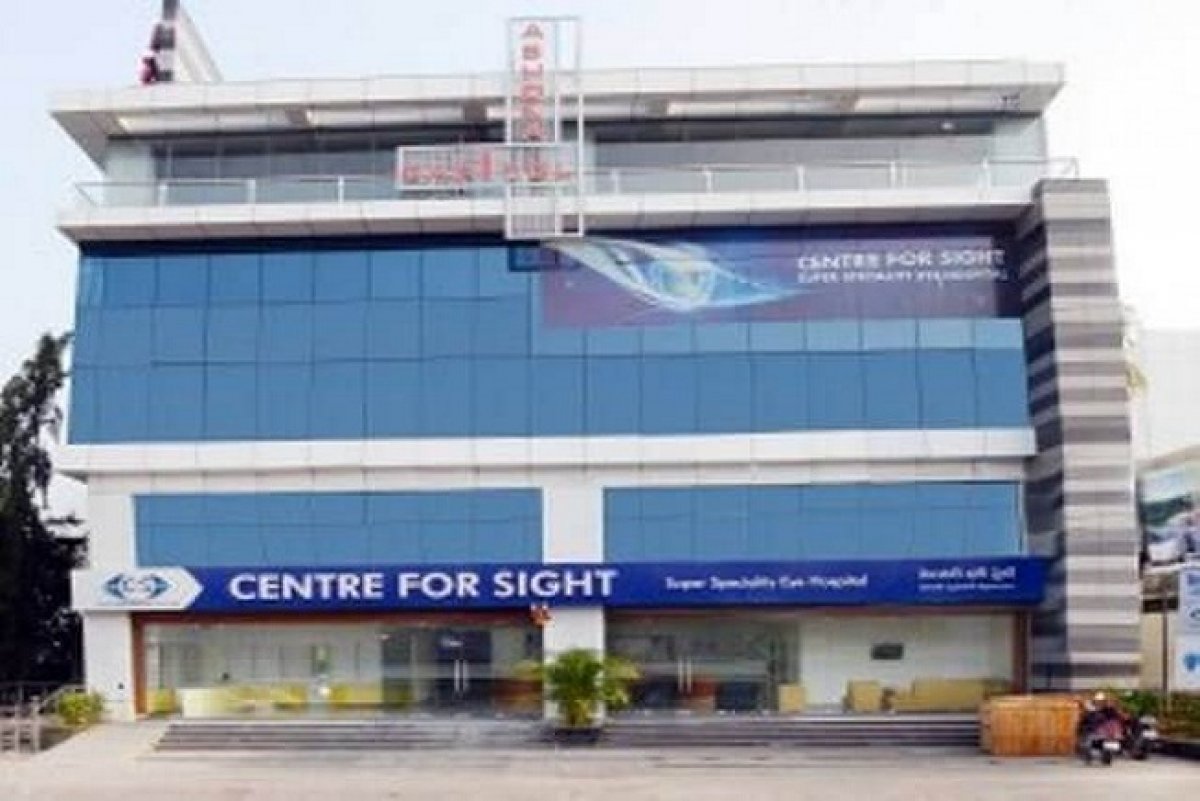
  • Clinical benchmarks: India houses JCI-accredited facilities like Artemis Hospitals and specialised chains such as Centre For Sight.

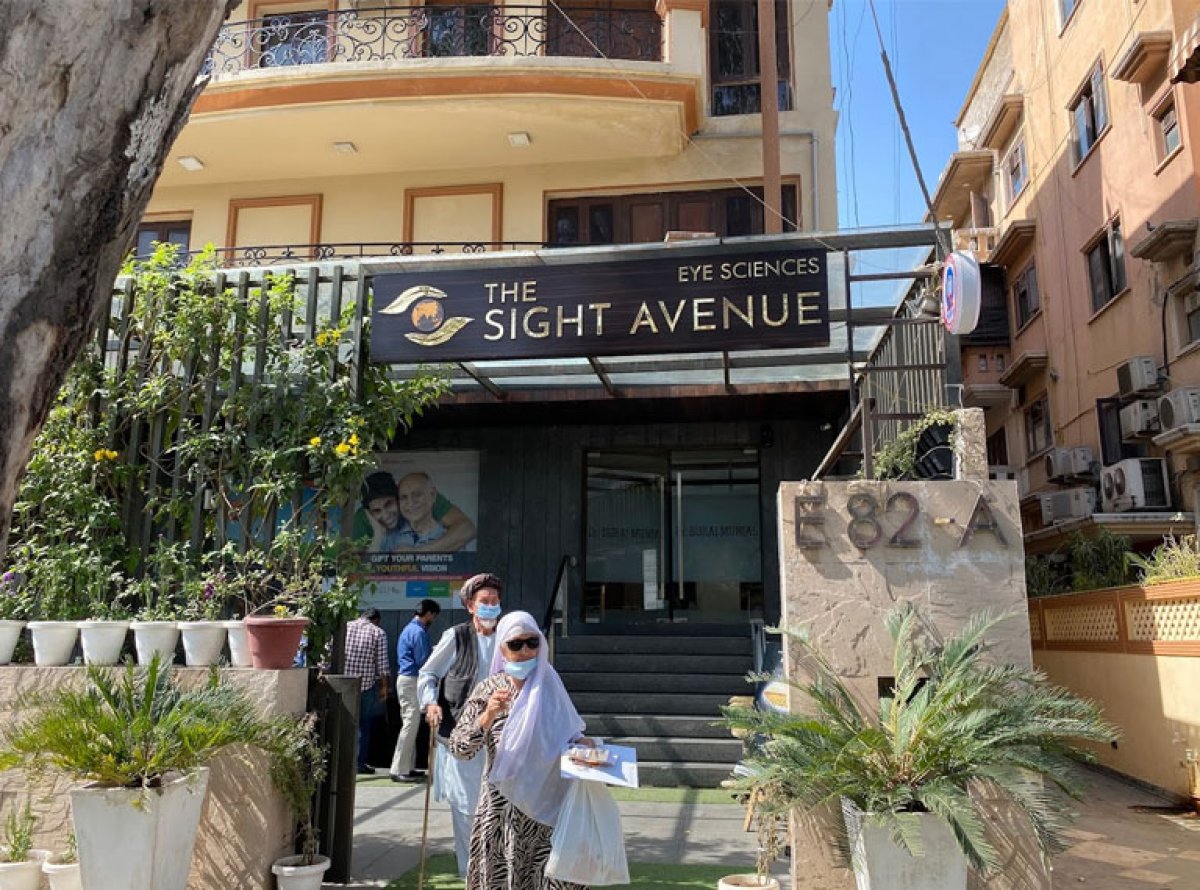
Bookimed Expert Insight: Data suggests India is a primary hub for complex corneal cases. It serves nearly 2,000 international requests through our platform. While multi-specialty giants like Manipal Hospitals provide care, single-specialty centres often offer focused diagnostic setups. These Delhi centres, like The Sight Avenue, specialise in corneal mapping. For Australian patients, choosing a JCI-accredited facility ensures standards that align with international safety expectations.

Patient Consensus: Patients note that CXL stabilises the eye rather than instantly restoring perfect vision. Many suggest confirming disease progression through repeat mapping before booking travel to India.

When is a corneal transplant or Keratoplasty necessary for Keratoconus treatment in India?

Corneal transplant in India is necessary when keratoconus reaches a stage that conservative treatments cannot manage. Specialists recommend surgery if the cornea thins dangerously or develops deep scarring. It is also required if the cornea becomes too irregular for specialised contact lenses. Only 5% to 10% of patients require this procedure.

  • Extreme thinning: Surgeons intervene when the cornea risks perforation or becomes physically unstable.
  • Severe scarring: Permanent opacity from chronic rubbing or fluid leakage blocks essential light entry.
  • Lens intolerance: Steep corneal bulging makes wearing scleral or rigid lenses painful or impossible.
  • Vision failure: Glasses cannot correct irregular astigmatism to a functional level for daily tasks.

Bookimed Expert Insight: Indian ophthalmology centres often preserve the patient's own inner cell layer. They do this through Deep Anterior Lamellar Keratoplasty (DALK). This technique is available at major hubs like Artemis Hospitals. It improves safety by lowering the risk of graft rejection compared to traditional transplants.

Patient Consensus: Patients in India typically view transplantation as a final step. This follow trials of specialty lenses or cross-linking. They report that significant scarring or contact lens discomfort usually triggers the decision.

Can I get Implantable Collamer Lenses (ICL) for Keratoconus in India?

Stabilised keratoconus patients can receive Implantable Collamer Lenses in India at JCI-accredited facilities. This procedure provides visual rehabilitation without altering the thinned cornea. Surgeons usually require corneal collagen cross-linking to confirm stability before lens implantation. Custom toric lenses often address the high astigmatism common in these cases.

  • Stability requirement: Keratoconus must be stable for 1–2 years through cross-linking before surgery.
  • Anterior depth: The eye must have at least 2.8 mm space to house the lens.
  • Imaging protocols: Specialists use Pentacam topography and tomography to map irregular corneal shapes accurately.
  • Clinical expertise: Indian centres like Centre For Sight specialise in sequential cross-linking and implantation.

Bookimed Expert Insight: Indian tertiary centres like Manipal Hospitals and Artemis Hospitals manage many patients. They often see over 20,000 cases annually. This scale allows departments to house dedicated cornea specialists. Specialists such as Dr Sameer Kaushal at Artemis focus specifically on complex corneal conditions. Choosing a multi-specialty hospital provides access to cross-linking and ICL technology in one place.

Patient Consensus: Patients emphasise that ICL is not a quick fix for keratoconus in India. They recommend bringing recent corneal maps. Patients should also expect a staged approach starting with cross-linking.

When are Intacs used during Keratoconus treatment in India?

Indian ophthalmologists use Intacs for mild to moderate keratoconus. They use them when spectacles or contact lenses no longer improve vision. These corneal ring segments reshape the eye to improve contact lens tolerance. Specialists at JCI-accredited facilities typically require a corneal thickness of at least 400 microns.

  • Clinical trigger: Surgeons use Intacs when patients develop severe intolerance or allergies to rigid contact lenses.
  • Corneal clarity: Treatment requires a clear central cornea without significant scarring so light passes through.
  • Combined therapy: Specialists often pair Intacs with corneal cross-linking (CXL). This helps to both reshape and strengthen the cornea.
  • Transplant delay: This procedure serves as a bridge to delay or eliminate the need for a transplant.

Bookimed Expert Insight: Indian eye care hubs like Chennai and Delhi specialise in 'phakic IOL' sequences. Specialists like Dr Sameer Kaushal at Artemis Hospitals may first use Intacs to regularise the corneal shape. Following 3 to 6 months of stabilisation, they often implant an ICL for permanent vision correction.

Patient Consensus: Patients in India note Intacs are a middle-ground option. They help avoid invasive transplants while making contact lens wear comfortable again. Many recommend asking surgeons if the goal is better vision or an improved lens fit.

What lifestyle modifications are required post-Keratoconus diagnosis?

After a keratoconus diagnosis, patients must stop all eye rubbing immediately. Mechanical friction thins the cornea. It also speeds up the progression of the disease. Patients must manage allergies and use protective eyewear outdoors. They should also follow strict contact lens hygiene. Regular topographic scans at JCI-accredited facilities monitor corneal stability.

  • Zero rubbing: Stop all eye contact. Rubbing weakens corneal fibres and worsens thinning.
  • Allergy control: Use antihistamine drops. Itchiness often triggers the urge to rub eyes.
  • UV protection: Wear wrap-around sunglasses. UV rays increase oxidative stress on corneal collagen.
  • Lens care: Follow strict cleaning routines. Scleral or rigid lenses require precise hygiene.

Bookimed Expert Insight: Indian eye centres like Centre For Sight and Artemis Hospitals treat thousands of patients annually. Data shows that successful long-term management often depends on early access to Corneal Cross-Linking (CXL). Seeking treatment at NABH-accredited facilities provides standardised care that prioritises corneal stabilisation before vision correction.

Patient Consensus: Patients emphasise that treating itchiness with prescribed drops is the best way to avoid rubbing. Many found that switching to scleral lenses required a longer adjustment period. However, it significantly improved their daily visual clarity in India.

Why can’t I wear normal soft contact lenses with Keratoconus?

Standard soft contact lenses are too flexible to correct keratoconus. They drape over the irregular, cone-shaped cornea instead of masking it. This moulding effect replicates the eye's distortion rather than providing a smooth surface. This leads to blurred vision and uncorrected astigmatism.

  • Moulding effect: Soft lenses conform to the cone shape instead of creating a new surface.
  • Poor refraction: Light scatters across the uneven cornea because the lens does not neutralise it.
  • Fit instability: Lenses frequently shift on the asymmetric corneal slope. This causes vision to fluctuate daily.
  • Optical gap: Standard lenses lack the firm material needed to trap a corrective liquid bridge.

Bookimed Expert Insight: Indian clinics such as The Sight Avenue and Centre For Sight specialise in complex fittings. These dedicated centres use diagnostics for scleral and hybrid options. These specialist lenses vault over the cornea. This provides 90% better visual clarity than standard soft disposables.

Patient Consensus: Patients note that soft lenses might feel comfortable initially. However, they soon provide unstable vision as the cone progresses. Experience shows that switching to rigid or scleral lenses in India offers significantly sharper optics.

احصل على استشارة مجانية

حدد أفضل طريقة للاتصال بك