الحول العلاج في كوريا الجنوبية - التكاليف 2026


تمت مراجعة المقالة طبيا من قبل
فهد مولود
ما هي تكلفة الحول إجراءات التشخيص والعلاج في كوريا الجنوبية؟ اعرف الآن
تتضمن تكلفة علاج الحول في جمهورية كوريا عادةً تشخيصاً مفصلاً للحول، والذي يتراوح سعره بين $130 و $300، بالإضافة إلى التصحيح الجراحي. تتراوح تكلفة جراحة الحول من $1,800 إلى $3,400 لكل عين. تعتمد النفقات النهائية على مدى تعقيد اختلال عضلات العين ومستوى العيادة. غالباً ما يوفر المرضى ما بين 35-40% مقارنة بالولايات المتحدة. تشمل أفضل المدن لهذا الإجراء سيول وإنشيون.
تكاليف علاج الحول النموذجية في جمهورية كوريا
- تشخيص الحول: $130 – $300
- استشارة طبيب عيون: $70 – $150
- فحص المصباح الشقي: $60 – $130
- اختبار حدة البصر: $20 – $70
- اختبار تخثر الدم: $40 – $100
- جراحة الحول: $1,800 – $3,400
- علاج الحول: $2,200 – $3,800
رؤية خبير Bookimed: يجب على المرضى الأطفال وأولئك الذين يعانون من اختلال معقد اختيار المراكز المعتمدة من قبل اللجنة الدولية المشتركة (JCI) مثل مستشفى سيفيرانس (Severance Hospital). تتميز هذه المنشأة بأقسام طب عيون مخصصة وأطباء متخصصين مثل تشان جينوو (Chan Jinwoo). بالنسبة للمرضى الذين يبحثون عن أعلى معايير السلامة، يقدم مستشفى جامعة سيول الوطنية رعاية على مستوى رئاسي مع رقمنة كاملة. توفر معظم العيادات الكبرى في سيول خيارات جراحية تبدأ من حوالي 2800 دولار، مما يضمن رعاية طبية عالية القيمة.
| كوريا الجنوبية | تركيا | إسبانيا | |
|---|---|---|---|
| علاج الحول | ≈ $2,200 | من $1,300 | من $5,600 |
| جراحة الحول | ≈ $1,800 | من $1,800 | من $14,800 |
مزاياك وضماناتك مع Bookimed
أسعار مباشرة
Bookimed لا يضيف رسوماً إضافية على أسعار علاج الحول. الأسعار مأخوذة من قوائم الأسعار الرسمية للعيادات. تدفع مباشرة في العيادة مقابل علاجك عند وصولك إلى البلد.
عيادات وأطباء معتمدون فقط
Bookimed ملتزم بسلامتك. نحن نعمل فقط مع المؤسسات الطبية التي تحافظ على معايير دولية عالية في علاج الحول ولديها التراخيص اللازمة لخدمة المرضى الدوليين في جميع أنحاء العالم.
مساعدة مجانية على مدار الساعة
Bookimed يقدم مساعدة خبراء مجانية. منسق طبي شخصي يدعمك قبل وأثناء وبعد العلاج، ويحل أي مشاكل. لن تكون وحيداً أبداً في رحلة علاج الحول.

منسقك الطبي الشخصي في Bookimed
- يدعمك في كل مرحلة
- المساعدة في اختيار العيادة الطبية المناسبة والطبيب المناسب
- يضمن الوصول السريع والمريح إلى المعلومات
اكتشف أفضل الحول العيادات في كوريا الجنوبية: 7 خيارات معتمدة والأسعار







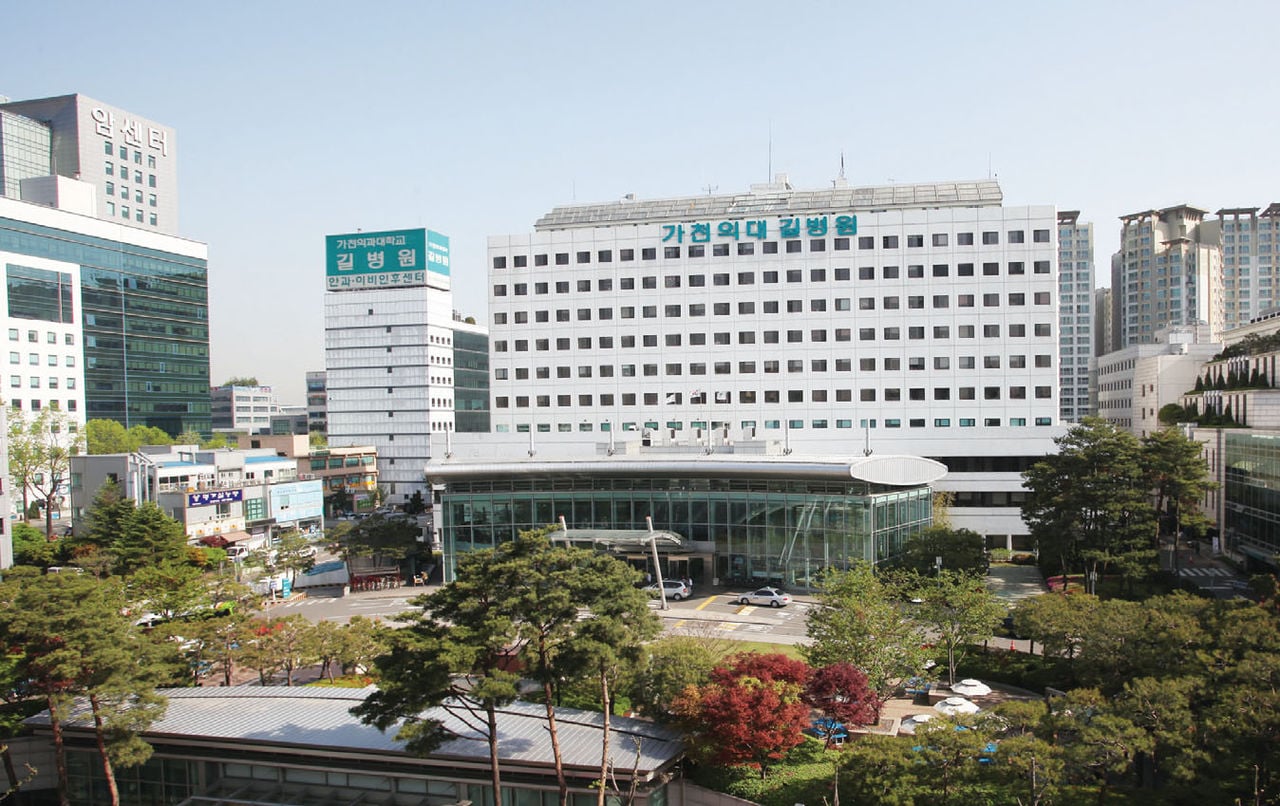





Bumin Hospital Seoul


احصلوا على تقييم طبي لـ الحول في كوريا الجنوبية: استشيروا أطباء ذوي خبرة الآن
عرض جميع الأطباء
Seung Hahn
أخصائي في العلاج الجراحي للحول في مستشفى سيفيرانس.
- يركز حصرياً على جراحة الحول
- يعمل في واحدة من المستشفيات الرائدة في كوريا الجنوبية
- مدرب على تقنيات جراحة العيون المتقدمة

Chan Jinwoo
أخصائي في الحول وطب عيون الأطفال في مستشفى سيفيرانس.
- يركز على حالات الحول لدى البالغين والأطفال
- خبرة في تشخيص وعلاج مشاكل محاذاة العين المعقدة
- يعمل في أحد المراكز الطبية الرائدة في كوريا الجنوبية
مشاركة المحتوى
قصص فيديو من مرضى Bookimed
 Anna Leonova
أسئلة متكررة حول علاج الحول في كوريا الجنوبية
ما هي الطرق الجراحية الشائعة الاستخدام لعلاج الحول في كوريا؟
في كوريا الجنوبية، يعتمد أطباء العيون بشكل أساسي على تقنيات إرخاء عضلات العين واستئصال أليافها لتصحيح محاذاة العين، مع التركيز بشكل خاص على تقنيات الخياطة القابلة للتعديل. وتستخدم المراكز المتقدمة في سيول هذه التقنيات إلى جانب جراحة الحول طفيفة التوغل (MISS) لعلاج الحالات الشائعة بدقة، مثل الحول الوحشي والحول الإنسي المتقطعين.
- تراجع العضلات: فصل وإعادة ربط العضلات الموجودة بعيدًا عن الجسم لتقليل قوة شدها.
- استئصال العضلة: تقصير جزء من العضلة لتعزيز قدرتها على الاستقامة.
- الخيوط الجراحية القابلة للتعديل: تسمح للجراحين بضبط وضع العينين بدقة بعد يوم أو يومين من العملية.
- الجراحة طفيفة التوغل: استخدام شقوق أصغر لتقليل إصابات الأنسجة وتسريع الشفاء.
رأي خبراء بوكيمد: بينما تعتمد العديد من المراكز العالمية على الجراحة التقليدية ذات الغرز الثابتة، تُعطي المستشفيات الجامعية الكورية، مثل مستشفى سيفرانس، الأولوية لتقنيات الغرز القابلة للتعديل. ولأن هذه المؤسسات، مثل مركز آسان الطبي، تُعالج آلاف المرضى الخارجيين يوميًا، فقد طورت بروتوكولات تصحيحية مُتقنة تُجرى في نفس اليوم. يُعد هذا النهج فعالًا بشكل خاص للبالغين، إذ يُقلل بشكل كبير من الحاجة إلى عمليات جراحية مُتكررة، حيث يُمكن
هل من الممكن علاج الحول لدى البالغين في كوريا، أم أنه مخصص للأطفال فقط؟
في كوريا الجنوبية، يمكن للبالغين تلقي علاج فعال للحول باستخدام بروتوكولات جراحية وغير جراحية متخصصة. وتقدم مؤسسات رائدة مثل مستشفى سيفرانس ومركز أسان الطبي إجراءات متقدمة لتقويم العين، بما في ذلك جراحة الخياطة القابلة للتعديل، المصممة خصيصًا لتصحيح ازدواج الرؤية واختلال محاذاة العين لدى المرضى البالغين.
- التقنيات الجراحية: يستخدم الأخصائيون خيوطًا قابلة للتعديل لتصحيح وضع العينين بدقة بينما يكون المريض واعيًا.
- معدلات النجاح: تشير المراكز الطبية الكورية إلى معدلات نجاح تتراوح بين 85 و90% في تحقيق محاذاة ناجحة للعين.
- الأطباء المتخصصون: الدكتور سيونغ هان من مستشفى سيفرانس متخصص حصرياً في علاج الحالات المعقدة من الحول.
- الطاقة الاستيعابية للمستشفى: يقوم مركز أسان الطبي بإجراء أكثر من 65000 عملية جراحية سنوياً في 88 قسماً طبياً.
رأي خبراء بوكيمد: على الرغم من اعتقاد الكثيرين بأن علاج الحول مُصمم للأطفال، إلا أن المستشفيات الكورية الجنوبية التي تستخدم التكنولوجيا الرقمية تُحسّن أساليب علاج البالغين بفضل العدد الكبير من المرضى. يُعالج مستشفى جامعة سيول الوطنية بوندانغ، أول مؤسسة رقمية بالكامل في البلاد، 1,500,000 مريض سنويًا. تُمكّن هذه البيانات الضخمة الجراحين من التنبؤ ب
كم من الوقت يجب أن أبقى في كوريا لإجراء جراحة تصحيح الحول؟
تستغرق الإقامة النموذجية في كوريا الجنوبية لإجراء جراحة الحول ما بين 7 و14 يومًا. يتيح ذلك إجراء الفحوصات اللازمة للعين قبل العملية، وإجراء العملية نفسها في العيادة الخارجية، ومواعيد المتابعة المهمة. تضمن الإقامة لمدة 7 أيام على الأقل استقرار الرؤية والسلامة أثناء السفر الدولي بفضل اختلاف ضغط المقصورة.
- التحضير قبل العملية: الوصول قبل يوم أو يومين من الجراحة لإجراء فحص المصباح الشقي واختبار حدة البصر.
- مدة الجراحة: تستغرق عملية العيادة الخارجية عادةً من 20 إلى 60 دقيقة تحت التخدير الموضعي أو العام.
- المتابعة الأولية: يقوم الجراحون بتحديد مواعيد زيارات المتابعة الأولية بعد 3-5 أيام للتحقق من الوضع الصحيح للعضلات.
- سلامة الطيران: يوصي الخبراء الطبيون بالانتظار من 7 إلى 10 أيام قبل السفر جواً لتقليل خطر الإصابة بالعدوى.
رأي خبراء بوكيمد: على الرغم من وجود العديد من عيادات طب العيون في منطقة غانغنام، إلا أن اختيار مركز متعدد التخصصات كبير مثل مستشفى سيفرانس أو مستشفى جامعة سيول الوطنية يوفر ضمانًا إضافيًا. تستخدم هذه المؤسسات أنظمة رقمية متطورة مثل BESTcare لتقليل الأخطاء الطبية. تشير البيانات إلى أنه في الحالات المعقدة التي تتطلب تصحيح عضلات متعددة، فإن التنسيق مع أخصائي