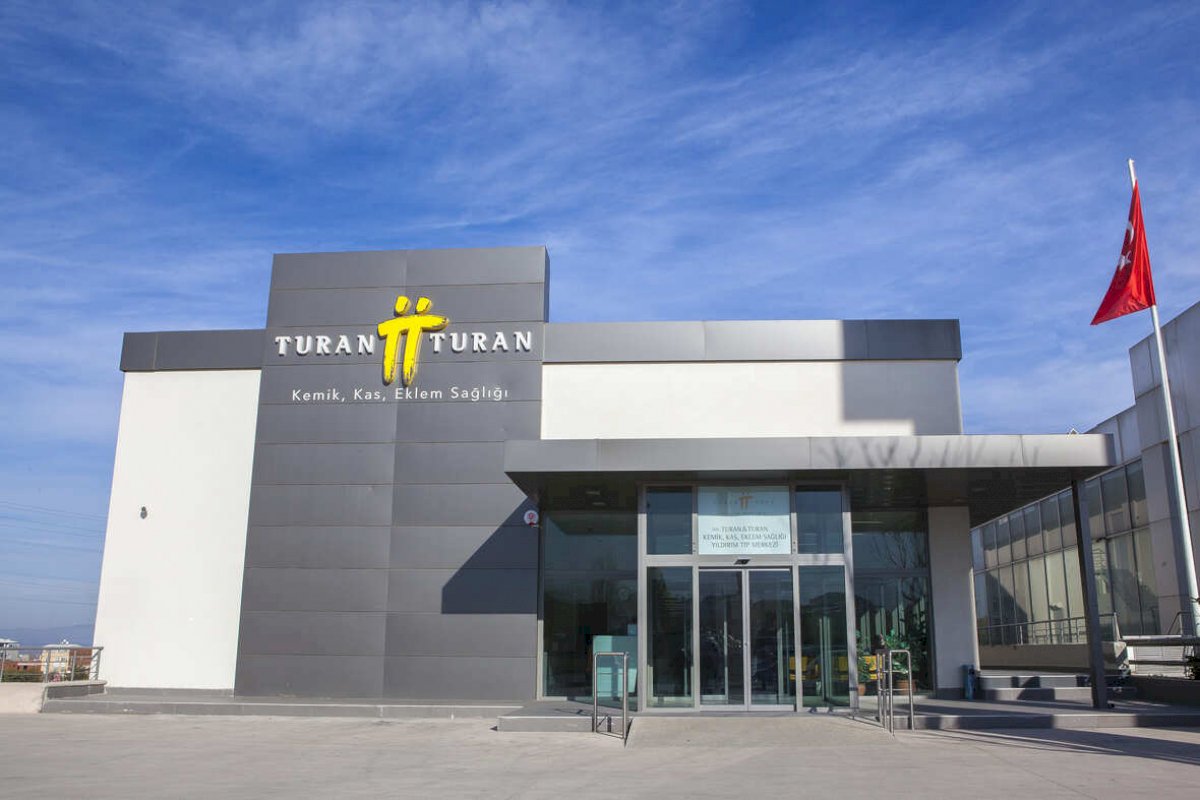
Fizyomer Terapia Physical Therapy and Rehabilitation & Aesthetic & Dental Medical Center
تركيا, Eskisehir
العيادة معتمدة من قبل : 


تمت مراجعة المقالة طبيا من قبل
فهد مولود
تتراوح تكلفة إعادة التأهيل في تركيا عادةً ما بين $1,100 و $5,000. يعتمد السعر الإجمالي على الحالة التي يتم علاجها، وكثافة جلسات العلاج، وما إذا كنت بحاجة إلى إقامة داخل المستشفى أو معدات روبوتية متخصصة. وغالباً ما يوفر المرضى ما بين 50% إلى 90% مقارنة بالولايات المتحدة.
تكاليف إعادة التأهيل النموذجية في تركيا
تقع مراكز إعادة التأهيل الرئيسية في إسطنبول وأنقرة وبورصة. وفي حين تضم إسطنبول أكبر المراكز المتخصصة، قد تقدم المرافق في أنقرة أسعاراً أقل قليلاً للبرامج طويلة الأمد. استشر أخصائياً للحصول على تسعير دقيق لاحتياجات التعافي الخاصة بك.
| تركيا | إسبانيا | ألمانيا | |
|---|---|---|---|
| علاج سنوزلن | من $150 | ≈ $380 | ≈ $90 |
| العلاج الوظيفي باستخدام فأرة الكمبيوتر الرأسية | ≈ $450 | ≈ $750 | ≈ $1,000 |
| العلاج التأهيلي بواسطة جهاز لوكومات (Lokomat) | من $300 | من $170 | ≈ $7,500 |
| العلاج التأهيلي بواسطة الهيكل الخارجي (Exoskeleton) | ≈ $1,800 | ≈ $1,800 | ≈ $6,500 |
| العلاج التأهيلي بنظام فيكتور كيت (Vector Gait System) | من $1,300 | ≈ $3,800 | ≈ $6,500 |
Bookimed لا يضيف رسوماً إضافية على أسعار علاج إعادة تأهيل. الأسعار مأخوذة من قوائم الأسعار الرسمية للعيادات. تدفع مباشرة في العيادة مقابل علاجك عند وصولك إلى البلد.
Bookimed ملتزم بسلامتك. نحن نعمل فقط مع المؤسسات الطبية التي تحافظ على معايير دولية عالية في علاج إعادة تأهيل ولديها التراخيص اللازمة لخدمة المرضى الدوليين في جميع أنحاء العالم.
Bookimed يقدم مساعدة خبراء مجانية. منسق طبي شخصي يدعمك قبل وأثناء وبعد العلاج، ويحل أي مشاكل. لن تكون وحيداً أبداً في رحلة علاج إعادة تأهيل.


يمتلك الطبيب خبرة واسعة في طب العيون، متخصص في العلاجات والجراحات للحول، وجماليات العين، والغمش، وإعتام عدسة العين، وأمراض الشبكية. بالإضافة إلى ذلك، يتمتع الطبيب بمهارة في صحة عيون الأطفال ويجري فحوصات شاملة للعين.<\/p>
تخرج الطبيب من كلية الطب في إسطنبول وأكمل تخصصه في مستشفى تدريب وأبحاث العيون في بيوغلو. الطبيب عضو في الجمعية الطبية التركية، وجمعية طب العيون التركية، والجمعية الأوروبية لجراحي الساد والانكسار.<\/p>

يتخصص الدكتور فاتح تيميزتورك في التأهيل العصبي والعظمي في مركز نوبل الطبي للعلاج الطبيعي والتأهيل.
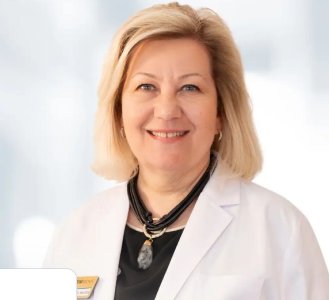
الأستاذ الدكتور Güneş Yavuzer أستاذ في العلاج الطبيعي وإعادة التأهيل منذ عام 2011، كما يعمل طبيبًا استشاريًا في مراكز ROMATEM لإعادة التأهيل. حصل على شهادة الطب وتخصص في العلاج الطبيعي وإعادة التأهيل من جامعة أنقرة، وأكمل الدكتوراه في جامعة إيراسموس في هولندا.
يركز على إعادة التأهيل العصبي والعضلي الهيكلي. تشمل مجالاته السريرية السكتة الدماغية، وإصابات الحبل الشوكي، والتصلب المتعدد، ومرض باركنسون، واضطرابات التوازن. يتخصص في إعادة التأهيل الروبوتي، وتحليل المشي، والتعافي الوظيفي. له من


كتب بواسطة Ana Hurevska

كتب بواسطة Ana Hurevska

كتب بواسطة Veronika Kazina
 Anna Leonova
تُعتبر تركيا وجهة رائدة للتأهيل، حيث تقدم معايير عالية من الأمان والعديد من المرافق المعتمدة من قبل اللجنة الدولية المشتركة (JCI). توفر المدن الكبرى مثل إسطنبول وأنقرة إمكانية الوصول إلى التقنيات الروبوتية المتقدمة. تتبع مراكز مثل مركز الأناضول الطبي ومستشفى ميموريال شيشلي بروتوكولات سريرية دولية صارمة.
رؤية خبراء بوكيميد: تُظهر البيانات أن مراكز التأهيل الرائدة في تركيا، مثل ميديبول ميجا ومستشفى حصار، تدير حجمًا كبيرًا من المرضى قد يصل إلى 1,000,000 سنويًا. وهذا التكرار العالي يسمح للعيادات بالاستثمار في أحدث التشخيصات الداعمة بالذكاء الاصطناعي مثل MRI بقوة 3 تسلا وCT بـ 512 شريحة. اختيار هذه المراكز ذات الحجم العالي يمنح عادةً وصولًا إلى فرق متعددة التخصصات أكثر خبرة وأوقات تشخيص أسرع.
اتفاق المرضى: يشعر المرضى بأمان أكبر في الفنادق المراقبة للتعافي مقارنة بالإقامات العادية. غالبًا ما يلاحظون أن الموظفين يعاملونهم كعائلة، مما يساعد بشكل كبير مع الجانب العاطفي من التعافي الطويل الأمد.
عادةً ما تجمع حزم التأهيل في تركيا بين العلاجات السريرية المكثفة والدعم اللوجستي. تحتوي هذه البرامج على جلسات يومية من العلاج الطبيعي والوظيفي والنطق، مخصصة للاحتياجات المتعلقة بالسكتة الدماغية أو إصابات الحبل الشوكي أو الأطفال. تتضمن معظم الحزم الإقامة داخل المستشفى، وتشخيصات متخصصة، وفحوصات عصبية لضمان عملية تعافي منظمة.
رؤى الخبراء من بوكيميد: تكشف البيانات من إسكيشهير ومراكز أخرى في تركيا أن العيادات التي تستقبل أكثر من 10,000 مريض سنويًا، مثل فيزيومر تيرابيا، غالبًا ما تقدم برامج تكاملية أكثر كثافة. تشتمل هذه المراكز بشكل متكرر على خدمات فريدة مثل قياسات وظائف الدماغ أو رعاية الأطفال المتخصصة في سعر ثابت واحد. تؤدي هذه الخبرة القائمة على الحجم عادة إلى تحقيق معدلات نجاح أعلى تصل إلى 98٪ للحالات المعقدة.
إجماع المرضى: يقدّر المرضى عندما تشتمل الحزم على مطبخ في غرف فندقهم لإعداد وجبات منزلية. كما ي
تركز مراكز إعادة التأهيل في تركيا بشكل رئيسي على علاج الاضطرابات العصبية، وحالات الأطفال مثل الشلل الدماغي، والإصابات العظمية. تقارير المنشآت المتخصصة مثل فيزيومير تيراياً نسبة نجاح تصل إلى 98% في برامج السكتات الدماغية والشلل الدماغي. يقومون بدمج الروبوتات المتقدمة والعلاج الطبيعي المكثف والعلاج المائي لتسريع الشفاء البدني والمرونة العصبية.
تقييم خبير بوكيميد: تظهر البيانات من مراكز ذات حجم كبير مثل فيزيومير تيراياً، التي تخدم أكثر من 10,000 مريض سنويًا، توجهاً واضحاً نحو رعاية المرضى الداخليين التي تركز على الأسرة. غالباً ما توفر هذه العيادات غرفاً بنمط الفنادق مع مطابخ خاصة. يسمح ذلك للعائلات بإعداد وجبات منزلية، مما يحسن بشكل كبير من الرفاهية العاطفية وسرعة التعافي لدى المرضى الأطفال.
توافق المرضى: غالباً ما تبرز العائلات صبر المعالجين وراحة النقل اليومي. لاحظ أحد الوالدين أن رؤية تقدم واضح في حركة طفلهما جلبت فرحة كبيرة للعائلة بأكملها.
تستخدم مراكز إعادة التأهيل في تركيا أنظمة روبوتية ورقمية متقدمة لتسريع التعافي للحالات العصبية والعضلية الهيكلية. تشمل التقنيات الرئيسية تدريب المشي باستخدام لوكومات، وأنظمة ER2School الروبوتية، وبيئات الواقع الافتراضي (VR). تدمج هذه المرافق التعافي الحركي عالي التقنية مع التشخيصات المتخصصة لتخصيص خطط علاج المرضى.
رؤية خبراء بوكيميد: تظهر البيانات أن المراكز التي تحتوي على أكثر من 10,000 مريض سنويًا، مثل فيزيومر تيرابيا، غالبًا ما تقدم برامج تكاملية أكثر شمولًا. تجمع هذه العيادات بين العلاج الروبوتي والعلاجات التقليدية مثل الأوزون أو العلاج العصبي. يساعد هذا النهج متعدد الوسائط المرضى على تحقيق معدلات نجاح أعلى في حالات التعافي الوظيفي المعقد.
اتفاق المرضى: يلاحظ المرضى أن مزيج الروبوتات الحديثة والأساليب التقليدية مثل التدليك وتمارين الماء فعّال. تقدر العائلات بشكل خاص عندما يستخدم المعالجون نهجًا مهنيًا ولطيفًا لمساعدة الأطفال على البقاء متحمسين خلال الجلسات المكثفة.
تُزيل مراكز إعادة التأهيل الخاصة في تركيا الحواجز اللغوية من خلال توفير منسقين للمرضى متعددين اللغات ومترجمين محترفين. توظف مرافق مثل مستشفى ميموريال شيشلي ومركز الأناضول الطبي متخصصين يتحدثون الإنجليزية. تستخدم هذه المراكز أقسام المرضى الدوليين لإدارة جميع الاتصالات بدءاً من التشخيص الأولي وحتى جلسات العلاج الطبيعي اليومية المكثفة.
رؤى خبراء Bookimed: تُظهر البيانات أن المراكز التي تستقبل أكثر من 10,000 مريض سنوياً، مثل Fizyomer Terapia، تُعطي الأولوية للتكامل. يقومون بتعيين مترجمين مخصصين يرافقون المريض خلال العلاج بمساعدة الروبوت. يضمن ذلك تغذية راجعة في الوقت الحقيقي بين المريض والمعالج، وهو أمر حيوي للتعافي العصبي. تشتمل العيادات في إسطنبول وإسكيشهير عادةً على هذه الخدمات في حزم إعادة التأهيل القياسية.
إجماع المرضى: يُلاحظ المرضى أنه بينما يتواصل موظفو العيادة والأطباء بطلاقة باللغة الإنجليزية، فإنه من المفيد استخدام تطبيقات الترجمة للتفاعلات مع موظفي الفندق أو الخدمات المحلية. يؤكد معظمهم أن المترجمين المعينين دائماً متاحون لحل أي
ينبغي على معظم المرضى التخطيط لمدة تتراوح بين 7 إلى 14 يوماً للتأهيل في تركيا. عادة ما تتضمن هذه الفترة إقامة في المستشفى لمدة 6 أيام يليها فترة تعافي في الفندق. البرامج المكثفة للحالات العصبية أو العظمية غالباً ما تتطلب على الأقل 10 أيام لضمان تقدم مستقر قبل السفر.
تقييم خبير من Bookimed: العيادات التي تعالج أكثر من 10,000 مريض سنويًا، مثل Fizyomer Terapia، غالبًا ما تضم في حزمها إقامة في فنادق 4 نجوم مع وجبتين يومياً لمدة 7 أيام. يسمح لهم هذا الحجم بدمج جلسات يومية مكثفة مع معدات متخصصة مثل أنظمة الروبوت Lokomat. إن مثل هذه الإعدادات الشاملة تقلل من الإجهاد اللوجستي، مما يحسن بشكل كبير من نتائج التعافي المبكرة للمرضى الدوليين.
إجماع المرضى: يشير المرضى إلى أهمية حجز الرحلات الجوية المرنة لأن البقاء لمدة تتراوح بين 10 إلى 14 يومًا يساعد في التغلب على التعب غير المتوقع للسفر. ينصح الكثيرون بإحضار أدوية إضافية واختيار الفنادق التي تحتوي على مطابخ صغيرة للحفاظ على روتين مريح خلال فترة التعافي.
يدخل معظم المرضى الدوليين إلى تركيا لإعادة التأهيل باستخدام تأشيرة إلكترونية قياسية أو تأشيرة سياحية. غالبًا ما يتمتع مواطنو المملكة المتحدة والولايات المتحدة الأمريكية والاتحاد الأوروبي بدخول بدون تأشيرة لمدة 90 يومًا. بالنسبة للبرامج المكثفة التي تزيد عن 3 أشهر، يتقدم المرضى عادةً للحصول على تصريح إقامة قصير الأمد بعد الوصول.
رأي خبراء Bookimed: تُظهر بياناتنا أن 90٪ من المرضى الذين يخضعون لإعادة التأهيل يكملون علاجهم ضمن نافذة التأشيرة القياسية التي تبلغ 90 يومًا. بالنسبة للحالات المعقدة في مستشفى الدماغ NP Istanbul أو فيزيومير تيرابيا، غالبًا ما تساعد العيادات في تنسيق عملية تصريح الإقامة. هذا ضروري لأن البرامج المكثفة لإعادة التأهيل عبر الروبوت تتطلب عادةً من 4 إلى 6 ساعات من العلاج اليومي على مدى عدة أسابيع.
إجماع المرضى: يُلاحظ المرضى أن الحصول على خطاب دعوة رسمي من العيادة يسهل كثيراً عملية الدخول. وينصح الكثيرون باختيار باقات تشمل إقامة في فنادق مع مرافق مطبخ، حيث يجعل ذلك فت