إعادة تأهيل في الهند — التكاليف 2026


تمت مراجعة المقالة طبيا من قبل
فهد مولود
ما هي تكلفة إعادة تأهيل في الهند؟ اكتشف الآن
| الهند | تركيا | إسبانيا | |
|---|---|---|---|
| علاج سنوزلن | ≈ $180 | من $150 | ≈ $380 |
| العلاج الوظيفي باستخدام فأرة الكمبيوتر الرأسية | ≈ $450 | ≈ $450 | ≈ $750 |
| العلاج التأهيلي بواسطة جهاز لوكومات (Lokomat) | ≈ $3,200 | من $300 | من $170 |
| العلاج التأهيلي بواسطة الهيكل الخارجي (Exoskeleton) | ≈ $1,800 | ≈ $1,800 | ≈ $1,800 |
| العلاج التأهيلي بنظام فيكتور كيت (Vector Gait System) | ≈ $1,800 | من $1,300 | ≈ $3,800 |
جميع أمراض إعادة تأهيل
مزاياك وضماناتك مع Bookimed
أسعار مباشرة
Bookimed لا يضيف رسوماً إضافية على أسعار علاج إعادة تأهيل. الأسعار مأخوذة من قوائم الأسعار الرسمية للعيادات. تدفع مباشرة في العيادة مقابل علاجك عند وصولك إلى البلد.
عيادات وأطباء معتمدون فقط
Bookimed ملتزم بسلامتك. نحن نعمل فقط مع المؤسسات الطبية التي تحافظ على معايير دولية عالية في علاج إعادة تأهيل ولديها التراخيص اللازمة لخدمة المرضى الدوليين في جميع أنحاء العالم.
مساعدة مجانية على مدار الساعة
Bookimed يقدم مساعدة خبراء مجانية. منسق طبي شخصي يدعمك قبل وأثناء وبعد العلاج، ويحل أي مشاكل. لن تكون وحيداً أبداً في رحلة علاج إعادة تأهيل.

منسقك الطبي الشخصي في Bookimed
- يدعمك في كل مرحلة
- المساعدة في اختيار العيادة الطبية المناسبة والطبيب المناسب
- يضمن الوصول السريع والمريح إلى المعلومات
اكتشف أفضل عيادات إعادة تأهيل: 47 خيارات معتمدة والأسعار



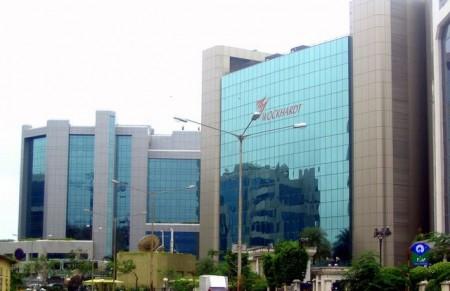
Wockhardt Hospital








أفضل مراكز إعادة تأهيل في الهند
- Artemis Hospitals, الهند
- Fortis Escorts Heart Institute, الهند
- Wockhardt Hospital, الهند
- Manipal Hospitals, الهند
- Global Hospital Chennai, الهند
- BLK Super Speciality Hospital, الهند
- Wockhardt Hospital South Mumbai, الهند
- Kohinoor Hospitals, الهند
- SevenHills Hospital, الهند
- Medanta - The Medicity, الهند
احصل على تقييم طبي لـ إعادة تأهيل في الهند. استشر الآن 24 أطباء ذوي الخبرة.
عرض جميع الأطباء
Rinchen Doma Bhutia
Aparna Kabbe
مواد ذات صلة

أفضل 10 مراكز لإعادة التأهيل في العالم: تصنيف المريض المحجوز
كتب بواسطة Ana Hurevska

التعافي من استبدال الركبة: الاتجاهات والأرقام 2018
كتب بواسطة Ana Hurevska

هل هناك حياة بعد السكتة الدماغية؟
كتب بواسطة Veronika Kazina
مشاركة المحتوى
قصص فيديو من مرضى Bookimed
 Anna Leonova
أسئلة متكررة حول إعادة تأهيل في الهند
ما هي المؤهلات التي يجب أن أبحث عنها في مركز إعادة تأهيل هندي؟
يجب أن تكون مراكز إعادة التأهيل الهندية المعتمدة حاصلة على اعتماد من المجلس الوطني لاعتماد المستشفيات ومقدمي الرعاية الصحية (NABH). تحقق من أن الأخصائيين النفسيين السريريين مسجلون لدى مجلس إعادة التأهيل في الهند (RCI). يجب أن تمتثل المرافق التي تعالج الصحة العقلية أو الإدمان لقانون الرعاية الصحية العقلية لعام 2017.
- اعتماد المستشفى: ابحث عن شهادات السلامة ذات المعيار الذهبي من اللجنة الدولية المشتركة (JCI) أو NABH.
- طاقم عمل متخصص: تأكد من أن المعالجين حاصلون على درجة الماجستير في العلاج الطبيعي (MPT) أو درجة الدكتوراه في طب الأعصاب.
- الإشراف السريري: تأكد من أن طبيباً أو طبيباً نفسياً مرخصاً يقود فريق إعادة التأهيل متعدد التخصصات.
- الامتثال التنظيمي: يجب أن تحتفظ المراكز بتسجيل نشط لدى هيئة الصحة العقلية بالولاية (State Mental Health Authority).
رؤية خبراء Bookimed: تُظهر البيانات أن مراكز النخبة الهندية مثل مستشفيات مانيبال (Manipal Hospitals) ومستشفيات أرتميس (Artemis Hospitals) تجمع بين اعتماد JCI وأعداد كبيرة من المرضى. غالباً ما تضم هذه المرافق رؤساء أقسام ذوي مؤهلات دولية، مثل درجات دكتور في تقويم العظام من إسبانيا أو شهادات من المملكة المتحدة. تضمن هذه الخبرة المزدوجة أن البروتوكولات السريرية تلبي المعايير العالمية مع الحفاظ على الامتثال التنظيمي المحلي.
إجماع المرضى: يؤكد المرضى على أهمية التحقق من تراخيص المعالجين الأفراد مثل BPT أو MPT مباشرة. الاعتماد فقط على السمعة العامة للعيادة قد يكون محفوفاً بالمخاطر
ما هو معدل نجاح علاج الإدمان في الهند؟
تتراوح معدلات نجاح علاج الإدمان في الهند من 30% للنماذج التقليدية إلى 81% للبرامج التطوعية المتخصصة. يعتمد الامتناع المستدام بشكل كبير على نوع المادة ومدة البرنامج. يُظهر التعافي من المواد الأفيونية تحسنًا بنسبة 70% مع العلاج بالبدائل المستمر والإشراف الطبي.
- مدة البرنامج: تزيد الإقامات السكنية المكثفة لمدة 90 يومًا بشكل كبير من الاستقرار والرزانة على المدى الطويل.
- التعافي من المواد الأفيونية: يحقق العلاج بالبدائل الذي يتضمن البوبرينورفين نسبة احتفاظ بالمرضى تبلغ 81.5% بعد 6 أشهر.
- نجاح العيادات الخارجية: تبلغ المراكز المتخصصة مثل NIMHANS عن نجاح بنسبة 70% في تجنب الانتكاس الفوري.
- المرافق المعتمدة: تمتلك أفضل المستشفيات مثل Artemis و Manipal اعتمادات JCI و NABH.
رؤية خبير Bookimed: تُظهر البيانات من المراكز الرئيسية مثل دلهي ومومباي وجود علاقة بين الرعاية متعددة التخصصات والتعافي. تدمج مرافق مثل مستشفى BLK Super Speciality إعادة التأهيل مع الخبرة العصبية تحت إشراف متخصصين مثل الدكتور دارام باني باندي. يعالج هذا النهج السريري الضرر الجسدي الكامن الذي غالبًا ما تغفله مراكز إزالة السموم الأساسية.
إجماع المرضى: يشير المرضى إلى أن النجاح على المدى الطويل نادر بدون علاج عائلي نشط ورعاية لاحقة صارمة. يؤكد الكثيرون على ضرورة فحص المراكز بعناية لتجنب البيئات القسرية التي تعطي الأولوية للربح على الاستشارة النفسية الحقيقية.
كم تستغرق مدة برنامج العلاج النموذجي؟
تستغرق برامج إعادة التأهيل النموذجية في الهند من 21 إلى 90 يومًا للرعاية الداخلية. غالبًا ما تمتد البرامج الخاصة بالحالات المزمنة أو التعافي العصبي من شهر إلى 6 أشهر. تركز معظم المراكز على الاستقرار الفوري خلال أول 30 يومًا. عادةً ما تتطلب تغييرات السلوك والعادات 90 يومًا.
- إعادة التأهيل العصبي: تستغرق البرامج المكثفة مثل التعافي من السكتة الدماغية عادةً من شهر إلى 6 أشهر.
- التعافي العظمي: يتراوح العلاج الطبيعي بعد الجراحة عادةً من 4 إلى 12 أسبوعًا.
- علاج الإدمان: تتطلب البرامج 21 يومًا كحد أدنى ولكن يوصى بـ 90 يومًا للنجاح.
- الرعاية النفسية: تستغرق إقامات الصحة العقلية الداخلية عادةً من شهر إلى 3 أشهر للحصول على نتائج.
رؤية خبير Bookimed: غالبًا ما ترتبط مؤشرات الجودة في الهند بأحجام المرضى الكبيرة والاعتمادات الدولية. على سبيل المثال، تخدم مستشفيات مانيبال 2,000,000 مريض سنويًا وتحظى باعتراف نيوزويك. غالبًا ما توفر الشبكات الكبيرة مثل هذه أو مستشفى جلوبال تشيناي جداول زمنية أكثر قابلية للتنبؤ لأنها تتعامل مع أكثر من 18,000 عملية جراحية سنويًا. يضمن هذا الحجم بروتوكولات تعافي موحدة قد تفتقر إليها العيادات الأصغر.
إجماع المرضى: يشير المرضى إلى أنه على الرغم من أن بعض المرافق تعطي الأولوية للدوران السريع، يجب عليك المطالبة بالتمديد إذا كان التعافي بطيئًا. يجد الكثير من الناس نتائج أفضل على المدى الطويل من خلال الجمع بين إقامة مكثفة لمدة 3 أشهر ورعاية متابعة تراقبها الأسرة.
هل توجد خيارات إعادة تأهيل مجانية أو مدعومة من الحكومة في الهند؟
توفر الهند إعادة تأهيل مجانية أو مدعومة من الحكومة من خلال برنامج إزالة السموم (DDAP) وخطة العمل الوطنية لخفض الطلب على المخدرات (NAPDDR). تقدم هذه المبادرات الاستشارة والعلاج دون أي تكلفة. وتوفر المستشفيات العامة الكبرى ومراكز المناطق هذه الخدمات للمواطنين المؤهلين.
- الخطط الحكومية: توفر NAPDDR منحاً مالية لتحديد الهوية والاستشارة وعلاج الإدمان.
- المرافق العامة: تقدم مستشفيات المناطق وكليات الطب الحكومية رعاية مجانية للمرضى الداخليين والخارجيين.
- بطاقات الأهلية: يحصل المرضى الذين يحملون بطاقات Ayushman Bharat أو BPL على خدمات مدعومة للإعاقة والصحة العقلية.
- دعم الأطراف الصناعية: توفر ALIMCO مساعدات وأجهزة مجانية لإعادة تأهيل الإعاقة لحاملي البطاقات المؤهلين.
رؤية خبير Bookimed: غالباً ما توفر المراكز ذات القدرة العالية مثل مستشفى جلوبال تشيناي، الذي يخدم 80,000 مريض سنوياً، الدعم الإداري الأكثر انسيابية للمرضى الدوليين والمحليين. وفي حين توفر المرافق الحكومية رعاية مجانية، فإن هذه المؤسسات الخاصة المعتمدة من JCI غالباً ما تضم فرقاً طبية أكبر - حيث توظف مستشفيات مانيبال وحدها 1,900 طبيب - مما يضمن وصولاً أسرع بكثير إلى متخصصي إعادة التأهيل مثل الدكتور دارام باني باندي في مستشفى BLK Super Speciality.
إجماع المرضى: يشير المرضى إلى أنه على الرغم من أن المراكز الحكومية توفر رعاية مجانية أساسية، إلا أن هذه المرافق غالباً ما تكون مكتظة وتتطلب من أفراد الأسرة تقديم الدعم اليومي الأساسي. يقترح الكثيرون استخدام خط المساعدة 10
هل يمكنني زيارة أو الاتصال بأحد أحبائي أثناء العلاج؟
يتبع المرضى في مراكز إعادة التأهيل الهندية عادةً سياسة صارمة لعدم الاتصال خلال أول 14 إلى 30 يومًا. تضمن فترة الانقطاع هذه نجاح عملية إزالة السموم والانغماس الكامل في عملية التعافي. تسمح معظم المرافق بالمكالمات الخاضعة للإشراف أو الزيارات العائلية المجدولة فقط بعد اكتمال هذه المرحلة الأولية.
- فترة الانقطاع: توقع من 1 إلى 4 أسابيع من عدم الاتصال لمنع محفزات الانتكاس المبكر.
- سياسة الهاتف: عادةً ما تصادر المرافق الهواتف الشخصية في اليوم الأول لضمان فعالية البرنامج.
- المكالمات المجدولة: تسمح بعض المراكز بمكالمة واحدة خاضعة للإشراف مدتها 15 دقيقة كل 14 يومًا في وقت لاحق.
- قواعد الزوار: غالبًا ما تتم الزيارات أيام الأحد فقط بوجود مستشار بعد مرور 30 يومًا.
رؤية خبير Bookimed: تدير عيادات مثل مستشفيات مانيبال ومستشفى جلوبال تشيناي أعدادًا هائلة من المرضى، وتخدم الملايين سنويًا. غالبًا ما يعني هذا النطاق أن إعادة التأهيل الطبي للمشاكل العصبية أو الجسدية أقل تقييدًا من برامج علاج الإدمان. بالنسبة لإعادة التأهيل العصبي المتخصص، تحقق مما إذا كان المرفق يتبع تقنية BOBATH، حيث تشجع هذه البرامج غالبًا على مشاركة الأسرة في وقت مبكر من الجدول الزمني.
إجماع المرضى: يشير المرضى إلى أنه من الضروري الاستعداد عاطفيًا لانقطاع التواصل التام خلال الشهر الأول. قد يؤدي كسر قواعد الاتصال هذه إلى الخروج الفوري أو إعادة ضبط كاملة لبرنامج العلاج.
هل موافقة المريض مطلوبة للقبول؟
موافقة المريض مطلوبة قانوناً للقبول في إعادة التأهيل في الهند بموجب قانون الصحة العقلية لعام 2017 (Mental Healthcare Act 2017). في حين أن القبول الطوعي يتطلب توقيعك، يمكن للعائلات أحياناً التصريح بالقبول المدعوم لمدة تصل إلى 30 يوماً. يحدث هذا إذا قام طبيبان بالتصديق على وجود نقص مؤقت في القدرة على اتخاذ القرار.
- الموافقة المستنيرة: يجب على الأطباء شرح جميع مخاطر وفوائد إعادة التأهيل قبل أن تقوم بالتوقيع.
- القبول المدعوم: يمكن لأفراد الأسرة التصريح بالرعاية إذا أكد الأطباء وجود ضرورة طبية.
- الممثل المعين: للمرضى الحق في تعيين شخص للإشراف على رعايتهم.
- تسجيل المركز: يجب على المرافق مثل مستشفى BLK Super Speciality اتباع لوائح السلطة الحكومية.
رؤية خبير Bookimed: تظهر البيانات من المراكز الرائدة في دلهي ومومباي تحولاً نحو توثيق أكثر صرامة. غالباً ما تتطلب العيادات الحاصلة على اعتماد المجلس الوطني لاعتماد المستشفيات ومقدمي الرعاية الصحية (NABH)، مثل مستشفيات Artemis، أوراقاً أكثر تفصيلاً. يتضمن ذلك إقرارات عائلية محددة لا يتم طلبها دائماً في المراكز الخاصة الأصغر وغير المعتمدة. نوصي باختيار المرافق المعتمدة من قبل JCI لضمان حماية حقوقك القانونية بالكامل أثناء عملية القبول.
إجماع المرضى: يشير المرضى إلى أن مشاركة الأسرة عالية جداً في الهند. يقترح البعض تسجيل عملية القبول والتأكد من توقيعك شخصياً على جميع النماذج للحفاظ على السيطرة على إقامتك.