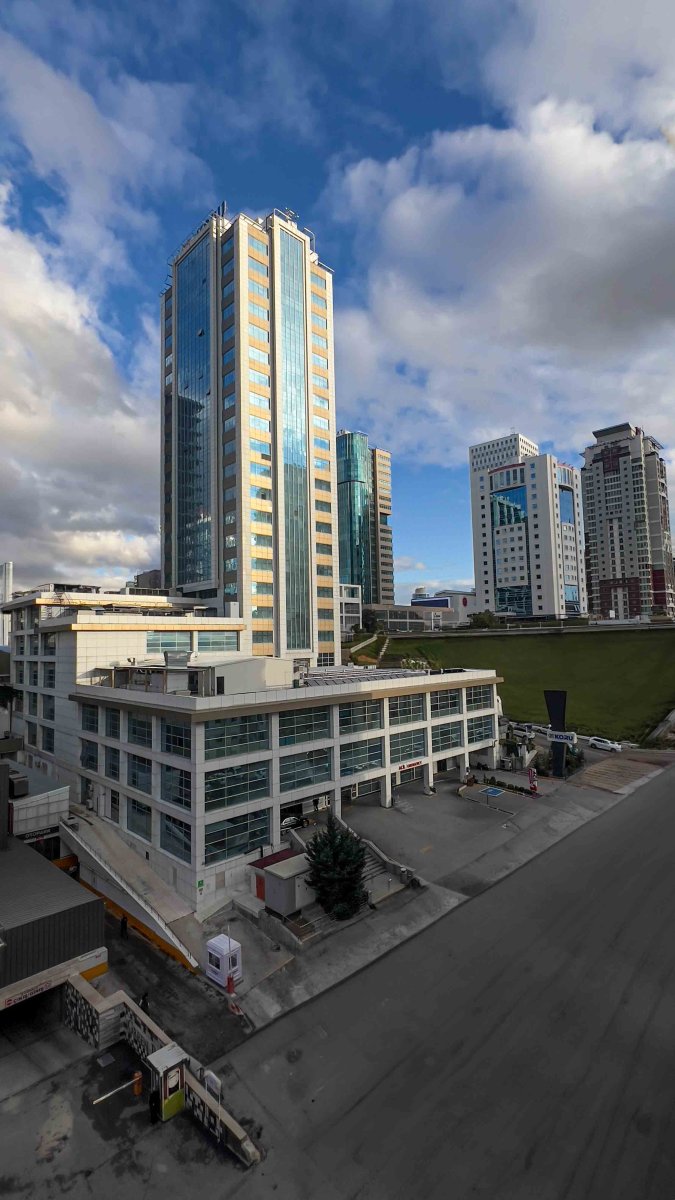
Fizyomer Terapia Physical Therapy and Rehabilitation & Aesthetic & Dental Medical Center
تركيا, Eskisehir
Turkan Tunerir
41سنة خبره ١٦ سنة

العيادة معتمدة من قبل : 


تمت مراجعة المقالة طبيا من قبل
فهد مولود
| تركيا | إسبانيا | ألمانيا | |
|---|---|---|---|
| العلاج التأهيلي بنظام فيكتور كيت (Vector Gait System) | من $1,300 | ≈ $3,800 | ≈ $6,500 |
Bookimed لا يضيف رسوماً إضافية على أسعار العلاج التأهيلي بنظام فيكتور كيت (Vector Gait System). الأسعار مأخوذة من قوائم الأسعار الرسمية للعيادات. تدفع مباشرة في العيادة مقابل العلاج التأهيلي بنظام فيكتور كيت (Vector Gait System) عند وصولك.
Bookimed ملتزم بسلامتك. نحن نعمل فقط مع المؤسسات الطبية التي تحافظ على معايير دولية عالية في العلاج التأهيلي بنظام فيكتور كيت (Vector Gait System) ولديها التراخيص اللازمة لخدمة المرضى الدوليين في جميع أنحاء العالم.
Bookimed يقدم مساعدة خبراء مجانية. منسق طبي شخصي يدعمك قبل وأثناء وبعد العلاج، ويحل أي مشاكل. لن تكون وحيداً أبداً في رحلة العلاج التأهيلي بنظام فيكتور كيت (Vector Gait System).

يساعد الإجراء على التعافي من إصابات العظام أو المفاصل أو العضلات مع العلاج اليومي ، مما يوفر سرعة في الشفاء واستعادة الحركة.
يساعد هذا العلاج في استعادة حركة المريض باستخدام التكنولوجيا المتقدمة لتخصيص وتتبع التقدم بشكل فعال.
يدعم هذا العلاج التعافي من المشي مع دعم دقيق لوزن الجسم ، مما يعزز السلامة أثناء جلسات إعادة التأهيل المكثفة.
يستخدم هذا العلاج بدلات آلية لتحسين الحركة واستعادة قوة العضلات للأفراد المصابين بالشلل.
يستخدم هذا العلاج أداة مساعدة في الحركة ، مما يعزز عملية تعافي المريض بعد الحالات العصبية أو العظام.
يقلل هذا العلاج من وزن الجسم للمساعدة في التعافي ، وذلك باستخدام تقنية متخصصة للعودة التدريجية غير المؤلمة للحركة.
يستخدم هذا العلاج بدلة فضائية فريدة من نوعها لتحسين الانتعاش البدني وتعزيز قوة العضلات وتنسيقها.
اليوم 1
اليوم الثاني
يوم 3
الأسبوع 1
الأسبوع 2-4
الأسبوع الخامس وما بعده
بعد 6-8 أسابيع
يرجى ملاحظة أن وقت الشفاء والتقدم لكل مريض قد يختلف بناءً على حالته الصحية الفردية وشدة مشاكل التنقل الخاصة به.
يتخصص الدكتور تونيرير في إعادة التأهيل باستخدام نظام Vector Gait في مركز فيزيومير تيرابيا للعلاج الطبيعي وإعادة التأهيل.
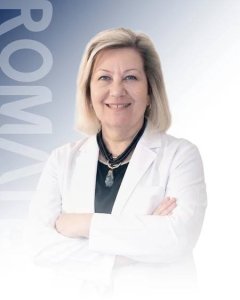
يشغل د. غونيش يافوزر منصب أستاذ في الطب الطبيعي وإعادة التأهيل منذ فبراير 2011. أصبح أستاذًا مشاركًا في أبريل 2003، ونال شهادة البورد الأوروبي عام 2004. تخرّج في كلية الطب بجامعة أنقرة، وأتمّ هناك تدريبه التخصّصي في قسم الطب الطبيعي وإعادة التأهيل. ثم حصل لاحقًا على درجة الدكتوراه من جامعة إيراسموس.
شملت أدواره السريرية والأكاديمية مستشفيات كلية الطب بجامعة أنقرة ومعهد ميشيغان لإعادة التأهيل التابع لجامعة وين ستيت (الولايات المتحدة). كما عمل مع كلية علوم الصحة بجامعة هاليج، وعيادة Form


 Anna Leonova
الميزة الرئيسية للمنتجعات التركية هي موسم الشاطئ الطويل. على ساحل البحر الأبيض المتوسط ، يبدأ في أبريل ويستمر حتى نوفمبر. في منتجعات بحر إيجة - من مايو إلى أكتوبر. أفضل وقت للسباحة هو من منتصف يونيو حتى نهاية أكتوبر. يحدث تدفق كبير للسياح في الفترة من يوليو إلى أغسطس ، عندما تكون درجة حرارة الهواء + 38 درجة مئوية ، والماء دافئ حتى + 27 درجة مئوية.
الرعاية الصحية هي قطاع التنمية الرئيسي للحكومة التركية. السلطات التركية مقتنعة بأن رعاية صحة المواطنين يجب أن تكون أولوية غير مشروطة في سياسة الدولة ، وتنفق سنويًا حوالي 77 مليار ليرة على الرعاية الصحية.
نتيجة لذلك ، توفر 28000 منشأة طبية رعاية طبية ممتازة في البلاد. تم اعتماد حوالي 50 مركزًا من قبل JCI (اللجنة الدولية المشتركة) - وهي هيئة دولية لتحسين جودة وسلامة الخدمات الطبية في جميع أنحاء العالم. فهرس الشهادات المتلقاة هو الأكبر. للمقارنة ، هناك 20 مؤسسة معتمدة من اللجنة الدولية المشتركة في إسرائيل ، و 10 عيادات فقط من هذا النوع في ألمانيا.
| عملة | الليرة (الدفع مقابل الخدمات ممكن أيضًا بالدولار واليورو) |
| أفضل فترة للسفر | مايو-أكتوبر |
| لغة | التركية (معظم الطاقم الطبي يجيد اللغة الإنجليزية) |
| تأشيرة | غير مطلوب للسفر لمدة 30 يومًا على الأقل لكل زيارة |
| فارق التوقيت مع أوروبا | 3 ساعات |
| فارق التوقيت من الولايات المتحدة الأمريكية | الساعة 8 |
| عاصمة | أنقرة |
| مركز السياحة العلاجية | اسطنبول |
| منتجعات رائجة | ألانيا ، أنطاليا ، كيمير ، مرماريس |
لعام 2020 ، أبرمت جمهورية تركيا اتفاقيات بدون تأشيرة مع 89 دولة. يُعفى بعض الأجانب من الحصول على تأشيرة دخول ، ويتعين على البعض الآخر الحصول على تأشيرة إلكترونية (تأشيرة إلكترونية) ، ولا يزال يتعين على آخرين التقدم للحصول على تأشيرة في الممثليات التركية بالخارج.
ما هي الدول التي تحتاج إلى تأشيرة للعلاج في تركيا وأي الدول يمكنك عبورها بحرية بسهولة وببساطة هنا .
تتطلب تأشيرات السفر إلى تركيا عددًا من المستندات . يمكن تقديم الأوراق اللازمة قبل 90 يومًا من المغادرة المخطط لها. قائمة الوثائق تشمل:
يوجد في تركيا فنادق ذات نطاقات أسعار ومستويات خدمة مختلفة . مستوى الفنادق التركية مشابه للفنادق في تونس أو المغرب أو مصر. يختار معظم السياح فنادق 4 و 5 نجوم مع وجبات شاملة كليًا. تحتوي هذه الفنادق على كل شيء لإقامة مريحة: طعام متنوع ، منطقة كبيرة جيدة الإعداد ، رسوم متحركة للأطفال والكبار. تحتوي بعض الفنادق على حديقة مائية خاصة بها ، والتي يمكن للضيوف استخدامها مجانًا. يمكن للمسافرين ذوي الميزانية المحدودة حجز فندق اقتصادي من فئة 3 نجوم مع نصف إقامة أو بدون وجبات على الإطلاق.