علاج إصابات في الدماغ في تركيا — احصل على 3 عيادات مختارة خصيصاً لك


تمت مراجعة المقالة طبيا من قبل
فهد مولود
كيف نعمل؟
ما هي تكلفة إصابات في الدماغ إجراءات التشخيص والعلاج في تركيا؟ اعرف الآن
تتضمن تكلفة علاج إصابات الدماغ الرضية في تركيا عادةً التقييمات التشخيصية مثل استشارة طبيب الأعصاب والتي تتراوح بين $120 و $200. وتتراوح تكلفة الإجراءات الأساسية مثل إعادة التأهيل للمرضى الداخليين من السعر عند الطلب إلى السعر عند الطلب، في حين يبلغ متوسط تكلفة البرامج الشاملة التي تستمر لمدة شهر ما بين السعر عند الطلب و السعر عند الطلب. تعتمد النفقات الإجمالية على شدة الإصابة، ومتطلبات العلاج الروبوتي، واختيار العيادة. وغالباً ما يوفر المرضى ما بين 40-70% مقارنة بالأسعار في الولايات المتحدة. تقع مراكز العلاج الرائدة في إسطنبول وبورصة وأنقرة.
تكاليف علاج إصابات الدماغ الرضية النموذجية في تركيا
- استشارة طبيب أعصاب: $120 – $200
- إعادة التأهيل بعد إصابة الدماغ الرضية: السعر عند الطلب
- إعادة التأهيل للمرضى الداخليين: السعر عند الطلب
- إعادة التأهيل الشامل: السعر عند الطلب
- إعادة التأهيل باستخدام جهاز Lokomat: من $300
- إعادة التأهيل باستخدام الهيكل الخارجي (Exoskeleton): $1,800 – $4,000
- علاج بوباث (Bobath): السعر عند الطلب
- علاج فويتا (Vojta): من $230
- إعادة التأهيل على جهاز الوقوف (Verticalizer): السعر عند الطلب
- علاج سنوزيلين (Snoezelen): من $150
رؤية خبراء Bookimed: يجد المرضى الذين يحتاجون إلى إعادة تأهيل عصبي متقدم أفضل قيمة في المراكز متعددة التخصصات ذات الإمكانات الروبوتية. يُعد مستشفى ميموريال جوزتيبي (Memorial Göztepe) مثالياً للحالات المعقدة، حيث يتميز بنظام Lokomat الروبوتي وجهاز الرنين المغناطيسي 3 تسلا المدعوم بالذكاء الاصطناعي للمراقبة الدقيقة. بالنسبة للعلاج الطبيعي المتخصص، توفر عيادات مثل Romatem في بورصة معالجين متخصصين مثل إيسين سليم أوغلو. توفر هذه المرافق رعاية عالية المستوى بجزء بسيط من تكاليف العلاج في الدول الغربية.
| تركيا | إسبانيا | ألمانيا | |
|---|---|---|---|
| علاج فويتا - Vojta Therapy | من $230 | ≈ $600 | ≈ $700 |
| علاج سنوزلن | من $150 | ≈ $380 | ≈ $90 |
| العلاج الوظيفي باستخدام فأرة الكمبيوتر الرأسية | ≈ $450 | ≈ $750 | ≈ $1,000 |
| العلاج التأهيلي بواسطة جهاز لوكومات (Lokomat) | من $300 | من $170 | ≈ $7,500 |
| العلاج التأهيلي بواسطة الهيكل الخارجي (Exoskeleton) | ≈ $1,800 | ≈ $1,800 | ≈ $6,500 |
اكتشف أفضل إصابات في الدماغ العيادات في تركيا: 5 خيارات معتمدة والأسعار



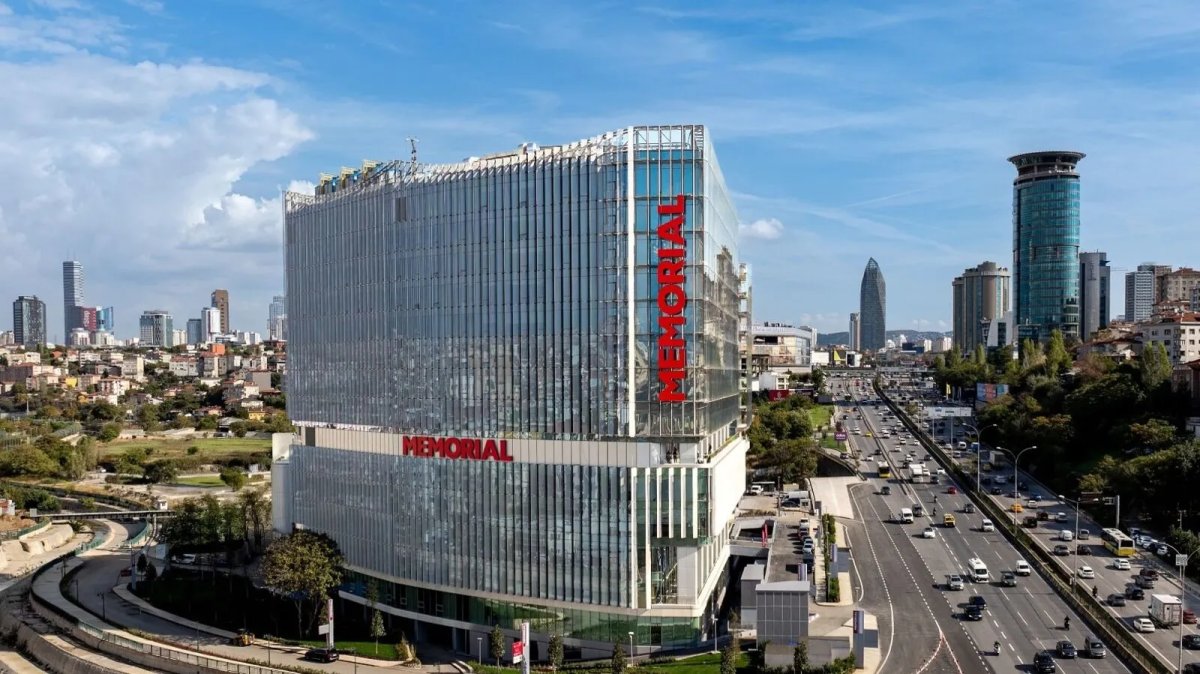
Memorial Göztepe Hospital

Nobel Medical, Physical Therapy & Rehabilitation Center
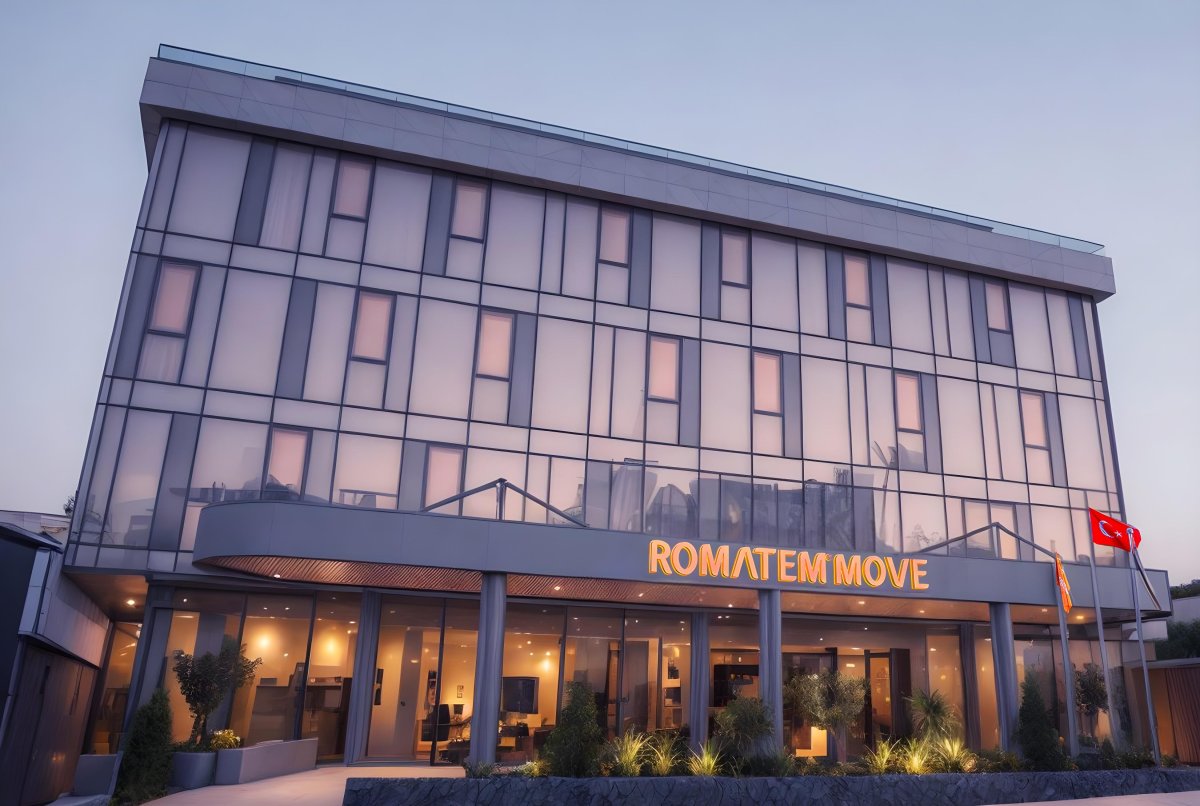
Romatem Move Çamlıca | Physical Therapy and Rehabilitation Hospital
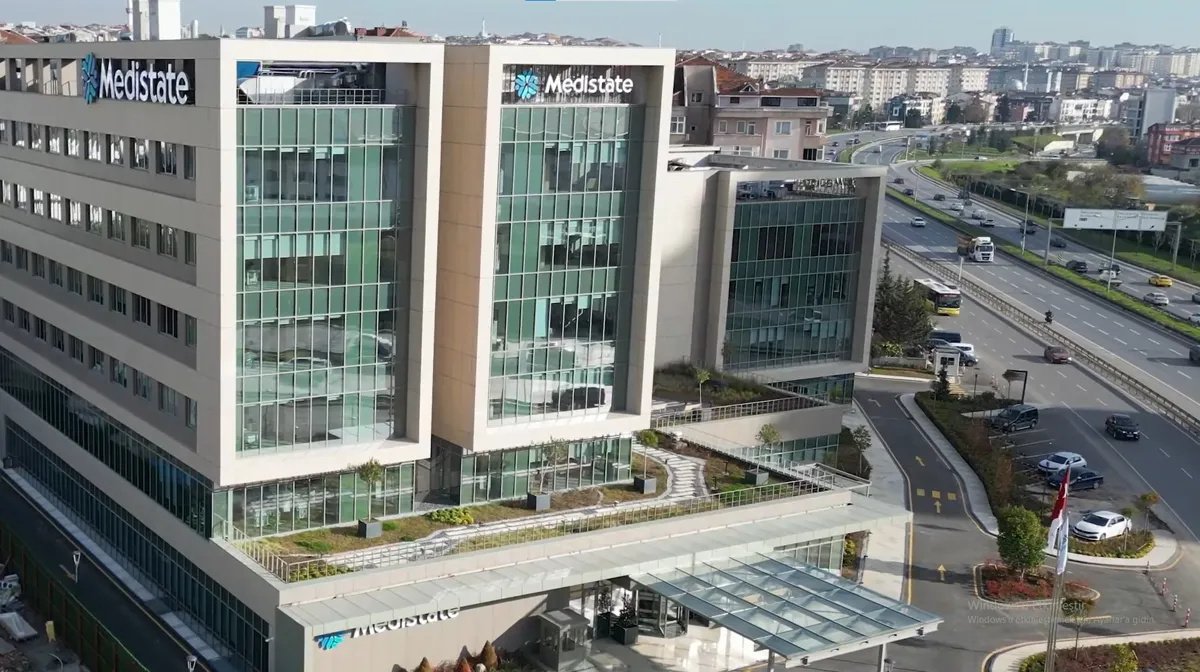
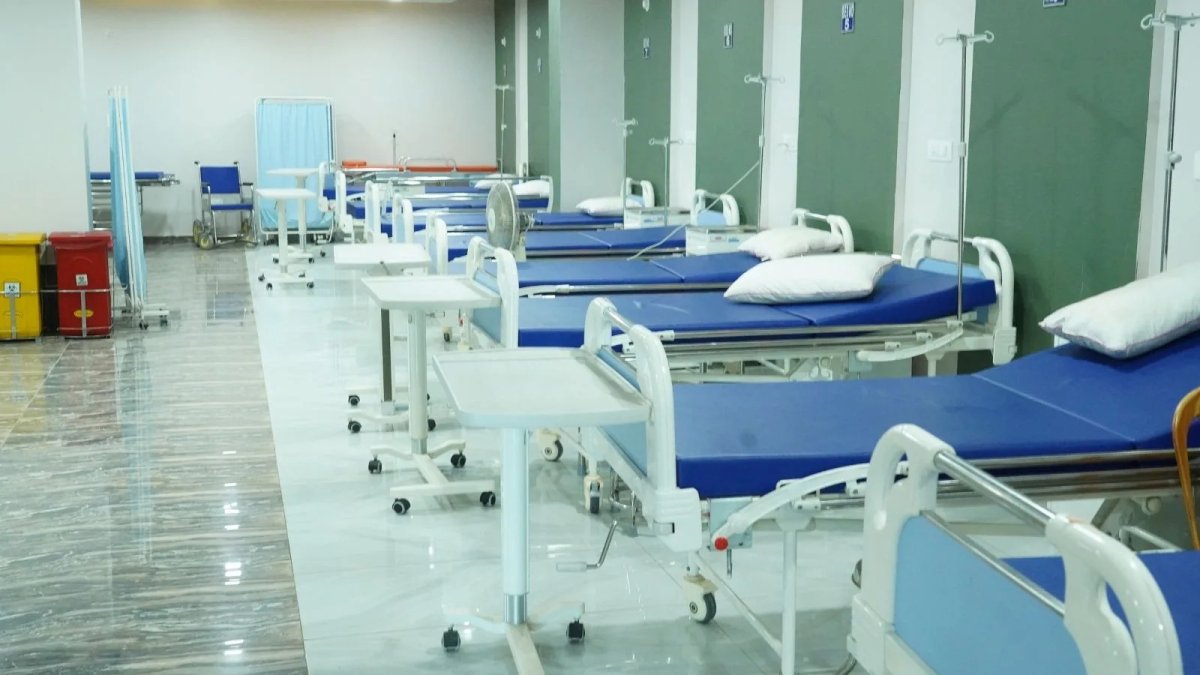
Prof. Dr. İlknur EROL Pediatric Neurology Clinic
احصل على تقييم طبي لـ في تركيا. استشر الآن 9 أطباء ذوي الخبرة.
عرض جميع الأطباء
Turkan Tunerir
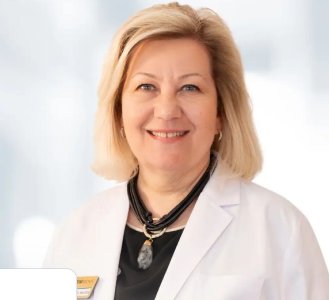
Gunes Yavuzer
الأستاذ الدكتور Güneş Yavuzer أستاذ في العلاج الطبيعي وإعادة التأهيل منذ عام 2011، كما يعمل طبيبًا استشاريًا في مراكز ROMATEM لإعادة التأهيل. حصل على شهادة الطب وتخصص في العلاج الطبيعي وإعادة التأهيل من جامعة أنقرة، وأكمل الدكتوراه في جامعة إيراسموس في هولندا.
يركز على إعادة التأهيل العصبي والعضلي الهيكلي. تشمل مجالاته السريرية السكتة الدماغية، وإصابات الحبل الشوكي، والتصلب المتعدد، ومرض باركنسون، واضطرابات التوازن. يتخصص في إعادة التأهيل الروبوتي، وتحليل المشي، والتعافي الوظيفي. له من

Bestami Yalvac
الدكتور بستامي يالفاك هو أستاذ مساعد في جامعة غالاتا في إسطنبول. يعالج المرضى في مستشفى هيسار إنتركونتيننتال الحاصل على اعتماد اللجنة الدولية المشتركة (JCI). يتخصص الدكتور يالفاك في العلاج بالأوزون للألم العضلي الليفي والإصابات الرياضية. أكمل إقامته في مستشفى حيدر باشا نوموني للتدريب والأبحاث.
- يعالج الحالات المزمنة مثل هشاشة العظام، وآلام الروماتيزم، والتهاب الفقار المقسط.
- يوفر إعادة التأهيل للسكتة الدماغية، وإصابات الحبل الشوكي، وضغط الأعصاب.
- يستخدم تقنيات مثل الوخ
مشاركة المحتوى
قصص فيديو من مرضى Bookimed
 Anna Leonova
أسئلة متكررة حول علاج إصابات في الدماغ في تركيا
لماذا تختار تركيا لعلاج إصابات الدماغ الرضحية وإعادة التأهيل؟
توفر تركيا إعادة تأهيل متقدمة لإصابات الدماغ الرضحية من خلال مرافق معتمدة من اللجنة الدولية المشتركة (JCI) وتكنولوجيا روبوتية متخصصة. يمكن للمرضى الوصول إلى برامج عالية الكثافة تتميز بتدريب Lokomat، وبذلات الهيكل الخارجي، ونظام Vector Gait. تبلغ هذه المراكز السريرية عن معدل فعالية يصل إلى 85٪ لتحسين حالة المرضى بعد إصابات الأعصاب الشديدة.
- التكنولوجيا الروبوتية: تستخدم العيادات أنظمة Lokomat وRe-step وTheraSuit لاستعادة المشي والحركة بشكل مكثف.
- خبرة متخصصة: يتمتع أطباء مثل الدكتورة نورين كوتشوكشاكير بتدريب متقدم في الحقن العضلي الهيكلي الموجه بالموجات فوق الصوتية.
- علاج شامل: تدمج البرامج علاج Snoezelen وتقنيات Bobath وعلاج Vojta للتعافي الحسي الشامل.
- مرافق معتمدة: تتميز المستشفيات الحديثة مثل ميموريال جوزتيبي بوجود رنين مغناطيسي 3 تسلا مدعوم بالذكاء الاصطناعي وأجهزة PET/CT رقمية.
رؤية خبير Bookimed: ميزة واضحة في تركيا هي تركيز مراكز إعادة التأهيل المتخصصة مثل Romatem، حيث يحمل الطبيب الرئيسي عادةً شهادات متقدمة في كل من الطب الطبيعي والحقن العصبية الموجهة. تضمن هذه الخبرة المزدوجة أن إدارة التشنج وتدريب المشي الروبوتي يحدثان في وقت واحد تحت إشراف أخصائي رئيسي واحد، مما يؤدي غالبًا إلى تسريع الانتقال من رعاية المرضى الداخليين إلى الحركة الوظيفية.
إجماع المرضى: تؤكد العائلات أن الرعاية الخاصة في تركيا تبدو وكأنها فندق راقٍ أكثر من كونها مستشفى، مما يقلل من الضغط العاطفي أثناء التعافي طويل الأمد. يشير الكثيرون إلى أ
ما هي أنواع العلاجات المستخدمة في العيادات التركية لإصابات الدماغ الرضية؟
تعالج العيادات التركية إصابات الدماغ الرضية باستخدام بروتوكولات متعددة التخصصات تدمج التدريب على المشي باستخدام الروبوتات وإعادة التأهيل العصبي. يجمع المتخصصون بين المعدات المتقدمة مثل Lokomat وجهاز المشي المضاد للجاذبية (Anti-Gravity treadmill) مع علاجات بوباث (Bobath) وفويتا (Vojta) التقليدية لتحسين الوظيفة الحركية. تُبلغ المراكز المعتمدة من قبل اللجنة الدولية المشتركة (JCI) عن معدلات نجاح تصل إلى 85% في نتائج إعادة التأهيل.
- الأنظمة الروبوتية: تستخدم العيادات نظام Lokomat، والهيكل الخارجي ReWalk، وأنظمة المشي Vector لإعادة تدريب المشي المكثف.
- الحركة المتخصصة: تشمل العلاجات بدلة الفضاء TheraSuit وبدلات التحميل Adele لتحسين وضعية الجسم.
- الدعم الإدراكي: تدمج البرامج علاج سنوزيلين (Snoezelen) وتمارين النطق واللغة للتعافي الإدراكي والتواصل.
- التقنيات العصبية العضلية: يقدم مقدمو الخدمات مثل مستشفيات Romatem حقن البوتوكس للتحكم في التشنج والعلاج العصبي.
رؤية خبير Bookimed: تنسيق الرعاية مركزي للغاية في مراكز إعادة التأهيل المتخصصة مثل تلك الموجودة في بورصة وإسطنبول. غالبًا ما يشرف كبار الأطباء مثل الدكتورة نورتن كوشوكشاكير في Romatem على خطط متكاملة تجمع بين العلاج بالأوزون عالي التقنية وحقن البلازما الغنية بالصفائح الدموية (PRP) مع الجلسات الروبوتية. يعني هذا التجمع من الخبرات أن المرضى يمكنهم الوصول إلى كل من الحقن التجديدية والروبوتات التي تبلغ قيمتها ملايين الدولارات في منشأة واحدة.
إجماع المرضى: يشير المرضى إلى أن
من هم المؤهلون لبرامج إعادة التأهيل العصبي لإصابات الدماغ الرضحية (TBI) في تركيا؟
يجب أن يكون المرضى المؤهلون لإعادة التأهيل العصبي لإصابات الدماغ الرضحية (TBI) في تركيا مستقرين طبياً بعد مرحلة الإصابة الحادة. يشمل المرشحون الأفراد الذين يعانون من عجز مستمر في المهارات الحركية أو النطق أو القدرات الإدراكية. تستهدف البرامج عادةً أولئك المستعدين للعلاج المكثف والذين لم يعودوا بحاجة إلى تدخلات جراحية طارئة أو دعم حيوي.
- الاستقرار الطبي: يجب أن يكون لدى المرضى علامات حيوية مستقرة وعدم وجود حالات طوارئ جراحية عصبية مستمرة.
- الضعف العصبي: تشمل الأهلية أولئك الذين يعانون من اضطرابات في المشي أو الذاكرة أو التنسيق أو البلع.
- تحمل العلاج: يجب أن يكون المرشحون قادرين على المشاركة في جلسات يومية منظمة، سواء كانت آلية أو يدوية.
- معايير الاستبعاد: قد تمنع النوبات غير المنضبطة أو الاضطرابات النفسية غير المستقرة من الدخول الفوري إلى البرنامج.
رؤية خبير Bookimed: تعطي مراكز إعادة التأهيل التركية مثل Romatem الأولوية للمرضى الذين يمكنهم الاستفادة من الأنظمة الروبوتية الهجينة. تستخدم الدكتورة نوريتن كوتشوكشاكير والبروفيسور الدكتور غونيش يافوزير أدوات عالية التقنية مثل نظام Lokomat وVector Gait. وهذا يسمح للمرضى الذين يعانون من قيود حركية شديدة ببدء التدريب على المشي في وقت أبكر مما تسمح به الطرق التقليدية.
إجماع المرضى: يشير المرضى إلى أن الأهلية يتم تحديدها بشكل أساسي من خلال مراجعة السجلات الطبية مثل صور الرنين المغناطيسي وملخصات الخروج قبل السفر. ويؤكد معظمهم أن الحاجة إلى المساعدة في المهام اليومية أو التنقل لا
كم يستغرق برنامج إعادة تأهيل إصابات الدماغ الرضية (TBI) النموذجي في المراكز التركية؟
تستغرق البرامج التركية لإصابات الدماغ الرضية (TBI) عادةً من 15 إلى 30 يومًا للرعاية الداخلية المكثفة. غالبًا ما تمتد الحالات العصبية الشديدة التي تتضمن أنظمة روبوتية متقدمة إلى 90 يومًا. يتلقى المرضى الدوليون بروتوكولات مجمعة توفر من 3 إلى 7 ساعات من جلسات العلاج الطبيعي والإدراكي اليومية.
- المرحلة المكثفة: تتطلب المكاسب الوظيفية الأولية عادةً من 15 إلى 26 يومًا من العلاج الداخلي.
- باقات موحدة: تقدم المستشفيات المعتمدة من اللجنة الدولية المشتركة (JCI) في إسطنبول بشكل متكرر إقامات إعادة تأهيل شاملة ثابتة لمدة 30 يومًا.
- الإصابات الشديدة: قد تستمر برامج التعافي المعقدة لمدة تصل إلى 90 يومًا بعد تقييمات مفصلة من قبل الجراحين.
- كثافة العلاج: تشمل الجداول اليومية عدة ساعات من التدريب الروبوتي على المشي والتحفيز العصبي.
رؤية خبير Bookimed: ركز على المراكز المتخصصة في الأنظمة الروبوتية مثل Lokomat أو Vector Gait. تؤكد الدكتورة نورتن كوتشوكشاكير في Romatem على الحقن القائمة على الأدلة جنبًا إلى جنب مع هذه التقنيات. غالبًا ما تؤدي هذه المجموعة إلى تسريع التعافي بشكل أكثر فعالية من العلاج الطبيعي القياسي وحده. تضمن الخبرة في المراكز الروبوتية المتخصصة بقاء التدريب عالي الكثافة ضمن حدود السلامة الطبية.
إجماع المرضى: تلاحظ العائلات أن المكاسب المبكرة تحدث بسرعة خلال الأشهر الأولى من العلاج. ينصحون بطلب عدد ساعات العلاج اليومية المحددة كتابيًا قبل الوصول.
أي المدن التركية هي الأكثر شهرة بمراكز إعادة التأهيل العصبي المتخصصة للمرضى الدوليين المصابين بإصابات الدماغ الرضية (TBI)؟
تُعد إسطنبول وأنقرة وبورصة وإسكي شهر المدن التركية الرئيسية لإعادة التأهيل المتخصص لإصابات الدماغ الرضية (TBI). تتميز هذه المراكز بمرافق معتمدة من اللجنة الدولية المشتركة (JCI) مع وحدات إعادة تأهيل عصبي متعددة التخصصات. تقدم المراكز المتخصصة تدريبًا على المشي بمساعدة الروبوت وبرامج داخلية مكثفة. وهي توفر رعاية مخصصة للتعافي الإدراكي والحركي.
- التكنولوجيا الروبوتية: تستخدم العيادات أجهزة Lokomat، والهيكل الخارجي (Exoskeleton)، وأجهزة المشي المضادة للجاذبية للتدريب على المشي.
- الخبرة السريرية: توظف مرافق مثل Romatem في بورصة أساتذة متخصصين في إعادة التأهيل العصبي بمساعدة الروبوت.
- التشخيص المتقدم: تستخدم مراكز إسطنبول مثل مستشفى ميموريال جوزتيبي (Memorial Göztepe) تصوير الرنين المغناطيسي 3 تسلا المدعوم بالذكاء الاصطناعي.
- طرق متخصصة: تشمل العلاجات الداعمة علاج سنوزيلين (Snoezelen)، وTheraSuit، ونظام Re-step.
رؤية خبير Bookimed: بينما توفر إسطنبول أعلى تركيز للمستشفيات، برزت بورصة كمركز متخصص للتعافي الروبوتي. يركز أساتذة مثل الدكتور جونيش يافوزير في Romatem بورصة بشكل خاص على تحليل المشي والتعافي الوظيفي. غالبًا ما يجد المرضى أن بورصة توفر بيئة أكثر هدوءًا للإقامات الداخلية المكثفة طويلة الأمد مقارنة بإسطنبول.
إجماع المرضى: تؤكد العائلات على أهمية التأكد من أن المركز لديه فريق مخصص لإصابات الدماغ الرضية (TBI) قبل السفر. ويشيرون إلى أن تنسيق علاج النطق المكثف والعلاج المهني جنبًا إلى جنب مع العلاج الطبيعي أمر حيوي للتعا