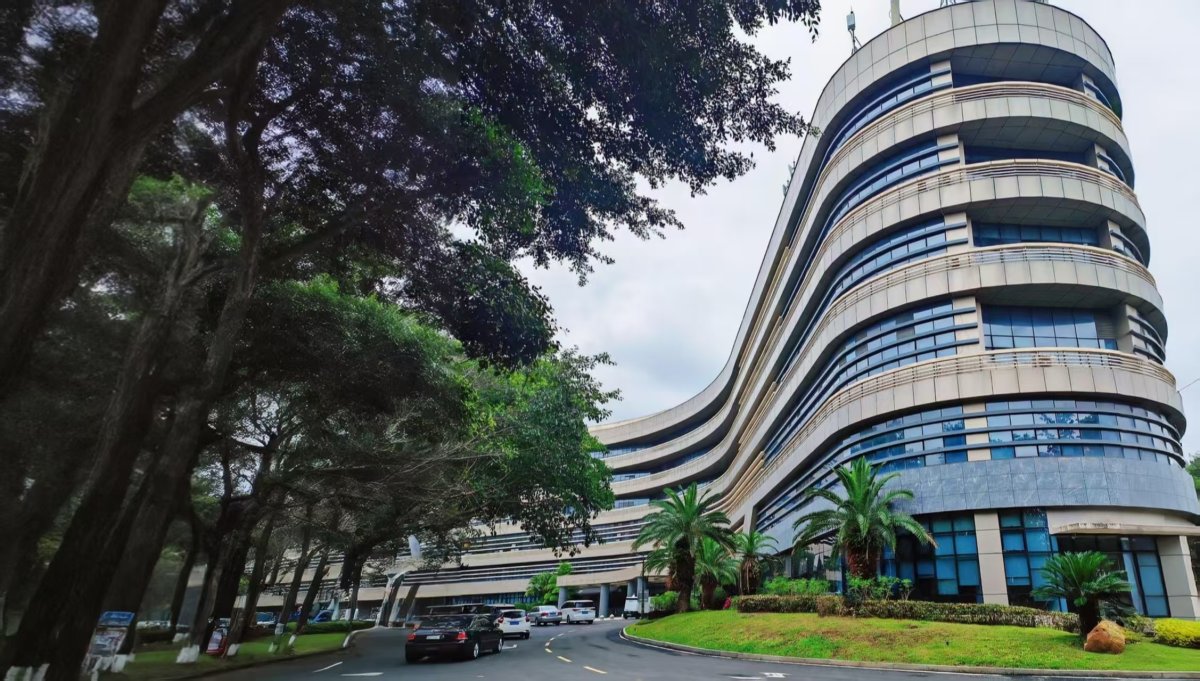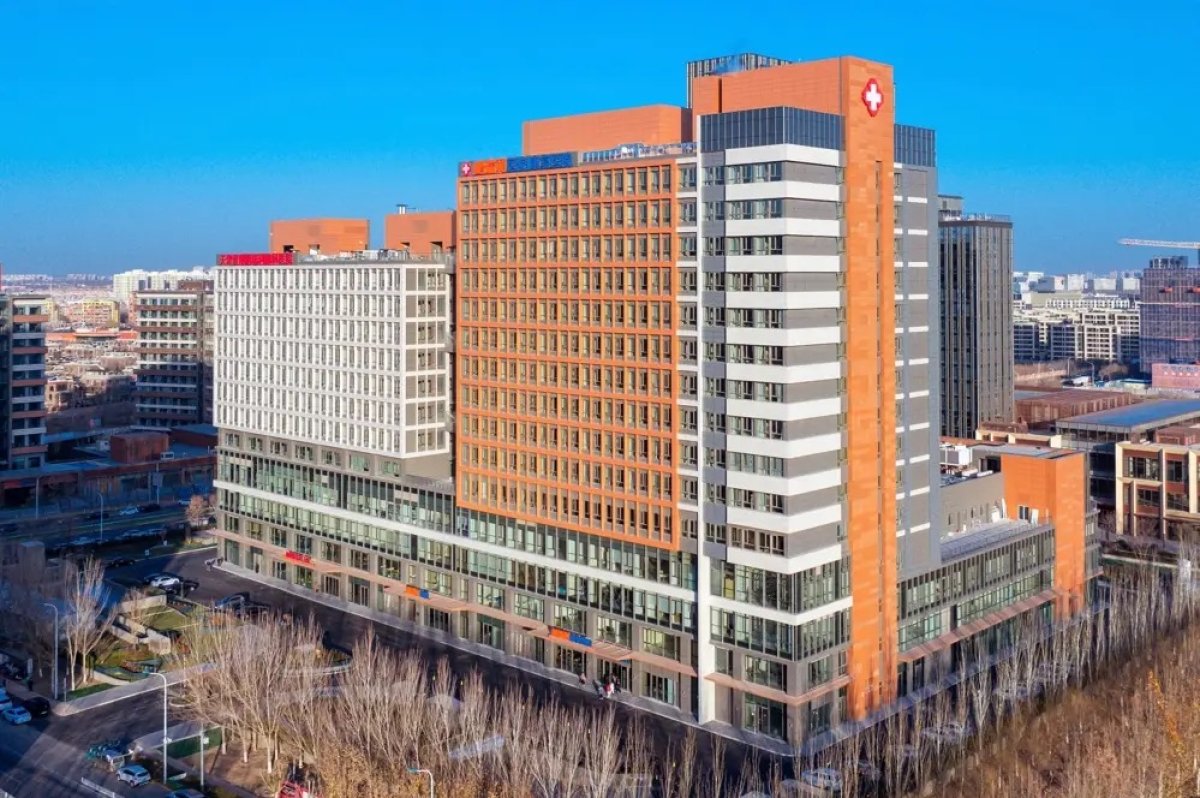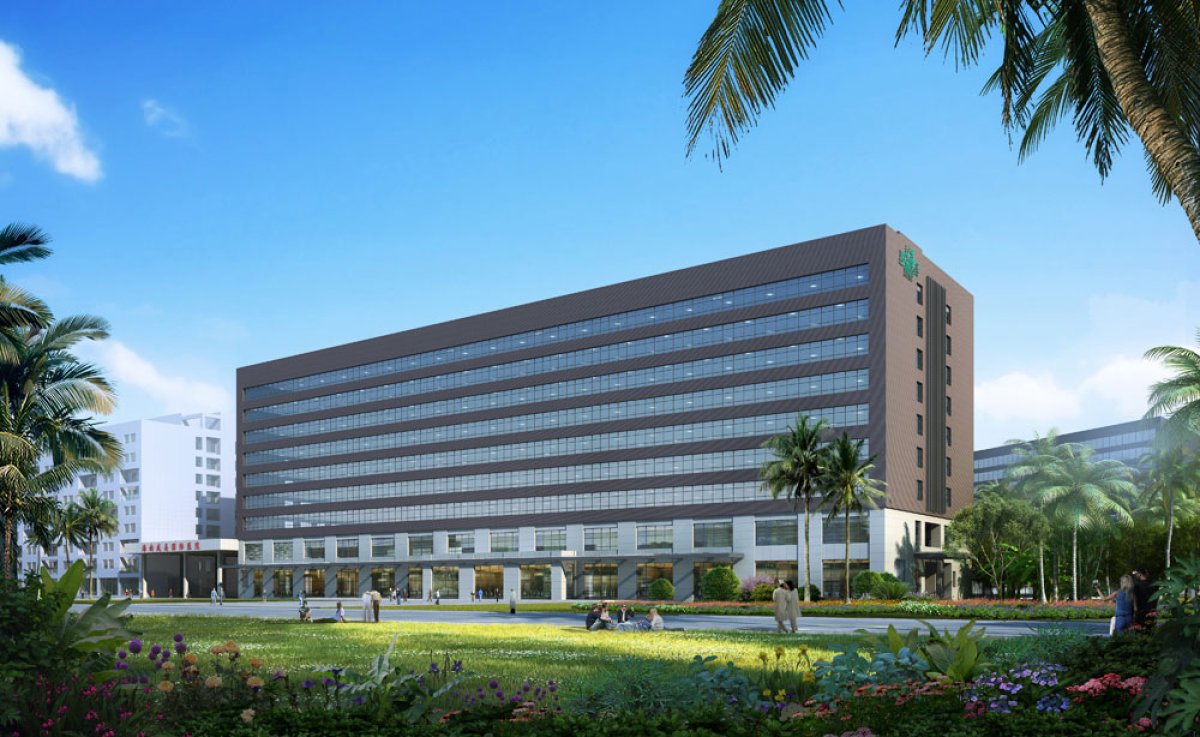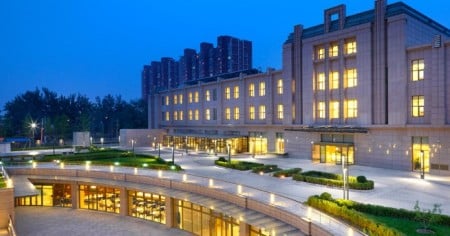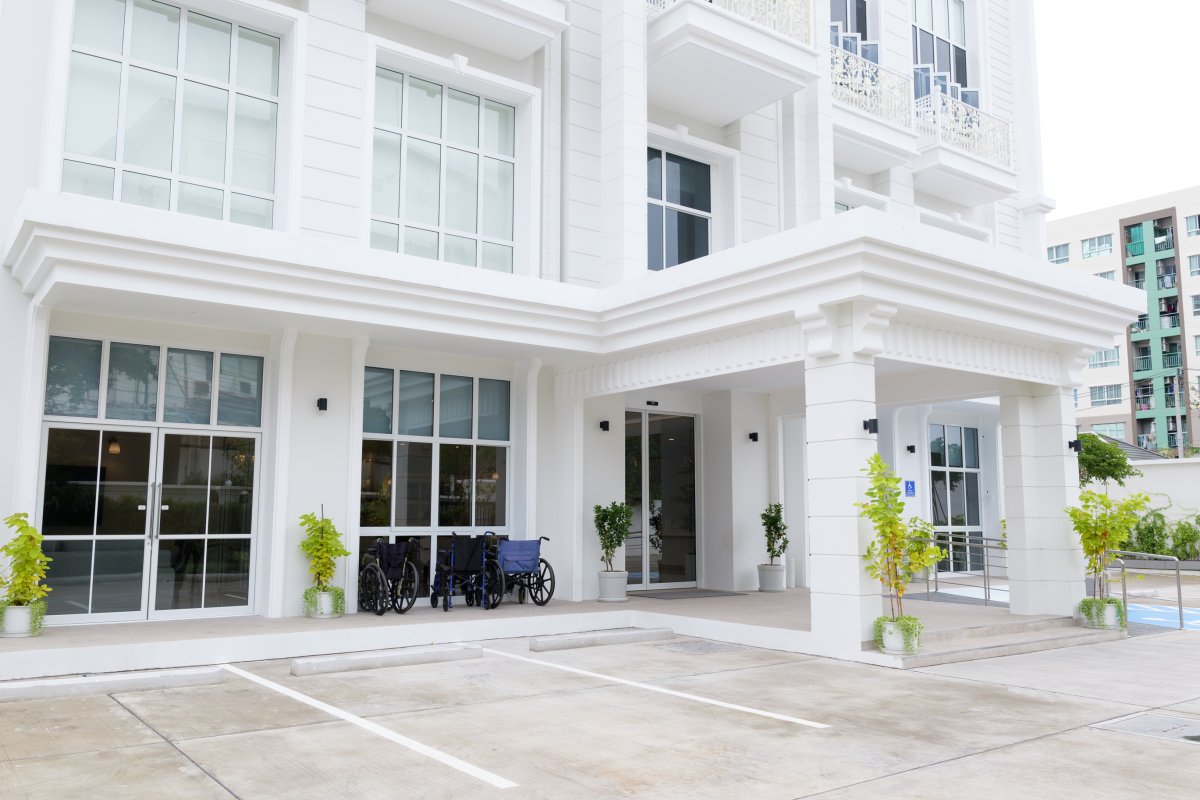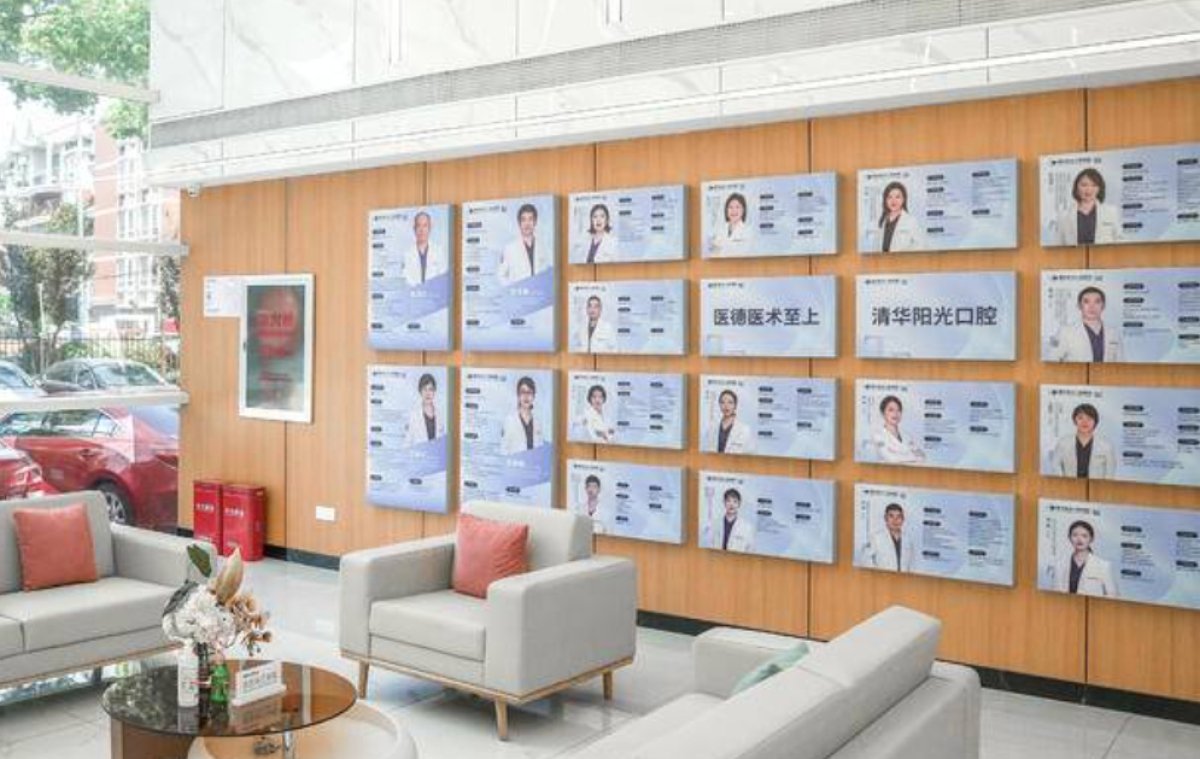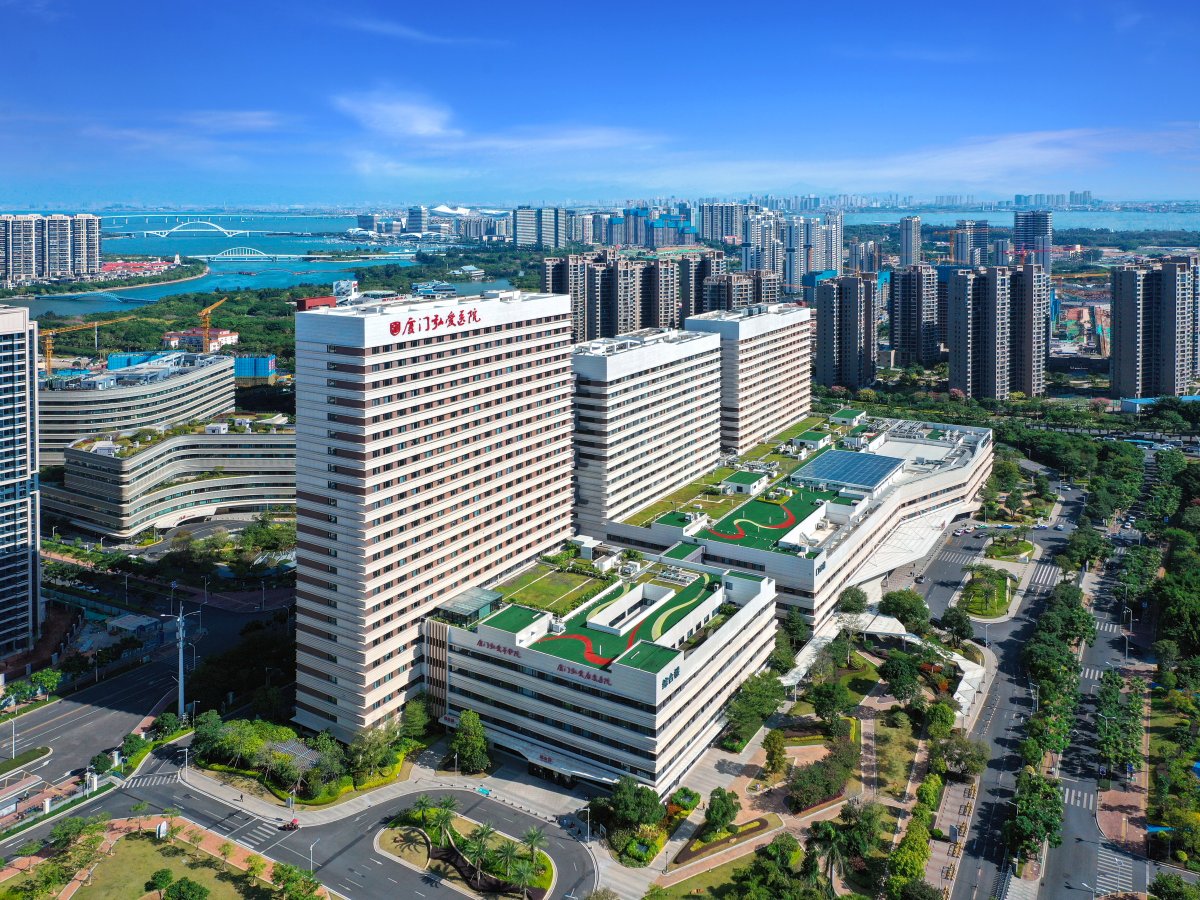
مستشفى شيامن هيومانيتي
الصين, شيامن


تمت مراجعة المقالة طبيا من قبل
فهد مولود
تتراوح تكلفة إعادة التأهيل في الصين عادةً ما بين $1,900 و $6,200. يعتمد السعر الإجمالي على مدى خطورة الحالة، وما إذا كان البرنامج داخلياً (إقامة في المستشفى) أو خارجياً، ودمج الطب الصيني التقليدي. يمكن للمرضى توفير ما يقرب من 50-70% مقارنة بتكاليف العلاج المماثلة في الولايات المتحدة.
تكاليف إعادة التأهيل النموذجية في الصين
توجد المراكز الطبية الرئيسية للتعافي المتخصص في بكين وشنغهاي وقوانغتشو. وفي حين أن التكاليف مستقرة بشكل عام، قد تفرض العيادات الخاصة في بكين رسوماً أعلى مقابل الخدمات الدولية. استشر أخصائي إعادة تأهيل للحصول على تسعير دقيق لاحتياجات التعافي الخاصة بك.
| الصين | تركيا | إسبانيا | |
|---|---|---|---|
| علاج سنوزلن | ≈ $60 | من $150 | ≈ $380 |
| العلاج الوظيفي باستخدام فأرة الكمبيوتر الرأسية | ≈ $300 | ≈ $450 | ≈ $750 |
| العلاج التأهيلي بواسطة جهاز لوكومات (Lokomat) | ≈ $2,800 | من $300 | من $170 |
| العلاج التأهيلي بواسطة الهيكل الخارجي (Exoskeleton) | ≈ $1,800 | ≈ $1,800 | ≈ $1,800 |
| العلاج التأهيلي بنظام فيكتور كيت (Vector Gait System) | ≈ $2,800 | من $1,300 | ≈ $3,800 |
Bookimed لا يضيف رسوماً إضافية على أسعار علاج إعادة تأهيل. الأسعار مأخوذة من قوائم الأسعار الرسمية للعيادات. تدفع مباشرة في العيادة مقابل علاجك عند وصولك إلى البلد.
Bookimed ملتزم بسلامتك. نحن نعمل فقط مع المؤسسات الطبية التي تحافظ على معايير دولية عالية في علاج إعادة تأهيل ولديها التراخيص اللازمة لخدمة المرضى الدوليين في جميع أنحاء العالم.
Bookimed يقدم مساعدة خبراء مجانية. منسق طبي شخصي يدعمك قبل وأثناء وبعد العلاج، ويحل أي مشاكل. لن تكون وحيداً أبداً في رحلة علاج إعادة تأهيل.


طبيب رائد يتمتع بخبرة تزيد عن 30 عاماً في مجال التأهيل – يتخصص الدكتور ليانغ في التعافي العصبي والعضلي الهيكلي المعقد في مستشفى ياندا الدولي.

الدكتورة Shen Yuqin، MD، PhD، أستاذة وطبيبة رئيسة في مستشفى تونغجي بشنغهاي. تدير الدكتورة Shen مركز طب التأهيل وقسم التأهيل القلبي. وهي مشرفة دكتوراه وحاصلة على لقب «العاملة المتقدمة على المستوى الوطني»، ورائدة في التأهيل القلبي لقصور القلب.
كانت الدكتورة Shen أول من طبّق في الصين إعادة التأهيل الموجَّهة باختبار الجهد القلبي الرئوي (CPET) لقصور القلب، كما أدخلت استخدام العتبة اللاهوائية لوصف شدة التمرين. وأنشأ الفريق نموذجاً وطنياً مغلق الحلقة يربط المستشفى بالمجتمع والمنزل. وفي عام 20

رائد الدكتور شاو مينغ في استخدام البروبوفول لاختبار وادا في الصين، مما عزز سلامة جراحة الصرع. نُشر بحثه حول ضعف الذاكرة في الصرع في مجلة العلوم العصبية (The Journal of Neuroscience).

كتب بواسطة Ana Hurevska

كتب بواسطة Ana Hurevska

كتب بواسطة Veronika Kazina
 Anna Leonova
في الصين، يجمع برنامج إعادة التأهيل بين الطب الصيني التقليدي والبروتوكولات الغربية لتسريع الشفاء. ويتلقى المرضى عادةً من 6 إلى 8 ساعات من العلاج يوميًا. ويؤدي هذا النهج المكثف إلى خروج المرضى من المستشفى في غضون شهر إلى شهرين. وتعالج مؤسسات مثل مستشفى ياندا الدولي 2.5 مليون مريض سنويًا باستخدام هذا النموذج الهجين.
رأي خبراء بوكيمد: بينما يركز التأهيل الغربي على الجلسات الفردية، تستفيد المراكز الصينية، مثل مستشفى ياندا الدولي، من حجم مرضاها الهائل لتطوير بروتوكولات علاجية محددة. ويتعامل أخصائيوها، الذين يتمتعون بخبرة تزيد عن 30 عامًا، مثل الدكتور ليانغ شياو مو، مع حالات معقدة كالشلل النصفي ومرض باركنسون بشكل متكرر أكثر من العديد من الأخصائيين الغربيين. ويمكن له
للحصول على خدمات إعادة تأهيل عالية الجودة في الصين، ركّز على المراكز المعتمدة من قبل اللجنة الدولية المشتركة (JCI) في المدن الكبرى مثل بكين. تتبع العديد من المراكز الرائدة البروتوكولات الطبية الغربية، وغالبًا ما تضمّ طاقمًا يتحدث الإنجليزية. وهي تُقدّم رعاية متخصصة لحالات السكتة الدماغية، وإصابات الحبل الشوكي، وإعادة التأهيل العظمي.
رأي خبراء بوكيميد: تُظهر البيانات أن مستشفيات الفئة الثالثة (أ)، مثل مستشفى ياندا الدولي، تُقدم أعلى مستوى من الرعاية الطبية في الصين. غالبًا ما تمتلك المراكز الكبيرة، التي تخدم أكثر من مليون مريض سنويًا، خبرة واسعة في إعادة التأهيل العصبي الشامل. ويضمن اختيار هذه المؤسسات الأكاديمية الكبيرة عادةً الوصول إلى أكثر من 28,000 تقنية
يُعدّ الطب الصيني التقليدي آمناً لإعادة التأهيل عند تطبيقه من قِبل ممارسين مرخصين في مستشفيات معتمدة من اللجنة الدولية المشتركة. يجمع أطباء مؤهلون، مثل الدكتور وانغ هي تيان من مستشفى ياندا الدولي، بين هذه الأساليب والبروتوكولات الدولية. وتعتمد السلامة على الوخز بالإبر المعقم والتركيبات العشبية الموحدة التي تمنع التفاعلات الدوائية مع المستحضرات العشبية.
رأي خبراء بوكيمد: تُظهر بيانات من مراكز صينية كبيرة، مثل مستشفى ياندا الدولي، أن المراكز ذات الحجم الكبير، التي تُجري أكثر من 9000 عملية جراحية سنويًا، تعتبر الطب الصيني التقليدي قسمًا طبيًا متكاملًا. توفر هذه المرافق من الفئة (أ) مستوى أمان أعلى من العيادات غير الرسمية، إذ تستخدم مختبرا
تتطلب إعادة التأهيل طويلة الأمد في الصين تأشيرة S1 أو S2 (للأفراد)، إذ لا توجد تأشيرة طبية خاصة. للإقامات التي تزيد عن 180 يومًا، يلزم الحصول على تأشيرة S1. يجب على المرضى تحويل هذه التأشيرة إلى تصريح إقامة خلال 30 يومًا من الوصول إلى مكتب الدخول والخروج المحلي.
رأي خبراء بوكيمد: تُظهر البيانات من المؤسسات المعتمدة من قبل اللجنة الدولية المشتركة (JCI)، مثل مستشفى بكين يونايتد فاميلي للتأهيل، أن الإقامة لمدة 180 يومًا أكثر فعالية. غالبًا ما يُسهّل طلب العلاج في مستشفيات الفئة (أ) المستوى الثالث، وهو أعلى مستوى في الصين، عملية الحصول على الدعوة الطبية اللازمة. هذه المراكز الكبيرة، مثل مستشفى يان
يتطلب التغلب على حواجز اللغة خلال فترة إعادة التأهيل في الصين اختيار مرافق معتمدة من اللجنة الدولية المشتركة (JCI) والاستفادة من خدمات دعم شاملة. وتوظف العيادات الدولية في بكين وتيانجين متخصصين ذوي تدريب دولي لتسهيل التواصل. كما تتضمن العديد من الباقات الطبية مساعدة لغوية متخصصة لضمان تواصل واضح خلال جلسات العلاج.
رأي خبراء بوكيمد: تُظهر البيانات أن العيادات التي تستقبل أعدادًا كبيرة من المرضى الدوليين، مثل مستشفى ياندا الدولي الذي يستقبل 2.5 مليون مريض سنويًا، غالبًا ما تمتلك أنظمة داخلية أكثر تطورًا لمعالجة المعلومات بلغات متعددة. ويضمن اختيار منشأة ذات عدد كبير من المرضى عادةً سلاسةً أكبر في التعاملات اليومية، نظرًا لاعتياد الموظف