Fizyomer Terapia Physical Therapy and Rehabilitation & Aesthetic & Dental Medical Center
تركيا, Eskisehir
العيادة معتمدة من قبل : 


تمت مراجعة المقالة طبيا من قبل
فهد مولود
تتضمن تكلفة علاج إعادة التأهيل بعد السكتة الدماغية في تركيا عادةً استشارة طبيب أعصاب تتراوح ما بين $120 إلى $200، والعلاجات الأولية مثل إعادة التأهيل للمرضى الداخليين، والتي تتراوح تكلفتها بين السعر عند الطلب و السعر عند الطلب. تعتمد النفقات الإجمالية على مدة العلاج، واستخدام التكنولوجيا الروبوتية، وتخصص العيادة. وغالباً ما يجد المرضى توفيراً بنسبة 40-60% مقارنة بالولايات المتحدة. وتعد إسطنبول وأنقرة المدينتين الرائدتين لهذه الخدمات الطبية المتخصصة.
تكاليف علاج إعادة التأهيل بعد السكتة الدماغية النموذجية في تركيا
رؤية خبراء Bookimed: بالنسبة للمرضى الذين يحتاجون إلى تعافٍ عالي الكثافة، توفر المراكز التركية معدات روبوتية متخصصة مثل Lokomat. وتفيد عيادة Fizyomer Terapia بنسبة نجاح تصل إلى 98% لحالات السكتة الدماغية باستخدام برامج تكاملية. وتوفر المجمعات الطبية متعددة التخصصات مثل Medipol Mega رعاية متكاملة للحالات المعقدة من خلال 70 قسماً متخصصاً. إذا كنت تعطي الأولوية للدعم العصبي النفسي المتقدم، فإن مستشفى NP Istanbul للدماغ يقدم قياسات متخصصة لوظائف الدماغ. غالباً ما تشمل الخيارات المتميزة إقامة في فنادق 5 نجوم ورعاية تمريضية متخصصة للمرضى الدوليين.
| تركيا | إسبانيا | ألمانيا | |
|---|---|---|---|
| علاج سنوزلن | من $150 | ≈ $380 | ≈ $90 |
| العلاج الوظيفي باستخدام فأرة الكمبيوتر الرأسية | ≈ $450 | ≈ $750 | ≈ $1,000 |
| العلاج الطبيعي | من $150 | من $120 | من $330 |
| العلاج التأهيلي بواسطة جهاز لوكومات (Lokomat) | من $300 | من $170 | ≈ $7,500 |
| العلاج التأهيلي بواسطة الهيكل الخارجي (Exoskeleton) | ≈ $1,800 | ≈ $1,800 | ≈ $6,500 |

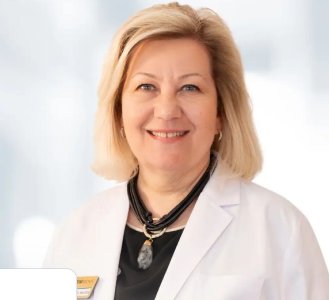
الأستاذ الدكتور Güneş Yavuzer أستاذ في العلاج الطبيعي وإعادة التأهيل منذ عام 2011، كما يعمل طبيبًا استشاريًا في مراكز ROMATEM لإعادة التأهيل. حصل على شهادة الطب وتخصص في العلاج الطبيعي وإعادة التأهيل من جامعة أنقرة، وأكمل الدكتوراه في جامعة إيراسموس في هولندا.
يركز على إعادة التأهيل العصبي والعضلي الهيكلي. تشمل مجالاته السريرية السكتة الدماغية، وإصابات الحبل الشوكي، والتصلب المتعدد، ومرض باركنسون، واضطرابات التوازن. يتخصص في إعادة التأهيل الروبوتي، وتحليل المشي، والتعافي الوظيفي. له من

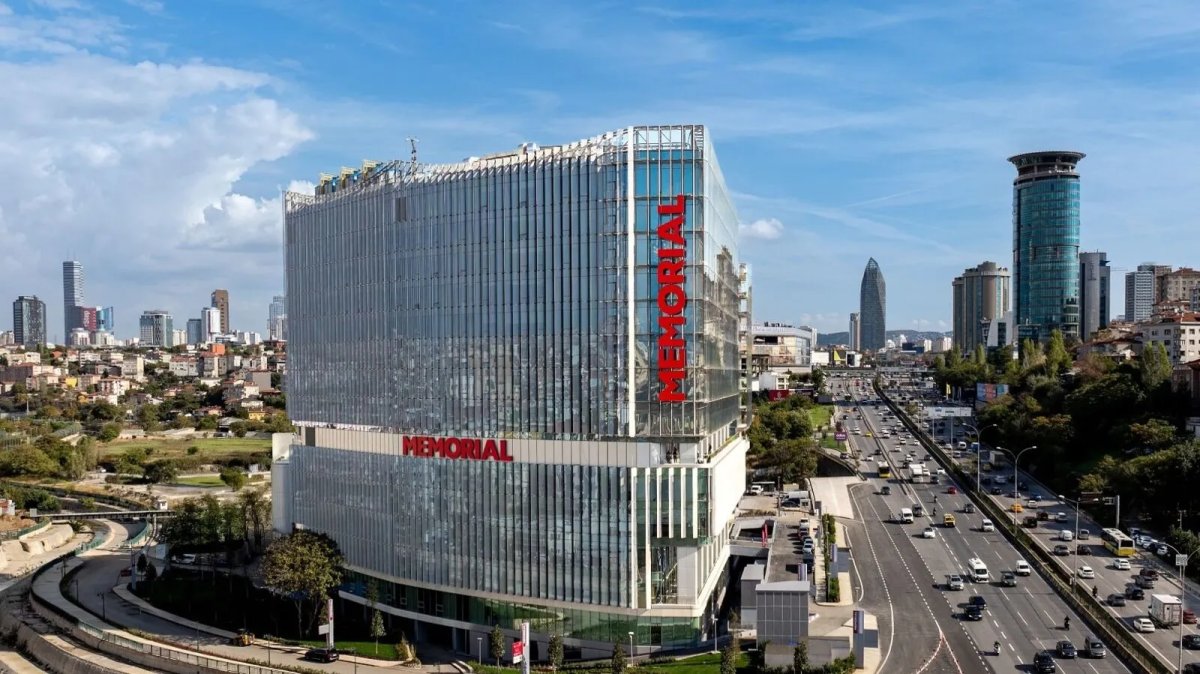
الأستاذ الدكتور إنجين جاكار اختصاصي في الطب الفيزيائي وإعادة التأهيل، وعلم الألم (طب الألم)، وعلم الأعصاب الكهروتشخيصي. يعمل في مستشفى ميموريال غوزتبه ومستشفى ميموريال شيشلي. وشغل سابقًا مناصب في مستشفى جامعة ميديبول ميغا ومستشفى التدريب غاتا حيدر باشا.
الألقاب والتدريب: أستاذ (2016). أستاذ مشارك (2011). اختصاص علم الألم، مجلس التخصصات الطبية بوزارة الصحة–غاتا (2011). علم الأعصاب الكهروتشخيصي، جامعة مرمرة (2007–2010).
المنشورات: 40 مقالة مُحكَّمة دولية و17 محلية. العروض التقدي

الدكتور بستامي يالفاك هو أستاذ مساعد في جامعة غالاتا في إسطنبول. يعالج المرضى في مستشفى هيسار إنتركونتيننتال الحاصل على اعتماد اللجنة الدولية المشتركة (JCI). يتخصص الدكتور يالفاك في العلاج بالأوزون للألم العضلي الليفي والإصابات الرياضية. أكمل إقامته في مستشفى حيدر باشا نوموني للتدريب والأبحاث.
 Anna Leonova
تتضمن إعادة التأهيل من السكتة الدماغية في تركيا علاجًا طبيعيًا يوميًا مكثفًا، وتدريبًا على المشي بمساعدة الروبوت، ورعاية متعددة التخصصات. تتميز البرامج النموذجية بتقنيات مثل Lokomat وTheraSuit والهياكل الخارجية. تغطي الجلسات المتكاملة العلاج الوظيفي للمهام اليومية وتمارين النطق لاستعادة مهارات التواصل. تدير العيادات المتخصصة والحاصلة على اعتماد اللجنة الدولية المشتركة (JCI) هذه البرامج من خلال فرق يقودها أطباء أعصاب.
رؤية خبراء Bookimed: توفر مراكز إعادة التأهيل التركية كثافة جلسات أعلى بكثير من العديد من المرافق الأوروبية. في حين أن البرامج القياسية قد تقدم 10 إلى 15 جلسة، فإن المراكز ذات التصنيف العالي مثل مستشفى هيسار (Hisar Hospital) أو فيزيومر تيرابيا (Fizyomer Terapia) توفر معدلات نجاح تصل إلى 98% من خلال التقنيات المتكاملة. يعد اختيار مركز يتمتع بقدرة استيعابية للمرضى الداخليين أمرًا حيويًا للمرضى الذين يحتاجون إلى رعاية تمريضية مكثفة إلى جانب العلاج الطبيعي.
إجماع المرضى: يؤكد المر
تتطلب إعادة التأهيل من السكتة الدماغية في تركيا عادةً من 15 إلى 30 يوماً للبرامج المكثفة للمرضى الداخليين. قد تمتد الحالات العصبية المعقدة إلى 90 يوماً. توفر المرافق المعتمدة من اللجنة الدولية المشتركة (JCI) من 3 إلى 7 ساعات من العلاج النشط يومياً. تشمل البرامج تدريب المشي الروبوتي والعلاج الطبيعي العصبي المتخصص لزيادة التعافي الوظيفي إلى أقصى حد.
رؤية خبير Bookimed: بينما يبحث الكثيرون عن عيادات في إسطنبول، تعالج Fizyomer Terapia في إسكيشهير أكثر من 10,000 مريض سنوياً مع 24 عاماً من الخبرة المتخصصة. توفر خبرتهم المركزة غالباً قيمة أفضل من المستشفيات العامة متعددة التخصصات. يبدأ العلاج الطبيعي العصبي القياسي بحوالي 1,010 دولار لـ 10 جلسات. هذا أساس عملي لميزانية المرضى الخارجيين.
إجماع المرضى: يلاحظ المرضى أنه على الرغم من أن التقدم الأولي سريع، إلا أن التعافي الحقيقي غالباً ما يستمر على مدى عدة أشهر. يؤكد الكثيرون على أهمية الجلسات اليومية والتخطيط للتمارين المنزلية بعد الخروج.
تعتبر المستشفيات التركية مؤهلة تأهيلاً عالياً لإعادة التأهيل من السكتة الدماغية، حيث تتميز بمرافق معتمدة من اللجنة الدولية المشتركة (JCI) ووحدات متخصصة في إعادة التأهيل العصبي. تُبلغ مراكز مثل Fizyomer Terapia عن معدل نجاح يصل إلى 98% لمرضى التعافي من السكتة الدماغية. وهي تستخدم روبوتات متقدمة، بما في ذلك تدريب المشي Lokomat وأنظمة TheraSuit، لتحسين الوظيفة الحركية بشكل مكثف.
رؤية خبير Bookimed: تختلف الجودة بشكل كبير بين رعاية المستشفيات العامة ومراكز إعادة التأهيل العصبي المخصصة. تتخصص مرافق مثل Fizyomer Terapia حصرياً في إعادة التأهيل وتخدم أكثر من 10,000 مريض سنوياً. يوفر اختيار مركز متخصص في كثير من الأحيان جلسات علاجية يومية أكثر كثافة مقارنة بقسم المستشفى العام. يرتبط هذا التخصص ارتباطاً مباشراً بمعدلات النجاح العالية التي تبلغ 98% والمبلغ عنها في عيادات إعادة التأهيل التركية.
إجماع المرضى: يلاحظ المرضى أن المستشفيات الخاصة في إسطنبول تقدم دعماً أفضل باللغة الإنجليزية وخططاً علاجية أكثر تنظيماً. يوصون
يجب أن يتوقع السياح الطبيون في تركيا تأهيلاً مكثفاً يومياً يجمع بين تدريب المشي الروبوتي والعلاج اليدوي المخصص. تستخدم المراكز ذات الكثافة العالية تقنيات مثل Lokomat وأنظمة الهياكل الخارجية للتعافي الحركي. تُدار البرامج من قبل فرق متعددة التخصصات بما في ذلك أطباء الأعصاب وأطباء الطب الطبيعي وإعادة التأهيل داخل مرافق معتمدة من اللجنة الدولية المشتركة (JCI).
رؤية خبير Bookimed: تشير بيانات حجم المرضى إلى وجود فجوة كبيرة في الخبرة بين المستشفيات العامة والوحدات المخصصة. تخدم Fizyomer Terapia أكثر من 10,000 مريض سنوياً وتُبلغ عن معدل نجاح يصل إلى 98% في الإصابات العصبية. إن اختيار مركز متخصص بدلاً من مستشفى عام يضمن الوصول إلى أطباء لديهم خبرة تزيد عن 20 عاماً في حالات ما بعد السكتة الدماغية.
إجماع المرضى: يلاحظ الزوار أن مشاركة الأسرة هي جزء أساسي من نموذج الرعاية وتساعد في الأنشطة اليومية. يعد التواصل الواضح مع المعالجين أمراً حيوياً، خاصة عند تنسيق خطط الخروج وبرامج التمارين المنزلية.