| تايلاند | تركيا | إسبانيا | |
| علاج وظيفي | من $500 / 17,000฿ | من $150 / 5,100฿ | من $350 / 11,900฿ |
| علاج فويتا - Vojta Therapy | من $200 / 6,800฿ | من $200 / 6,800฿ | من $150 / 5,100฿ |
| علاج غروس | من $1,000 / 34,000฿ | من $300 / 10,200฿ | من $1,000 / 34,000฿ |
| علاج سنوزلن | من $300 / 10,200฿ | من $200 / 6,800฿ | من $350 / 11,900฿ |
| علاج بوباث الطبيعي | من $1,500 / 51,000฿ | من $800 / 27,200฿ | من $600 / 20,400฿ |
Bookimed لا يضيف رسوماً إضافية على أسعار علاج إعادة تأهيل. الأسعار مأخوذة من قوائم الأسعار الرسمية للعيادات. تدفع مباشرة في العيادة مقابل علاجك عند وصولك إلى البلد.
Bookimed ملتزم بسلامتك. نحن نعمل فقط مع المؤسسات الطبية التي تحافظ على معايير دولية عالية في علاج إعادة تأهيل ولديها التراخيص اللازمة لخدمة المرضى الدوليين في جميع أنحاء العالم.
Bookimed يقدم مساعدة خبراء مجانية. منسق طبي شخصي يدعمك قبل وأثناء وبعد العلاج، ويحل أي مشاكل. لن تكون وحيداً أبداً في رحلة علاج إعادة تأهيل.
متخصص في الطب التجديدي من المجلس الأمريكي للطب التجديدي - يركز الدكتور ثونغثايسين على تقنيات إعادة التأهيل المتطورة في عيادة فيغا.
أكثر من 900 علاج تم إجراؤه - يجمع الدكتور سودتشومفاي بين التغذية السريرية والطب التكاملي في مستشفى باناسي راما 2.
يجمع الدكتور كاسيمفاكديفونغ بين الطب النفسي وإعادة التأهيل، مع التركيز على التشخيص المزدوج في مستشفى فرامونغكوتكلاو.
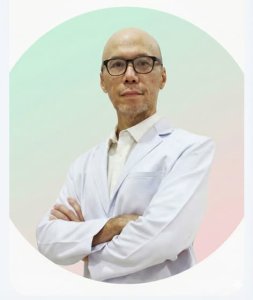
الدكتور Songpoj Tanprasert متخصص في الطب الفيزيائي وإعادة التأهيل (PM&R). يحمل درجة دكتور في الطب (M.D.)، وأكمل تدريبًا رسميًا في طب التأهيل. لديه خبرة واسعة في إعادة التأهيل لكلٍ من المرضى المقيمين ومرضى العيادات الخارجية.
تشمل خبراته تأهيل ما بعد السكتة الدماغية، والألم المزمن، وإصابات الرياضيين، واضطرابات العمود الفقري. يضع خطط تأهيل فردية قائمة على الأدلة. يركز على علاج الألم غير الجراحي والتمارين العلاجية، ويعمل مع أخصائيي العلاج الطبيعي والعلاج الوظيفي لتحسين الأداء الوظيفي.
كتب بواسطة Ana Hurevska
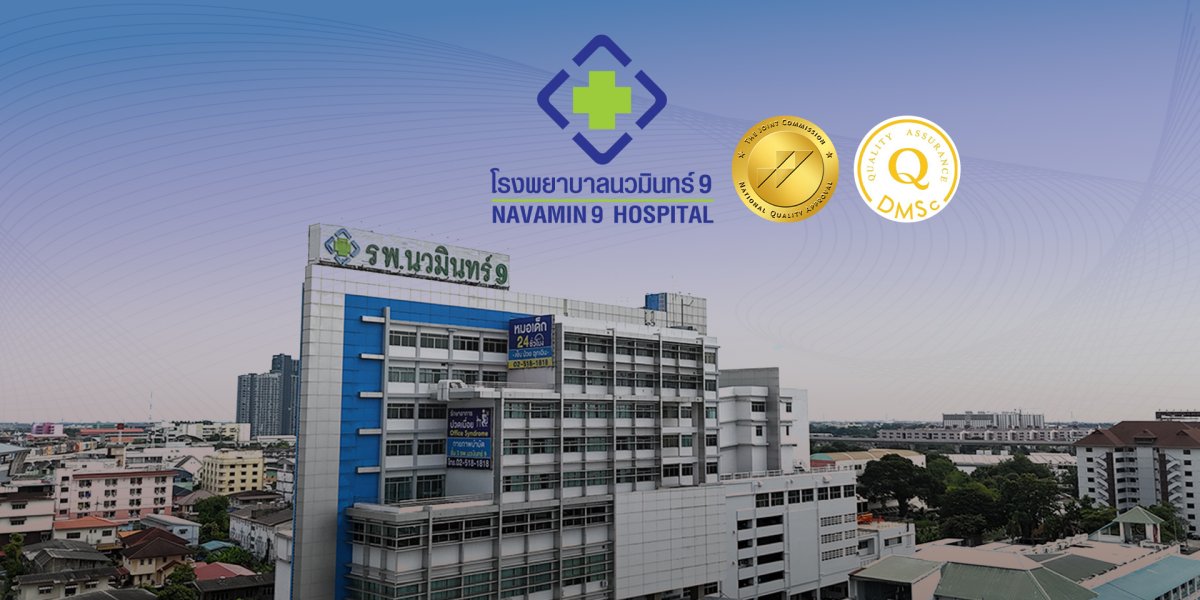
مراكز إعادة التأهيل المرخصة في تايلاند آمنة ويجب أن تلتزم بمعايير صارمة من وزارة الصحة العامة. توفر المرافق مثل مستشفى بومرونجراد الدولي ومستشفى نافامين 9 اعتماد JCI. يضمن هذا بروتوكولات السلامة الدولية. تستعين المراكز الموثوقة بأطباء متخصصين في العلاج الطبيعي والطب النفسي حاصلين على شهادات معتمدة للإشراف على التعافي الطبي.
رؤية خبير بوكيميد: تظهر بياناتنا وجود فجوة واضحة في الأمان بين المستشفيات متعددة التخصصات والمنتجعات المستقلة. تخدم المراكز الكبيرة مثل مستشفى بانكوك باتايا أكثر من 400,000 مريض سنويًا مع توفير رعاية طوارئ متكاملة. تشمل هذه المرافق فرق طبية تعمل على مدار الساعة ووحدات العناية المركزة. غالبًا ما تفتقر مراكز العافية الأصغر إلى هذه الموارد المنقذة للحياة للحالات المعقدة مثل التخلص من السموم أو القضايا العصبية.
توافق المرضى: يلاحظ المرضى أنه من الضروري التحقق من التراخيص في موقع وزارة الصحة العامة. يركز الكثير منهم على اختيار المراكز التي تضم أطباء في الموقع بدلاً من المنتجعات الشاملة غير المنظمة. شارك أحد المرضى أن اختياره لمرفق معتمد في بانكوك قدم رعاية ما بعد العلاج أفضل بكثير من الخيارات الأرخص وغير المرخصة.
يتوفر إزالة السموم الطبية على نطاق واسع في تايلاند في مراكز إعادة التأهيل المتخصصة والمستشفيات الدولية. تقدم المرافق إدارة الانسحاب بإشراف الأطباء للكحول، المواد الأفيونية، والبنزوديازيبينات. غالباً ما تجمع البرامج بين البروتوكولات الطبية الغربية والعلاجات التايلاندية الشاملة التقليدية مثل التأمل أو العلاجات العشبية في أماكن خاصة.
رؤية الخبير بموقع بوكيميد: غالباً ما تسد مراكز إعادة التأهيل التايلاندية الفجوة بين المستشفيات السريرية والمنتجعات الفاخرة. فعلى سبيل المثال، يخدم مستشفى باناسي راما 2 ألف مريض سنوياً من خلال الجمع بين إزالة السموم الطبية المكثفة وعلاج الخلايا التجديدية. هذه الطريقة المزدوجة تساعد في استقرار الجسم مع تسريع الشفاء البدني خلال المرحلة المبكرة من الانسحاب.
اتفاق المرضى: يجد المرضى أن تكلفة إزالة السموم الطبية أقل بكثير من تكلفتها في الدول الغربية. ويلاحظون أنه بينما تعد وسائل الراحة الفاخرة شائعة، إلا أنه من الضروري التأكد مما إذا كانت هناك فرق طبية في الموقع أو مجرد طاقم تمريض لمراقبة على مدار 24 ساعة.
تشمل إعادة التأهيل في تايلاند برامج عصبية، عظمية، وبرامج علاج الإدمان. تستخدم المراكز تدريب المشي الروبوتي والهياكل الخارجية القابلة للارتداء لعلاج إصابات السكتة الدماغية وإصابات النخاع الشوكي. تكمل الطرق الشمولية مثل الطب التايلاندي التقليدي وعلاج الخلايا الجذعية البروتوكولات السريرية. توفر المرافق المعتمدة من اللجنة المشتركة الدولية خططًا مخصصة للبالغين والأطفال.
رؤية خبير Bookimed: غالبًا ما تدمج مراكز إعادة التأهيل في تايلاند بين الروبوتات عالية التقنية والعافية التقليدية. تستخدم العيادات مثل مجموعة بيونج لإعادة التأهيل الهياكل الخارجية القابلة للارتداء لمرحلة التعافي بعد السكتة الدماغية. يحقق هذا النهج الفني، مع الضيافة التايلاندية، معدلات تعافي تصل إلى 95% خلال 3 أشهر. يستفيد المرضى من بروتوكولات تعتمد على الأبحاث الأكاديمية التي عادة ما تكون مخصصة للمستشفيات الجامعية.
توافق المرضى: يقدّر المرضى دمج الأنشطة البدنية مثل الملاكمة التايلاندية واليوغا في البرامج السريرية. يؤكد العديد منهم على أهمية التحقق من الاعتماد من اللجنة المشتركة الدولية وطلب جولة افتراضية قبل الحجز.
عادةً ما تتراوح برامج إعادة التأهيل في تايلاند بين 28 إلى 90 يومًا. وقد أنشأت معظم المراكز المتخصصة برنامجًا لمدة 30 يومًا كمعيار أساسي للمرضى الدوليين. تتطلب الحالات المعقدة التي تشمل التعافي العصبي أو الاعتماد الشديد غالبًا البقاء لفترات أطول للوصول إلى معالم سريرية مستقرة.
رؤية خبراء بوكيمد: تُظهر البيانات من مراكز متخصصة مثل مركز كين أوريجين لإعادة التأهيل نجاحًا كبيرًا. أفادوا بأن 95.9٪ من مرضى السكتة الدماغية يتعافون بشكل ملحوظ خلال 90 يومًا. اختيار مسارات الثلاثة أشهر بدلاً من الأساسيات لمدة 30 يومًا غالبًا ما يسد الفجوة بين الاستقرار الأساسي والعودة إلى المنزل بشكل مستقل. تقدم المرافق المعتمدة من JCI، مثل مستشفى نافامين 9، البيئة المنظمة اللازمة لهذه المخططات الزمنية الأطول.
إجماع المرضى: غالبًا ما يلاحظ المرضى أن 30 يومًا ليست سوى نقطة البداية. يوصون في كثير من الأحيان بتخصيص ميزانية لما لا يقل عن 60 يومًا لضمان التعافي بشكل أفضل قبل مغادرة المرفق.
يدخل معظم الزوار إلى تايلاند من أجل إعادة التأهيل باستخدام تأشيرة سياحية لمدة 60 يومًا أو إعفاء تأشيرة. قد تتطلب العلاجات الطويلة للسكتة الدماغية أو إصابات العمود الفقري تأشيرة طبية من نوع O غير المهاجرة. هذا يسمح بالإقامة لمدة تصل إلى 90 يومًا ويسهل عملية التمديد.
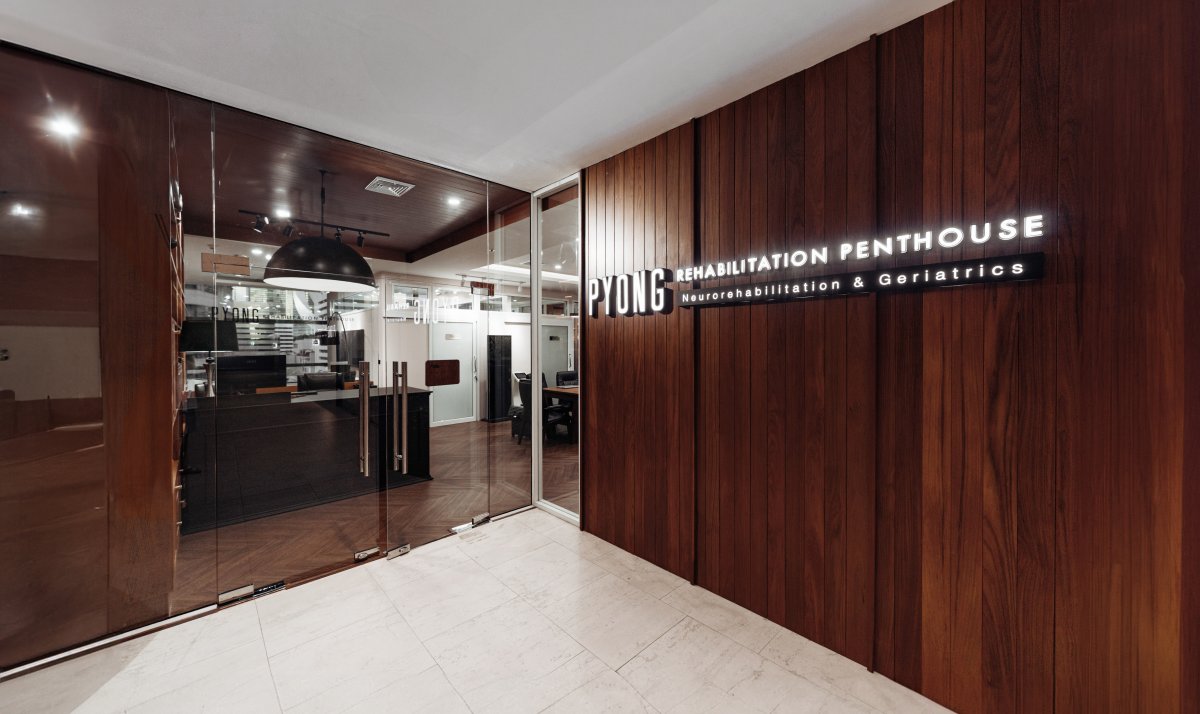
رؤية خبيرة من Bookimed: تقدم المحاور الطبية التايلاندية مثل مستشفى بمرونجراد الدولي خدمات لأكثر من 500,000 مريض دولي سنويًا. يعني حجمهم الكبير أن الفرق الإدارية فعالة جداً في معالجة خطابات رعاية التأشيرة. من أجل إعادة التأهيل العصبي المعقد في مراكز متخصصة مثل مجموعة PYONG لإعادة التأهيل، اطلب دائمًا خطة علاج مفصلة مبكرًا. هذه الوثائق ضرورية لإثبات ضرورة الإقامة طويلة الأجل لموظفي الهجرة.
اتفاق المرضى: يلاحظ المرضى أنه بينما تعمل تأشيرات السياحة للإقامات الشهرية، فإن تأمين تأشيرة طبية أكثر أمانًا للتعافي طويل الأجل. يجنب ذلك الضغوط المتعلقة بما يعرف برحلات التأشيرة أو الغرامات اليومية للتجاوز خلال العلاج المكثف.
Thai rehabilitation centres offer intensive, long-term programs at a lower cost than private options in Australia. Facilities in cities like Bangkok provide technologies such as robotic gait training and TMS. These centres frequently hold JCI or GHA accreditation. This means services meet rigorous international safety standards.
Bookimed Expert Insight: Thai facilities often integrate multidisciplinary teams including nutritionists, physicians, and neurologists into a single monthly fee. For instance, Sanpiti Rehabilitation Center includes three daily therapy sessions and 24-hour nursing in their transparent pricing plans. This level of intensive, daily specialist interaction is rarely bundled so comprehensively in Australian private facilities. There, extra charges are common.
Patient Consensus: Patients value the tranquil tropical environments and unique active therapies like Muay Thai. These help separate them from local triggers. Many note that Thai Ministry of Health accredited centres provide high-quality care. This makes the overseas journey worthwhile for long-term recovery.
Reputable Thai rehabilitation centres provide structured aftercare plans to support recovery upon returning to Australia. These programs typically include documented schedules for post-rehab life. They focus on relapse prevention strategies. They also provide formal guidance on connecting with local Australian support networks. These include Alcoholics Anonymous (AA) and Narcotics Anonymous (NA).
Bookimed Expert Insight: Thai clinics that treat high volumes of Australians often specialise in 'Golden Period' recovery. This focuses on the critical 3–6 months after an injury or surgery. Centres like Sanpiti Rehabilitation Center design their programs with this in mind. The intensive work done in Bangkok then transitions into home exercise routines. This means patients do not lose progress during the long flight back to Australia.
Patient Consensus: Patients note that Thai facilities provide solid transition plans. However, success depends on pre-arranging local Australian support. They recommend contacting a GP or services like Drug Arm before leaving Thailand. This creates a seamless bridge back to home-based care.
All-inclusive rehabilitation packages in Thailand bundle clinical therapy, private accommodation, and 24-hour medical nursing services. These programs typically cover nutritionist-led meals and physician consultations. They also include specialised treatments such as robotic gait training or transcranial magnetic stimulation. Accredited facilities like Navamin 9 Hospital hold JCI certification.
Bookimed Expert Insight: Thai rehabilitation centres often distinguish their packages through family integration. For example, Sanpiti Rehabilitation Center includes dedicated family training sessions in their stroke programs. This means family members can safely support the patient after discharge. This makes the transition home more effective for long-term recovery.
Patient Consensus: Patients note the resort-like atmosphere in Thailand. It makes intensive recovery feel less clinical and more like a holistic retreat. They highlight that lower labour costs allow for significantly more one-to-one therapy time and premium amenities. This is more than what is available in Australia.
Thai rehab centres typically provide home exercise programs and family training. These resources support recovery after discharge. Facilities like Sanpiti Rehabilitation Center offer structured plans. However, patients should establish a local network in Australia before departing. Most centres focus on inpatient intervention rather than direct long-term Australian coordination.
Bookimed Expert Insight: Clinics providing robotic gait training or TMS often follow a 90-day protocol. Our data suggests these longer programs include intensive family education modules. Choosing a facility with AACI or JCI accreditation means the discharge summaries meet Australian clinical standards. This supports their local GP.
Patient Consensus: Patients note that a month in Thailand serves as a reset, but long-term success requires local Australian support. They suggest organising their GP, psychiatrist, and local support groups. This should be done before they fly out for treatment.
Patients can typically start a rehabilitation program in Thailand within 1–2 weeks of initial contact. Private facilities in Bangkok and Ko Samui often allow consultations within days. This speed applies to stroke recovery, neurorehabilitation, and addiction treatment programs.
Bookimed Expert Insight: Thai clinics frequently offer outcome guarantees for stroke recovery, which is rare in Western systems. Sanpiti Rehabilitation Center provides this alongside three daily therapy sessions. This high-intensity approach helps patients recover faster than the standard one-session daily pace seen elsewhere.
Patient Consensus: Patients find that private Thai centres offer incredibly fast admission compared to long public waitlists. Many note the ease of walk-in consultations and how quickly multidisciplinary teams coordinate intensive, personalised recovery plans.
Australians do not usually need a special medical visa for rehabilitation in Thailand. Most patients enter using a standard 60-day visa exemption or a tourist visa. These options provide enough time for intensive programs, such as stroke or neurological recovery. Such programs often last 14 to 90 days.
Bookimed Expert Insight: Thai rehabilitation clinics often operate as multidisciplinary hubs rather than just hospitals. Facilities like PYONG Rehabilitation Group use robotic gait trainers and wearable exoskeletons. These centres combine medical precision with hospitality. Therefore, a tourist visa is widely accepted by immigration for these types of functional recovery stays.
Patient Consensus: Most patients find a tourist visa perfectly suitable for their stay in Thailand. They note that having support letters from the facility makes the extension process straightforward. This is useful if treatment takes longer than expected.
Medical detox is typically the foundational first step of rehabilitation programmes in Thailand. This is especially true for addiction. Comprehensive centres provide 24-hour medical supervision and necessary medications. JCI-accredited facilities like Navamin 9 Hospital and Bumrungrad International Hospital maintain clinical standards. These standards cover integrated care pathways.
Bookimed Expert Insight: Rehab focuses on therapy. The most reliable results come from clinics that handle detox in-house rather than referring externally. Facilities like Panacee Hospital Rama 2 combine clinical detoxification with therapies like NAD+ infusions and chelation. This integrated approach often shortens the transition from physical withdrawal to active psychological recovery.
Patient Consensus: Patients note that medically supervised detox in Thailand is a standard first step. It safely manages acute withdrawal symptoms. Many find that combining clinical care with holistic activities helps. It keeps them on the right path during early recovery.
Australian citizens entering Thailand for rehabilitation typically arrive under visa-exempt status or a tourist visa. Most patients extend their stay locally with assistance from their chosen clinic. A formal Medical Treatment (MT) visa exists. However, it requires application at a Thai embassy before departure.
Bookimed Expert Insight: Thai clinics with international department experience often handle the entire extension process. This is especially true for those in Bangkok's major networks. JCI- or GHA-accredited facilities provide documentation that Thai Immigration recognises. This effectively bypasses the need for an upfront embassy application for many short-term stays.
Patient Consensus: Australians often enter on tourist status. They then work with clinic staff to extend their stay once admitted. Patients note that the medical visa is the official path. However, clinic-guided extensions are the practical choice for those travelling quickly for care.