العودة إلى الصفحة الرئيسية
820К+ مريضًا حصلوا على المساعدة منذ عام 2014
50 دول
1,500 عيادات
6K+ تقييمات
3K+ طبيب مؤهل

ما هي تكلفة إعادة تأهيل في كوريا الجنوبية؟ اكتشف الآن

السعر يقدم بعد الطلب
كوريا الجنوبيةتركياإسبانيا
علاج فويتا - Vojta Therapyمن $3,400من $200من $150
علاج بوباث الطبيعيمن $150من $800من $600
علاج إدمان الكحولمن $6,200من $2,500من $3,500
العلاج التأهيلي بواسطة جهاز لوكومات (Lokomat)من $4,200من $2,000من $2,500
العلاج التأهيلي بواسطة الهيكل الخارجي (Exoskeleton)من $7,500من $4,000من $9,000
تم التحقق من البيانات بواسطة Bookimed اعتبارًا من July 2026، استنادًا إلى طلبات المرضى والعروض الرسمية من 20 عيادة حول العالم. تستند التكاليف المتوسطة إلى الفواتير الحقيقية (2025–2026) ويتم تحديثها شهريًا. قد تختلف الأسعار الفعلية.

مزاياك وضماناتك مع Bookimed

أسعار مباشرة

Bookimed لا يضيف رسوماً إضافية على أسعار علاج إعادة تأهيل. الأسعار مأخوذة من قوائم الأسعار الرسمية للعيادات. تدفع مباشرة في العيادة مقابل علاجك عند وصولك إلى البلد.

عيادات وأطباء معتمدون فقط

Bookimed ملتزم بسلامتك. نحن نعمل فقط مع المؤسسات الطبية التي تحافظ على معايير دولية عالية في علاج إعادة تأهيل ولديها التراخيص اللازمة لخدمة المرضى الدوليين في جميع أنحاء العالم.

مساعدة مجانية على مدار الساعة

Bookimed يقدم مساعدة خبراء مجانية. منسق طبي شخصي يدعمك قبل وأثناء وبعد العلاج، ويحل أي مشاكل. لن تكون وحيداً أبداً في رحلة علاج إعادة تأهيل.

لماذا نحن؟

منسقك الطبي الشخصي في Bookimed

  • يدعمك في كل مرحلة
  • المساعدة في اختيار العيادة الطبية المناسبة والطبيب المناسب
  • يضمن الوصول السريع والمريح إلى المعلومات

اكتشف أفضل عيادات إعادة تأهيل: 20 خيارات معتمدة والأسعار

تم تصنيف العيادات بواسطة نظام Bookimed الذكي، باستخدام تحليل علوم البيانات عبر 5 معايير رئيسية.
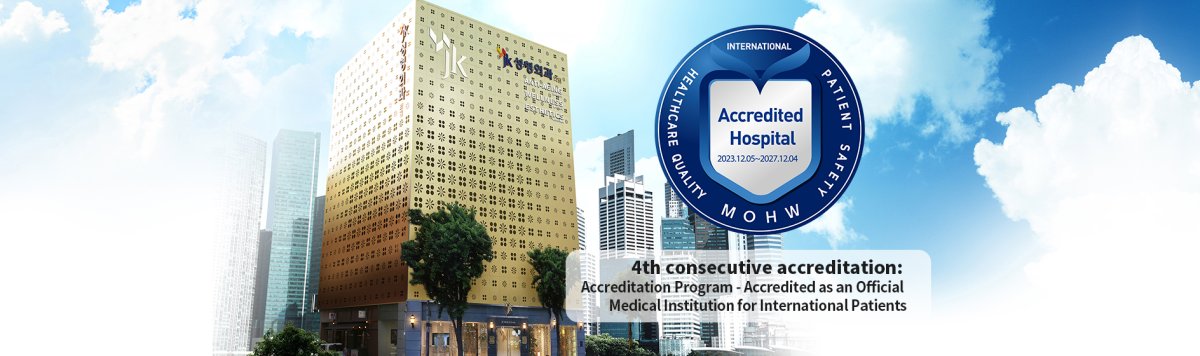
JK Plastic Surgery Center
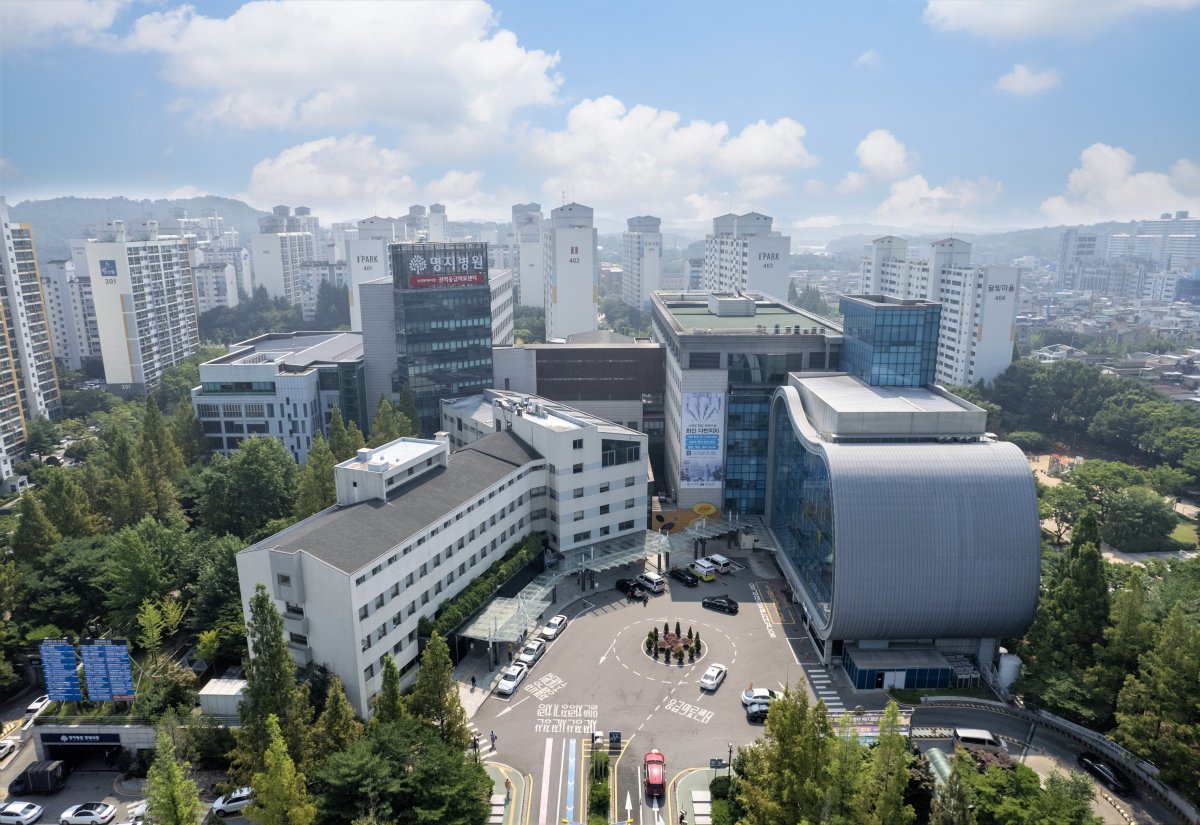
Ewha Womans University Medical Center
Asan Medical Center
Seoul National University Bundang Hospital (SNUBH)
Severance Hospital
لقد شاهدتم 5 من 20 عيادات

أفضل مراكز إعادة تأهيل في كوريا الجنوبية

  • JK Plastic Surgery Center, كوريا الجنوبية
  • Ewha Womans University Medical Center, كوريا الجنوبية
  • Asan Medical Center, كوريا الجنوبية
  • Seoul National University Bundang Hospital (SNUBH), كوريا الجنوبية
  • Severance Hospital, كوريا الجنوبية

احصل على تقييم طبي لـ في كوريا الجنوبية: اختر أخصائيك من بين الأفضل في هذا المجال

عرض جميع الأطباء
يؤكد

Jaehyeon Lim

38سنة خبره ١٦ سنة

أدخل جراحة فتح الثقبة العنقية الأمامية إلى كوريا وطور جراحة دمج الفقرات المصغرة – يُعد الدكتور ليم رائدًا في إعادة تأهيل العمود الفقري في مستشفى نانوري.

  • أكثر من 25 عامًا من التخصص في جراحة العمود الفقري المجهرية والعلاجات غير الجراحية
  • تدرب على جراحة العمود الفقري ذات التدخل المحدود في معهد التعليم الطبي والأبحاث، الولايات المتحدة الأمريكية
  • أستاذ في مستشفى بايك التابع لجامعة إنجي - إحدى المؤسسات الطبية الرائدة في كوريا الجنوبية
  • مدير لكل من الجمعية الكورية لجراحة الأعصاب الشوكية وجمعية المستشفيات الكورية
يؤكد

Seongcheol Moon

18سنة خبره ١٦ سنة

رئيس قسم جراحة العظام في مستشفى نانوري مع التركيز على إعادة التأهيل. متخصص في إصابات الكتف والمرفق.

  • حاصل على تدريب الزمالة في عيادة الكتف والمرفق بمستشفى جامعة كيونغ هي
  • أكثر من 10 سنوات من الخبرة في جراحة العظام
  • أبحاث منشورة حول إصلاح الكفة المدورة واستبدال مفصل الكتف الكلي العكسي
  • عضو في العديد من الجمعيات المرموقة لجراحة العظام، بما في ذلك الجمعية الكورية لتنظير المفاصل

مواد ذات صلة

مشاركة المحتوى

Twitter XLinkedinFacebookWhatsAppEmail
أحصل على الرابط

قصص فيديو من مرضى Bookimed

Dayana
جمعت بين إجازتي في أنطاليا والفحص الطبي.
إجراء: فحص صحة الإناث (انظر فحص النساء)
Igor
كان رائعاً! التنقلات والإقامة والعلاج - كل شيء مشمول.
إجراء: زرع الأسنان
مستشفى: WestDent Clinic
Marina
قام Bookimed بكل شيء من أجلي. لم أضطر للقلق بشأن أي شيء.
إجراء: فحص صحة الإناث (انظر فحص النساء)
مستشفى: Severance Hospital
محدث: 05/27/2022
تأليف
Anna Leonova
Anna Leonova
رئيس فريق تسويق المحتوى
محررة طبية معتمدة لديها خبرة تزيد عن 10 سنوات، طوّرت محتوى Bookimed الموثوق، مدعومة بماجستير في علم اللغة ومقابلات مع خبراء طبيين من جميع أنحاء العالم.
تمت المراجعة من قبل المستشار الطبي في Bookimed
فهد مولود
محرر طبي وعالم بيانات
طبيب عام. حاصل على 4 جوائز علمية. خدم في غرب آسيا. رئيس الفريق الطبي الناطق بالعربية سابقا ومسؤول عن معالجة البيانات ودقة المحتوى الطبي حاليا.
فهد مولود Linkedin
قد تحتوي هذه الصفحة على معلومات تتعلق بمختلف الحالات الطبية والعلاجات وخدمات الرعاية الصحية المتوفرة في بلدان مختلفة. يرجى العلم أن المحتوى مقدم لأغراض إعلامية فقط ولا ينبغي تفسيره على أنه نصيحة أو إرشادات طبية. يرجى استشارة طبيبك أو أخصائي طبي مؤهل قبل البدء أو تغيير العلاج الطبي.

أسئلة متكررة حول إعادة تأهيل في كوريا الجنوبية

هذه الأسئلة الشائعة مأخوذة من مرضى حقيقيين يبحثون عن رعاية طبية عبر Bookimed. يتم تقديم الإجابات من قبل منسقين طبيين ذوي خبرة وممثلين موثوقين من العيادات.

هل العلاج التأهيلي في كوريا آمن للمرضى الدوليين؟

تعد إعادة التأهيل في جمهورية كوريا آمنة للغاية للمرضى الدوليين بسبب الرقابة الحكومية الصارمة والتكنولوجيا الروبوتية المتقدمة. تحمل المرافق الرائدة مثل مستشفى سيفيرانس ومركز آسان الطبي اعتماد JCI. تدير فرق يقودها متخصصون عملية التعافي باستخدام أنظمة الذكاء الاصطناعي للحفاظ على مستويات عالية من الدقة السريرية.

  • اعتمادات العيادة: المراكز الرئيسية تحمل اعتماد JCI واعتماد الرعاية الصحية العالمية (GHA) للسلامة.
  • رعاية المتخصصين: يقود أطباء معتمدون مثل الدكتور جايهيون ليم فرق تعافي متعددة التخصصات.
  • التكنولوجيا المتقدمة: تستخدم المرافق تدريب المشي الروبوتي وأنظمة BESTcare لمنع الأخطاء.
  • الرقابة الحكومية: تفرض وزارة الرفاهية تنظيمًا صارمًا على العيادات التي تعالج المرضى الدوليين.

رؤية الخبير في بوكيميد: تظهر البيانات اتجاهًا واضحًا حيث تقوم أفضل المستشفيات المصنفة في سيول، مثل مستشفى جامعة سيول الوطني في بوندانغ، بتكامل أنظمة رقمية مملوكة لتتبع سلامة المرضى. تقلل هذه الأنظمة بشكل كبير من أخطاء الأدوية. اختيار مرفق رقمي أولاً يعني غالبًا توثيقًا أكثر موثوقية لأطبائك في الوطن.

إجماع المرضى: يشير المرضى إلى أنه رغم إمكانية حدوث حواجز لغوية في العيادات الصغيرة، إلا أن المراكز الرئيسية تكون متجاوبة للغاية مع الألم خلال الجلسات. يقدر الكثيرون كيف تجمع المرافق بين العلاج الطبيعي الحديث والأساليب التقليدية مثل الوخز بالإبر في مكان واحد.

ما هي أنواع برامج إعادة التأهيل المتخصصة المتوفرة للمرضى الدوليين في كوريا الجنوبية؟

توفر كوريا الجنوبية برامج متخصصة في إعادة التأهيل العصبي والعظمي والبرامج المخصصة للأطفال للمرضى الدوليين في مرافق معتمدة من JCI. تدمج هذه المراكز التدريب الروبوتي على المشي والهياكل الخارجية البيونيكية مع العلاجات التقليدية. تتراوح فترات الاستشفاء المكثفة عادةً من 4 إلى 12 أسبوعًا للحالات العصبية المعقدة في سيول وبوسان.

  • إعادة التأهيل العصبي: يشمل التعافي المكثف من السكتة الدماغية وإصابات الحبل الشوكي باستخدام أنظمة المشي المساعدة بالروبوتات.
  • إعادة التأهيل العظمي: يركز على التعافي العضلي والعظمي باستخدام مناهج متعددة في مراكز متخصصة في بوسان.
  • البرامج المخصصة للأطفال: علاجات مُصممة للأطفال المصابين بالشلل الدماغي، وتشمل تدريب متخصص على الحركة والإدراك.
  • التعافي بعد الجراحة: حزم متخصصة لمدة 1–2 أسبوع لمرضى الجراحة التجميلية تشمل تصريف لمفاوي وعلاج الندبات.

رؤية خبراء Bookimed: تستخدم العيادات التي تضم أكثر من 1.5 مليون مريض سنويًا، مثل مستشفى سيول الوطني بوندانغ الجامعي، أنظمة رقمية مُلكية لتقليل الأخطاء الطبية. ويتيح هذا الحجم الكبير للمراكز تقديم تدريب متخصص على الهياكل الخارجية البيونيكية لا يمكن أن توافره المرافق الصغيرة. ويُنصح المرضى بإعطاء الأولوية لهذه المستشفيات الرقميّة للتعافي العصبي المعقد لضمان أعلى معايير السلامة أثناء العلاج الطبيعي المكثف.

إجماع المرضى: يشير المرضى إلى أهمية حجز إعادة التأهيل العصبي المكثف قبل 6 أشهر على الأقل. تقدر العديد من العائلات دمج الروبوتات الحديثة مع الوخز بالإبر للحصول على انتعاش حركي أسرع.

ما هي أفضل مراكز التأهيل في كوريا الجنوبية للمرضى الدوليين؟

تشمل أفضل مراكز إعادة التأهيل في كوريا الجنوبية مستشفى سيفيرانس ومستشفى جامعة سيول الوطنية في بوندانغ، واللذان يحملان اعتماد اللجنة الدولية المشتركة (JCI). تتخصص هذه المرافق في التعافي من السكتة الدماغية، وإعادة التأهيل العصبي، والعلاج العضلي الهيكلي. تقدم أنظمة رقمية متقدمة ومراكز دولية مخصصة للرعاية الصحية لضمان رحلات طبية سلسة.

  • مستشفى سيفيرانس: منشأة معتمدة من JCI في سيول تخدم 1.6 مليون مريض خارجي سنويًا مع إعادة تأهيل عصبي متخصص.
  • مستشفى SNU بوندانغ: أول مستشفى رقمي في كوريا الجنوبية يستخدم نظام BESTcare للقضاء على الأخطاء الطبية.
  • مركز أسان الطبي: أكبر مركز متعدد التخصصات يجري 65,000+ عملية جراحية سنويًا مع تعافٍ مكثف ما بعد الجراحة.
  • جامعة إيهوا النسائية: مركز معتمد من JCI يتخصص في إعادة التأهيل الشخصي للنساء بعد جراحة السرطان أو العظام.
  • مستشفى كانغ دونغ: منشأة متخصصة في جراحة العظام في بوسان تركز على تعافي إصابات المفاصل والعمود الفقري.

رؤية خبراء Bookimed: تُظهر البيانات أن المراكز التابعة للمستشفيات مثل سيفيرانس أو أسان تقدم تكاملًا أفضل بين التشخيص والعلاج. في حين توجد عيادات متخصصة، فإن هذه المستشفيات الجامعية الكبيرة تتعامل مع 15,000,000+ زيارة مريض سنويًا مجتمعة. يضمن هذا الحجم أن يكون لدى المعالجين خبرة في التعامل مع المضاعفات النادرة. كما تدير أقسامها الدولية الداخلية تمديدات التأشيرات، وهو أمر حيوي لفترات الإقامة التي تتراوح غالبًا بين 1-6 أشهر المطلوبة.

إجماع المرضى: يؤكد المرضى على أهمية اختيار المستشفيات المعتمدة من JCI لدعم موثوق به باللغة الإنجليزية. يلاحظ العديد أن المراكز الكبرى في سيول توفر منسقين دوليين مفيدين يتولون الترجمة الطبية واللوجستيات. بناء علاقة مع القسم الدولي في وقت مبكر يساعد في توضيح مدة الإقامة للتعافي طويل الأمد.

هل أحتاج إلى مراجعة طبية قبل السفر إلى كوريا للعلاج التأهيلي؟

تعتبر المراجعة الطبية من قبل مؤسسة كورية أمرًا إلزاميًا قبل السفر إلى كوريا الجنوبية لإعادة التأهيل. هذه العملية تؤمن الحصول على التأشيرة الطبية المطلوبة وتؤكد مدى ملاءمة الحالة السريرية. يجب على المرضى تقديم السجلات الطبية والترجمات التصويرية إلى مستشفيات مثل مستشفى سيفيرانس أو مركز عسان الطبي للحصول على الموافقة المسبقة.

  • وثائق التأشيرة: تقدم المستشفيات شهادات قبول مطلوبة للحصول على تأشيرات طبية من نوع C-3-3 أو G-1-10.
  • التقييم السريري: يقوم الأخصائيون بمراجعة نتائج التصوير بالرنين المغناطيسي والتقارير العصبية لتطوير خطط علاجية تناسب الحالة الفردية.
  • خيارات التطبيب عن بعد: تقدم مراكز مثل مستشفى سيفيرانس استشارات عبر الإنترنت لمناقشة التشخيصات قبل المغادرة.
  • السجلات المطلوبة: يجب على المرضى تقديم ترجمات بالإنجليزية أو الكورية للتاريخ الطبي المحلي ومواد التصوير.

رؤية خبراء بوكيميد: تُظهر بيانات التنسيق أن العيادات ذات الحجم الدولي الكبير، مثل مستشفى جامعة سيول الوطنية بوندانغ (SNUBH)، تستخدم أنظمة الأمان الرقمية لتقليل الأخطاء. اختيار مستشفى يركز على الرقمنة عادة ما يسرع من عملية مراجعة ما قبل السفر. هذه المؤسسات تستطيع معالجة السجلات الإلكترونية بشكل أسرع من المراكز التقليدية، مما يقلل من وقت انتظار رسائل الدعوة للحصول على التأشيرة.

إجماع المرضى: يلاحظ المرضى أنه من الضروري الحصول على تصريح سفر من طبيب البلد الأم قبل الرحلة. يقترح البعض أنه حتى بالنسبة للعلاج الطبيعي، قد ترفض المستشفيات البرامج إذا لم يتم الكشف عن مشاكل ضغط الدم أو مشاكل التنفس مسبقًا.

What should I ask a rehabilitation centre in Korea before booking?

Patients should ask about specialist certifications and the availability of 24/7 English-speaking staff. Confirming the specific therapy plan and equipment, such as robotic systems or specialised gyms, is essential. Seoul’s accredited facilities include Severance Hospital and SNUBH. These hospitals often provide the most robust international patient services.

  • Language support: Confirm if English interpreters are available 24/7 or only during business hours.
  • Room type: Ask if private rooms are available to avoid shared 4–6 person wards.
  • Discharge planning: Request written, translated instructions for medication, exercises, and emergency warning signs.
  • Specialist credentials: Verify if doctors hold international memberships, such as the American Academy of Orthopedic Surgeons.

Bookimed Expert Insight: Clinics with high international ratings often include personal coordinators. These coordinators bridge the gap between medical rounds and daily needs. SNUBH and Asan Medical Center handle over 1.5 million patients annually. Their systems are built for high volume. In a large digital hospital, a dedicated point of contact prevents details from getting lost.

Patient Consensus: Patients in Republic of Korea recommend staying in Seoul for the best care. They also suggest booking a private room. They note that having translated post-operative instructions is vital for a safe recovery. This is especially true when navigating medications and follow-up exercises alone.

What types of rehabilitation are available in Republic of Korea, and are there specialised programs for specific conditions?

Republic of Korea offers neurological, paediatric, and orthopaedic rehabilitation using robotic technology and integrated medicine. JCI-accredited centres in Seoul specialise in stroke recovery, spinal cord injuries, and cerebral palsy. These programs combine modern physical therapy with traditional Korean treatments like acupuncture. This helps speed up functional recovery.

  • Neurological care: Targeted programs for stroke and brain injuries cost السعر عند الطلب to السعر عند الطلب.
  • Paediatric therapy: Intensive cerebral palsy programs include robot-assistive gait training and spasticity management.
  • Orthopaedic recovery: Post-surgical rehab for joint replacements ranges from السعر عند الطلب to السعر عند الطلب.
  • Integrated medicine: Many facilities combine Western physiotherapy with traditional Korean herbal and manual therapies.

Bookimed Expert Insight: South Korea leads in digital rehabilitation by using robot-assistive gait training and virtual reality. Major centres like Seoul National University Hospital operate fully digital systems. This technology provides objective data on a patient's movement. It allows specialists to adjust intensity instantly. This often leads to faster recovery than traditional methods alone.

Patient Consensus: Patients note that South Korean rehab seamlessly blends high-tech robotics with traditional acupuncture for holistic recovery. Many appreciate having significant freedom to choose their specialists and providers throughout the treatment process.

Where are the best rehabilitation centres located in Republic of Korea?

Seoul and its surrounding area host the Republic of Korea's top rehabilitation centres. These JCI-accredited facilities specialise in intensive stroke recovery, neurological care, and orthopaedic rehabilitation. Hospitals such as Severance and Asan Medical Center lead the country in recovery programs.

  • Severance Hospital: Features a dedicated rehabilitation centre within a JCI-accredited multidisciplinary university complex.
  • Asan Medical Center: Employs robotic systems and PET-CT for neurological and musculoskeletal recovery programs.
  • SNUH: Treats 30,000 international patients annually using fully digital diagnostics and expert neurosurgical follow-up.
  • Gangnam Severance: Specialises in complex spinal rehab and holds KOIHA and JCI international accreditations.

Bookimed Expert Insight: Leading Korean centres often integrate traditional medicine with Western technology. For example, Jaseng Hospital provides full inpatient services. These combine modern diagnostics with traditional Korean methods. This hybrid approach is particularly effective for chronic pain and musculoskeletal issues. These often do not respond to standard physical therapy alone.

Patient Consensus: Patients find the Seoul-based facilities highly efficient and appreciate the 24/7 interpreter services. The integration of digital health systems allows easy, transparent tracking of recovery. International visitors appreciate this.

Does Korea use advanced technology for rehabilitation?

South Korea dominates rehabilitation through robotic gait training, AI-powered exoskeletons, and digital patient monitoring. Facilities such as Seoul National University Bundang Hospital integrate wearable robots and neural stimulation for spinal injuries. These systems improve neuroplasticity and balance recovery through intensive, technology-assisted movement protocols.

  • Robotic systems: Clinics use Lokomat and Erigo Pro for robotic-assisted gait therapy.
  • Wearable exoskeletons: Exoskeletons help patients with paraplegia stand and walk during sessions.
  • Digital integration: The BESTcare system at Seoul National University Bundang Hospital personalises protocols.
  • Active recovery: Rehabilitation philosophy prioritises keeping injured areas active rather than static rest.

Bookimed Expert Insight: Korean rehabilitation centres like Seoul National University Hospital operate on a fully digital model. This infrastructure allows specialists to adjust robotic resistance and gait patterns in real-time. These adjustments rely on live data. The integration of 24/7 digital tracking often shortens inpatient stays. It detects recovery milestones faster than traditional methods.

Patient Consensus: Patients in South Korea value the extreme speed of the system. They see specialists directly, without GP referrals. The focus on active movement over passive rest is frequently noted. It is a key reason for rapid recovery.

What types of rehabilitation treatments are available in Korea?

Rehabilitation in Korea involves neurorehabilitation, paediatric motor therapy, and orthopaedic recovery. Major centres use robotic gait systems and bionic exoskeletons. Targeted programs for stroke and spinal cord injuries use non-invasive brain stimulation. Specialised techniques like Bobath and Vojta therapies treat neurological mobility issues.

  • Neurorehabilitation: Specialists use robotic-assisted systems for stroke and spinal injury recovery.
  • Paediatric therapy: Intensive programs use Bobath and Vojta methods for cerebral palsy.
  • Cardiac rehab: Supervised exercise and monitoring help recovery after heart-related incidents.
  • Post-surgical care: Rehabilitation packages often include lymphatic drainage and intensive scar therapy.

Bookimed Expert Insight: Korean rehabilitation centres often integrate regenerative medicine with physical therapy. High-volume tertiary hospitals in Seoul use autologous stem cell treatments alongside robotic gait training. This combination is particularly effective for complex spinal cord injury cases. It significantly speeds up functional recovery for international patients.

Patient Consensus: Patients value the intensive daily schedule and the use of bionic machinery. They note the coordination between doctors and therapists promotes a smooth recovery in Seoul.

Are there specialised rehab programs for specific injuries in Korea?

South Korea provides specialised rehabilitation through a regulated system of acute hospitals and university centres. Facilities like Severance Hospital and Seoul National University Bundang Hospital offer dedicated programs. These cover spinal cord injuries, stroke recovery, and neurotraumas. These centres use technologies like gait training robots and exoskeletons.

  • Neurorehabilitation: Asan Medical Center treats complex neurotraumas using robotic systems and PET-CT diagnostics.
  • Spinal programs: Severance Hospital provides CARF-accredited care for spinal cord injuries and scoliosis.
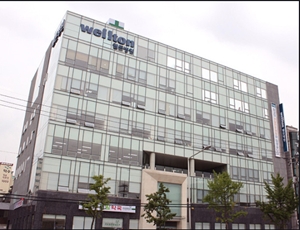
  • Orthopaedic recovery: Wellton Hospital specialises in intensive rehab following total hip and knee replacements.
  • Paediatric specialty: Seoul National University Bundang Hospital handles rare cases like laparoscopic liver resections.

Bookimed Expert Insight: Chronic injury recovery in Seoul often integrates traditional method clinics with digital hospital infrastructure. Seoul National University Hospital pioneered this digital shift. It allows safer, data-driven tracking of patient progress. The BESTcare system monitors every movement during rehab. This prevents secondary injuries during intensive training sessions.

Patient Consensus: Patients note Korean facilities enable rapid diagnosis and personalised consultations for serious injury recovery. High-end hospitals are preferred over general clinics for reliable care and access to English-speaking specialists.

How do I find the best rehabilitation centre in Korea?

Finding the best rehabilitation centre in Korea requires identifying facilities with Joint Commission International (JCI) accreditation or KOIHA certification. Patients should prioritise major centres like Severance Hospital or Seoul National University Hospital. These provide specialised stroke, neurological, and orthopaedic recovery programs using digital health systems.

  • Therapy specialisations: Leading centres offer robotic systems, stem cell therapy, and neuroendoscopic methods for complex recovery.
  • Expertise markers: Seek specialists like Dr Sang Hoon Shin who hold memberships in the Korean Academy of Rehabilitation Medicine.
  • Facility scale: Large multidisciplinary hospitals in Seoul manage over 1.6 million outpatients yearly, ensuring high-volume experience.
  • Language support: Top-rated international departments provide 24/7 interpreter services and personal coordinators for English-speaking patients.

Bookimed Expert Insight: Data shows a clear distinction between general gyms and specialised Rehab Exercise Centres (활운동센터). These centres focus exclusively on safe movement and post-surgical recovery rather than general fitness. For faster access, private centres often bypass the 2–3 month waiting lists found at prestigious university hospitals. They maintain high standards.

Patient Consensus: Patients in Korea recommend searching Naver Map for local clinics in Hongdae or Hapjeong for English-speaking doctors. They often suggest hiring home-visit therapists for personalised daily guidance between formal clinic assessments.

Can international patients receive treatment at Korean rehabilitation centres?

International patients access high‑quality recovery in South Korea at JCI‑accredited hospitals and specialised rehabilitation centres. These facilities treat stroke, spinal cord injuries, and musculoskeletal conditions. Leading centres like Severance Hospital and Seoul National University Hospital run dedicated international departments. They provide 24/7 interpreter services for English‑speaking patients.

  • Comprehensive programs: Inpatient neurological and orthopaedic rehabilitation costs from السعر عند الطلب to السعر عند الطلب.
  • Accreditation standards: Major Seoul hospitals hold Joint Commission International (JCI) and KOIHA safety certifications.
  • Specialist expertise: Dr Sang Hoon Shin leads multidisciplinary teams in neurorehabilitation and pain management.
  • Patient support: Top centres like Asan Medical Center provide personal coordinators and free airport transfers.

Bookimed Expert Insight: Data shows that South Korea's digital infrastructure significantly speeds up recovery planning. Hospitals like Seoul National University Bundang Hospital use the BESTcare safety system. This digital integration lets rehabilitologists adjust treatment plans in real time based on robotic therapy data. For patients, this often means more intensive therapy sessions and shorter hospital stays compared to traditional centres.

Patient Consensus: Patients find recovery in South Korea highly efficient, noting that major Seoul clinics have English‑fluent staff and compassionate physical therapists. While doctors often speak excellent English, many recommend using the hospital's translation services for complex medical discussions. This helps patients feel completely clear during treatment.

احصل على استشارة مجانية

حدد أفضل طريقة للاتصال بك