العودة إلى الصفحة الرئيسية

كيف نعمل؟

لقد قمنا بتحويل عملية البحث عن العيادة، وجعلناها بسيطة وسريعة وشخصية.
أجب عن بعض الأسئلة املأوا استمارة قصيرة لتخبرونا عن حالتكم الصحية واحتياجاتكم الطبية.
احصل على عروض مخصصة٣ عيادات تم اختيارها بعناية بناءً على إجاباتك، ستقدّم خطط علاج وتقديرات تكلفة مخصصة لك.
اختر الخيار الأفضلقارن بين العروض واختر العيادة الأنسب لك.
يمكنك أيضًا تصفح 4 عيادة أدناه.
820К+ مريضًا حصلوا على المساعدة منذ عام 2014
50 دول
1,500 عيادات
6K+ تقييمات
3K+ طبيب مؤهل

ما هي تكلفة العلاج التأهيلي بعد اصابة الحبل الشوكي إجراءات التشخيص والعلاج في تايلاند؟ اعرف الآن

Rehabilitation after spinal cord injury treatment cost in Thailand typically includes a consultation with a neurologist ranging from $100 / 3,400฿ to $200 / 6,800฿. Key procedures like inpatient rehabilitation run from $2,200 / 74,800฿ to $4,800 / 163,200฿, while comprehensive rehabilitation ranges from $2,500 / 85,000฿ to $6,000 / 204,000฿. Total expenses depend on injury severity, technology use, and facility tier. Patients can save 70-80% compared to the US. Top cities include Bangkok and Phuket.

Typical Rehabilitation After Spinal Cord Injury Treatment Costs in Thailand

  • Consultation with a neurologist: $100 / 3,400฿ – $200 / 6,800฿
  • Inpatient rehabilitation: $2,200 / 74,800฿ – $4,800 / 163,200฿
  • Comprehensive rehabilitation: $2,500 / 85,000฿ – $6,000 / 204,000฿
  • Rehabilitation with Lokomat: $3,500 / 119,000฿ – $6,500 / 221,000฿
  • Rehabilitation with Exoskeleton: $3,500 / 119,000฿ – $6,500 / 221,000฿
  • Rehabilitation on the verticalizer: السعر عند الطلب
  • Rehabilitation with Re-step system: $2,000 / 68,000฿ – $3,500 / 119,000฿
  • Vojta therapy: $200 / 6,800฿ – $500 / 17,000฿
  • Rehabilitation with space suit TheraSuit: $2,500 / 85,000฿ – $4,500 / 153,000฿
  • Gross therapy: $1,000 / 34,000฿ – $2,000 / 68,000฿

Bookimed Expert Insight: Patients seeking high-tech recovery should prioritize JCI-accredited centers in Bangkok. Bumrungrad International Hospital is a top-30 most technologically advanced clinic globally. It utilize AI and robotic systems for neuro-rehabilitation. For those prioritizing efficiency, Mali Interdisciplinary Hospital focuses on reducing healing time. They integrate regenerative and precision medicine into recovery plans. Large private centers like Bumrungrad manage over 500,000 international patients annually. This ensures high expertise for complex spinal cases.

تايلاندتركياإسبانيا
علاج فويتا - Vojta Therapyمن $200 / 6,800฿من $200 / 6,800฿من $150 / 5,100฿
علاج غروسمن $1,000 / 34,000฿من $300 / 10,200฿من $1,000 / 34,000฿
العلاج التأهيلي بواسطة جهاز لوكومات (Lokomat)من $3,500 / 119,000฿من $2,000 / 68,000฿من $2,500 / 85,000฿
العلاج التأهيلي بواسطة بدلة تحميل أديل (Adele load suit)من $1,500 / 51,000฿من $1,500 / 51,000฿من $1,800 / 61,200฿
العلاج التأهيلي بواسطة الهيكل الخارجي (Exoskeleton)من $3,500 / 119,000฿من $4,000 / 136,000฿من $9,000 / 306,000฿
تم التحقق من البيانات بواسطة Bookimed اعتبارًا من July 2026، استنادًا إلى طلبات المرضى والعروض الرسمية من 33 عيادة حول العالم. تستند التكاليف المتوسطة إلى الفواتير الحقيقية (2025–2026) ويتم تحديثها شهريًا. قد تختلف الأسعار الفعلية.

اكتشف أفضل العلاج التأهيلي بعد اصابة الحبل الشوكي العيادات في تايلاند: 4 خيارات معتمدة والأسعار

تم تصنيف العيادات بواسطة نظام Bookimed الذكي، باستخدام تحليل علوم البيانات عبر 5 معايير رئيسية.
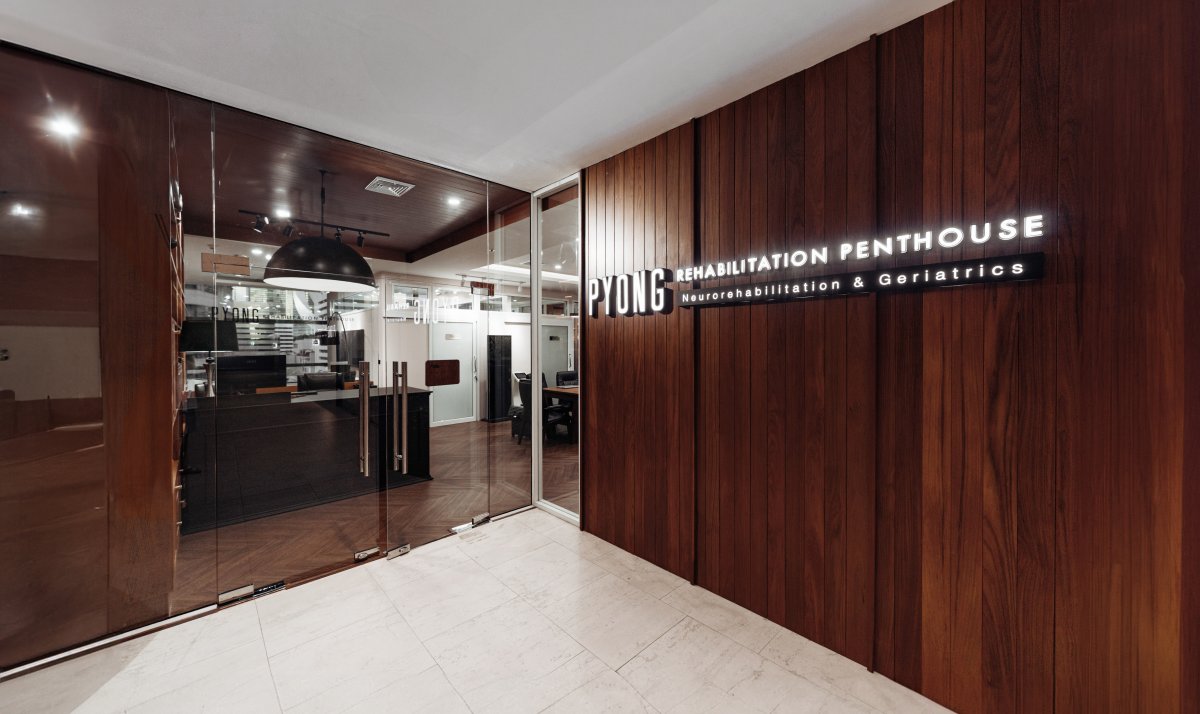
PYONG Rehabilitation Group
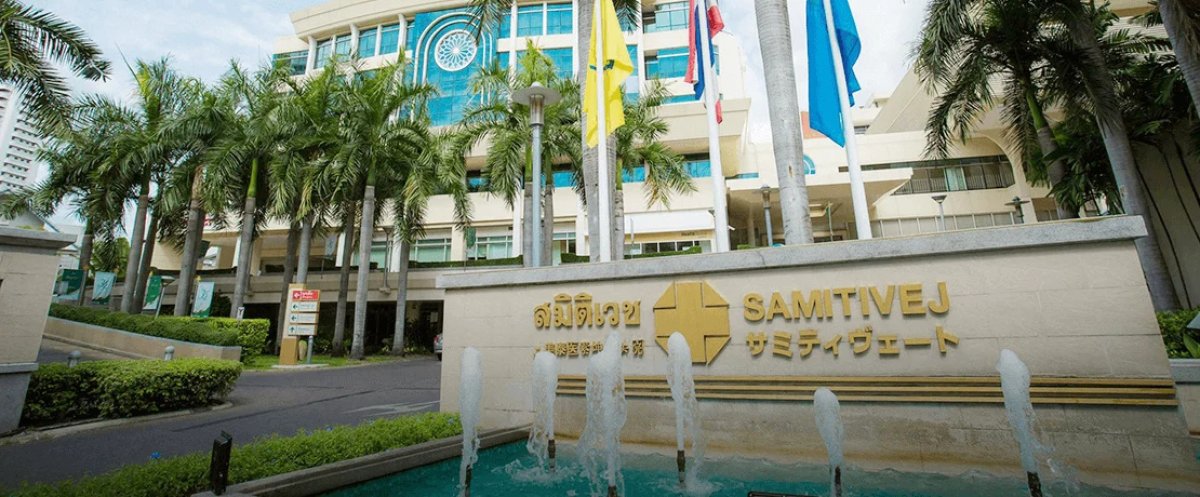
LUX KOR Hospital
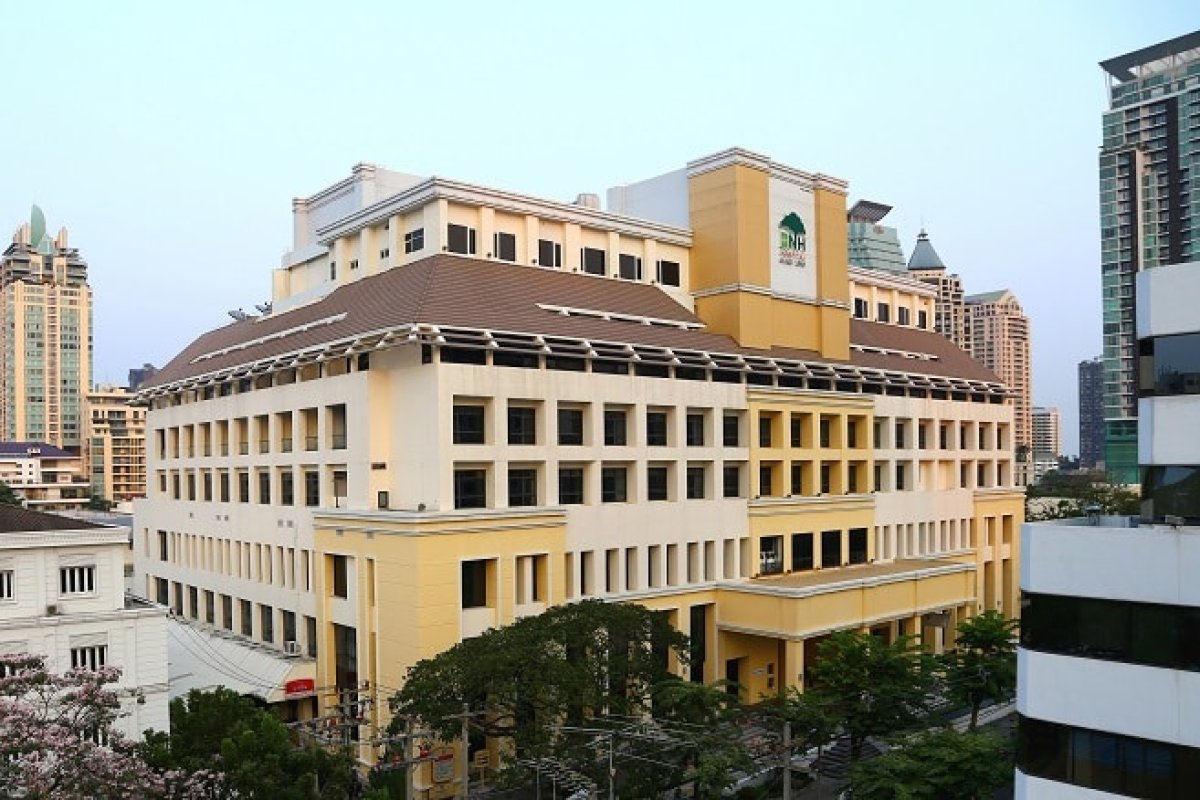
Bumrungrad International Hospital
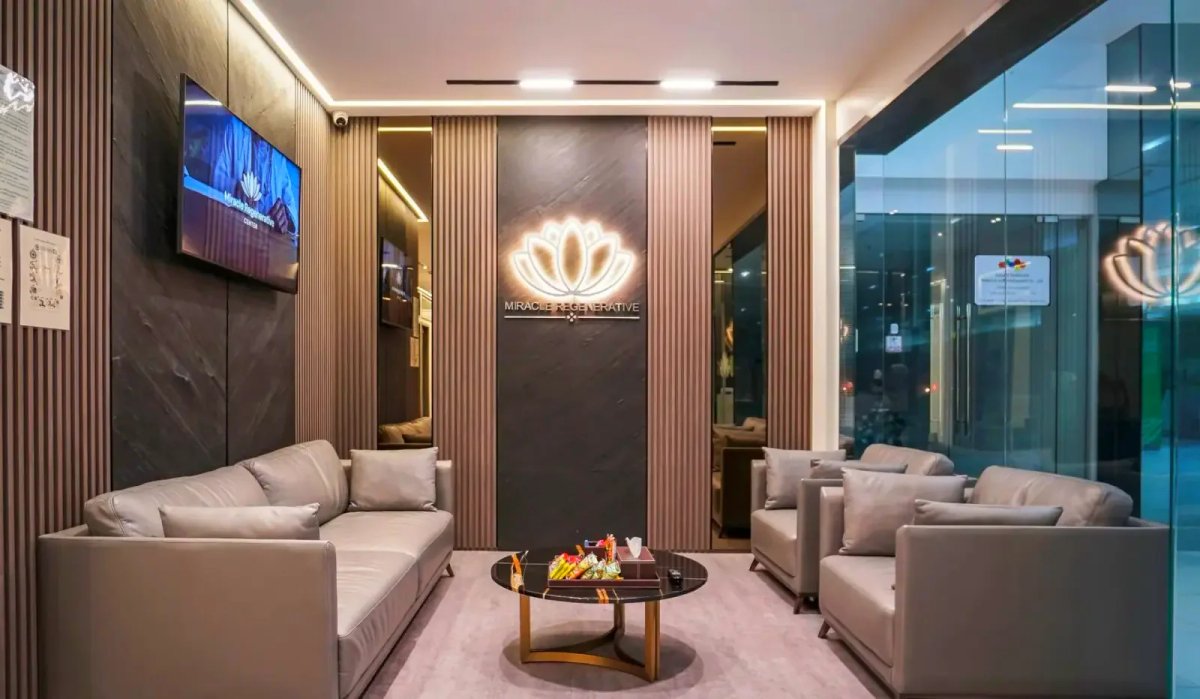
Miracle Regenerative Center

احصل على تقييم طبي لـ في تايلاند. استشر الآن 6 أطباء ذوي الخبرة.

عرض جميع الأطباء
يؤكد

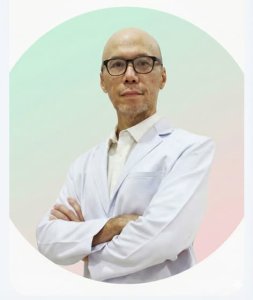
Songpoj Tanprasert

24سنة خبره ١٦ سنة

الدكتور Songpoj Tanprasert متخصص في الطب الفيزيائي وإعادة التأهيل (PM&R). يحمل درجة دكتور في الطب (M.D.)، وأكمل تدريبًا رسميًا في طب التأهيل. لديه خبرة واسعة في إعادة التأهيل لكلٍ من المرضى المقيمين ومرضى العيادات الخارجية.

تشمل خبراته تأهيل ما بعد السكتة الدماغية، والألم المزمن، وإصابات الرياضيين، واضطرابات العمود الفقري. يضع خطط تأهيل فردية قائمة على الأدلة. يركز على علاج الألم غير الجراحي والتمارين العلاجية، ويعمل مع أخصائيي العلاج الطبيعي والعلاج الوظيفي لتحسين الأداء الوظيفي.

يؤكد

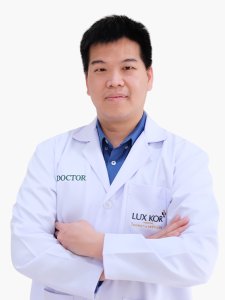
Suwit Tangcharoenwathanakul

16سنة خبره ١٦ سنة

الدكتور Suwit Tangcharoenwathanakul جرّاح عظام متخصّص في اضطرابات العمود الفقري. لديه تدريب تخصص دقيق في جراحة العمود الفقري.

دكتور في الطب (MD)، كلية الطب، Naresuan University (2010). دبلوم في جراحة العظام، Hatyai Hospital (2015). زمالة في جراحة العمود الفقري، مركز التميّز في جراحة العظام، Lerdsin Hospital (2020).
يؤكد

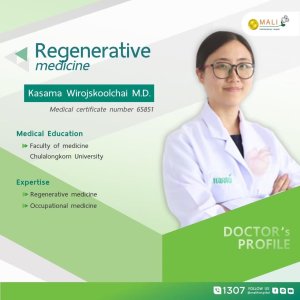
Kasama Wiroskoolchai

11سنة خبره ١٦ سنة

Dr. Kasama Wiroskoolchai is a wellness specialist at Mali Interdisciplinary Hospital in Bangkok. Dr. Wiroskoolchai focuses on combining conventional and precision medicine to treat chronic conditions. The doctor manages non-communicable diseases like type 1 and type 2 diabetes. This approach aims to improve quality of life and longevity through restorative care.

  • Specializes in pharmacopuncture and rehabilitation after stroke or traumatic brain injury.
  • Treats autoimmune conditions, including rheumatoid arthritis and autoimmune hepatitis.
  • Works at a facility accredited by the GHA and AACI for international patient safety.
  • Uses regenerative techniques to help tissue repair and prevent disease complications.
يؤكد

Kultinee Klinpoon

12سنة خبره ١٦ سنة • تم تنفيذ 5000+ علاجات

Dr. Kultinee Klinpoon is a physical therapist and the founder of Sanpiti Rehabilitation Center in Bangkok. She has performed over 5,000 procedures throughout her career. She specializes in stroke recovery, cerebral palsy, and traumatic brain injury rehab. Dr. Klinpoon graduated from Mahidol University. She previously served as a National Team physical therapist for Thailand.

  • Expert in the "Intensive Active Rehabilitation" method for neurological recovery.
  • Treats stroke patients during the critical three-to-six-month recovery period.
  • Performs specialized treatments like Bobath therapy and occupational therapy.
  • Works at Sanpiti, a clinic licensed by the Thai Ministry of Health.

مشاركة المحتوى

Twitter XLinkedinFacebookWhatsAppEmail
أحصل على الرابط

قصص فيديو من مرضى Bookimed

Dayana
جمعت بين إجازتي في أنطاليا والفحص الطبي.
إجراء: فحص صحة الإناث (انظر فحص النساء)
Igor
كان رائعاً! التنقلات والإقامة والعلاج - كل شيء مشمول.
إجراء: زرع الأسنان
مستشفى: WestDent Clinic
Marina
قام Bookimed بكل شيء من أجلي. لم أضطر للقلق بشأن أي شيء.
إجراء: فحص صحة الإناث (انظر فحص النساء)
مستشفى: Severance Hospital
محدث: 07/02/2026
تأليف
Anna Leonova
Anna Leonova
رئيس فريق تسويق المحتوى
محررة طبية معتمدة لديها خبرة تزيد عن 10 سنوات، طوّرت محتوى Bookimed الموثوق، مدعومة بماجستير في علم اللغة ومقابلات مع خبراء طبيين من جميع أنحاء العالم.
تمت المراجعة من قبل المستشار الطبي في Bookimed
فهد مولود
محرر طبي وعالم بيانات
طبيب عام. حاصل على 4 جوائز علمية. خدم في غرب آسيا. رئيس الفريق الطبي الناطق بالعربية سابقا ومسؤول عن معالجة البيانات ودقة المحتوى الطبي حاليا.
فهد مولود Linkedin
قد تحتوي هذه الصفحة على معلومات تتعلق بمختلف الحالات الطبية والعلاجات وخدمات الرعاية الصحية المتوفرة في بلدان مختلفة. يرجى العلم أن المحتوى مقدم لأغراض إعلامية فقط ولا ينبغي تفسيره على أنه نصيحة أو إرشادات طبية. يرجى استشارة طبيبك أو أخصائي طبي مؤهل قبل البدء أو تغيير العلاج الطبي.

أسئلة متكررة حول علاج العلاج التأهيلي بعد اصابة الحبل الشوكي في تايلاند

هذه الأسئلة الشائعة مأخوذة من مرضى حقيقيين يبحثون عن رعاية طبية عبر Bookimed. يتم تقديم الإجابات من قبل منسقين طبيين ذوي خبرة وممثلين موثوقين من العيادات.

ما هي أنواع تقنيات إعادة التأهيل المقدمة في تايلاند لإصابات النخاع الشوكي؟

تقدم تايلاند إعادة تأهيل متقدمة لإصابات النخاع الشوكي باستخدام تدريب المشي الروبوتي، والتحفيز فوق الجافية، والطب التجديدي. تستخدم العيادات المتخصصة في بانكوك أنظمة Lokomat والتحفيز المغناطيسي عبر الجمجمة لاستعادة وظيفة الأعصاب. تجمع البرامج الشاملة بين العلاج الطبيعي المكثف والهياكل الخارجية القابلة للارتداء وعلاجات الخلايا الجذعية الوسيطة.

  • تكنولوجيا التعديل العصبي: يساعد التحفيز المغناطيسي عبر الجمجمة (TMS) في تجاوز المسارات العصبية التالفة.
  • الأنظمة الروبوتية: توفر أنظمة Lokomat و Re-step تدريبًا مكثفًا ومتكررًا على المشي.
  • مساعدات الحركة: تساعد الهياكل الخارجية القابلة للارتداء وتقنية TheraSuit في ممارسة المشي على الأرض.
  • العلاج المتخصص: تركز علاجات Bobath و Vojta على التعافي الحركي العصبي.

رؤية خبير Bookimed: في حين تركز العديد من المرافق على الصيانة البسيطة، يتم تشغيل عيادات مثل مجموعة PYONG لإعادة التأهيل بالكامل من قبل متخصصين في طب إعادة التأهيل. هذه الخبرة حاسمة لأنهم يدمجون العلاج المعرفي القائم على الواقع الافتراضي مع الروبوتات التقليدية. تُظهر بياناتنا أن هذه المراكز المتخصصة تعالج حوالي 300 حالة مكثفة سنويًا، مما يوفر تركيزًا أعلى من مستشفيات العظام العامة.

إجماع المرضى: يشير المرضى إلى أن البرامج التايلاندية أكثر غامرة بكثير من الرعاية الخارجية في المنزل. يقترح الكثيرون إعطاء الأولوية للعيادات التي تقدم العلاج المائي اليومي والتمدد اليدوي لإدارة التشنج بشكل فعال.

ما هي النتائج الوظيفية أو معدلات النجاح التي يمكن توقعها بعد إعادة التأهيل؟

يركز إعادة التأهيل بعد إصابة النخاع الشوكي في تايلاند على تحقيق أقصى قدر من الاستقلالية الوظيفية ونوعية الحياة. غالبًا ما يحقق المرضى إنجازات مهمة مثل تحسين التوازن، والمساعدة في الانتقال من مكان لآخر، وتعزيز الحركة. تستخدم المراكز التايلاندية الحديثة تدريب المشي الآلي والرعاية متعددة التخصصات لتسهيل هذه المكاسب التدريجية ولكنها تغير الحياة.

  • الأنظمة الروبوتية: تساعد تقنيات Lokomat والهياكل الخارجية المرضى على ممارسة أنماط المشي بأمان.
  • العلاجات العصبية: يدعم التحفيز المغناطيسي عبر الجمجمة (TMS) إشارات الدماغ إلى العضلات أثناء التعافي.
  • البرامج المكثفة: تعمل الجلسات الموجهة لمدة 90 يومًا على تحسين الفترة الذهبية للشفاء العصبي.
  • التركيز الوظيفي: يؤكد العلاج على مهارات الرعاية الذاتية، وإدارة الكرسي المتحرك، ومنع المضاعفات الثانوية.

رؤية خبير Bookimed: بينما يبحث الكثيرون عن علاج كامل، تعطي المراكز التايلاندية مثل مركز سانبيتي لإعادة التأهيل الأولوية لإعادة التأهيل النشط المكثف على التمريض السلبي. يضمن تركيزهم على تدريب الأسرة والتوجيه ترجمة المكاسب الوظيفية التي تحققت في العيادة إلى استقلالية طويلة الأمد في المنزل. هذا التحول من المساعدة على مدار 24 ساعة إلى الرعاية الذاتية هو المؤشر الحقيقي على نتيجة ناجحة في هذه الشبكات المحلية المتخصصة.

إجماع المرضى: يشير الأفراد إلى أن النجاح غالبًا ما يعني انتصارات صغيرة مثل الانتقال إلى السرير بشكل مستقل بدلاً من المشي مرة أخرى. يؤكد المرضى أن الإصابات غير الكاملة عادة ما تشهد تقدمًا جسديًا أكثر وضوحًا مقارنة بالإصابات الكاملة.

هل تتوفر فرق طبية تتحدث الإنجليزية في مراكز إعادة التأهيل التايلاندية؟

الفرق الطبية التي تتحدث الإنجليزية هي المعيار في مراكز إعادة التأهيل التايلاندية المتميزة التي تلبي احتياجات المرضى الدوليين. توظف مرافق مثل مستشفى بامرونجراد الدولي متخصصين معتمدين ينسقون الرعاية باللغة الإنجليزية. توفر هذه المراكز دعماً متعدد اللغات للمرضى من أكثر من 190 دولة داخل بيئات معتمدة من قبل اللجنة الدولية المشتركة (JCI).

  • التنسيق المتخصص: تقدم مجموعة PYONG لإعادة التأهيل دعم كونسيرج متعدد اللغات لبرامج إعادة التأهيل العصبي الدولية.
  • المؤهلات الطبية: يحمل الدكتور سونغبود تانبراسيرت في سانبيتي تدريباً رسمياً في طب إعادة التأهيل.
  • حجم المرضى: يعالج بامرونجراد أكثر من 1,000,000 مريض سنوياً، ويأتي 50% منهم من الخارج.
  • خطط الرعاية: توفر المراكز الرائدة برامج فردية قائمة على الأدلة ووثائق باللغة الإنجليزية.

رؤية خبير Bookimed: بينما يتحدث الأطباء في المراكز الكبرى مثل بامرونجراد الإنجليزية بطلاقة، تختلف المهارات اللغوية لموظفي التمريض حسب نوع المرفق. يضمن اختيار مركز يركز على المرضى الدوليين تواصلاً يومياً أفضل للمهام المعقدة مثل العناية بالبشرة. يسد مركز سانبيتي لإعادة التأهيل هذه الفجوة من خلال تقديم برامج مكثفة مكونة من 3 جلسات يومياً في بيئات استجمامية فاخرة.

إجماع المرضى: يشير المرضى إلى أنه على الرغم من أن الأطباء يتحدثون الإنجليزية بطلاقة، فمن الضروري التأكد من أن المعالجين والممرضين يمكنهم أيضاً التواصل بوضوح للتدريب اليومي على الحركة. ينصح الكثيرون بطلب منسق مخصص يتحدث الإنجليزية لإدارة خطط الرعاية قبل الوصول إلى بانكوك.

كم من الوقت يجب على المرضى الدوليين التخطيط للإقامة من أجل برنامج إعادة تأهيل إصابات الحبل الشوكي؟

يجب على المرضى الدوليين التخطيط لإقامة تتراوح من 14 إلى 90 يوماً لإعادة تأهيل إصابات الحبل الشوكي في تايلاند. تتطلب البرامج الشاملة عادةً ما لا يقل عن 30 يوماً من الرعاية الداخلية. وغالباً ما تتطلب الإصابات الشديدة جلسات علاجية ممتدة لتحقيق تحسينات ملموسة في القدرة على الحركة والاستقلالية.

  • مدة الإقامة الداخلية: تتطلب معظم البرامج المكثفة من 30 إلى 90 يوماً للحصول على أفضل النتائج.
  • الجلسات السريرية: يخضع المرضى عادةً لـ 3 جلسات علاجية يومياً لتعظيم التعافي الحركي.
  • اعتماد المنشأة: تمتلك المراكز الرائدة شهادة الجمعية الأمريكية لاعتماد الرعاية الإسعافية (AACI).
  • التكنولوجيا المتقدمة: تستخدم المرافق تقنية التدريب على المشي الروبوتية Lokomat والتحفيز المغناطيسي عبر الجمجمة (TMS).

رؤية خبراء Bookimed: تكشف البيانات عن تحول كبير نحو إعادة التأهيل النشط المكثف في المراكز التايلاندية. بينما تتوفر رعاية تمريضية قياسية، تركز العيادات المتخصصة مثل مركز سانبيتي لإعادة التأهيل (Sanpiti Rehabilitation Center) على جلسات مكثفة مدتها 30 يوماً. اختيار منشأة تجمع بين التمريض على مدار 24 ساعة وأخصائيي التغذية والأطباء في الموقع يمنع توقف عملية التعافي الذي يظهر غالباً في بيئات العيادات الخارجية الأقل تنظيماً.

إجماع المرضى: يشير المرضى إلى أن التقدم الملموس يتطلب علاجاً يومياً مستمراً على مدى عدة أسابيع بدلاً من رحلة قصيرة. تتضمن النصائح العملية حجز جلسة أولية مع البقاء مرناً، حيث يصعب التنبؤ بالتحسينات المبكرة.

لماذا تُعتبر تايلاند وجهة مفيدة لإعادة تأهيل إصابات الحبل الشوكي؟

تُعد تايلاند وجهة رائدة لإعادة تأهيل إصابات الحبل الشوكي بسبب مزيجها من الرعاية المعتمدة من اللجنة الدولية المشتركة (JCI) والتكنولوجيا المتقدمة. تستخدم المرافق التدريب على المشي الروبوتي والتحفيز فوق الجافية لتحسين القدرة على الحركة. غالبًا ما تكون البرامج المكثفة أقل تكلفة بكثير مما هي عليه في الدول الغربية مع الحفاظ على معايير السلامة الدولية.

  • التكنولوجيا المتقدمة: تسهل أنظمة مثل Lokomat وExoskeleton التدريب المكثف على المشي بمساعدة الروبوت.
  • الطاقم الطبي الخبير: يقدم متخصصون معتمدون مثل الدكتور تشاكارغ بونجورغسورن خبرة تزيد عن 20 عامًا.
  • علاج عالي الكثافة: غالبًا ما تتضمن البرامج ما يصل إلى 60 جلسة متخصصة كل شهر.
  • الاعتماد الدولي: تحمل المراكز الرائدة مثل مستشفى بامرونجراد الدولي شهادات GHA وJCI.

رأي خبير Bookimed: في حين يبحث الكثيرون عن أقل سعر، تكمن القيمة الحقيقية في تايلاند في باقات التعافي في "الفترة الذهبية". يقدم مركز سانبيتي لإعادة التأهيل برامج مكثفة لمدة 90 يومًا مقابل حوالي 6500 دولار. تشمل هذه رعاية تمريضية على مدار 24 ساعة وتقنية TMS متقدمة. غالبًا ما تكون هذه التكلفة أقل من بضعة أسابيع من الرعاية الأساسية في أماكن أخرى.

إجماع المرضى: يلاحظ المرضى أن الاهتمام الفردي المكثف والسكن الموجه نحو إعادة التأهيل يجعل الإقامات الطويلة عملية. ويؤكدون على أهمية التحقق مما إذا كان المرفق يوفر إدارة خاصة للمثانة والوقاية من قرح الضغط بالإضافة إلى العلاج الطبيعي.

هل يحتاج المرضى إلى تأشيرة خاصة لإعادة التأهيل طويل الأمد في تايلاند؟

يحتاج المرضى إلى تأشيرة طبية أو تمديد طويل الأمد لإعادة التأهيل في تايلاند. غالبًا ما تتطلب الإعفاءات القياسية لمدة 60 يومًا تمديدات في مكاتب الهجرة. يمكن استخدام تأشيرة "Destination Thailand" أو الدخول الطبي الرسمي برعاية المستشفى لمدة تصل إلى 180 يومًا للإقامات الطويلة للتعافي من إصابات الحبل الشوكي.

  • الوثائق الطبية: توفر المستشفيات خطابات علاج رسمية تؤكد القبول وجداول إعادة التأهيل.
  • تمديد الإقامة: تعالج مكاتب الهجرة المحلية التمديدات بناءً على الضرورة السريرية والمدة.
  • تأشيرة Destination Thailand: يسمح هذا الخيار بإقامات تصل إلى 180 يومًا لتلقي الرعاية الطبية.
  • دعم العيادات: تقدم مرافق مثل مجموعة PYONG لإعادة التأهيل دعم الكونسيرج للخدمات اللوجستية للمرضى الدوليين.

رأي خبير Bookimed: غالبًا ما يتضمن التعافي طويل الأمد الانتقال من رعاية المرضى الداخليين إلى رعاية العيادات الخارجية. يقدم مركز سانبيتي لإعادة التأهيل باقات تتراوح من 14 إلى 90 يومًا. اختيار برنامج لمدة 90 يومًا مقدمًا يبسط وثائق التأشيرة، ويضمن توافق خطابك الطبي مع المدة الكاملة المخطط لها للعلاج المكثف.

إجماع المرضى: يلاحظ المرضى أن إعادة التأهيل غالبًا ما تُعامل كإقامة طبية قياسية بدلاً من فئة تأشيرة فريدة. يعتمد النجاح على تأمين خطاب رسمي من المستشفى قبل الوصول لتجنب مشاكل الهجرة إذا تم تمديد العلاج.

Can I bring my family to Thailand during spinal cord injury rehabilitation, and what living arrangements are available?

Family members can stay with patients in Thailand throughout spinal cord injury rehabilitation. Many centres provide private suites or serviced apartments designed for long-term recovery. Facilities like Sanpiti Rehabilitation Center explicitly include family orientation and training in their neurological programs. This helps involve carers in the process.

  • On-site suites: Private VIP rooms often include space for family stay and 3 meals daily.
  • Family training: Specialist programs include carer education to support the patient during and after rehab.
  • Serviced apartments: Partners like Jin Wellbeing County offer premium living arrangements for long-term stays.
  • Concierge support: Multilingual staff at centres like PYONG Rehabilitation Group assist families with local logistics.

Bookimed Expert Insight: Many hospitals offer hotel-style rooms. However, choosing a facility in the Sanpiti network allows access to dedicated rehabilitation apartments. These units are often around A$2,600 to A$3,500 for 30 days. This is cheaper than central Bangkok hotels. It also includes 24-hour nursing and medical supervision for the patient in a family-friendly estate.

Patient Consensus: Patients note that bringing family is practical. This is because Thai clinics focus on training carers for life after hospital. They suggest confirming that accommodation has roll-in showers and wide doorways. This should be done before arriving in Thailand.

Can rehabilitation in Thailand reverse paralysis or cure spinal cord injury?

Rehabilitation in Thailand cannot currently cure spinal cord injuries or fully reverse paralysis. Most programmes focus on intensive therapy to improve independence. Specialists use robotic technology and specialised exercises to reawaken dormant pathways. This helps patients regain functional movement and better quality of life.

  • Robotic gait training: PYONG Rehabilitation Group uses robotics to improve walking ability and muscle memory.
  • Functional stimulation: Sanpiti Rehabilitation Center offers transcranial magnetic stimulation to help nerve communication.
  • Daily intensive therapy: Programmes often include 3 dedicated sessions per day to maximise physical recovery.
  • International standards: Centres like Bumrungrad International Hospital hold JCI accreditation for patient safety.

Bookimed Expert Insight: Many search for a total cure. However, the real value in Thailand lies in the intensity of care. Sanpiti Rehabilitation Center offers a 90-day Golden Period programme for approximately A$9,000. This includes 24-hour nursing and daily sessions. Such care is difficult to access at this price point in Australia.

Patient Consensus: Patients emphasise that consistent daily exercise is more reliable than searching for a magic cure. Many suggest focusing on whatever movement is possible. They also advise being wary of experimental stem cell claims.

What are the most popular and advanced spinal cord injury rehabilitation treatments available in Thailand?

Thai medical centres offer advanced spinal cord injury rehabilitation through epidural stimulation and robotic gait training. Specialists use technologies like the Lokomat and g-eo system to reawaken neural pathways and restore movement. Leading Bangkok facilities hold JCI accreditation, so they follow international safety standards for complex neurological recovery.

  • Epidural stimulation: Electrodes implanted on the spinal cord help restore voluntary leg movement and standing.
  • Robotic-assisted gait: Systems like Lokomat provide intensive, repetitive walking training to improve neuroplasticity.
  • Advanced neuro-stimulation: Centres use Transcranial Magnetic Stimulation (TMS) to non-invasively stimulate nerve cells.
  • Comprehensive inpatient care: Programs include Bobath therapy, clinical Pilates, and 24-hour nursing support.

Bookimed Expert Insight: Many centres focus on equipment. However, Sanpiti Rehabilitation Center stands out. It requires family training components in its 30-day and 90-day packages. This means the recovery progress achieved with Thai technology continues effectively once the patient returns to Australia. Data shows this collaborative approach helps maintain gains in bladder control and limb movement. These gains are triggered by intensive therapy.

Patient Consensus: Patients note Thailand is a top choice for epidural stimulation. Costs are lower than in Western countries. Patients find new technology exciting. But they emphasise that success depends on dedication to several hours of daily intensive physiotherapy.

Which hospitals are top-rated for spinal cord injury rehabilitation in Thailand?

```html

Bumrungrad International Hospital and PYONG Rehabilitation Group are top-rated facilities for spinal cord injury rehabilitation in Thailand. These centres integrate JCI-accredited standards with neurorehabilitation. Treatments include robotic gait training, transcranial magnetic stimulation, and high-intensity physical therapy. These therapies aim to improve motor function and independence.

  • Advanced technology: PYONG Rehabilitation Group uses robotic gait training and VR-based cognitive therapy.
  • Specialist leadership: Rehabilitation medicine specialists run the PYONG clinic, treating 300+ patients annually.
  • Certified excellence: Bumrungrad Hospital holds GHA and JCI accreditations, serving over 1,000,000 patients yearly.
  • Integrated care: Dr Chakarg Pongurgsorn at Bumrungrad has over 20 years of experience in rehabilitation.

Bookimed Expert Insight: Thailand is famous for innovative therapies. However, the most reliable outcomes for spinal cord injuries come from high-volume centres. Bumrungrad Hospital manages over 500,000 international cases annually. Their established infrastructure for Australians includes JCI-standard safety and specialist-led units. This volume means that teams have managed a wide variety of spinal injury complexities.

Patient Consensus: Patients note that Thailand offers easy access to specialists. It also has a high standard of general medical care. They often emphasise checking if clinics focus on active physical therapy, such as robotic training. They suggest avoiding clinics that offer only passive treatments.

```

How can I choose the best clinic in Thailand for my specific spinal cord injury?

Select a clinic in Thailand by prioritising JCI-accredited facilities that offer intensive active rehabilitation. Look for centres providing neuro-technologies like Lokomat robotic gait training or Transcranial Magnetic Stimulation (TMS). Choosing board-certified rehabilitation medicine specialists means your recovery plan follows international standards.

  • Accreditation standards: Bumrungrad International Hospital holds JCI and Global Healthcare Accreditation for safety.
  • Clinical expertise: PYONG Rehabilitation Group is run entirely by specialised rehabilitation medicine doctors.
  • Technology: Seek centres using Lokomat, TheraSuit, or VR-based cognitive therapy for recovery.
  • Specialised surgeons: Dr Suwit Tangcharoenwathanakul at LUX KOR specialises in spine disorders.

Bookimed Expert Insight: While many centres focus on generic physio, Sanpiti Rehabilitation Center offers a specific 90-day Golden Period program. This intensive approach includes outcome guarantees and Transcranial Magnetic Stimulation (TMS) therapy. Choosing a facility that integrates family training means care continues effectively after returning to Australia.

Patient Consensus: Patients highlight that consistent daily exercise like swimming and cycling is vital during the first two years of recovery. Many recommend focusing on affordable spinal cord stimulator surgery in Thailand. They prefer this approach over unproven regenerative therapies.

What is the typical daily routine in Thailand spinal cord injury rehabilitation?

Spinal cord injury rehabilitation in Thailand involves intensive programs lasting 2–4 hours daily. These routines combine physical and occupational therapy to improve mobility. Specialists such as Dr Songpoj Tanprasert use multidisciplinary plans. Some centres include robotic gait training and neurological consultations to maximise independence.

  • Daily therapy: Patients undergo 2–4 hours of combined exercises 5–7 days per week.
  • Therapy components: Routines include Bobath therapy, physiotherapy, and occupational therapy for functional skills.
  • Technology: Centres like PYONG Rehabilitation Group use robotic systems and VR-based cognitive therapy.
  • Initial assessment: Neurologists perform blood tests and scans within the first 2 days.

Bookimed Expert Insight: Thai rehabilitation centres often integrate family training into their long-term inpatient programs. Sanpiti Rehabilitation Center offers packages that include 24-hour nursing and family orientation. This approach helps Australian families manage care successfully after returning home from intensive 30-day stays.

Patient Consensus: Patients note mornings start early with bowel and bladder programs before moving into intensive physiotherapy. They emphasise that robotic training is available. However, consistent daily exercises are the most vital part of the routine.

Do clinics in Thailand help with long-term plans after spinal cord injury rehabilitation finishes?

Thai clinics assist with long-term recovery by providing comprehensive discharge planning and family training. Specialists such as Dr Songpoj Tanprasert at Sanpiti Rehabilitation Center design programmes. These programmes help move patients from hospital care to home-based management. This includes training carers in bowel management and pressure sore prevention.

  • Family training: Programmes at Sanpiti include orientation to help families manage daily care at home.
  • Outcome guarantees: Select packages at AACI-accredited facilities offer guaranteed outcomes for specific rehab goals.
  • Technology: Centres use robotic gait training and Lokomat to improve long-term functional mobility.
  • Medical management: Specialists provide detailed documentation so GPs in Australia can continue necessary care.

Bookimed Expert Insight: Thai rehabilitation packages often include 30 to 90 days of inpatient stay. This is significantly longer than standard acute rehab. Sanpiti Rehabilitation Center offers private suites for long-term comfort. It does so in partnership with Jin Wellbeing County. This extended stay allows therapists to calibrate equipment like the Exoskeleton. They adjust it to the patient’s specific needs before the patient returns home.

Patient Consensus: Patients note that success depends on using the education provided in Thailand. This helps them maintain a rigorous physiotherapy schedule once back home. They find the transition easier when families take part in intensive training sessions. These are offered by Bangkok clinics.

Is English-speaking support available for spinal cord injury rehabilitation in Thailand, and how do clinics accommodate foreign patients?

English-speaking support is standard in Thai neurorehabilitation hubs. Major hospitals here dedicate entire departments to international patient care. JCI-accredited facilities such as Bumrungrad International Hospital serve over 500,000 foreign patients annually. They provide fluent medical staff and multilingual concierge teams to coordinate complex recovery plans.

  • Multilingual concierge: PYONG Rehabilitation Group offers dedicated support to assist with international logistics.
  • Expert medical staff: Specialists like Dr Songpoj Tanprasert lead programs using evidence-based English documentation.
  • Robotics: Centres use Lokomat and exoskeleton systems for gait training with English-speaking therapists.
  • High-volume care: Leading hospitals serve patients from 190+ countries, so English communication is routine.
  • Accredited standards: Facilities maintain JCI or GHA certifications, which mandate strict international communication protocols.

Bookimed Expert Insight: While general care is widely available, patients should look for clinics like LUX KOR Hospital. The majority of patients there come from Australia or the USA. These centres often tailor their entire patient pathway around English speakers. Some packages at Sanpiti Rehabilitation Center even bundle family training. This is vital for long-term recovery support once patients return to Australia.

Patient Consensus: Patients appreciate that a few clinics offer free MRI reviews to assess recovery chances before travel. Most suggest confirming English proficiency for daily nursing care. However, doctors in Bangkok typically speak English well.

احصل على استشارة مجانية

حدد أفضل طريقة للاتصال بك