علاج إصابات في الدماغ في تايلاند: 2 مستشفيات


تمت مراجعة المقالة طبيا من قبل
فهد مولود
كيف نعمل؟
ما هي تكلفة إصابات في الدماغ إجراءات التشخيص والعلاج في تايلاند؟ اعرف الآن
Traumatic brain injury treatment cost in Thailand generally includes a consultation with a neurologist ranging from $100 / 3,400฿ to $150 / 5,100฿ and inpatient rehabilitation between السعر عند الطلب and السعر عند الطلب. Total expenses depend on injury severity, ICU duration, and hospital tier. Patients typically save 40-60% compared to the US. Top treatment destinations include Bangkok, Nonthaburi, and Surat Thani.
Typical Traumatic Brain Injury Treatment Costs in Thailand
- Consultation with a neurologist: $100 / 3,400฿ – $150 / 5,100฿
- Inpatient rehabilitation: السعر عند الطلب
- Rehabilitation after traumatic brain injury: السعر عند الطلب
- Bobath therapy: السعر عند الطلب
- Rehabilitation on the treadmill Anti Gravity: $700 / 23,800฿ – $1,300 / 44,200฿
- Rehabilitation with "Lokomat": $3,500 / 119,000฿ – $6,500 / 221,000฿
- Rehabilitation on the verticalizer: السعر عند الطلب
- Vojta therapy: $480 / 16,300฿ – $1,300 / 44,200฿
- Suspension therapy: السعر عند الطلب
- Snoezelen therapy: $60 / 2,000฿ – $130 / 4,400฿
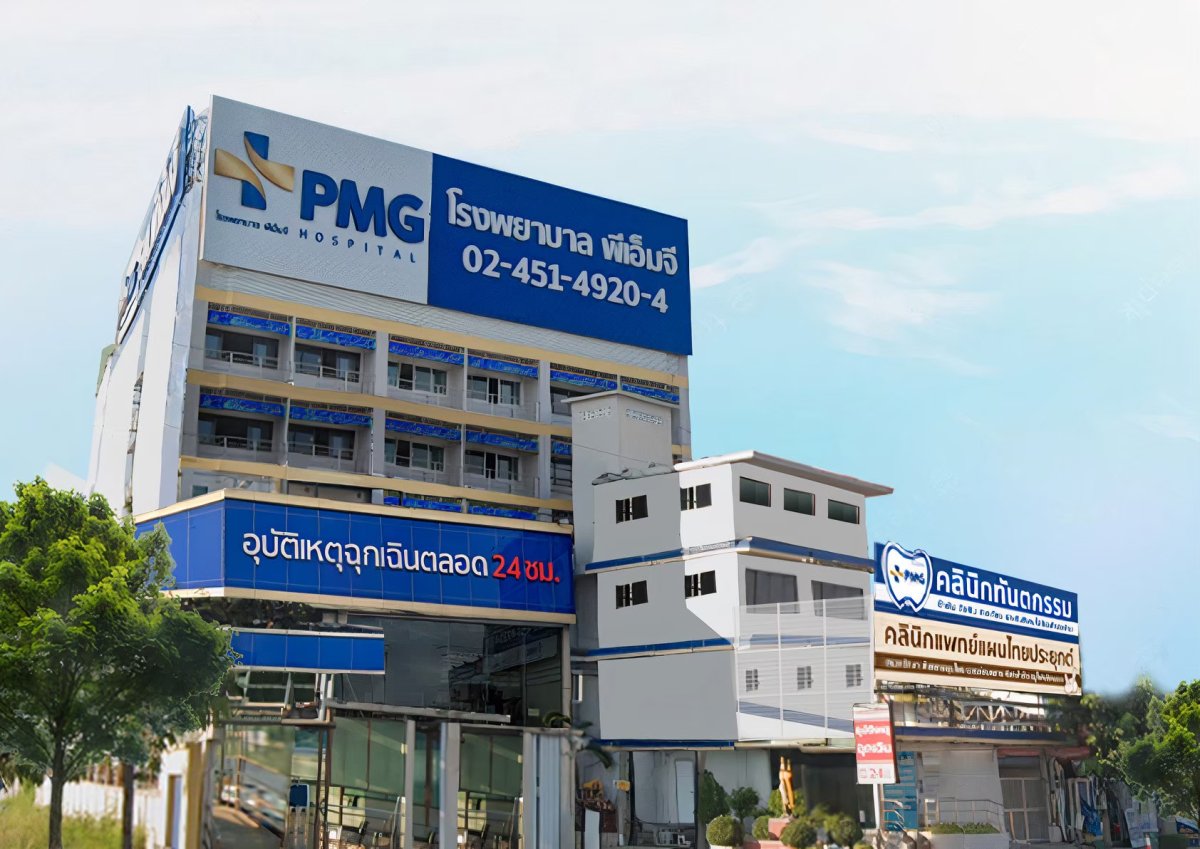
Bookimed Expert Insight: Post-acute patients benefit most from centers targeting the three-month golden recovery period. Sanpiti Rehabilitation Center specializes in intensive active rehabilitation using Bobath therapy and anti-gravity training. For complex cases, PMG Hospital offers a 24-hour critical care center and JCI-accredited safety. Mali Interdisciplinary Hospital is best for integrated care, combining conventional medicine with regenerative pharmacopuncture across 11 departments.
| تايلاند | تركيا | إسبانيا | |
|---|---|---|---|
| علاج فويتا - Vojta Therapy | ≈ $480 / 16,300฿ | من $230 / 7,800฿ | ≈ $600 / 20,400฿ |
| علاج سنوزلن | ≈ $60 / 2,000฿ | من $150 / 5,100฿ | ≈ $380 / 12,900฿ |
| العلاج الوظيفي باستخدام فأرة الكمبيوتر الرأسية | من $100 / 3,400฿ | ≈ $450 / 15,300฿ | ≈ $750 / 25,500฿ |
| العلاج التأهيلي بواسطة جهاز لوكومات (Lokomat) | ≈ $3,500 / 119,000฿ | من $300 / 10,200฿ | ≈ $1,800 / 61,200฿ |
| العلاج التأهيلي بواسطة الهيكل الخارجي (Exoskeleton) | من $400 / 13,600฿ | ≈ $1,800 / 61,200฿ | ≈ $1,800 / 61,200฿ |


احصل على تقييم طبي لـ في تايلاند. استشر الآن 6 أطباء ذوي الخبرة.
عرض جميع الأطباء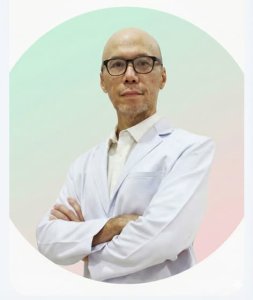
Songpoj Tanprasert
الدكتور Songpoj Tanprasert متخصص في الطب الفيزيائي وإعادة التأهيل (PM&R). يحمل درجة دكتور في الطب (M.D.)، وأكمل تدريبًا رسميًا في طب التأهيل. لديه خبرة واسعة في إعادة التأهيل لكلٍ من المرضى المقيمين ومرضى العيادات الخارجية.
تشمل خبراته تأهيل ما بعد السكتة الدماغية، والألم المزمن، وإصابات الرياضيين، واضطرابات العمود الفقري. يضع خطط تأهيل فردية قائمة على الأدلة. يركز على علاج الألم غير الجراحي والتمارين العلاجية، ويعمل مع أخصائيي العلاج الطبيعي والعلاج الوظيفي لتحسين الأداء الوظيفي.<

Kultinee Klinpoon
الدكتورة كولطيني كلينبون هي أخصائية علاج طبيعي ومؤسسة مركز سانبيتي لإعادة التأهيل في بانكوك. أجرت أكثر من 5000 إجراء طوال مسيرتها المهنية. وهي متخصصة في التعافي من السكتة الدماغية، والشلل الدماغي، وإعادة التأهيل من إصابات الدماغ الرضية. تخرجت الدكتورة كلينبون من جامعة ماهيدول. عملت سابقاً كأخصائية علاج طبيعي للمنتخب الوطني التايلاندي.
- خبيرة في أسلوب "إعادة التأهيل النشط المكثف" للتعافي العصبي.
- تعالج مرضى السكتة الدماغية خلال فترة التعافي الحرجة التي تتراوح من ثلاثة إلى ستة
Kasama Wiroskoolchai
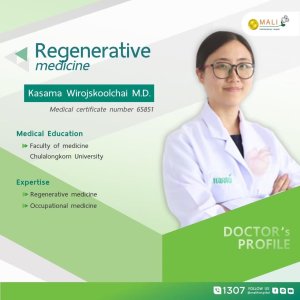
الدكتورة كاساما ويروسكولتشاي هي أخصائية عافية في مستشفى مالي متعدد التخصصات في بانكوك. تركز الدكتورة ويروسكولتشاي على الجمع بين الطب التقليدي والطب الدقيق لعلاج الحالات المزمنة. تدير الطبيبة الأمراض غير المعدية مثل مرض السكري من النوع الأول والنوع الثاني. يهدف هذا النهج إلى تحسين جودة الحياة وطول العمر من خلال الرعاية التصالحية.
- متخصصة في الوخز بالإبر الدوائي وإعادة التأهيل بعد السكتة الدماغية أو إصابات الدماغ الرضية.
- تعالج أمراض المناعة الذاتية، بما في ذلك التهاب المفاصل ا

Chakarg Pongurgsorn
يتخصص الدكتور تشاكارغ بونغورغسورن في إعادة التأهيل من إصابات الدماغ الرضية، ويقدم رعاية متخصصة في مستشفى بومرونجراد الدولي.
- أخصائي إعادة تأهيل يركز على التعافي من إصابات الدماغ
- يعمل في بومرونجراد - مستشفى دولي رائد
- مكرس لخطط إعادة تأهيل المرضى الشخصية
مشاركة المحتوى
قصص فيديو من مرضى Bookimed
 Anna Leonova
أسئلة متكررة حول علاج إصابات في الدماغ في تايلاند
ما هي المستندات المطلوبة للتقدم للحصول على تأشيرة لتايلاند للعلاج؟
للتقدم للحصول على تأشيرة دخول إلى تايلاند ، هناك عدد من المستندات المطلوبة. يمكن تقديم الأوراق اللازمة قبل 90 يومًا من المغادرة المخطط لها. قائمة الوثائق تشمل :
- بطاقة الهوية
- تأكيد التسجيل عبر الإنترنت وملء الاستبيان
- شهادة الدخل والأموال (20000 باهت لكل شخص / 40 ألف بات لكل أسرة)
- بوليصة التأمين لفترة الإقامة في تايلاند (الأصل والنسخة)
- 2 صورة (4x6)
- الحصول على تأشيرة
- تذكرة طيران ذهابًا وإيابًا (مدفوعة بالكامل) وحجز الفنادق
- رأي الطبيب في الحاجة للعلاج.
ما هو مستوى الطب في تايلاند؟
الرعاية الصحية هي قطاع التنمية الرئيسي للحكومة التايلاندية. السلطات التايلاندية مقتنعة بأن رعاية صحة المواطنين يجب أن تكون أولوية غير مشروطة لسياسة الدولة ، وتنفق سنويًا حوالي 25 مليار بات على الرعاية الصحية.
نتيجة لذلك ، توفر 36673 منشأة طبية رعاية طبية ممتازة في البلاد. تم اعتماد 64 مركزًا طبيًا في المملكة من قبل اللجنة المشتركة الدولية (JCI) ، وهي هيئة دولية لتحسين جودة وسلامة الخدمات الطبية في جميع أنحاء العالم. فهرس الشهادات المتلقاة هو الأكبر. للمقارنة ، هناك 20 مؤسسة معتمدة من اللجنة الدولية المشتركة في إسرائيل ، و 10 عيادات فقط من هذا النوع في ألمانيا.
ما هو أفضل وقت للذهاب إلى تايلاند؟
الميزة الرئيسية للمنتجعات التايلاندية هي موسم الشاطئ الطويل. يختلف المناخ على السواحل الشرقية والغربية ، لذا ضع ذلك في الاعتبار عند التخطيط لرحلتك. أفضل وقت للسفر هو خلال الموسم البارد والجاف من نوفمبر إلى أوائل أبريل. يحدث تدفق كبير للسياح في مارس ومايو ، عندما تصل درجة حرارة الهواء إلى + 30 درجة مئوية.
ما تحتاج لمعرفته عن تايلاند قبل رحلتك؟
اسم رسمي | مملكة تايلاند |
عملة | البات التايلندي (يمكنك أيضًا الدفع مقابل الخدمات بالدولار) |
أفضل فترة للسفر | نوفمبر - بداية أبريل |
لغة | التايلاندية (معظم الطاقم الطبي يتحدث الإنجليزية بطلاقة) |
تأشيرة | مطلوب لرحلة مدتها 3-6 أشهر |
فارق التوقيت مع أوروبا | الساعه 7 |
فارق التوقيت من الولايات المتحدة الأمريكية |
يوجد في مملكة تايلاند فنادق ذات نطاقات أسعار ومستويات خدمة مختلفة. مستوى الفنادق التايلاندية مشابه للفنادق في تونس أو المغرب أو مصر. يختار معظم السياح فنادق 4 و 5 نجوم مع وجبات شاملة كليًا. تحتوي هذه الفنادق على كل شيء لإقامة مريحة: طعام متنوع ، منطقة كبيرة جيدة الإعداد ، رسوم متحركة للأطفال والكبار. تحتوي بعض الفنادق على حديقة مائية خاصة بها ، والتي يمكن للضيوف استخدامها مجانًا. يمكن للمسافرين ذوي الميزانية المحدودة حجز فندق اقتصادي من فئة 3 نجوم مع نصف إقامة أو بدون وجبات على الإطلاق.
|